

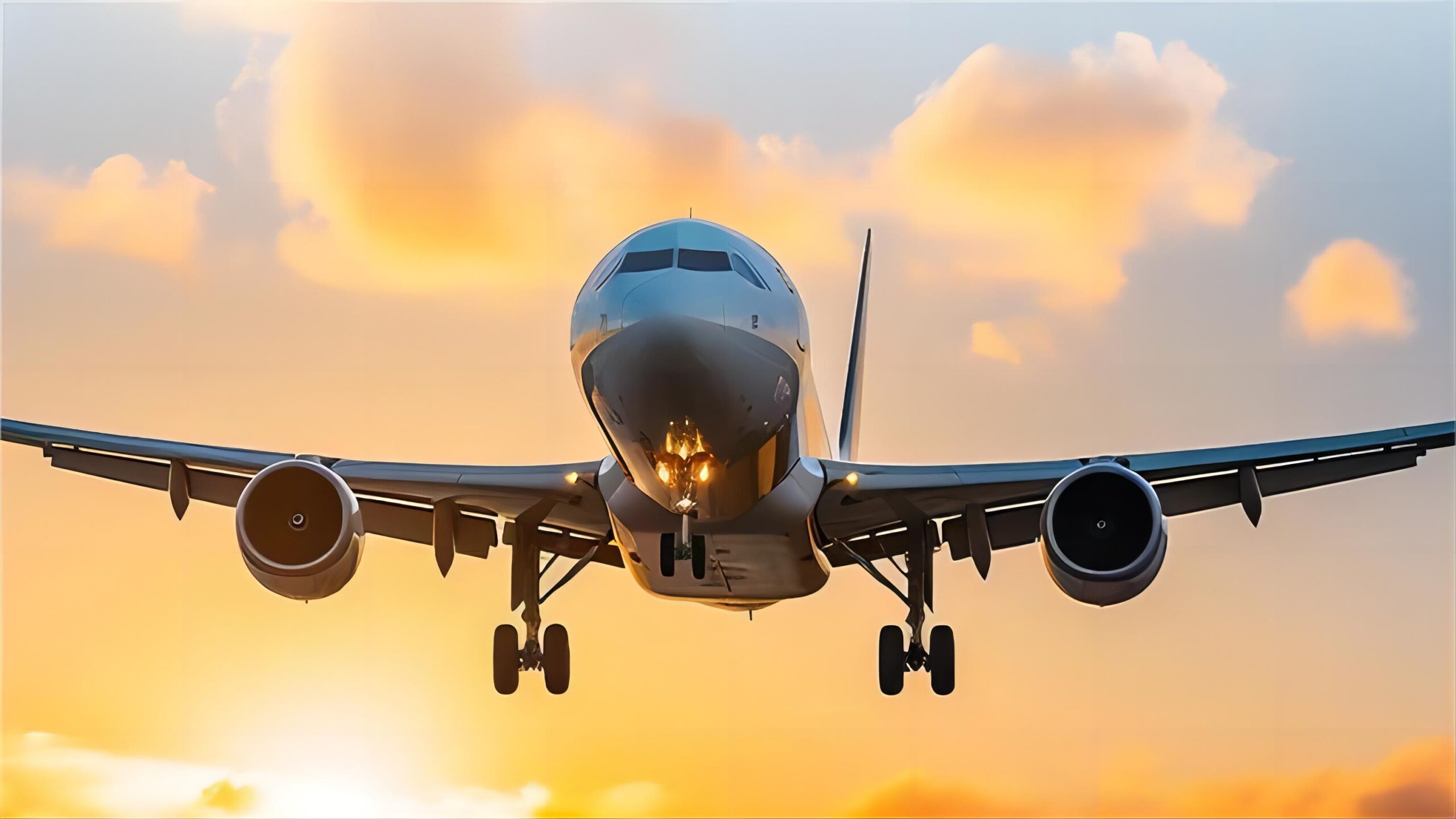
Securing Reefer FCL Space for Medical Equipment from China to Illinois
“Transporting medical equipment from China to Illinois presents unique challenges, particularly when sensitive products require precise temperature control. Securing reliable reefer FCL space availability for medical equipment is paramount for maintaining product integrity and ensuring timely delivery. This comprehensive guide explores crucial aspects of cold chain logistics, helping you navigate the complexities of international freight. For robust and dependable shipping solutions, consider TJ China Freight, your trusted partner.”

Understanding Reefer FCL for Medical Equipment Shipping
❖Reefer Full Container Load (FCL) shipping is indispensable for transporting temperature-sensitive medical equipment. This includes pharmaceuticals, diagnostic kits, vaccines, and specialized devices that demand strict environmental conditions. Consequently, choosing the right reefer container ensures your cargo remains viable from origin to destination.
Crucially, FCL means your goods occupy an entire container, offering enhanced security and minimizing handling risks. This method is often preferred for larger volumes of medical supplies, providing dedicated space and precise temperature management throughout the transit. Furthermore, it safeguards against contamination and damage common in shared container environments.
Key Challenges in Shipping Temperature-Sensitive Medical Devices
❖Shipping medical equipment, especially temperature-sensitive items, involves several intricate challenges. Maintaining a consistent cold chain from China to Illinois requires meticulous planning and execution. Any deviation in temperature can compromise product efficacy and safety, leading to significant financial losses and regulatory issues.
Moreover, port congestion, customs delays, and carrier capacity fluctuations frequently impact transit times. These variables can pose substantial risks to sensitive cargo. Therefore, partnering with an experienced freight forwarder is vital to mitigate these potential disruptions and ensure a smooth supply chain.
Ensuring Cold Chain Integrity from China to Illinois
❖Maintaining cold chain integrity is the cornerstone of successful medical equipment logistics. Reefer containers are equipped with advanced temperature control systems that continuously monitor and adjust internal conditions. This technology is critical for sensitive cargo like biological samples or certain diagnostic reagents. Indeed, precise temperature ranges, such as 2-8°C or -20°C, must be strictly upheld.
Additionally, pre-cooling containers before loading is a standard practice to prevent temperature shocks. Proper packaging, including insulated materials and temperature data loggers, further reinforces the cold chain. These measures collectively safeguard the quality and effectiveness of your medical products throughout the journey.

Monitoring and Documentation for Compliance
Continuous monitoring and comprehensive documentation are essential for compliance and traceability. Data loggers provide real-time temperature readings, offering transparency and accountability. Furthermore, detailed records of temperature excursions, if any, are crucial for regulatory audits and quality assurance. This rigorous approach ensures adherence to international standards and medical industry guidelines.
For instance, robust documentation supports claims and demonstrates due diligence in handling sensitive cargo. Consequently, maintaining meticulous records is not just good practice but a regulatory requirement for sea freight of medical devices. This also facilitates smoother customs clearance processes upon arrival in the USA.
Navigating Reefer FCL Space Availability and Freight Rates
❖Finding consistent reefer FCL space availability for medical equipment from China to Illinois can be challenging, especially during peak seasons or periods of high demand. Market dynamics, such as carrier capacity and global shipping volumes, significantly influence space and freight rates. For example, Q4 peak season rates typically increase by 15-25% from August to October.
Conversely, booking well in advance and working with carriers that offer guaranteed space can alleviate these pressures. Flexible delivery schedules also contribute to securing better rates and reliable bookings. Moreover, understanding the current logistics trends and planning accordingly is key to optimizing your shipping costs and ensuring timely delivery.
| Cost Component | Typical Range (USD) | Description |
|---|---|---|
| Ocean Freight (Reefer 40HQ) | $4,500 – $6,000 | Base cost from China to US East Coast for a 40HQ reefer |
| Origin Charges (THC, Docs, Fees) | $400 – $700 | Terminal Handling Charges, documentation, and local fees in China |
| Destination Charges (THC, Chassis) | $500 – $900 | Terminal Handling Charges, chassis rental, and local fees in the US |
| Reefer Surcharge (RFS) | $300 – $800 | Additional cost for temperature control equipment and power |
| Customs Brokerage | $200 – $400 | Fees for customs entry and clearance services |
| Inland Freight (Port to Illinois) | $800 – $1,500 | Rail or truck transport from US port to Illinois destination |
Factors Influencing Reefer FCL Rates
Several factors dictate reefer FCL rates, including fuel surcharges, equipment availability, and port congestion. The specific origin port in China (e.g., Shanghai, Ningbo) and the destination port in the US (e.g., Los Angeles, Long Beach, then rail to Illinois) also play a role. Additionally, unexpected global events can trigger rate volatility.
As of Q1 2025, freight rates from China to the USA have stabilized somewhat after the 2024 Red Sea disruptions, but remain susceptible to regional conflicts and demand spikes. Therefore, obtaining a current quote tailored to your specific needs is always recommended. This ensures you receive the most accurate and up-to-date pricing information for your medical cargo.
Customs and Compliance for Medical Equipment Imports to Illinois
❖Importing medical equipment into the United States, specifically to Illinois, involves stringent customs regulations and compliance requirements. The FDA (Food and Drug Administration) plays a significant role in overseeing the import of medical devices and pharmaceuticals. Consequently, accurate classification and documentation are non-negotiable. Customs brokerage expertise is indispensable for navigating these complexities.
Furthermore, ensuring all products meet US health and safety standards is critical. This often includes specific labeling, testing, and registration requirements. Delays at customs can lead to spoilage for temperature-sensitive goods, emphasizing the need for proactive customs planning. Therefore, a thorough understanding of import/export procedures is essential for smooth transit.
| Document | Purpose | Regulatory Body |
|---|---|---|
| Commercial Invoice | Details of goods, value, and terms of sale | Customs & Border Protection (CBP) |
| Packing List | Itemized list of contents per package | CBP |
| Bill of Lading | Contract between shipper and carrier, title to goods | Carrier / CBP |
| Certificate of Origin | Confirms country of manufacture | CBP |
| FDA Import Declaration | Specific to medical devices and pharmaceuticals | Food and Drug Administration (FDA) |
| Product Data Sheet/Specs | Technical details of medical equipment | FDA / CBP |
Essential Documentation for Medical Imports
A comprehensive set of documents is required for customs clearance of medical equipment. This typically includes a commercial invoice, packing list, bill of lading, and certificate of origin. Moreover, specific FDA-related documents, such as prior notice for food and drug products or import permits, are often mandatory. Without a doubt, any missing or incorrect paperwork can cause significant delays.
Additionally, a detailed product description, including intended use and materials, aids in proper Harmonized Tariff Schedule (HTS) classification. This classification directly impacts duties and taxes. Accordingly, working with an experienced freight forwarder ensures all necessary paperwork is prepared accurately and submitted on time. This streamlines the entire import process to North America.
How Does Reefer FCL Compare to Other Shipping Options?
❖While reefer FCL is ideal for large volumes of temperature-sensitive medical equipment, other shipping methods exist. These alternatives offer varying trade-offs in terms of cost, transit time, and suitability for different cargo types. Understanding these options helps in making informed logistics decisions for your supply chain management.
| Shipping Method | Cost Range (China to USA) | Transit Time | Best For | Limitations |
|---|---|---|---|---|
| Reefer FCL (Sea Freight) | $4,500-$6,000 (40HQ) | 30-35 days | Large volumes, cost-effective for bulk, stable cold chain | Long transit times, port congestion risks |
| Reefer LCL (Sea Freight) | $100-$180/CBM | 35-45 days | Smaller volumes, less urgent, shared container costs | Higher risk of temperature fluctuations, more handling |
| Air Cargo (Temperature-Controlled) | $8-$15/kg | 5-7 days | Urgent, high-value, small volumes, critical medical supplies | Very high cost, limited capacity for large items |
| Expedited Reefer (Sea-Air Hybrid) | $5-$8/kg | 15-20 days | Moderately urgent, balance of cost and speed | More complex coordination, additional transfer points |

Which Shipping Option Should You Choose for Your Medical Cargo?
❖Selecting the optimal shipping method depends on several critical factors, primarily your budget, urgency, and the specific nature of your medical equipment. For instance, if budget is your primary concern and you have large volumes of non-time-critical items, reefer FCL sea freight is typically the most cost-effective solution. This allows for significant savings on overall shipping costs.
Conversely, if speed is paramount for urgent medical supplies or high-value diagnostics, temperature-controlled air freight is indispensable. While more expensive, it ensures rapid delivery. For a balance of speed and cost, consider hybrid solutions like sea-air, which can reduce transit times compared to pure sea freight without the full expense of direct air cargo. Always assess your cargo’s sensitivity and delivery schedule carefully.
Real-World Shipping Scenarios for Medical Equipment to Illinois
❖Understanding real-world applications helps illustrate the complexities and solutions for shipping medical equipment. These case studies highlight various challenges and successful strategies in managing cold chain logistics and FCL space from China to Illinois. They provide practical insights into transit times, costs, and key considerations. Based on Q3 2024 market rates, these examples offer a realistic perspective.
Case Study 1: Large Volume Vaccine Shipment
This scenario involved a substantial shipment of vaccines requiring a strict 2-8°C temperature range. The client needed to balance cost-effectiveness with cold chain integrity for a major distribution in Illinois.
| Detail | Description |
|---|---|
| Route | Shanghai, China Chicago, Illinois (via Los Angeles) |
| Cargo | Vaccines, 60 CBM, 15,000 kg |
| Container | Two 40HQ Reefer containers |
| Carrier/Service | Major carrier (e.g., MSC), Intermodal Rail to Chicago |
| Port of Loading | Shanghai |
| Port of Discharge | Los Angeles, CA |
| Route Type | Transshipment via Busan, then direct rail to Chicago |
| Ocean Freight | $10,500 (2 x 40HQ) |
| Origin Charges | $1,400 |
| Destination Charges | $1,600 |
| Customs & Duties (estimated) | $700 (brokerage fees) |
| Total Landed Cost | $14,200 |
| Booking to Loading | 7 days |
| Sea Transit | 16 days (to LA) |
| Rail Transit (LA to Chicago) | 8 days |
| Customs Clearance | 3 days |
| Total Door-to-Door | 34 days |
| Key Insight | Early booking secured reefer space; intermodal rail optimized inland transit to Illinois while maintaining cold chain. Note: Freight rates are subject to change based on fuel costs, carrier capacity, and seasonal demand. Contact us for a current quote tailored to your specific shipment. |
Case Study 2: Diagnostic Kits with Moderate Urgency
A client required diagnostic kits with a shelf life of 6 months, needing 15-25°C ambient temperature control. Moderate urgency meant a balance between sea freight cost and faster transit than standard FCL.
| Detail | Description |
|---|---|
| Route | Ningbo, China Springfield, Illinois (via New York) |
| Cargo | Diagnostic Kits, 28 CBM, 7,000 kg |
| Container | One 40GP Reefer container |
| Carrier/Service | Major carrier (e.g., COSCO), Trucking to Springfield |
| Port of Loading | Ningbo |
| Port of Discharge | New York, NY |
| Route Type | Direct (East Coast service) |
| Ocean Freight | $5,200 (40GP) |
| Origin Charges | $650 |
| Destination Charges | $800 |
| Customs & Duties (estimated) | $350 (brokerage fees) |
| Total Landed Cost | $7,000 |
| Booking to Loading | 5 days |
| Sea Transit | 32 days (to NY) |
| Truck Transit (NY to Springfield) | 2 days |
| Customs Clearance | 2 days |
| Total Door-to-Door | 41 days |
| Key Insight | Utilizing a direct East Coast service minimized transshipment risks, suitable for moderate urgency. Proactive customs filing prevented delays. Note: Freight rates are subject to change based on fuel costs, carrier capacity, and seasonal demand. Contact us for a current quote tailored to your specific shipment. |
Case Study 3: Small Batch of High-Value Biologics
This shipment involved a small, high-value batch of biologics requiring ultra-low temperature, often -20°C. The client prioritized speed and absolute cold chain security over cost due to the nature of the cargo.
| Detail | Description |
|---|---|
| Route | Shenzhen, China Chicago, Illinois |
| Cargo | Biologics, 5 CBM, 1,200 kg |
| Container | Specialized Air Cargo Reefer (ULD) |
| Carrier/Service | Air Freight (e.g., FedEx, UPS Cargo) |
| Port of Loading | Shenzhen |
| Port of Discharge | Chicago O’Hare (ORD) |
| Route Type | Direct Air Cargo |
| Air Freight | $15,000 |
| Origin Charges | $400 |
| Destination Charges | $300 |
| Customs & Duties (estimated) | $200 (brokerage fees) |
| Total Landed Cost | $15,900 |
| Booking to Loading | 2 days |
| Air Transit | 3 days |
| Customs Clearance | 1 day |
| Total Door-to-Door | 6 days |
| Key Insight | Air freight was selected for critical speed and precise temperature control for high-value cargo. While expensive, it was the only viable option for ultra-low temperature requirements and urgent delivery. Note: Freight rates are subject to change based on fuel costs, carrier capacity, and seasonal demand. Contact us for a current quote tailored to your specific shipment. |
Optimizing Your Medical Equipment Supply Chain to Illinois
❖Optimizing the supply chain for medical equipment from China to Illinois requires a holistic approach. This includes careful route planning, strategic selection of carriers, and robust contingency measures. Implementing real-time tracking and advanced logistics technologies can further enhance visibility and control over your shipments. Moreover, proactive communication with all stakeholders is essential.
Without a doubt, a well-managed supply chain reduces risks, minimizes costs, and ensures compliance with strict regulations. Consider integrating door-to-door services for a seamless, end-to-end solution. This approach simplifies coordination and provides a single point of contact for the entire shipping process, from Chinese factory to your facility in Illinois.

Conclusion: Reliable Reefer FCL for Medical Equipment is Essential
Securing reliable reefer FCL space availability for medical equipment from China to Illinois is a complex yet critical endeavor. It demands a deep understanding of cold chain logistics, customs regulations, and market dynamics. Choosing an experienced freight forwarder is paramount to navigating these challenges successfully. They ensure your sensitive cargo arrives safely and on schedule.
Ultimately, meticulous planning, robust monitoring, and expert partnership guarantee the integrity of your medical equipment. This comprehensive approach safeguards your products, reduces risks, and optimizes your supply chain efficiency. Trust in proven expertise for your vital medical shipments.
Ready to streamline your logistics?
Ready to streamline your medical equipment shipping from China to Illinois? Reach out to our logistics experts today for a personalized consultation. We can help you navigate reefer FCL space availability for medical equipment and provide competitive freight rates. Request a free, no-obligation quote and secure your cold chain transport.
Request Quote