

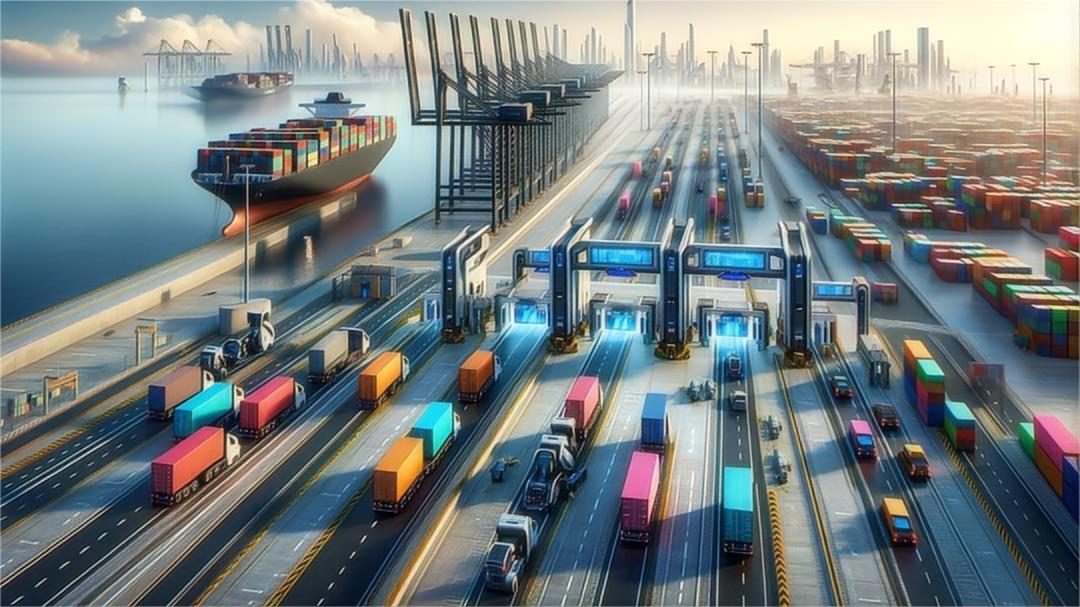
40GP FCL Tracking for Lighting from China to USA
“Importing lighting products from China to the USA requires meticulous planning and reliable execution. Managing a 40GP Full Container Load (FCL) shipment for delicate items like lighting can be complex. Understanding the entire process, especially 40GP FCL tracking for lighting from China to USA, is crucial for your business’s success and supply chain efficiency.”

Understanding 40GP FCL for Lighting Shipments
❖A 40GP (General Purpose) FCL container is a standard 40-foot container, widely used for international shipping. It provides ample space, typically around 67.7 cubic meters, making it ideal for larger volumes of goods.
Choosing FCL means your cargo occupies the entire container, offering enhanced security and direct transit. This method is particularly beneficial for businesses importing substantial quantities of lighting products, ensuring dedicated space and reduced handling.

Furthermore, FCL shipping often results in lower per-unit sea freight costs compared to Less than Container Load (LCL). It streamlines the logistics process, providing better control over your delivery schedule.

Why is Tracking Crucial for Lighting Imports from China to USA?
❖Effective shipping from China to North America demands robust tracking capabilities. Lighting products, especially delicate or high-value items, require careful monitoring throughout their journey.
Real-time tracking provides invaluable visibility into your supply chain. You can monitor your 40GP FCL lighting shipment’s progress, anticipate arrival times, and proactively manage any potential delays.
Moreover, transparency in tracking helps you inform your customers about delivery expectations accurately. This enhances customer satisfaction and helps maintain a smooth operational flow for your business.
Without doubt, precise tracking minimizes risks associated with loss, damage, or theft. It offers peace of mind, allowing you to focus on other aspects of your business while your cargo is in transit.
The FCL Shipping Process: China to USA
❖The journey of your 40GP FCL lighting shipment begins with meticulous preparation. Initially, your goods are picked up from the supplier’s factory in China, then transported to the port of loading.
At the port, your lighting products are carefully loaded into the 40GP container. Proper loading and securing are paramount to prevent damage during transit, especially for fragile items.

Subsequently, the container undergoes customs clearance in China, involving documentation checks and inspections. Once cleared, it is loaded onto a vessel for ocean transit to the USA.
Upon arrival at a US port, the container is discharged and proceeds through US customs. This phase requires accurate documentation and compliance with import regulations for electrical goods.
Finally, after customs clearance, the container is transported to its final destination within the USA. This often involves door-to-door delivery, completing the logistics chain.
Key Factors Influencing Your Shipping Costs and Transit Times
❖Several critical factors dictate the overall shipping costs and transit times for your 40GP FCL lighting from China to USA. Understanding these elements is essential for effective budget planning and supply chain management.
Firstly, the specific origin port in China and destination port in the USA significantly impact both cost and duration. Direct routes are generally faster but can be more expensive than routes involving transshipment.
Secondly, global freight rates fluctuate based on market demand, fuel surcharges, and carrier capacity. Peak seasons, such as before major holidays like Chinese New Year or during Q4, often see increased rates and extended transit times.
Moreover, the chosen shipping line and service level also play a role. Premium services might offer faster transit but at a higher price point. Insurance costs, customs duties, and local handling charges add to the total landed cost.
Lastly, unforeseen circumstances like port congestion, adverse weather, or customs delays can affect the delivery schedule. A reliable freight forwarder helps mitigate these risks through proactive communication and alternative solutions.
| Cost Factor | Impact on Price | Impact on Time | Notes |
|---|---|---|---|
| Ocean Freight Rates | High | Moderate | Fluctuates seasonally and by carrier |
| Fuel Surcharges (Bunker Adjustment Factor) | Moderate | Low | Varies with oil prices |
| Origin Charges (THC, Docs) | Moderate | Low | Terminal Handling, Documentation |
| Destination Charges (DDC, THC) | Moderate | Low | Destination Delivery, Terminal Handling |
| Customs Duties & Taxes | Variable | Low | Depends on HS code and USA tariffs |
| Insurance | Low | Low | Protects against loss/damage |
| Inland Transportation | Moderate | Low | From port to final warehouse |
How Does FCL Sea Freight Compare to Other Shipping Options?
❖When importing lighting from China to the USA, FCL sea freight is a popular choice, but other methods offer distinct advantages depending on your needs. Evaluating alternatives is key to optimizing your logistics strategy.
While sea freight costs are generally the most economical for large volumes, its transit times are considerably longer. Consequently, businesses needing rapid delivery often explore faster, albeit more expensive, options.
For instance, air freight provides significantly quicker transit, ideal for urgent or high-value lighting components. However, the cost per kilogram is substantially higher, making it unsuitable for bulk shipments.
Rail freight, while not directly available for China to USA routes, is relevant for trans-continental shipping within other regions. For this specific route, it is not a viable alternative.
Therefore, selecting the optimal shipping method involves a careful balance between speed, cost, and cargo volume. Each option presents unique trade-offs that must align with your business priorities.
| Shipping Method | Cost Range (40GP equivalent) | Transit Time (China-USA) | Best For | Limitations |
|---|---|---|---|---|
| FCL Sea Freight | $2,800 – $5,500 | 14 – 35 days | Large volumes, cost-efficiency, non-urgent | Slowest transit time |
| LCL Sea Freight | $50 – $80/CBM | 20 – 45 days | Smaller volumes (under 15 CBM), cost-effective | Longer transit, more handling, less control |
| Air Freight | $15,000 – $25,000 | 5 – 10 days | Urgent, high-value, samples, smaller shipments | Very high cost, volume/weight restrictions |
| Express Service | $500 – $2,000 | 3 – 7 days | Samples, very small packages, door-to-door | Extremely high cost for commercial quantities |
Navigating Customs and Documentation for Lighting Products
❖Successful import of lighting products via 40GP FCL from China to USA hinges on accurate customs brokerage and documentation. Incorrect paperwork can lead to significant delays and penalties.
Key documents include the Commercial Invoice, Packing List, Bill of Lading, and often a Certificate of Origin. These provide essential details about your cargo, its value, and its provenance.
Furthermore, lighting products, especially electrical fixtures, are subject to specific import regulations in the USA. Compliance with FCC, UL, and other safety standards is mandatory.
A reliable freight forwarder will assist in preparing and reviewing all necessary documents. They also ensure your products meet all regulatory requirements, preventing issues at the port of entry.
Proactive management of customs procedures minimizes the risk of your 40GP FCL lighting shipment being held up. This saves both time and money, ensuring a smoother import process.
Real-World Shipping Scenarios: Case Studies
❖These case studies illustrate the practical aspects of shipping to Amazon FBA or other warehouses, and managing 40GP FCL tracking for lighting from China to USA. They highlight common challenges and successful strategies.
Understanding these real-world examples helps businesses anticipate potential issues and plan more effectively. Each scenario offers insights into costs, timelines, and logistical considerations for lighting imports.
Case Study 1: Large Volume LED Fixtures for Retail Chain
| Detail | Value |
|---|---|
| Route | Shanghai, China Long Beach, USA |
| Cargo | LED track lighting fixtures, 60 CBM, 12,000 kg |
| Container | 40GP FCL |
| Shipping Details | Carrier: COSCO, Port of Loading: Shanghai, Port of Discharge: Long Beach, Route Type: Direct |
| Cost Breakdown (Based on Q3 2024 market rates) | |
| Ocean Freight | $3,200 |
| Origin Charges (THC, documentation) | $450 |
| Destination Charges (DDC, THC) | $700 |
| Customs & Duties (estimated) | $950 |
| Total Landed Cost | $5,300 |
| Timeline | |
| Booking to Loading | 5 days |
| Sea Transit | 16 days |
| Customs Clearance | 3 days |
| Total Door-to-Door | 28 days |
| Key Insight | Efficient direct route minimized transit time, crucial for Q4 retail stock. |
Case Study 2: Custom Architectural Lighting for Project
| Detail | Value |
|---|---|
| Route | Ningbo, China New York, USA |
| Cargo | Custom architectural lighting, 55 CBM, 10,500 kg |
| Container | 40GP FCL |
| Shipping Details | Carrier: MSC, Port of Loading: Ningbo, Port of Discharge: New York, Route Type: Transshipment via Panama |
| Cost Breakdown (Typical rates as of early 2025) | |
| Ocean Freight | $4,800 |
| Origin Charges (THC, documentation) | $500 |
| Destination Charges (DDC, THC) | $850 |
| Customs & Duties (estimated) | $1,100 |
| Total Landed Cost | $7,250 |
| Timeline | |
| Booking to Loading | 7 days |
| Sea Transit | 32 days |
| Customs Clearance | 4 days |
| Total Door-to-Door | 45 days |
| Key Insight | Transshipment route was more cost-effective but added transit days. Careful planning for project deadlines was vital. |
Case Study 3: Emergency Replacement Parts for Industrial Lighting
| Detail | Value |
|---|---|
| Route | Shenzhen, China Los Angeles, USA |
| Cargo | Industrial lighting components, 2.5 CBM, 400 kg |
| Container | LCL Sea Freight (for comparison) |
| Shipping Details | Carrier: CMA CGM (LCL service), Port of Loading: Shenzhen, Port of Discharge: Los Angeles, Route Type: Direct |
| Cost Breakdown (Based on Q1 2025 market rates) | |
| Ocean Freight | $200 (LCL) |
| Origin Charges (THC, documentation) | $150 |
| Destination Charges (CFS, DDC) | $250 |
| Customs & Duties (estimated) | $80 |
| Total Landed Cost | $680 |
| Timeline | |
| Booking to Loading | 4 days |
| Sea Transit | 18 days |
| Customs Clearance | 2 days |
| Total Door-to-Door | 28 days |
| Key Insight | While LCL was used due to smaller volume, the timeline was similar to FCL for this specific urgent scenario. This highlights the value of choosing the right service for the cargo size and urgency. |
Optimizing Your Supply Chain with a Reliable Freight Partner
❖Partnering with an experienced freight forwarder like TJ China Freight significantly enhances your ability to manage complex logistics. They provide end-to-end solutions for 40GP FCL tracking for lighting from China to USA.
A professional freight forwarder offers expertise in international regulations, customs procedures, and carrier selection. This ensures your lighting products move efficiently and compliantly across borders.
Moreover, they can provide competitive freight rates and optimized shipping routes. This helps in reducing overall shipping costs and improving delivery times for your valuable cargo.
TJ China Freight specializes in reliable tracking systems, offering real-time updates on your shipments. This transparency is vital for planning your inventory and meeting customer expectations.
Ultimately, a strong partnership with a freight forwarder empowers your business. It allows you to focus on growth while they handle the intricacies of global shipping with precision.
Which Shipping Option Should You Choose?
❖Deciding on the best shipping method for your lighting imports involves weighing several factors. Your choice will depend heavily on your specific business requirements and priorities.
If budget is your primary concern and you have large volumes of lighting, FCL sea freight is typically the most economical option. It offers the best value for money per unit.
Conversely, if speed is paramount for urgent orders or time-sensitive projects, air freight or express services are preferable. Be prepared for significantly higher costs, however.
Consider the type of lighting products you are shipping. Fragile or high-value items might benefit from FCL’s dedicated container space, reducing handling risks.
Finally, volume thresholds are crucial. For shipments under 15 CBM, LCL might be more cost-effective. For anything above that, a 40GP FCL is almost always the superior choice for efficiency and security.
Note: Freight rates are subject to change based on fuel costs, carrier capacity, and seasonal demand. Contact us for a current quote tailored to your specific shipment.
Conclusion
Effectively managing 40GP FCL tracking for lighting from China to USA is a cornerstone of successful international trade. From understanding the shipping process to navigating customs and selecting the right freight partner, every step is vital.
By focusing on transparent tracking, optimizing costs, and ensuring regulatory compliance, businesses can enhance their supply chain efficiency. A reliable freight forwarder provides the expertise and support needed to achieve these goals.
Ultimately, informed decisions and strategic partnerships will ensure your lighting products reach their destination efficiently and on schedule. This strengthens your competitive edge in the market.
Ready to streamline your logistics?
Ready to streamline your lighting imports from China to the USA? Contact TJ China Freight today for a personalized quote and expert guidance on 40GP FCL tracking for lighting. Our team is here to ensure your shipments are handled with precision and care.
Request Quote