

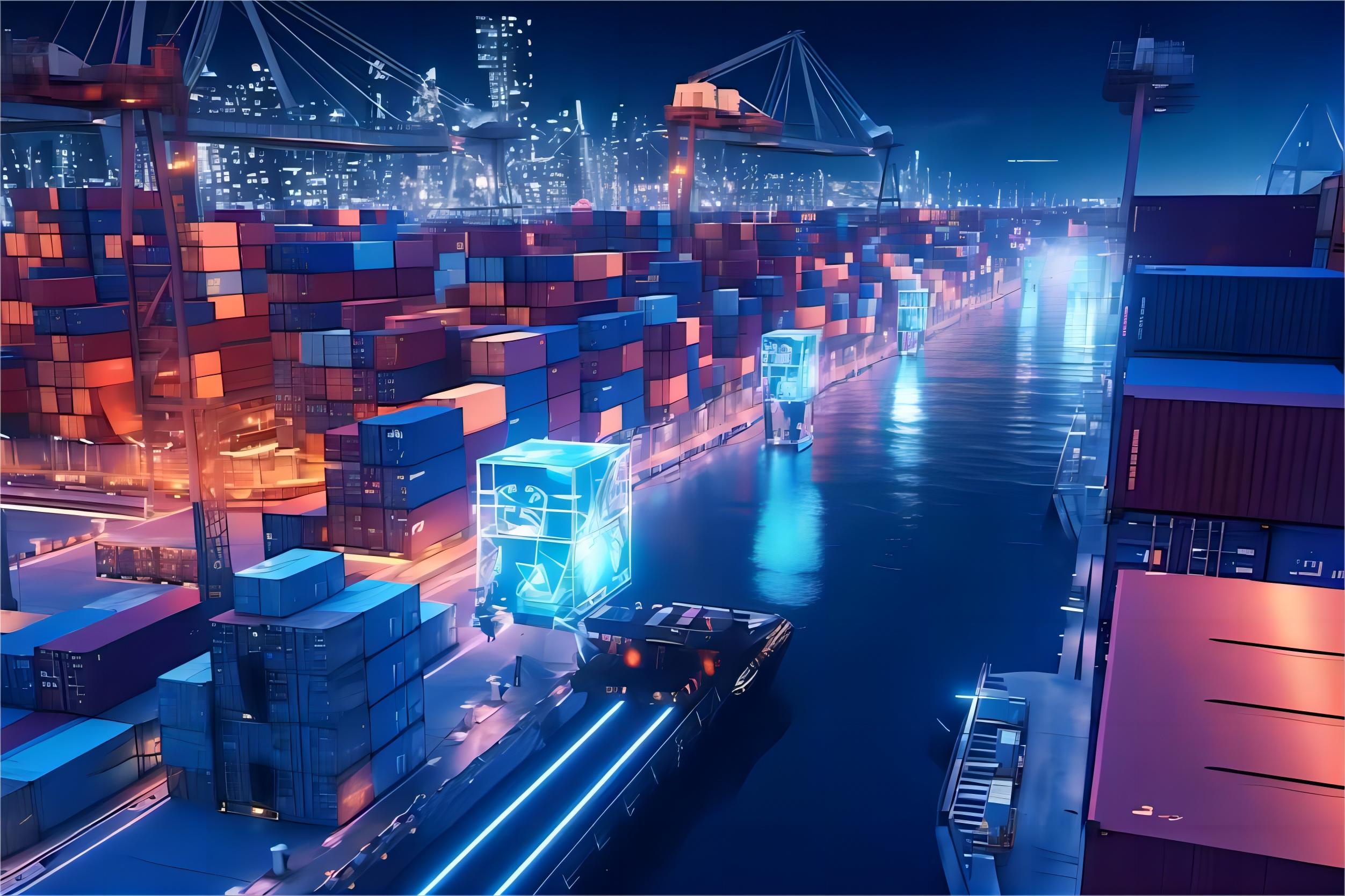
40HQ FCL Detention Prevention for Textiles from China to Poland
Managing TJ China Freight logistics requires precision, especially when handling 40HQ FCL detention prevention for textiles from China to Poland. Importers often face unexpected costs due to delays at the port or during customs inspections. Consequently, understanding the nuances of the supply chain is essential for maintaining profitability in the competitive textile market. This guide provides actionable strategies to streamline your shipping process and protect your bottom line.
What is 40HQ FCL Detention and Why Does it Matter?
Detention refers to the fees charged by carriers when a 40ft high cube container is kept by the importer outside of the port terminal beyond the agreed free time. In the context of textile shipping, these costs can escalate rapidly if the container is not returned to the empty depot promptly. Therefore, 40HQ FCL detention prevention for textiles from China to Poland must be a priority for every logistics manager.
Textiles are often high-volume goods that require the extra space provided by a 40HQ container. However, because these containers are in high demand, shipping lines strictly enforce return deadlines. If your warehouse in Poland is backed up, you might find yourself paying hundreds of dollars per day in avoidable fees. Indeed, proactive planning is the only way to mitigate these financial risks effectively.
Standard free time for detention usually ranges from 7 to 14 days, depending on your contract with the carrier. Meanwhile, transit times and local congestion can eat into this window before the container even reaches your facility. Consequently, businesses must negotiate better terms and optimize their offloading processes to ensure the container is returned within the allocated timeframe.

Common Causes of Textile Shipping Delays from China to Poland
Several factors contribute to delays that trigger detention charges for textile shipments. For instance, incorrect HS code for textiles on commercial invoices often leads to intensive customs inspections. Additionally, seasonal peaks in the textile industry can overwhelm Polish ports like Gdansk and Gdynia, slowing down the release of cargo.
Logistics efficiency often suffers when there is a lack of communication between the Chinese supplier and the Polish consignee. If the documentation is not sent in advance, the customs clearance in Poland will be delayed, leaving the container sitting idle. Furthermore, labor shortages at European warehouses can prevent the quick unloading of 40ft high cube container dimensions filled with tightly packed fabric rolls.
Weather conditions along the sea route or technical issues at transshipment hubs can also disrupt the delivery schedule. Although you cannot control the weather, you can control how you respond to these delays. By maintaining a buffer in your schedule and having a reliable freight forwarder China to Poland, you can navigate these challenges without incurring heavy detention penalties.
How Does Sea Freight Compare to Other Shipping Options?
While sea freight is the most common method for transporting textiles, it is not the only option available for the China to Poland route. Each method has unique cost structures and transit times that impact your detention risk. For example, rail freight has become a popular alternative due to its balance of speed and cost.
Sea freight offers the lowest shipping costs from China to Poland for large volumes, but it also has the longest transit time. This long duration increases the likelihood of port congestion affecting your container turnaround time. On the other hand, air freight is significantly faster but usually cost-prohibitive for bulk textile orders unless they are urgent samples.
According to industry benchmarks, choosing the right method depends on your specific budget and timeline. Below is a comparison of the primary shipping methods used for this trade lane as of early 2025.
| Shipping Method | Cost Range (40HQ) | Transit Time | Best For |
|---|---|---|---|
| Sea Freight | $3,000 – $4,200 | 35 – 45 Days | Bulk textile orders |
| Rail Freight | $4,500 – $6,200 | 18 – 24 Days | Mid-range urgency |
| Air Freight | $15,000 – $25,000 | 5 – 8 Days | High-value samples |
| Road Freight | $8,000 – $11,000 | 15 – 20 Days | Door-to-door speed |

Strategic Documentation for Seamless Customs Brokerage
Successful customs brokerage is the backbone of 40HQ FCL detention prevention for textiles from China to Poland. Textiles are subject to specific import regulations Poland, including rules of origin and textile-specific labeling requirements. Therefore, ensuring all paperwork is flawless before the ship docks is non-negotiable.
Importers must provide a detailed packing list, commercial invoice, and Bill of Lading. In addition, a Certificate of Origin may be required to benefit from preferential tariff rates. If these documents contain even minor errors, the Polish customs authorities may hold the container for an extended period, leading to both demurrage and detention fees.
To avoid these issues, work closely with your supplier to verify all descriptions and quantities. Moreover, utilizing digital documentation platforms can speed up the transmission of files to your broker. Consequently, the clearance process can often begin while the vessel is still at sea, allowing for immediate pickup upon arrival at the port.
Which Option Should You Choose for Textile Logistics?
Deciding on the best shipping strategy requires a clear decision framework based on your business priorities. If your primary goal is minimizing ocean freight rates 2025, sea freight remains the king. However, if you are facing a tight deadline for a seasonal fashion launch, rail freight offers a faster alternative that still accommodates FCL shipments.
Consider the volume of your cargo when making this choice. For shipments that do not fill a 40HQ, LCL might seem cheaper, but FCL provides better security and faster handling for delicate textiles. Without a doubt, the choice of method directly influences your ability to manage container turnaround time and avoid detention.
For most textile importers in Poland, a hybrid approach works best. Use sea freight for your core inventory and rail or air for high-demand items or restocks. This diversification protects your textile supply chain management from being overly dependent on a single route that might experience sudden congestion.
Case Study 1: Successful 40HQ Textile Delivery to Lodz
Case Study 01: Efficient Textile Transit. Route: Ningbo, China to Lodz, Poland. Cargo: Synthetic Fabrics, 68 CBM, 18,500 kg. Container: 40HQ FCL. Carrier: Major Ocean Carrier. Port of Loading: Ningbo. Port of Discharge: Gdansk. Route Type: Direct Sea Freight.
Cost Breakdown: Ocean Freight: $3,450. Origin Charges: $420. Destination Charges: $550. Customs and Duties: $1,200. Total Landed Cost: $5,620. Timeline: Booking to Loading: 4 days. Sea Transit: 38 days. Customs Clearance: 2 days. Total Door-to-Door: 44 days.
Key Insight: The importer utilized pre-clearance strategies, allowing the container to be picked up within 24 hours of discharge. By having a dedicated trucking team ready, the container was unloaded in Lodz and returned to the depot in 3 days, well within the 10-day free time window. As a result, no detention fees were incurred despite a busy port season.
Case Study 2: Managing Peak Season Congestion at Gdansk
Case Study 02: Overcoming Peak Season Delays. Route: Shanghai, China to Warsaw, Poland. Cargo: Finished Garments, 65 CBM, 12,000 kg. Container: 40HQ FCL. Carrier: Premium Rail Service. Port of Loading: Shanghai (Rail Terminal). Port of Discharge: Malaszewicze (Land Port). Route Type: Rail Freight.
Cost Breakdown: Rail Freight: $5,100. Origin Charges: $350. Destination Charges: $480. Customs and Duties: $2,800. Total Landed Cost: $8,730. Timeline: Booking to Loading: 6 days. Rail Transit: 20 days. Customs Clearance: 3 days. Total Door-to-Door: 29 days.
Key Insight: During the Q4 peak season, sea ports were heavily congested. The importer chose rail freight to ensure a predictable delivery schedule. Although the freight cost was higher, the faster transit time allowed for quicker inventory turnover. Furthermore, the land port of Malaszewicze offered 14 days of free time, providing ample cushion for final delivery to Warsaw.

Essential Tips for 40HQ FCL Detention Prevention for Textiles
To master 40HQ FCL detention prevention for textiles from China to Poland, you must be proactive. First, always negotiate for extended free time at the destination when booking your shipment. Many carriers are willing to offer 14 or even 21 days if you have consistent volume. Additionally, ensure your warehouse is ready to receive the cargo the moment it clears customs.
Second, use a door to door service to centralize responsibility. When one provider manages the entire chain, there is less chance of communication breakdowns that lead to containers sitting idle. Meanwhile, keep a close eye on Poland import duties and tax changes to avoid financial surprises at the border.
Third, invest in tracking technology to monitor your container’s progress in real-time. Knowing exactly when the ship will dock allows you to coordinate with truckers and warehouse staff more effectively. Consequently, you can minimize the time the container spends in your possession, ensuring a swift return to the carrier and zero detention charges.
Final Thoughts on Preventing Detention for Poland Textile Imports
In conclusion, 40HQ FCL detention prevention for textiles from China to Poland is achieved through a combination of early documentation, choosing the right shipping method, and efficient local logistics. By understanding the causes of delays and implementing the strategies discussed, you can significantly reduce your shipping costs from China to Poland.
Reliable partners and clear communication are the most valuable assets in your supply chain. Whether you choose sea, rail, or air, staying informed about market trends and logistics efficiency tips will keep your business competitive. Start optimizing your textile imports today to avoid unnecessary fees and ensure timely delivery to your customers in Europe.
Ready to streamline your logistics?
To ensure your textile business remains profitable, implementing 40HQ FCL detention prevention for textiles from China to Poland is a critical step. Our team is ready to streamline your logistics and minimize overhead costs. Contact TJ China Freight today for a customized quote and expert guidance on your next shipment. Visit our website to learn more about our comprehensive shipping solutions. Send Inquiry: [email protected]
Request Quote