

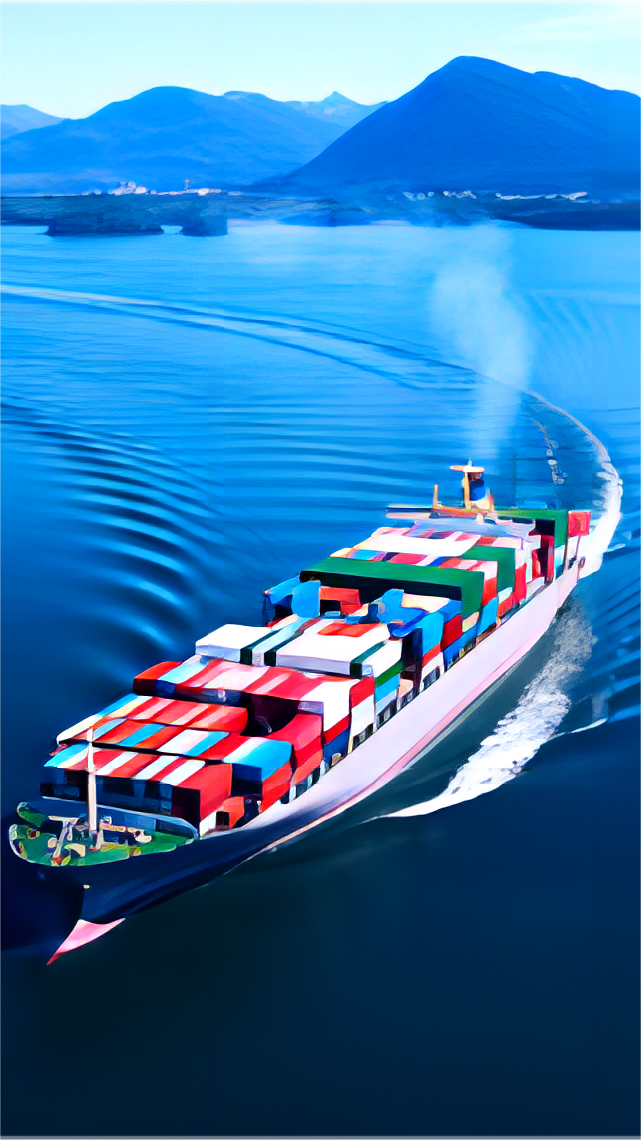
40GP FCL Transit Time for Electronics from China to Europe: A Comprehensive Guide
Shipping electronics from China to Europe via 40GP FCL presents unique challenges and opportunities. Understanding the transit time is crucial for effective supply chain planning and inventory management. This guide will explore the factors influencing these shipping durations and how to streamline your logistics with TJ China Freight.

Understanding 40GP FCL Shipping for Electronics
A 40GP FCL, or 40-foot General Purpose Full Container Load, refers to a shipping method where a single consignee utilizes an entire 40-foot container. This option is ideal for larger volumes of goods, particularly sensitive electronics that benefit from dedicated space.
Choosing FCL offers several advantages, including enhanced security for valuable electronics and reduced risk of damage. Moreover, it often proves more cost-effective per unit compared to Less than Container Load (LCL) shipments for substantial cargo volumes. Therefore, businesses frequently opt for FCL when shipping significant quantities.
Why Electronics Require Special Handling
Electronics are delicate and often high-value items, necessitating careful handling throughout the entire transit process. They are susceptible to temperature fluctuations, humidity, and physical shocks, which can lead to costly damage. Proper packaging and environmental control are paramount.
Furthermore, these goods frequently contain lithium-ion batteries, which are classified as dangerous goods. Consequently, strict regulations apply to their transportation, requiring specialized declarations and adherence to international shipping standards. Compliance is essential for avoiding delays and penalties.
Key Factors Influencing Transit Time
Several critical factors impact the 40GP FCL transit time for electronics from China to Europe. These include the specific ports of origin and destination, the chosen shipping line, and whether the route is direct or involves transshipment. Each element plays a significant role.
Additionally, seasonal demand, port congestion, and unforeseen events like adverse weather or geopolitical disruptions can cause delays. Understanding these variables helps in setting realistic delivery expectations and planning for potential contingencies.
Typical 40GP FCL Transit Times from China to Europe
The standard 40GP FCL transit time for electronics from China to Europe typically ranges from 28 to 45 days. This duration encompasses the sea voyage, port handling at both ends, and often includes customs clearance processes. However, this is an average, and specific routes may vary.
For instance, shipments to Western European ports like Rotterdam or Hamburg might be quicker than those to more distant destinations or ports with less frequent direct sailings. Therefore, route optimization is a key consideration for efficient delivery schedules.
Major Ports and Routes
Key Chinese ports for electronics exports include Shanghai, Ningbo, Shenzhen, and Guangzhou. These ports offer extensive connections to major European hubs. Prominent European destination ports often include Rotterdam (Netherlands), Hamburg (Germany), Felixstowe (UK), and Valencia (Spain).
Direct services between these major ports offer the fastest transit times. However, transshipment routes, often via hubs in Southeast Asia or the Middle East, can extend the journey by several days. Planning involves balancing speed with potential cost savings.
Seasonal Fluctuations and Market Conditions
Freight rates and transit times are significantly affected by seasonal demand. Peak seasons, such as before major holidays like Chinese New Year or the Christmas shopping period (August to October), often lead to increased rates and potential delays due to port congestion. Booking early is advisable.
As of Q1 2025, freight rates from China to Europe have stabilized after the 2024 Red Sea disruptions, but capacity management remains crucial. Market data suggests slight rate increases during peak periods are still expected. Always confirm current conditions with your freight forwarder.
How Does Sea Freight Compare to Other Shipping Options?
While sea freight is the most common method for 40GP FCL electronics, it is not the only option. Businesses must weigh cost, speed, and cargo type when making logistics decisions. Considering alternatives can optimize your supply chain strategy.
Each shipping method offers distinct advantages and limitations. Understanding these differences helps in selecting the most appropriate solution for various business needs and supply chain requirements.
| Shipping Method | Cost Range (40GP equivalent) | Transit Time (China-Europe) | Best For | Limitations |
|---|---|---|---|---|
| Sea Freight (FCL) | $2,800 – $4,200 | 28 – 45 days | Large volumes, cost-efficiency, non-urgent | Slowest, susceptible to port congestion |
| Rail Freight (FCL) | $6,000 – $9,000 | 18 – 25 days | Medium urgency, balanced cost/speed, inland destinations | Limited routes, capacity can be tight |
| Air Freight (LCL/Pallet) | $15,000 – $25,000 (for comparable volume) | 3 – 7 days | High value, urgent, small volume | Most expensive, not ideal for full containers |

Air Freight: Speed vs. Cost
Air freight provides the fastest transit times, typically 3-7 days from China to Europe. This method is ideal for urgent, high-value, or time-sensitive electronics shipments. However, it comes with a significantly higher cost.
For example, while sea freight for a 40GP container might cost $2,800-$3,800, air freight for a similar volume (though usually less) could cost $15,000-$25,000. This makes air freight suitable for smaller, critical consignments, not typically for full container loads.
Rail Freight: The Middle Ground
Rail freight offers a balance between sea and air, with transit times ranging from 18-25 days from China to Europe. It is faster than sea freight and considerably more economical than air freight, especially for landlocked European destinations.
This option is growing in popularity for electronics, providing a reliable and environmentally friendlier alternative. It mitigates some risks of ocean shipping while still offering competitive rates for many businesses. Rail freight is a strong contender for various cargo types.
Hybrid Solutions and Their Benefits
Hybrid solutions, such as sea-air or rail-sea combinations, can offer optimized transit times and costs. For instance, shipping by sea to a Middle Eastern hub then airfreighting to Europe can cut overall transit time while managing costs. This flexibility improves supply chain resilience.
These integrated approaches are particularly useful for unexpected demand surges or when traditional methods face disruptions. Exploring such innovative logistics trends can provide a competitive edge in managing the delivery schedule.
Optimizing Your Electronics Supply Chain
Effective supply chain management is crucial for minimizing costs and ensuring the timely delivery of electronics. Strategic planning and partnering with experienced professionals can significantly enhance efficiency. This includes careful consideration of every logistics step.
Adopting a proactive approach to logistics can help mitigate potential disruptions and improve overall operational performance. Consequently, businesses can achieve greater reliability and customer satisfaction.
Choosing the Right Freight Forwarder
Selecting a reputable freight forwarder with expertise in electronics and China-Europe routes is paramount. They can offer valuable insights into logistics trends, navigate complex customs regulations, and provide competitive freight rates. Their network is invaluable.
A good partner also offers comprehensive services like customs brokerage, ensuring smooth documentation and compliance. They can advise on packaging, insurance, and route optimization, thereby protecting your valuable cargo.
Customs Clearance and Documentation for Europe
Efficient customs clearance is vital for preventing delays at European borders. Electronics shipments require precise documentation, including commercial invoices, packing lists, certificates of origin, and often specific declarations for batteries or restricted components.
Incorrect or incomplete paperwork can lead to significant hold-ups and additional costs. Therefore, working with a freight forwarder who understands EU import regulations and can manage the entire process seamlessly is highly recommended. This expertise ensures compliance and speed.
Cost-Saving Strategies for 40GP FCL
To reduce shipping costs for 40GP FCL electronics, consider consolidating multiple orders into one shipment. Negotiating long-term contracts with carriers can also secure better rates. Furthermore, optimizing container loading maximizes space utilization, lowering per-unit costs.
Planning shipments outside of peak seasons can also yield significant savings. Additionally, exploring different incoterms can shift responsibilities and costs, potentially leading to a more favorable overall landed cost. Every detail contributes to financial efficiency.
Real-World Case Studies: 40GP FCL Electronics Shipments
Examining real-world scenarios provides practical insights into the complexities and solutions for shipping electronics from China to Europe. These examples highlight typical transit times, costs, and common challenges. Each case illustrates different aspects of logistics planning.
These case studies, based on Q3 2024 market rates, demonstrate how various factors influence the overall shipping experience. They offer a tangible perspective on managing valuable cargo across continents.
Case Study 1: High-Volume Consumer Electronics
This case involved a major retailer shipping consumer electronics for seasonal sales. Optimizing the 40GP FCL transit time was critical for meeting market demand. Careful planning ensured timely arrival despite peak season pressures.
| Detail | Description |
|---|---|
| Route | Shanghai, China -> Rotterdam, Netherlands |
| Cargo | Smartphones & Accessories, 65 CBM, 12,000 kg |
| Container | 40GP FCL |
| Shipping Details | Carrier: Maersk, Port of Loading: Shanghai, Port of Discharge: Rotterdam, Route Type: Direct |
| Cost Breakdown | Ocean Freight: $3,500; Origin Charges: $450; Destination Charges: $380; Customs & Duties (est.): $1,200; Total Landed Cost: $5,530 |
| Timeline | Booking to Loading: 5 days; Sea Transit: 28 days; Customs Clearance: 3 days; Total Door-to-Door: 36 days |
| Key Insight | Early booking during pre-peak season secured optimal rates and avoided congestion. Effective communication with carrier was crucial. |

Case Study 2: Sensitive Industrial Components
A manufacturer needed to ship delicate industrial electronic components requiring strict environmental control. The priority was cargo safety and reliable delivery, even if it meant a slightly longer transit time. Specialized handling was arranged.
| Detail | Description |
|---|---|
| Route | Shenzhen, China -> Hamburg, Germany |
| Cargo | Industrial Control Units, 58 CBM, 10,500 kg |
| Container | 40GP FCL |
| Shipping Details | Carrier: COSCO, Port of Loading: Shenzhen, Port of Discharge: Hamburg, Route Type: Transshipment via Singapore |
| Cost Breakdown | Ocean Freight: $3,100; Origin Charges: $400; Destination Charges: $350; Customs & Duties (est.): $1,050; Total Landed Cost: $4,900 |
| Timeline | Booking to Loading: 7 days; Sea Transit: 35 days; Customs Clearance: 4 days; Total Door-to-Door: 46 days |
| Key Insight | Choosing a transshipment route offered cost savings but added a week to transit. Robust packaging and insurance were essential for sensitive cargo. |
Case Study 3: Time-Sensitive Product Launch
For a new product launch, a tech company needed to balance cost and speed for its initial stock of wearables. A combination of sea and rail freight was considered to meet tight deadlines. This hybrid approach proved effective for the launch strategy.
| Detail | Description |
|---|---|
| Route | Ningbo, China -> Duisburg, Germany (via rail from Poland) |
| Cargo | Wearable Devices, 50 CBM, 9,000 kg |
| Container | 40GP FCL |
| Shipping Details | Carrier: Major Carrier (Sea to Malaszewicze, Rail to Duisburg), Port of Loading: Ningbo, Port of Discharge: Duisburg, Route Type: Sea-Rail Combined |
| Cost Breakdown | Ocean/Rail Freight: $7,500; Origin Charges: $500; Destination Charges: $400; Customs & Duties (est.): $1,500; Total Landed Cost: $9,900 |
| Timeline | Booking to Loading: 6 days; Sea/Rail Transit: 22 days; Customs Clearance: 3 days; Total Door-to-Door: 31 days |
| Key Insight | The sea-rail combination provided a faster alternative to pure sea freight, crucial for the product launch. This balanced speed and cost effectively. Note: Freight rates are subject to change based on fuel costs, carrier capacity, and seasonal demand. Contact us for a current quote tailored to your specific shipment. |
Which Option Should You Choose? A Decision Framework
Selecting the optimal shipping method for your electronics depends heavily on your specific business priorities. A structured decision framework can help streamline this process. Consider your budget, urgency, and cargo characteristics carefully.
This approach ensures that logistics choices align with overall business objectives and supply chain requirements. Therefore, strategic decision-making is vital for efficient operations.
Prioritizing Budget
If cost-effectiveness is your primary concern, sea freight via 40GP FCL is generally the most economical option. It offers the lowest per-unit cost for large volumes of electronics. This method is suitable for non-urgent inventory replenishment.
For shipments under 15 CBM, LCL at $50-80/CBM may be more economical than a full container, but it involves longer transit times and potential handling risks. Always compare total landed costs.
Prioritizing Speed
When speed is critical for time-sensitive electronics, air freight is the undisputed choice, despite its higher cost. For a balance of speed and cost, rail freight presents a compelling alternative. It significantly cuts down transit time compared to sea.
Consider express services for very small, urgent parcels. However, for 40GP FCL, air is typically reserved for extreme urgency, while rail offers a practical mid-range solution for faster delivery schedules.

Cargo Type and Volume Thresholds
For high-value, fragile, or lithium-battery-laden electronics, FCL sea or rail freight offers dedicated container space and enhanced security. This minimizes handling and potential damage risks. Proper cargo handling is essential.
If your volume consistently fills a 40GP container, FCL is almost always more efficient than LCL. However, for smaller, irregular shipments, LCL might be considered, though it increases transit time and risk. Volume thresholds guide cost-effective choices.
Managing Risks and Ensuring Smooth Delivery
Proactive risk management is indispensable for safeguarding valuable electronics during transit. Identifying potential pitfalls and implementing mitigation strategies can prevent costly delays and damages. A robust plan ensures supply chain resilience.
Indeed, a comprehensive approach to logistics includes planning for contingencies and securing your investment. This foresight contributes significantly to smooth and reliable delivery.
Insurance and Cargo Protection
Given the high value of electronics, comprehensive cargo insurance is a non-negotiable safeguard. It protects against losses due to damage, theft, or unforeseen accidents during the long journey. Always review policy details carefully.
Furthermore, ensure proper packaging, including anti-static materials, shock-absorbing foam, and humidity control, to protect sensitive components. These measures are crucial for preserving the integrity of your products. Investing in protection pays dividends.
Monitoring and Tracking Shipments
Utilizing advanced tracking systems provided by your freight forwarder allows for real-time visibility of your 40GP FCL electronics. This transparency helps in anticipating potential delays and communicating effectively with stakeholders. Monitoring enhances control.
Regular updates on vessel position and estimated arrival times are invaluable for managing inventory and production schedules. This proactive approach minimizes uncertainty and improves overall operational planning.
Contingency Planning and Door to Door Services
Developing contingency plans for potential disruptions, such as port strikes or customs issues, is vital. This might involve identifying alternative routes or having backup carriers. Flexibility is a key asset in international logistics.
Opting for door-to-door services can significantly simplify the logistics process. This service manages the entire journey from your factory in China to your warehouse in Europe, streamlining operations and reducing administrative burden. It offers peace of mind.
Conclusion
Navigating the 40GP FCL transit time for electronics from China to Europe requires careful planning and expert partnership. By understanding the influencing factors, exploring alternative shipping methods, and leveraging professional logistics services, businesses can optimize their supply chains. Ultimately, this leads to efficient, cost-effective, and reliable delivery of valuable electronic goods.
Partnering with an experienced freight forwarder is crucial for mastering international shipping complexities. This collaboration ensures your electronics reach their destination efficiently and securely, reinforcing your overall supply chain resilience.
Ready to streamline your logistics?
Ready to streamline your electronics shipments from China to Europe? Contact TJ China Freight today for a personalized quote and expert guidance. Our team is prepared to help you navigate the complexities of 40GP FCL transit time and ensure timely delivery.
Request Quote