

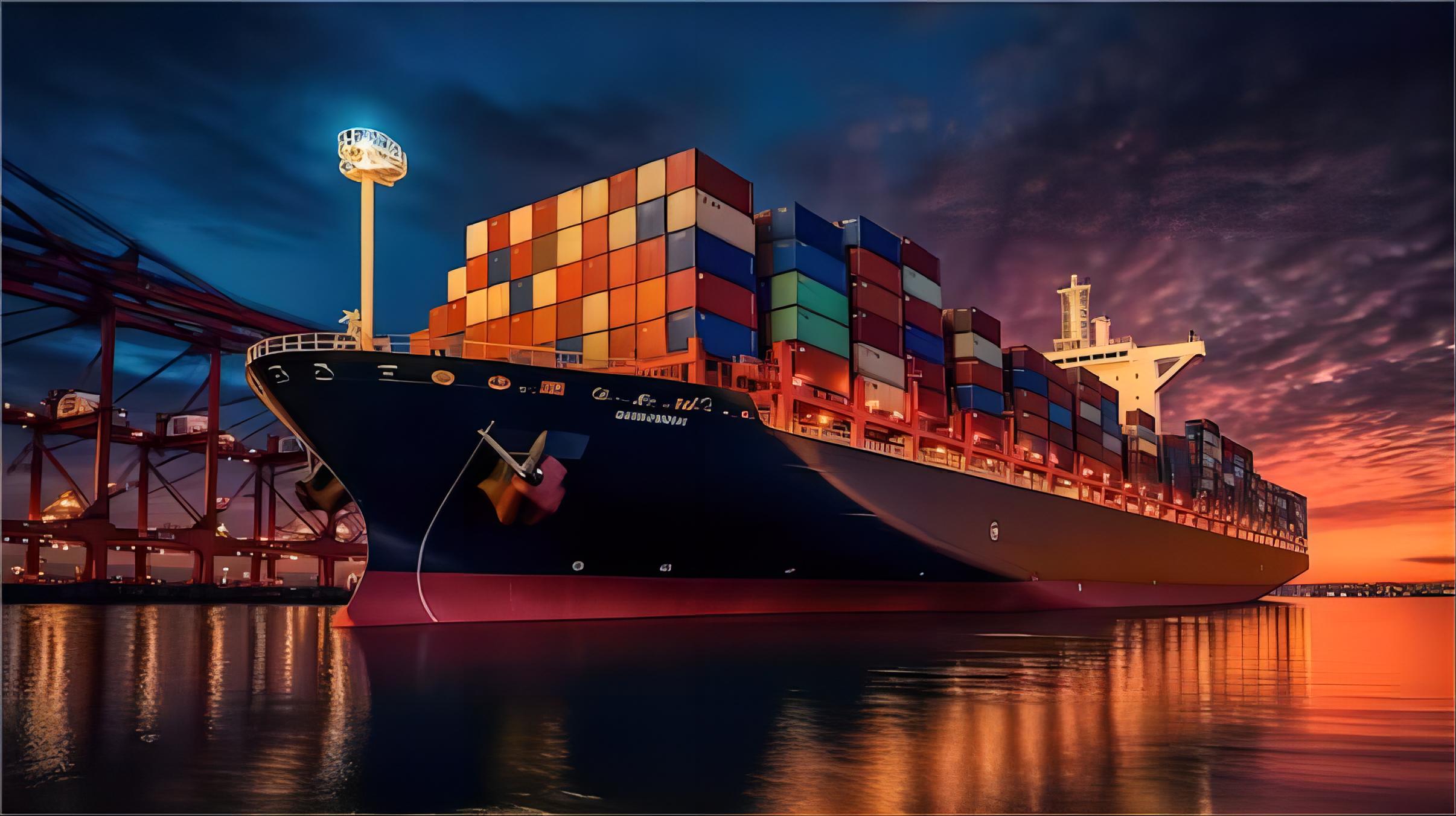
40GP FCL sailing schedule for solar panels from China to Denmark
Managing a 40GP FCL sailing schedule for solar panels from China to Denmark requires precise coordination to ensure renewable energy projects stay on track. Importers often face challenges with fluctuating container availability and changing maritime routes that impact arrival dates. By partnering with TJ China Freight, businesses gain access to reliable data and streamlined logistics solutions tailored for the Danish market. This guide provides a comprehensive overview of current shipping timelines and strategic advice for your photovoltaic cargo.

What is the 40GP FCL sailing schedule for solar panels from China to Denmark?
A 40GP FCL sailing schedule for solar panels from China to Denmark outlines the specific departure and arrival dates for 40-foot General Purpose containers. These schedules are vital for project managers who must coordinate site installations with the arrival of equipment. Most major carriers provide weekly departures from primary Chinese hubs like Shanghai and Ningbo.
Choosing sea freight ensures that large volumes of solar modules are transported safely within a dedicated container environment. Full Container Load (FCL) shipments offer better security compared to shared loads because the container remains sealed from the point of origin to the final destination. This method significantly reduces the risk of micro-cracks in sensitive solar cells during handling.
Schedules typically include several key milestones such as the estimated time of departure (ETD) and the estimated time of arrival (ETA). Furthermore, these timelines account for transshipment stops in major hubs like Singapore or Colombo before the vessel enters European waters. Consequently, understanding these intervals helps importers manage their inventory levels and avoid costly downtime at construction sites.
Maritime logistics trends in 2025 suggest a focus on reliability despite global supply chain shifts. Carriers are optimizing their loops to provide more consistent service to Northern European ports. Therefore, staying updated with real-time schedule changes is essential for maintaining a competitive edge in the Danish renewable energy sector.
How Long Does 40GP FCL Shipping Take from China to Denmark?
Transit times for a 40GP FCL from China to Denmark usually range between 35 and 50 days depending on the specific route and carrier. Direct services are rare for this specific lane, so most shipments involve at least one transshipment point. For example, a vessel might stop at Rotterdam or Hamburg before a feeder ship carries the container to Aarhus or Copenhagen.
Weather conditions and seasonal demand can influence the actual duration of the voyage significantly. During the peak season from August to October, port congestion in China may add several days to the initial departure. Meanwhile, winter storms in the North Sea can occasionally delay the final leg of the journey into Danish ports.
Importers should also factor in the time required for pre-carriage activities and port operations. Typically, it takes about 3 to 5 days to load the container at the factory and complete export customs in China. After the ship arrives in Denmark, another 2 to 4 days are needed for discharge and local delivery to the warehouse.
| Origin Port | Destination Port | Average Transit Time | Service Type |
|---|---|---|---|
| Shanghai | Copenhagen | 38-42 Days | Transshipment |
| Ningbo | Aarhus | 35-40 Days | Direct/Feeder |
| Shenzhen | Fredericia | 42-48 Days | Transshipment |
| Qingdao | Copenhagen | 45-52 Days | Transshipment |
How Does 40GP FCL Compare to Other Shipping Options?
Comparing different transport methods is crucial for optimizing your supply chain budget and speed. While a 40GP FCL is the standard for solar panels, rail freight offers a faster alternative for time-sensitive projects. Rail transit can reduce the journey to approximately 18 to 22 days, though it comes at a higher price point.
Air freight remains the fastest option but is generally cost-prohibitive for bulk solar panel shipments. It is best reserved for urgent replacement parts or small-scale prototype modules. On the other hand, sea freight provides the most economical balance for large-scale utility projects where volume is high and margins are tight.
Hybrid solutions like sea-air combinations are occasionally used to bypass regional bottlenecks. However, for the China-Denmark route, the most common alternative to FCL is Less than Container Load (LCL) shipping. LCL is suitable for smaller shipments under 15 cubic meters, but it increases the risk of damage due to additional handling.
| Method | Cost Range (USD) | Transit Time | Best For |
|---|---|---|---|
| Sea FCL (40GP) | $3,200 – $4,800 | 35-45 Days | Bulk Orders |
| Rail Freight | $5,500 – $8,000 | 18-25 Days | Mid-Urgency |
| Air Freight | $15,000+ | 5-8 Days | Emergency Parts |
| Sea LCL | $80 – $150/CBM | 40-50 Days | Small Batches |

Which Ports Offer the Best Sailing Schedule for Solar Panels?
Selecting the right departure port in China can influence both the cost and the reliability of your sailing schedule. Shanghai and Ningbo are the world’s busiest ports and offer the highest frequency of departures to Europe. These hubs have advanced infrastructure specifically designed for handling heavy palletized cargo like solar modules.
Shenzhen and Guangzhou are excellent choices for factories located in Southern China. These ports provide competitive rates and access to a wide variety of carriers. Additionally, the proximity to major solar manufacturing clusters in Guangdong province reduces inland trucking costs and potential delays before the cargo reaches the pier.
In Denmark, the port of Aarhus serves as the primary gateway for containerized goods. It features modern facilities and efficient rail connections to the rest of the Jutland peninsula. Copenhagen Malmo Port is also a significant destination, particularly for projects located on the island of Zealand or near the capital region.
What Factors Affect the 40GP FCL Sailing Schedule?
Several external variables can disrupt even the most carefully planned sailing schedule. Port congestion remains a primary concern, especially during global trade surges or labor strikes. When major transshipment hubs like Rotterdam become backed up, feeder services to Denmark are often the first to experience delays.
Fuel prices and environmental regulations also play a role in how carriers manage their fleets. To reduce emissions, many shipping lines have adopted slow-steaming practices. Consequently, while this reduces the carbon footprint of your solar panels, it adds several days to the total transit time compared to historical averages.
Geopolitical events can force vessels to take longer routes, such as bypassing the Suez Canal in favor of the Cape of Good Hope. This change can add 10 to 14 days to the journey and significantly increase fuel surcharges. Therefore, importers must maintain flexible timelines and carry safety stock to mitigate these unpredictable risks.
What Documentation is Needed for Importing Solar Panels to Denmark?
Navigating the legal requirements for Danish imports is essential to avoid port storage fees and customs delays. A professional customs brokerage service can ensure all paperwork is compliant with European Union regulations. The primary documents include the Bill of Lading, Commercial Invoice, and a detailed Packing List.
Solar panels specifically require a Certificate of Origin to determine eligibility for preferential tariff treatments. Furthermore, importers must provide technical specifications and CE marking documentation to prove compliance with EU safety standards. Denmark also requires an EORI number for all businesses engaging in international trade.
Anti-dumping duties were previously a major concern for Chinese solar panels in Europe. While many of these measures have expired or been modified, it is vital to check the current TARIC codes for any active trade defense measures. Accuracy in declaring the value of the goods is also critical to ensure correct VAT calculation upon entry.

Case Studies: Solar Panel Shipments to Denmark
Real-world examples illustrate how different logistics strategies impact the success of solar panel imports. These cases reflect typical scenarios encountered by Danish businesses during the 2024-2025 period. Using a door to door service often simplifies these complex movements by consolidating all costs into a single quote.
Case Study 1: High-Volume Utility Project. A Danish energy developer imported 50 40GP containers from Ningbo to Aarhus. By booking six weeks in advance, they secured a stable sailing schedule and avoided a mid-month rate hike. The total transit time was 38 days, and the project remained on schedule despite minor weather delays in the North Sea.
Case Study 2: Urgent Residential Supply. A local distributor needed 5 containers of high-efficiency modules for a residential rollout. Due to a factory delay, they opted for a premium carrier with a direct feeder connection. Although the freight cost was 15% higher, the cargo arrived in 34 days, allowing them to meet their installation deadlines without penalty.
Case Study 1: Ningbo to Aarhus Utility Shipment
Route: Ningbo, China to Aarhus, Denmark. Cargo: Monocrystalline Solar Panels, 1,200 CBM. Container: 40GP FCL (Multiple units).
Shipping Details: Carrier: Maersk. Port of Loading: Ningbo. Port of Discharge: Aarhus. Route Type: Transshipment via Bremerhaven.
Cost Breakdown: Ocean Freight: $3,850 per unit. Origin Charges: $450. Destination Charges: $600. Total Landed Cost: $4,900 per container. Timeline: 42 days door-to-door.
Key Insight: Early booking during the Q2 slack season allowed the client to lock in lower rates before the Q3 peak.
Case Study 2: Shanghai to Copenhagen Distribution
Route: Shanghai, China to Copenhagen, Denmark. Cargo: Solar Inverters and Panels, 65 CBM. Container: 40GP FCL.
Shipping Details: Carrier: MSC. Port of Loading: Shanghai. Port of Discharge: Copenhagen. Route Type: Transshipment via Antwerp.
Cost Breakdown: Ocean Freight: $4,100. Origin Charges: $500. Destination Charges: $750. Total Landed Cost: $5,350. Timeline: 39 days door-to-door.
Key Insight: Using a single carrier for both panels and inverters simplified the customs clearance process in Denmark.
How to Optimize Your Solar Supply Chain
Efficiency in solar logistics starts with accurate forecasting and strong communication with your freight forwarder. Importers should share their production schedules early to allow for better vessel space allocation. Moreover, palletizing panels specifically for 40GP dimensions maximizes the utilization of the container volume.
Monitoring market intelligence regarding freight rates and carrier capacity is another essential strategy. Rates typically increase 15-25% during August-October peak season, so shipping outside these windows can yield significant savings. Furthermore, diversifying your origin ports can provide alternatives if one hub becomes congested.
Note: Freight rates are subject to change based on fuel costs, carrier capacity, and seasonal demand. Contact us for a current quote tailored to your specific shipment.
Summary of 40GP FCL Shipping to Denmark
Successfully navigating the 40GP FCL sailing schedule for solar panels from China to Denmark involves understanding transit times, port options, and regulatory requirements. While the standard sea route takes approximately 40 days, factors like port congestion and seasonal demand can influence the final arrival date.
Choosing the right logistics partner is the most effective way to manage these complexities and ensure the safety of your photovoltaic modules. By utilizing FCL services, businesses can protect their investment and maintain the integrity of their solar supply chain. Start planning your shipment today to take advantage of current market rates and reliable sailing windows.

Ready to streamline your logistics?
Planning your next solar project requires a dependable 40GP FCL sailing schedule for solar panels from China to Denmark. Our team at TJ China Freight specializes in renewable energy logistics, ensuring your cargo arrives safely and on time. Reach out today to receive a customized quote and expert guidance for your import needs. Visit our website to learn more about our comprehensive shipping services.
Request Quote