

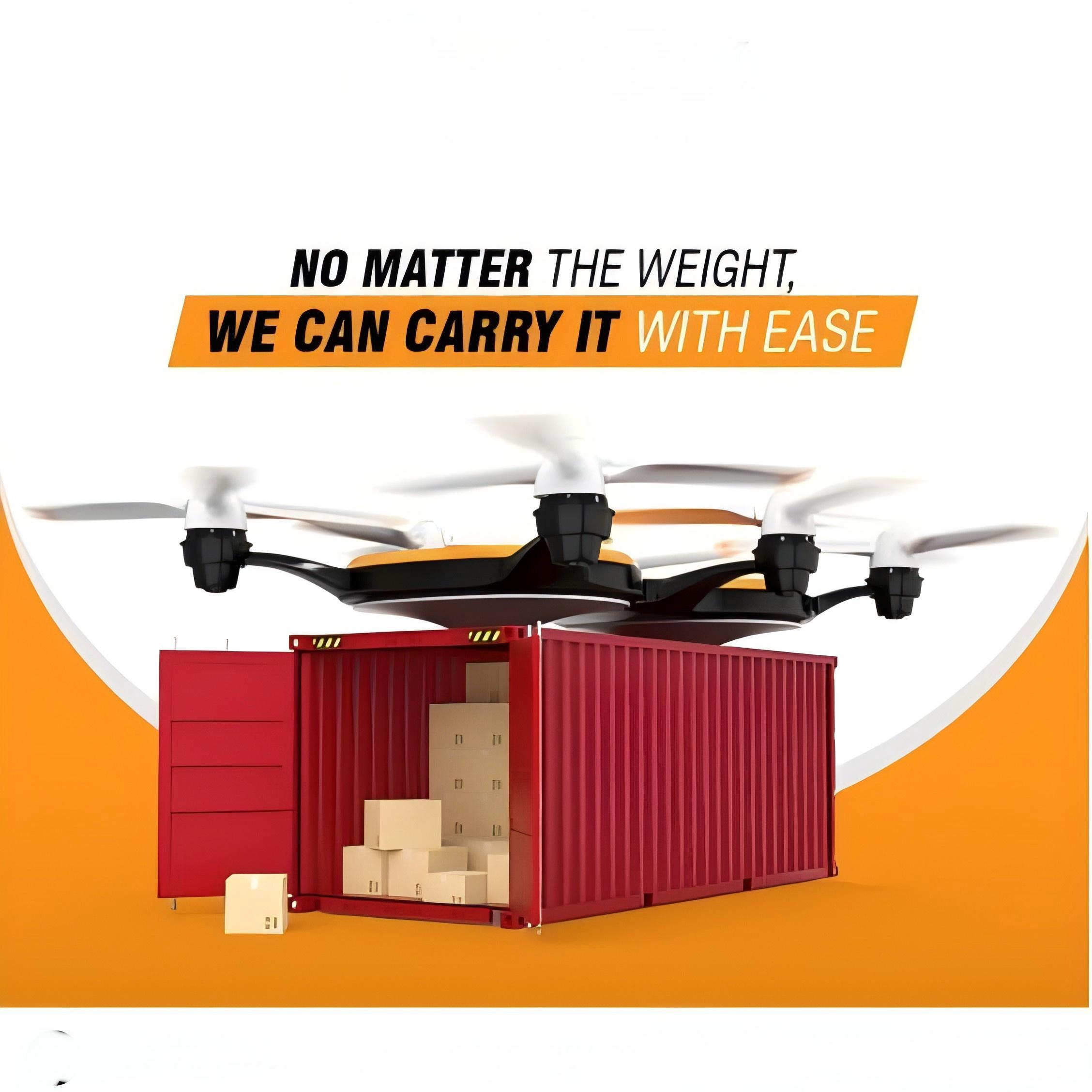
20GP FCL Detention Prevention for Machinery from China to Long Beach
Shipping heavy equipment from Asia to California requires meticulous planning and a deep understanding of logistics regulations. Partnering with a reliable freight forwarder like TJ China Freight ensures your 20GP FCL detention prevention for machinery from China to Long Beach is handled with extreme care. Importers often face significant financial penalties when containers sit idle past their allotted free time. This guide provides actionable insights into managing your supply chain to minimize these avoidable expenses.

What Causes 20GP FCL Detention for Machinery at Long Beach?
Detention occurs when a container is held by the importer outside of the port terminal beyond the agreed-upon free days. For machinery shipments, this often happens because the unloading process takes longer than expected due to the size or weight of the equipment. Furthermore, a lack of specialized drayage equipment like tri-axle chassis can delay the return of empty containers to the terminal. Consequently, daily fees accumulate quickly, significantly impacting the overall machinery shipping costs.
Inadequate communication between the importer and the trucking company frequently leads to these delays. If the warehouse is not prepared to receive heavy machinery, the container might sit on a chassis for days. Additionally, congestion at the Port of Long Beach can make it difficult for drivers to secure return appointments for empty equipment. Therefore, proactive scheduling is essential to ensure that the 20GP FCL detention prevention for machinery from China to Long Beach is successful.

Documentation errors are another common culprit for extended container usage. When paperwork for the machinery is incomplete, the cargo may be cleared but the container cannot be returned until the physical unloading is finalized and verified. Meanwhile, carriers continue to charge for every day the equipment remains in the importer’s possession. Indeed, understanding the difference between demurrage and detention is the first step in protecting your profit margins.
Strategic Planning for 20GP FCL Shipments to North America
Effective logistics management begins long before the cargo leaves the factory in China. You must coordinate with your supplier to ensure the machinery is packed specifically for a 20GP container to maximize space and stability. Moreover, selecting the right service for North America involves choosing carriers that offer generous free time at the destination. Some carriers provide up to 7 or 10 days of detention-free time if negotiated in advance.
Preparation at the destination warehouse is equally critical for heavy equipment. Because machinery often requires cranes or heavy-duty forklifts for unloading, these resources must be booked well in advance of the vessel’s arrival. Accordingly, the drayage provider should be notified of the specific requirements for handling a 20GP container filled with heavy machinery. Without a doubt, early coordination reduces the risk of the container sitting idle at your facility.
Using a comprehensive sea freight strategy allows you to track the vessel’s progress in real-time. This visibility enables you to adjust your local labor and equipment schedules if the ship is delayed or arrives early. Furthermore, having a backup drayage provider can save you from detention fees if your primary trucker faces unexpected capacity issues. Indeed, flexibility is a hallmark of a resilient supply chain.
How Does 20GP FCL Compare to Other Shipping Options?
Choosing the right shipping method depends on your budget, timeline, and the specific nature of your machinery. While a 20GP container is ideal for dense, heavy items, other options like LCL or RoRo might be more suitable for different scenarios. For instance, very small components might be better suited for an express service if the transit time is the primary concern. However, for most industrial machinery, FCL remains the most cost-effective and secure method.
Below is a comparison of the primary shipping methods used for machinery on the China to USA route. It highlights the trade-offs between cost, speed, and suitability for different cargo types.
| Shipping Method | Cost Range | Transit Time | Best For | Limitations |
|---|---|---|---|---|
| 20GP FCL Sea | $1,500 – $2,200 | 14-18 Days | Heavy, dense machinery | Strict weight limits |
| 40HQ FCL Sea | $2,800 – $3,800 | 14-18 Days | Voluminous equipment | Higher ocean freight |
| LCL Sea | $50 – $150/CBM | 20-25 Days | Small parts/Spare parts | Higher risk of damage |
| Air Freight | $5 – $10/kg | 3-7 Days | Urgent repairs/Small units | Extremely high cost |

How to Navigate Customs Brokerage to Avoid Delays
Customs clearance is often the stage where machinery shipments encounter the most significant hurdles. Because machinery is often subject to specific HTS codes and potentially Section 301 tariffs, accuracy in documentation is paramount. Utilizing a professional customs brokerage service ensures that all duties are calculated correctly and that there are no hold-ups at the port. Consequently, the container can be moved out of the terminal and returned quickly.
Importers should provide their broker with detailed packing lists, commercial invoices, and technical specifications well before the ship reaches Long Beach. If the Customs and Border Protection (CBP) decides to inspect the machinery, having clear diagrams and descriptions can speed up the process. Furthermore, ensuring that the machinery complies with all US environmental and safety standards prevents long-term seizures or fines. Meanwhile, your broker can monitor the status of the entry to ensure immediate release upon arrival.
Early filing of the Importer Security Filing (ISF) is another mandatory step that prevents fines and delays. If the ISF is not filed at least 24 hours before the vessel departs China, your cargo will likely be flagged for inspection. Therefore, meticulous attention to detail during the pre-shipping phase is a core component of 20GP FCL detention prevention for machinery from China to Long Beach. Indeed, a smooth customs process is the backbone of efficient logistics.
Case Study 1: Successful Machinery Import to California
Case Study 1: Industrial CNC Machine Import. Route: Shanghai, China to Long Beach, USA. Cargo: Precision CNC Milling Machine, 16 CBM, 11,500 kg. Container: 20GP FCL. Shipping Details: Carrier: COSCO. Port of Loading: Shanghai. Port of Discharge: Long Beach. Route Type: Direct. Cost Breakdown: Ocean Freight: $1,950. Origin Charges: $320. Destination Charges: $450. Customs and Duties: $4,200. Total Landed Cost: $6,920. Timeline: Booking to Loading: 4 days. Sea Transit: 16 days. Customs Clearance: 2 days. Total Door-to-Door: 25 days. Key Insight: By arranging a pre-pull of the container, the importer avoided 3 days of potential detention fees during a busy holiday week. Based on Q4 2024 market rates.
Case Study 2: Preventing Heavy Equipment Penalties
Case Study 2: Hydraulic Press Shipment. Route: Ningbo, China to Long Beach, USA. Cargo: 2 Units of Hydraulic Presses, 14 CBM each, 18,000 kg total. Container: 2x 20GP FCL. Shipping Details: Carrier: Maersk. Port of Loading: Ningbo. Port of Discharge: Long Beach. Route Type: Direct. Cost Breakdown: Ocean Freight: $4,100 (Total for 2). Origin Charges: $580. Destination Charges: $890. Customs and Duties: $5,500. Total Landed Cost: $11,070. Timeline: Booking to Loading: 5 days. Sea Transit: 15 days. Customs Clearance: 3 days. Total Door-to-Door: 28 days. Key Insight: The importer used a specialized drayage team with tri-axle chassis, allowing for immediate delivery and empty return within 48 hours. Typical rates as of early 2025.
Which Option Should You Choose for Machinery?
Deciding on the best shipping strategy requires balancing urgency against cost. If your budget is the priority, utilizing a 20GP FCL via sea freight is almost always the best choice for dense machinery. On the other hand, if you are facing a production line shutdown, the higher cost of air freight may be justified to save weeks of transit time. Furthermore, for very large machinery that cannot fit in a standard container, Flat Rack or Open Top containers are necessary alternatives.
Consider the volume thresholds when switching methods. For shipments under 15 CBM, LCL might seem cheaper, but the risk of damage to sensitive machinery is much higher. In contrast, FCL provides a dedicated space where the cargo is not handled between the factory and the final destination. Additionally, for a complete hands-off experience, a door to door service can manage every step of the process, including the 20GP FCL detention prevention for machinery from China to Long Beach.
| Priority | Recommended Method | Key Benefit | Trade-off |
|---|---|---|---|
| Lowest Cost | 20GP FCL Sea | Economical for heavy loads | Longer transit time |
| Maximum Speed | Air Freight | Fastest delivery | Very high cost |
| Small Volume | LCL Sea | Pay only for space used | Increased handling risk |
| Oversized Cargo | Flat Rack / RoRo | Accommodates large dimensions | Specialized handling fees |
Essential Documentation for Machinery from China
To ensure a seamless transition through the Port of Long Beach, your documentation must be flawless. The Commercial Invoice must clearly state the value, country of origin, and a detailed description of the machinery. Moreover, the Packing List should specify the weight and dimensions of each component within the 20GP container. Consequently, the customs officials can verify the cargo without needing to perform a time-consuming physical inspection.
A Bill of Lading (BOL) serves as the contract of carriage and the receipt for the goods. You should ensure that the BOL is issued correctly, whether it is a Master BOL from the carrier or a House BOL from your freight forwarder. Additionally, providing a Certificate of Origin can sometimes help in qualifying for lower duty rates under specific trade agreements. Therefore, managing these documents is a vital part of 20GP FCL detention prevention for machinery from China to Long Beach.
Lastly, do not forget the importance of insurance documents. While insurance does not prevent detention, it protects your investment in case of damage during the transit or handling process. In addition, some machinery requires wood packaging materials to be heat-treated and stamped with the ISPM 15 mark. Without this, the container could be rejected at the port, leading to massive delays and fees. Indeed, compliance is the key to avoiding unnecessary logistics costs.
Mastering Machinery Logistics to Long Beach
Successfully managing the import of heavy equipment requires a proactive approach to 20GP FCL detention prevention for machinery from China to Long Beach. By understanding the causes of delays and implementing strategic planning, importers can significantly reduce their landed costs. Furthermore, leveraging the expertise of professional customs brokers and freight forwarders provides a safety net against the complexities of international trade.
To summarize, focus on early documentation, warehouse readiness, and choosing the right shipping partners. While the Port of Long Beach can be challenging, a well-executed logistics plan ensures that your machinery moves efficiently from the factory floor to its final destination. Therefore, start your planning today to secure the best rates and avoid the hidden costs of container detention. Note: Freight rates are subject to change based on fuel costs, carrier capacity, and seasonal demand. Contact us for a current quote tailored to your specific shipment.

Ready to streamline your logistics?
Are you planning to import heavy equipment and want to avoid expensive port penalties? Contact TJ China Freight today for a customized quote and expert guidance on 20GP FCL detention prevention for machinery from China to Long Beach. Our team is ready to optimize your supply chain and ensure your cargo arrives on time and within budget. Send Inquiry
Request Quote