

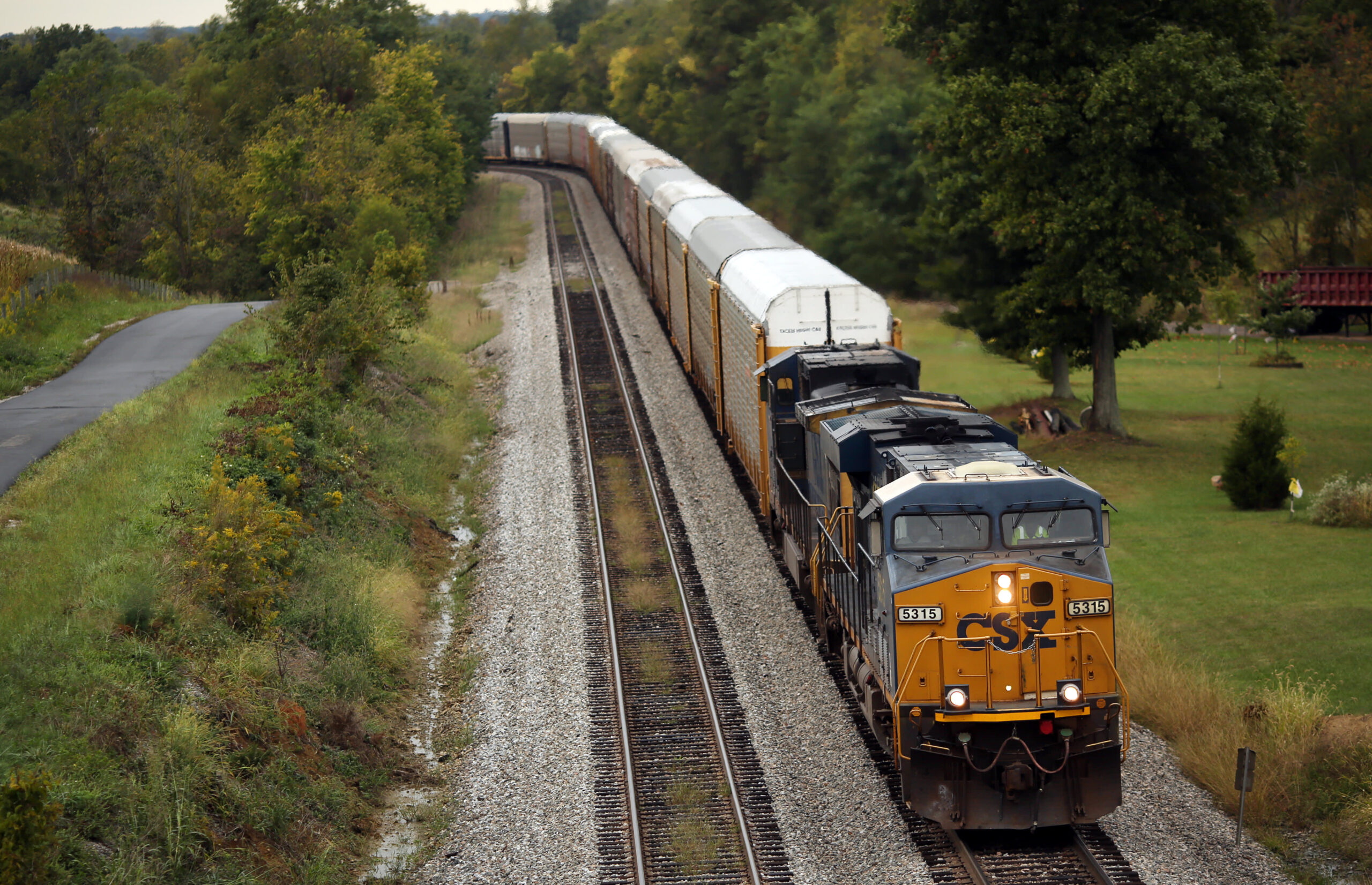
Train Freight from China to UK: A Complete Guide
In global supply chains, businesses often ask: what is the best balance between cost and speed? Using train freight from China to UK presents a compelling alternative to sea or air shipping. In this guide, we’ll unpack transit time, cost factors, routing, comparison with other transport modes, customs issues, and how TJ China Freight can support your logistics needs.
What Is “Train Freight from China to UK”?
Simply put, train freight from China to UK refers to shipping cargo via rail across Eurasia, passing through multiple countries, and ultimately reaching the UK either through tunnel or via road/rail final legs. This option is part of the broader China-Europe rail corridor (New Silk Road), which connects China with many European destinations—including the UK.

The well-known Yiwu–London railway line is a prime example: it covers approximately 12,000 km and takes about 18 days from origin to London terminal.
Thus, it offers a middle ground: faster than ocean freight, cheaper than air in many cases.
Why Consider Train Freight from China to UK?
1. Faster than Sea, Cheaper than Air
Rail often delivers in ~15–20 days, compared to 30–40+ days by sea, and at a fraction of air freight cost.
2. More Predictable Schedules
Rail transit is less susceptible to delays from weather or ocean congestion. Because of fixed corridors and customs stops, it’s more reliable for time-sensitive but non-urgent cargo.
3. Sustainability & Lower Carbon Footprint
Compared to air cargo, rail freight emits much less CO₂ per ton-km. Many shippers prefer it for greener supply chains.
4. Direct UK Connectivity via Europe
The UK rail route passes through continental Europe, using the Channel Tunnel or other intermodal links. The China–UK rail service launched in 2017 is part of the Belt & Road Initiative.
5. Integrated Service Possibilities
Freight forwarders combine rail with road last-mile, customs brokerage, warehousing, and door-to-door services more seamlessly than patching multiple carriers across sea and road.
Main Routes & Transit Time for China → UK by Train
| Origin (China) | European Corridor / Key Transit Points | UK Entry & Route | Typical Transit Time (Days) |
|---|---|---|---|
| Yiwu | Kazakhstan → Russia → Belarus → Poland → Germany | Through Channel Tunnel to London | ~18 days |
| Xi’an / Zhengzhou | Northern corridor via Russia → Belarus → Germany | Road or rail from EU hub to UK | ~19–21 days |
| Chongqing | Through Xinjiang corridor → Central Asia → Russia → Europe | European distribution → UK | ~20–22 days |
For example, shipments from Chongqing to Duisburg on the Yuxinou route take around 13–16 days, before onward transit to the UK.
When planning train freight from China to UK, remember to account for border procedures, gauge changes (railway width transitions), and final-mile delivery within the UK.
Cost Structure & Pricing for China–UK Rail Freight
To evaluate the viability of train freight from China to UK, you must understand cost components. Rail tends to be more expensive than sea freight, but substantially cheaper than air for many goods.
| Cost Component | What It Covers | Typical Range / Notes |
|---|---|---|
| Origin trucking & handling | Pickup, consolidation in China | Depends on distance, ~USD 50–200 per container zone |
| Rail haulage | Main train transport across countries | Varies by corridor, border costs, fuel, demand |
| Transshipment / bogie change | Change of rail gauge (China → Russia, etc.) | Requires handling at border terminals |
| Customs & documentation | Export/import customs fees, inspection | Variable by country |
| EU/UK last-mile delivery | Road/rail within Europe & UK | USD 200–600, based on distance & weight |
| Insurance & value-added services | Cargo insurance, warehousing, packaging | ~0.2%–0.5% of cargo value |
A 40FT container by rail from China to UK may cost USD 6,000–8,000 depending on route and timing, while sea freight for the same container might be USD 3,000–5,000, with transit taking much longer.
Therefore, rail is ideal for goods where time sensitivity justifies the extra cost over sea.
Comparison: Rail Freight vs Sea Freight vs Air Freight

| Aspect | Rail Freight | Sea Freight | Air Freight |
|---|---|---|---|
| Transit Time | ~15–22 days | ~30–45+ days | ~5–7 days |
| Cost per unit | Medium – ~1.5× sea | Low | Very High |
| Reliability | Medium-High | Medium (weather/port risk) | High |
| Capacity / Volume | High | Very High | Moderate |
| Carbon emissions | Moderate-Low | Low | High |
| Best For | Time-sensitive but not urgent goods | Bulk, heavy, non-urgent goods | High-value, urgent cargo |
From this comparison, train freight from China to UK hits a “sweet-spot” for those who need faster shipping than sea but cannot afford full air freight rates.
Use Cases & Suitable Cargo Types
Typical cargo well-suited for train freight from China to UK includes:
- Consumer electronics
- Machinery and industrial parts
- Fashion apparel / textiles
- Auto components
- Home appliances (non-perishables)
Generally, perishable items or goods requiring ultra-fast delivery still depend on air freight or express service.
Service Elements and Value-Adds by TJ China Freight
When leveraging rail freight between China and the UK, TJ China Freight offers a full suite of complementary logistics services:
- Customs Brokerage: Handling export/import paperwork and compliance
- Warehousing & Consolidation: In China or EU hubs for grouping partial loads
- Door-to-Door Service: From the supplier’s facility in China to your UK delivery address
- Cargo Insurance: Protection against loss or damage during multi-leg transit
- Multi-modal Integration: Seamless transfer between sea, rail, and road as needed
With these integrated services, we reduce friction, minimize delays, and streamline the supply chain.
Steps & Best Practices for Rail Freight from China to UK
- Choose origin rail terminal in China (Yiwu, Xi’an, Chongqing, etc.)
- Arrange pickup & inland trucking to the rail terminal
- Select FCL or LCL container mode
- Book rail route, confirm schedule and transshipment points
- Prepare documentation: commercial invoice, packing list, certificate of origin, etc.
- Handle border gauge change & customs clearance
- Arrive at EU hub, then transport through Channel Tunnel or road to UK
- Final UK delivery & import customs clearance
It’s critical to monitor the delivery schedule, track cargo, and pre-clear documentation in advance.
Challenges & Considerations
- Gauge change / handling: Containers might require transloading or bogie exchange between Chinese gauge and Russian / European gauge.
- Customs coordination across multiple borders: Each country’s regulations differ.
- Capacity constraints / slot availability: Slots are limited, especially during peak seasons.
- Cost volatility: Fuel, political risks, and cross-border tensions can affect rail rates.
- Final UK leg: Even with rail arrival in Europe, you still need road/rail from mainland Europe into UK (via Tunnel or ferry).
Working with a forwarder experienced in rail to the UK, such as TJ China Freight, helps mitigate such risks.
Why Use Rail Freight from China to UK via TJ China Freight?
- Deep expertise in rail freight and intercontinental logistics
- Reliable pricing and slot booking across the China-Europe corridor
- Integrated service covering air freight, sea freight, and express service
- Full control over customs brokerage, warehouse operations, and door-to-door handling
- Access to China To Europe and China TO North America logistics networks, ensuring flexibility in routing
Our clients benefit from optimized cost, time, and service quality when shipping between China and the UK.
Conclusion
If you’re evaluating options for shipping from China to the UK, train freight from China to UK stands out as a compelling middle path—faster than ocean, more affordable than air. Its reliability, sustainability, and mid-range cost make it ideal for many categories of goods.
By leveraging the expertise and integrated services of TJ China Freight, you get seamless customs, warehousing, and door-to-door support that unlock the full potential of rail logistics for your business.
FAQs(click to expand and view )
Typical transit time is about 15 to 22 days, depending on origin, route, and border procedures. For example, the Yiwu–London route averages ~18 days. Some inland origins may add extra days for trucking to/from rail terminals.
Yes, substantially. Rail freight costs often run around 40–60% lower than air freight for comparable volumes. While more expensive than sea, it provides a balance of speed and cost for mid-urgency shipments.
Yes — many providers offer LCL (Less-than-Container-Load) rail services where your cargo shares container space. It’s cost-effective if you don’t have enough volume to fill an entire container.
You’ll need a commercial invoice, packing list, bill of lading or rail waybill, certificate of origin, export/import licenses (if applicable), and any customs forms required by intermediary countries and UK customs.
Yes. The rail freight passes through countries such as Kazakhstan, Russia, Belarus, Poland, Germany, and others. Each border may require inspections, gauge changes, and customs processing, which is why working with an experienced forwarder is essential.