

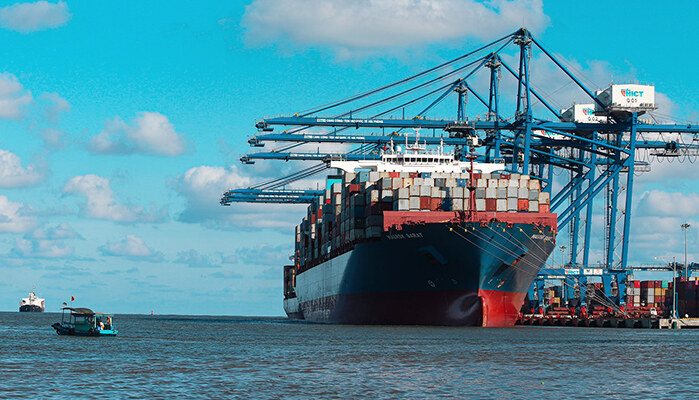
Shipping Rates from China to Philippines: Comprehensive B2B Freight Solutions
Finding accurate shipping rates from China to Philippines is essential for businesses importing goods efficiently while controlling costs. Whether shipping electronics, garments, machinery, or consumer goods, partnering with experienced freight forwarders ensures timely deliveries, smooth customs clearance, and proper cargo handling. TJ China Freight specializes in managing shipments from China to the Philippines, offering sea freight, air freight, door to door delivery, customs brokerage, and cargo insurance.
Why Partner with Shipping Agents for China to Philippines Cargo?
Shipping internationally involves complex logistics. Professional shipping agents from China to Philippines help businesses:
- Streamline supply chain operations from Chinese factories to Philippine warehouses.
- Offer transparent shipping rates from China to Philippines, optimizing costs.
- Handle customs clearance, documentation, and duties accurately.
- Provide cargo insurance for secure transport.
Reliable agents like TJ China Freight help avoid delays, reduce risk, and maintain compliance with both Chinese export and Philippine import regulations.
Popular Shipping Methods from China to Philippines
1. Sea Freight
Sea freight is the most cost-efficient method for bulk cargo, available in FCL and LCL options.

| Mode | Estimated Transit Time | Typical Cost (20ft FCL / CBM) | Pros | Cons |
|---|---|---|---|---|
| FCL (Full Container Load) | 7–15 days | $1,200 – $2,500 | Economical for bulk, secure | Longer transit |
| LCL (Less than Container) | 10–18 days | $120 – $200 per CBM | Flexible for small shipments | Multiple handling points |
| Reefer Container | 7–15 days | $1,500 – $2,800 | Temperature-controlled, ideal for perishables | Higher cost |
Tips:
- Use FCL for high-volume shipments.
- LCL is suitable for small or sample shipments.
- Major Philippine ports: Manila, Cebu, Davao.
2. Air Freight
Air freight is best for urgent or high-value shipments.

| Mode | Transit Time | Estimated Cost | Pros | Cons |
|---|---|---|---|---|
| Standard Air Cargo | 3–7 days | $6–$12 per kg | Faster than sea, minimal handling | Higher cost than sea |
| Express Courier | 1–3 days | $10–$18 per kg | Fastest delivery, ideal for urgent cargo | Expensive, weight limitations |
Air freight ensures quick delivery, especially for electronics, fashion items, or perishable goods. Partnering with air freight experts ensures proper documentation and compliance with aviation regulations.

Factors Influencing Shipping Rates from China to Philippines
| Factor | Impact on Cost |
|---|---|
| Freight mode | Air is faster but more costly than sea |
| Shipment size & weight | Larger shipments reduce cost per unit |
| Port selection | Manila vs Cebu affects inland transport costs |
| Seasonality | Peak season may increase rates |
| Customs duties & taxes | Based on product HS codes and declared value |
| Insurance | Higher-value shipments need more coverage |
| Documentation fees | Minor additional costs |
Accurate documentation and working with experienced agents like TJ China Freight help prevent extra charges or delays.
Long-Tail Keywords Integrated
Some relevant keywords naturally included:
- China to Philippines cargo shipping
- Door to door delivery China to Philippines
- International freight forwarders Philippines
- B2B import solutions China Philippines
- Sea freight vs air freight Philippines
- Philippine customs clearance
- Freight transit times from China
- Supply chain optimization for imports
- Cargo insurance for international shipping
- Cost-efficient shipping solutions
Comparison Table: Sea vs Air Freight
| Mode | Transit Time | Cost per CBM/kg | Ideal For | Pros | Cons |
|---|---|---|---|---|---|
| Sea Freight FCL | 7–15 days | $1,200–$2,500 | Bulk shipments | Cost-effective, secure | Slower than air |
| Sea Freight LCL | 10–18 days | $120–$200 per CBM | Small shipments | Flexible, economical | Multiple handling points |
| Air Freight Standard | 3–7 days | $6–$12 per kg | Time-sensitive cargo | Quick, reliable | Higher cost |
| Express Courier | 1–3 days | $10–$18 per kg | Urgent, small shipments | Fastest delivery | Expensive |
Essential Documents for Shipping to Philippines
| Document | Purpose |
|---|---|
| Commercial Invoice | Declares value and description of goods |
| Packing List | Details contents, weight, and volume |
| Bill of Lading / Airway Bill | Contract and proof of shipment |
| Certificate of Origin | For preferential tariffs or compliance |
| Import License (if required) | For restricted goods |
| Customs Declaration | Required for duty assessment |
Preparing these documents accurately ensures smooth customs clearance and avoids shipment delays.
Tips to Optimize Shipping Costs
- Consolidate shipments to reduce cost per unit.
- Choose major Chinese ports like Shenzhen or Guangzhou.
- Avoid peak season surcharges.
- Select sea freight for bulk, air freight for urgent shipments.
- Partner with professional agents like TJ China Freight for end-to-end logistics management.
Conclusion
Accurate and transparent shipping rates from China to Philippines are vital for efficient B2B operations. TJ China Freight provides comprehensive solutions, including sea freight, air freight, door to door delivery, customs brokerage, and cargo insurance, ensuring shipments arrive on time, safely, and in compliance with Philippine import regulations. Professional agents reduce risk, optimize costs, and improve supply chain efficiency.
Contact TJ China Freight today for a tailored shipping quote. Our experts manage every step, from warehouse pickup in China to delivery at your Philippine warehouse. Ensure your shipments are safe, timely, and fully compliant with local regulations.
FAQs(click to expand and view )
Transit depends on freight type. Sea freight ranges from 7–18 days depending on FCL or LCL, while air freight takes 3–7 days, and express courier 1–3 days. Port choice and inland delivery add extra time.
FCL (Full Container Load) rents an entire container, reducing per-unit cost and handling. LCL (Less than Container Load) shares container space with other shipments, suitable for smaller cargo but may take longer due to multiple handling points.
Customs duties and taxes depend on HS codes, declared value, and product type. Experienced agents handle duties and provide DDP arrangements to avoid additional charges.
Yes. Reefer containers and specialized packing options ensure safe transport of perishable or fragile goods. Agents also offer cargo insurance for additional protection.
Rates often rise during peak seasons, such as the Chinese New Year or holiday periods, due to higher demand and limited container availability. Planning shipments early and consulting TJ China Freight helps mitigate price surges.