

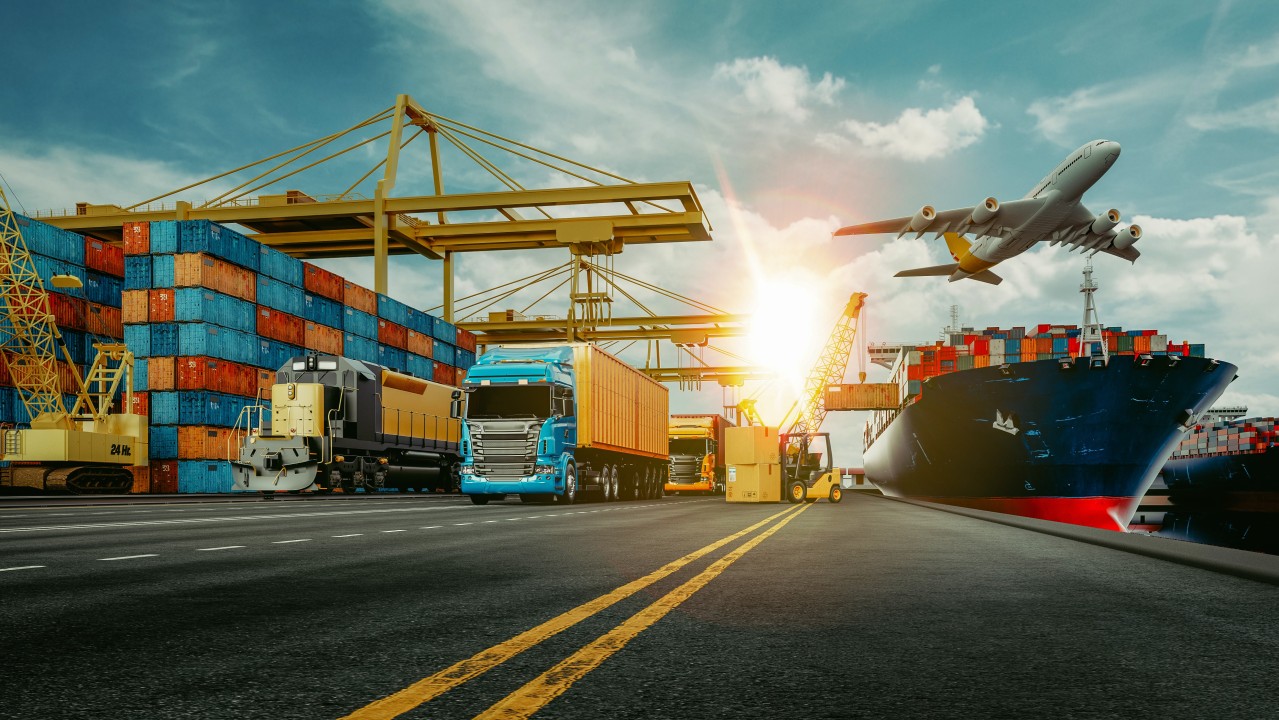
Shipping in China: The Complete Guide to Methods, Costs, and Logistics
Shipping in China is the backbone of global trade, powering supply chains for businesses worldwide. However, navigating the complexities of shipping in China—whether for domestic distribution or international export—can be challenging. This guide will help you understand the main shipping methods, cost factors, customs procedures, and the latest logistics trends, ensuring your cargo moves efficiently and cost-effectively.
What Are the Main Shipping Methods in China?
China’s logistics network is vast and diverse, offering several shipping options to suit different needs. The three primary methods are sea freight, air freight, and rail freight.

| Shipping Method | Typical Transit Time | Cost Level | Best For |
|---|---|---|---|
| Sea Freight | 7-40 days | Low | Bulk, non-urgent cargo |
| Air Freight | 1-7 days | High | Urgent, high-value goods |
| Rail Freight | 12-20 days (to Europe) | Medium | Fast, cost-effective to Europe |
For most international shipments, sea freight is the most popular due to its cost efficiency, while air freight is chosen for speed. Rail freight is increasingly used for China-Europe trade, balancing speed and cost.
How Do You Choose the Right Shipping Method in China?
Selecting the best shipping method depends on your cargo type, urgency, and budget. Here’s a quick comparison:
| Method | Pros | Cons |
|---|---|---|
| Sea Freight | Cheapest for large volumes | Slow, port-to-port only |
| Air Freight | Fastest, secure | Expensive, weight limits |
| Rail Freight | Faster than sea, eco-friendly | Limited routes, not for all regions |
For e-commerce and time-sensitive goods, express service is also available, offering door-to-door delivery within days.
What Are the Key Ports and Hubs for Shipping in China?
China’s major shipping hubs are strategically located to serve both domestic and international markets.
| Port/Airport/Rail Hub | Location | Main Use |
|---|---|---|
| Shanghai Port | East China | Largest container port |
| Shenzhen Port | South China | Electronics, exports |
| Ningbo-Zhoushan Port | East China | Bulk and containers |
| Guangzhou Port | South China | General cargo |
| Beijing Capital Airport | North China | Air cargo, express |
| Yiwu Rail Terminal | East China | Rail to Europe |
Choosing the right hub can optimize your supply chain and reduce costs.
How Much Does Shipping in China Cost?
Shipping costs in China vary based on method, distance, cargo size, and service level. Here’s a general overview:
| Shipping Type | Domestic (per ton/km) | Export (per CBM/20ft/40ft) | Air Freight (per kg) |
|---|---|---|---|
| Sea Freight | 0.05−0.05−0.15 | 100−100−180 / 1,800−1,800−2,800 / 2,800−2,800−4,000 | N/A |
| Air Freight | 0.50−0.50−1.50 | N/A | 5.5−5.5−10.5 |
| Rail Freight | 0.10−0.10−0.30 | 2,000−2,000−3,500 (to Europe) | N/A |
Note: Prices are indicative and fluctuate with market demand, fuel surcharges, and seasonality.
For a tailored quote, our import service can help you calculate the most cost-effective solution.
What Documents Are Required for Shipping in China?

Proper documentation is essential for smooth customs clearance and compliance. Here’s what you’ll typically need:
| Document Name | Purpose | Who Provides It |
|---|---|---|
| Commercial Invoice | Proof of sale and value | Shipper |
| Packing List | Details of cargo contents | Shipper |
| Bill of Lading/Airway Bill | Transport contract | Carrier/Freight Forwarder |
| Certificate of Origin | Verifies product origin | Chamber of Commerce |
| Import/Export License | Regulatory compliance | Shipper/Consignee |
For expert help with paperwork and compliance, our customs brokerage team is ready to assist.
How Does Customs Clearance Work in China?
Customs clearance is a critical step in shipping in China, whether for import or export. The process involves:
- Submitting required documents
- Inspection of goods (random or targeted)
- Payment of duties and taxes
- Release of cargo
Delays can occur if paperwork is incomplete or if goods are flagged for inspection. Working with a professional partner ensures compliance and faster clearance.
How to Optimize Shipping Costs and Delivery Times in China?
To achieve efficient and affordable shipping in China, consider these strategies:
- Consolidate Shipments: Combine orders to fill containers and reduce per-unit costs.
- Book Early: Secure space and avoid peak season surcharges.
- Negotiate Rates: Experienced freight forwarders can offer better deals.
- Use Warehousing: Store goods in strategic locations to optimize inventory and reduce urgent shipments. Learn more about warehousing.
- Choose the Right Incoterms: Understand your responsibilities and costs.
What Are the Latest Trends in Shipping in China?
China’s logistics sector is rapidly evolving. Key trends include:
- Digitalization: Online booking, real-time tracking, and digital documentation.
- Sustainability: Green logistics, electric vehicles, and eco-friendly packaging.
- E-commerce Growth: Demand for fast, reliable delivery is rising.
- Belt and Road Initiative: Expanding rail and sea routes to Europe, Asia, and Africa.
Staying updated on these trends can help you optimize your shipping strategy.
How Does Door-to-Door Shipping Work in China?
Door-to-door shipping is a popular solution for businesses seeking convenience and reliability. The process typically includes:
- Pickup from supplier or warehouse
- Export customs clearance
- International transport (sea, air, or rail)
- Import customs clearance at destination
- Final delivery to the consignee
This all-in-one service saves time and reduces hassle. For more details, see our door to door service.
How to Choose the Best Shipping Partner in China?

Selecting a reliable freight forwarder is crucial for smooth shipping. Look for:
- Experience with China’s logistics network
- Transparent pricing and no hidden fees
- Comprehensive services (customs, insurance, warehousing)
- Strong customer support and tracking tools
For e-commerce sellers, amazon fba shipping solutions can deliver directly to Amazon warehouses in China or abroad.
Should You Get Cargo Insurance for Shipping in China?
Cargo insurance is highly recommended to protect your goods against loss, damage, or theft during transit. Insurance options include:
| Insurance Type | Coverage Scope | Cost (as % of cargo value) |
|---|---|---|
| Basic | Limited (named risks) | 0.2% – 0.5% |
| All-Risk | Comprehensive | 0.5% – 1% |
For peace of mind, explore our cargo insurance options.
Conclusion
Shipping in China is complex but manageable with the right knowledge and partners. By understanding your options, preparing the necessary documents, and leveraging professional services, you can ensure your cargo moves efficiently and cost-effectively. Whether you need sea, air, or rail freight, TJ China Freight is your trusted partner for all your shipping in China needs.
Ready to optimize your shipping in China? Contact TJ China Freight today for a free quote and expert advice. Our team is dedicated to providing reliable, cost-effective, and secure shipping solutions tailored to your business. Let us handle the logistics so you can focus on growth.

FAQs(click to expand and view )
Sea freight is generally the most affordable option for large or heavy shipments, especially for international exports. For smaller, urgent, or high-value goods, air freight is faster but more expensive. Rail freight is a good balance for shipments to Europe. The best method depends on your cargo type, budget, and delivery timeline.
Transit times vary by method and destination. Domestic shipping can take 1-7 days, while international sea freight to the US or Europe may take 20-40 days. Air freight is much faster, often 1-7 days internationally. Rail freight to Europe typically takes 12-20 days. Customs clearance and port congestion can also affect delivery times.
Key documents include a commercial invoice, packing list, bill of lading or airway bill, and certificate of origin. Depending on the product, you may also need import/export licenses or special permits. Proper documentation is essential for smooth customs clearance and to avoid delays or penalties.
Yes, many freight forwarders offer comprehensive door-to-door shipping services. This includes pickup, customs clearance, international transport, and final delivery to your address. Door-to-door shipping is ideal for businesses seeking convenience and reliability, especially for international trade.
While not mandatory, cargo insurance is highly recommended. It protects your goods against loss, damage, or theft during transit. The cost is relatively low compared to the value of your cargo and the potential risks involved. Most freight forwarders offer various insurance options to suit your needs.