

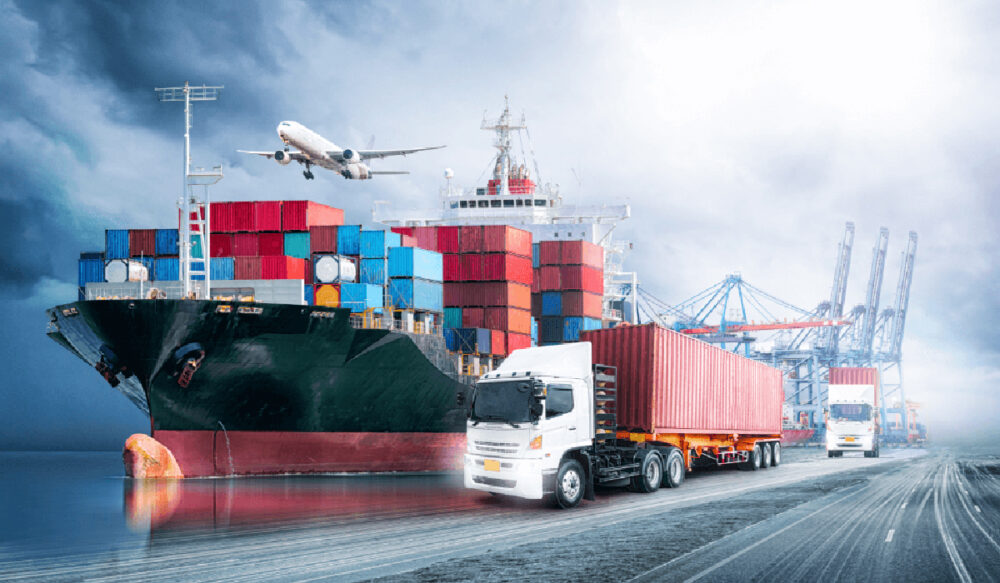
Shipping from China to Czech Republic: Costs, Transit Time & Logistics Solutions
Efficient shipping from China to Czech Republic requires careful planning of freight modes, understanding transportation costs, and navigating customs requirements. Companies importing goods to Prague, Brno, or other Czech cities must account for supply chain management, delivery schedules, and potential shipping delays. With the expertise of TJ China Freight, businesses can streamline their cargo, reduce costs, and ensure timely delivery.
Key Factors Affecting Shipping Costs
Shipping expenses are influenced by several key factors: freight mode, cargo volume, container type, fuel surcharges, seasonal demand, and customs handling.
| Factor | Description | Impact on Price |
|---|---|---|
| Freight Mode | Sea freight, air freight, rail freight | Major |
| Container Size | 20ft, 40ft, 40ft HQ | Medium |
| Destination | Prague, Brno, Ostrava | Medium |
| Seasonal Demand | Peaks during holidays and trade events | High |
| Customs & Handling | Includes customs brokerage | Moderate |
| Cargo Type | General, fragile, perishable | Medium |
| Insurance & Risk | Optional cargo insurance | Low–Medium |
For instance, a 40ft sea freight container may cost USD 2,400–3,200 (RMB 17,400–23,200), while air freight can range USD 6–9/kg (RMB 44–66/kg) based on urgency and weight.
Sea Freight vs. Air Freight vs. Rail Freight
Selecting the optimal freight mode depends on cargo type, budget, and delivery schedule.

Comparison Table: Freight Modes from China to Czech Republic
| Mode | Transit Time | Cost (USD / RMB) | Best For | Advantages | Disadvantages |
|---|---|---|---|---|---|
| Sea Freight | 25–35 days | USD 2,400–3,200 / RMB 17,400–23,200 per 40ft container | Bulk, heavy goods | Cost-effective, large volume, eco-friendly | Slow, port congestion possible |
| Air Freight | 5–10 days | USD 6–9 per kg / RMB 44–66 per kg | High-value, urgent goods | Fast, reliable schedules | Expensive, weight limits |
| Rail Freight | 15–20 days | USD 3,500–4,500 / RMB 25,400–32,700 per 40ft container | Medium to large shipments | Faster than sea, lower cost than air | Limited to rail-accessible destinations |
For shipments to the Czech Republic, rail freight is increasingly popular for mid-sized cargo, offering a balance between speed and cost.
Container Options and Pricing
| Container Type | Dimensions (L×W×H) | Volume | Approx. Cost (USD / RMB) |
|---|---|---|---|
| 20ft Standard | 5.9m × 2.35m × 2.39m | 33 m³ | USD 1,800–2,400 / RMB 13,100–17,400 |
| 40ft Standard | 12.03m × 2.35m × 2.39m | 67 m³ | USD 2,400–3,200 / RMB 17,400–23,200 |
| 40ft High Cube | 12.03m × 2.35m × 2.69m | 76 m³ | USD 2,700–3,500 / RMB 19,600–25,400 |
FCL shipments are ideal for full container volumes, while LCL is cost-effective for smaller shipments, often consolidated to reduce expenses.
FCL vs LCL: Choosing the Right Option

| Type | Definition | Pricing | Ideal For |
|---|---|---|---|
| FCL (Full Container Load) | Entire container used by one shipper | Flat container rate | Bulk shipments |
| LCL (Less than Container Load) | Consolidated with other cargo | Charged per CBM | Small or medium shipments |
FCL minimizes handling risks, whereas LCL allows flexibility but may slightly increase per-CBM costs.
Factors Influencing Shipping Costs to Czech Republic
- Fuel Surcharges: Global oil price fluctuations affect both sea and air freight.
- Seasonal Demand: Trade peaks in holidays or industrial demand spikes.
- Port Congestion: Prague and surrounding EU ports may experience delays.
- Customs Procedures: Working with import service ensures compliance and avoids penalties.
- Insurance: Cargo insurance mitigates loss or damage risk.
Major Transit Routes
| Origin Port | Destination Port | Sea Transit Time | Air Transit Time | Rail Transit Time |
|---|---|---|---|---|
| Shanghai | Prague | 28–35 days | 5–8 days | 15–18 days |
| Shenzhen | Brno | 27–34 days | 5–10 days | 14–17 days |
| Ningbo | Ostrava | 29–36 days | 6–10 days | 15–20 days |
Transit times depend on shipping line schedules, customs efficiency, and weather conditions.
Tips to Optimize Shipping Costs
- Advance Booking: Reduce surcharges during peak seasons.
- Consolidate Shipments: Maximize container usage.
- Correct Incoterms: Determine responsibility for costs and risks (FOB, CIF, DDP).
- Work with a Professional Forwarder: TJ China Freight provides reliable rates and services.
- Integrated Services: Combine amazon fba, door to door, and insurance for seamless operations.
Why Partner with TJ China Freight?
TJ China Freight offers comprehensive solutions for shipping from China to Czech Republic, including sea freight, air freight, rail freight, and door-to-door delivery. Expertise in warehousing, customs clearance, and cargo insurance ensures your shipments arrive safely, efficiently, and cost-effectively.
Conclusion
Choosing the right freight mode and optimizing logistics ensures smooth shipping from China to Czech Republic, whether you prioritize cost, speed, or reliability. TJ China Freight provides professional guidance, transparent pricing, and integrated services to meet your business needs.
Ensure your shipments arrive on time and on budget—contact TJ China Freight today for a quote. Leverage expert freight forwarding, customs handling, and insurance for efficient, hassle-free import operations.
FAQs(click to expand and view )
Sea freight typically requires 25–35 days, air freight 5–10 days, and rail freight 14–20 days. Variations occur due to port congestion, customs clearance, and seasonal demand.
Sea freight is the cheapest option for bulk shipments. LCL helps with smaller shipments, while FCL offers lower per-CBM costs for full containers. Air freight is faster but more expensive.
Yes. Proper packaging combined with cargo insurance ensures fragile or high-value shipments are protected during transit.
Key documents include commercial invoice, packing list, bill of lading/air waybill, and relevant permits. Using a trusted forwarder simplifies compliance.
Choose FCL for full containers to reduce handling risks and per-unit cost. LCL is ideal for smaller shipments or when consolidation reduces overall expenses.