

Shipping from China: How to Choose the Best Freight Solution for Your Business?
Are you struggling to find the most reliable and cost-effective way for shipping from China? With so many options and regulations, it’s easy to feel overwhelmed. This guide will help you navigate the complexities, compare freight methods, and ensure your goods arrive safely and on time.
What Are the Main Shipping Methods from China?
When it comes to shipping from China, businesses can choose between several primary freight options: sea freight, air freight, and express service. Each method has its own advantages, costs, and delivery timelines. The right choice depends on your cargo type, budget, and urgency.
Comparison Table: Shipping Methods from China
| Shipping Method | Estimated Transit Time | Cost Level | Best For |
|---|---|---|---|
| Sea Freight | 15–40 days | Low | Large, heavy shipments |
| Air Freight | 3–7 days | High | Urgent, valuable goods |
| Express Service | 2–5 days | Highest | Small, time-sensitive |
How Does Sea Freight Work for Shipping from China?

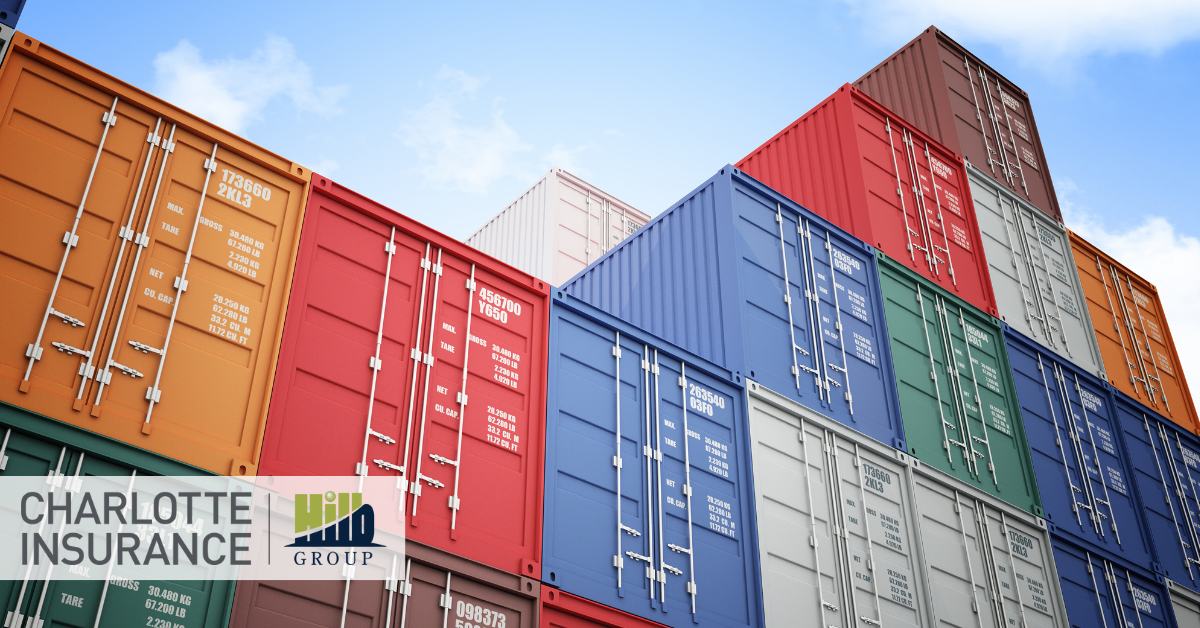
Sea freight is the most popular and economical option for shipping from China, especially for bulk cargo. It involves transporting goods in containers via ocean vessels. You can choose between Full Container Load (FCL) and Less than Container Load (LCL) based on your shipment size.
Key Advantages of Sea Freight
- Cost-effective for large volumes
- Suitable for a wide range of goods
- Flexible container options
Potential Drawbacks
- Longer transit times
- Possible port congestion delays
Why Choose Air Freight for Shipping from China?
If speed is your top priority, air freight is the best solution. It’s ideal for high-value, perishable, or urgent shipments. While air freight is more expensive than sea freight, it significantly reduces delivery times.
When to Use Air Freight
- Tight deadlines
- Fragile or high-value items
- Small to medium-sized shipments
What Is Express Service and When Should You Use It?
Express service is the fastest way to ship small parcels from China. Major couriers like DHL, FedEx, and UPS offer door-to-door delivery, customs clearance, and real-time tracking.
Express Service Pros and Cons
| Pros | Cons |
|---|---|
| Fastest delivery (2–5 days) | Highest cost |
| Door-to-door convenience | Limited cargo size |
| Simplified customs process | Not for bulk freight |
How Much Does Shipping from China Cost?

Shipping costs from China depend on several factors, including shipping method, cargo size, weight, destination, and additional services like cargo insurance. Here’s a simplified cost comparison:
| Shipping Method | Typical Cost per kg (USD) | Notes |
|---|---|---|
| Sea Freight | 0.5–0.5–2 | Best for >100kg |
| Air Freight | 4–4–8 | Best for 45–200kg |
| Express Service | 6–6–12 | Best for <45kg |
Note: Prices fluctuate based on market trends and fuel surcharges.
What Documents Are Needed for Shipping from China?
Proper documentation is crucial for smooth customs clearance. Missing or incorrect paperwork can cause costly delays. Here’s a checklist of essential documents:
| Document Name | Purpose |
|---|---|
| Commercial Invoice | Proof of sale and value |
| Packing List | Details of goods and packaging |
| Bill of Lading/Airway Bill | Transport contract |
| Import/Export License | Legal compliance |
| Certificate of Origin | Country of manufacture |
How to Ensure Smooth Customs Clearance When Shipping from China?

Navigating customs can be complex. Partnering with a professional customs brokerage service ensures compliance with regulations, reduces the risk of delays, and helps avoid unexpected costs.
Tips for Hassle-Free Customs Clearance
- Double-check all documents for accuracy
- Classify goods correctly (HS codes)
- Understand import duties and taxes
- Work with experienced freight forwarders
What Is Door-to-Door Shipping from China?
Door to door shipping means your goods are picked up from the supplier in China and delivered directly to your address abroad. This all-inclusive service covers transportation, customs clearance, and final delivery, making it ideal for businesses seeking convenience and peace of mind.
How to Ship from China to Amazon FBA Warehouses?
If you’re an Amazon seller, amazon fba shipping services are tailored to meet Amazon’s strict requirements. Freight forwarders can handle labeling, packaging, and direct delivery to FBA warehouses, ensuring compliance and timely restocking.
What Are the Typical Transit Times for Shipping from China?
Transit times vary by destination and shipping method. Here’s a quick overview for major regions:
| Destination | Sea Freight | Air Freight | Express Service |
|---|---|---|---|
| North America | 18–35 days | 3–7 days | 2–5 days |
| Europe | 20–40 days | 3–7 days | 2–5 days |
| Australia | 15–25 days | 3–6 days | 2–5 days |
| Asia | 5–15 days | 1–3 days | 1–3 days |
| Middle East | 20–35 days | 3–7 days | 2–5 days |
| Africa | 25–45 days | 4–8 days | 3–6 days |
How Can Warehousing and Import Services Help Your Supply Chain?
Efficient warehousing and import service solutions can streamline your supply chain. Warehousing in China allows for consolidation, quality checks, and flexible shipping schedules. Import services ensure your goods comply with destination country regulations, reducing the risk of delays.
What Are the Latest Trends in Shipping from China?
The logistics industry is evolving rapidly. Recent trends include:
- Increased demand for faster, more reliable shipping
- Digitalization of supply chain management
- Growing importance of cargo tracking and transparency
- Emphasis on sustainable and eco-friendly shipping solutions
How to Choose the Right Freight Forwarder for Shipping from China?
Selecting a reliable partner like TJ China Freight is crucial. Look for:
- Proven track record and positive reviews
- Comprehensive service offerings (sea, air, express, customs, insurance)
- Transparent pricing and communication
- Expertise in your target market
Conclusion
Shipping from China can be complex, but with the right knowledge and partners, you can optimize costs, reduce risks, and ensure timely delivery. Whether you choose sea, air, or express freight, understanding your options and preparing the necessary documents will help your business thrive in global trade.
Ready to streamline your shipping from China? Contact TJ China Freight for a tailored solution that fits your needs, budget, and timeline. Our team of experts is here to guide you every step of the way.

FAQs(click to expand and view )
The most cost-effective method for shipping from China is typically sea freight, especially for large or heavy shipments. While it takes longer than air or express services, sea freight offers significant savings on bulk cargo. For smaller shipments, consolidating your goods with other shippers (LCL) can further reduce costs. Always compare quotes and consider the total landed cost, including customs duties and local delivery fees.
Most reputable freight forwarders and express couriers provide online tracking systems. For sea and air freight, you’ll receive a tracking number or bill of lading/airway bill number, which you can use to monitor your shipment’s status. Express services offer real-time updates. It’s important to stay in touch with your logistics provider for the latest information, especially during peak seasons or unforeseen delays.
Risks include cargo damage, delays, customs issues, and lost shipments. To minimize these risks, use cargo insurance, work with experienced customs brokers, and ensure all documentation is accurate. Choose a reliable freight forwarder with a proven track record. Regular communication and proactive planning are key to avoiding costly disruptions.
Import duties and taxes depend on the destination country, product classification (HS code), and declared value. You can check your country’s customs website or consult with your freight forwarder for accurate calculations. Some freight forwarders offer customs brokerage services to help you estimate and manage these costs, ensuring compliance and avoiding unexpected charges.
Yes, with door-to-door shipping services, you can arrange for goods to be picked up from your supplier in China and delivered directly to your customer’s address overseas. This is especially useful for e-commerce businesses and Amazon sellers. It simplifies logistics, reduces handling, and improves delivery times, making your supply chain more efficient.