

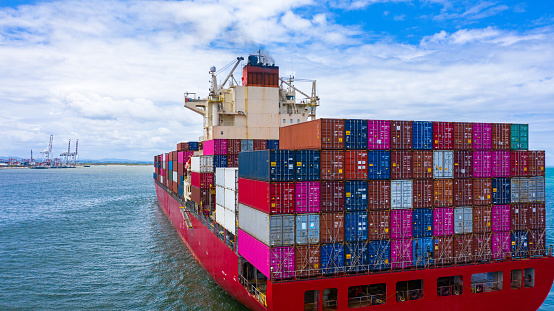
Shipping Container Costs from China: A Complete 2025 Guide
When planning global trade, few questions are as important as shipping container costs from China. For importers and exporters, container prices directly influence profit margins, delivery schedules, and supply chain efficiency. Costs vary depending on transportation methods, destination, container type, and seasonal fluctuations. However, with the right strategies, businesses can save money, shorten delivery times, and streamline customs procedures.
This guide from TJ China Freight explores cost structures, container types, customs requirements, and transport options, while also offering practical tips for reducing expenses.


What Factors Influence Shipping Container Costs from China?
Several variables determine container freight rates, and understanding them is essential for accurate budgeting.
| Factor | Description | Impact on Cost |
|---|---|---|
| Container size | 20ft, 40ft, or 40ft HQ | Larger containers cost more but reduce unit cost |
| Transport mode | Sea freight, air freight, rail freight, or multimodal | Air is fastest but most expensive |
| Distance & route | From China to Europe, China to North America, or shorter Asian routes | Longer distances increase costs |
| Seasonal demand | Peak seasons (before holidays, Q4) raise rates | Costs may surge up to 30% |
| Customs clearance | Documentation, duties, and delays | Adds extra fees |
| Cargo insurance | Protection against damage/loss | Small cost compared to risk |
How Much Do Different Containers Cost?
Container shipping costs depend on size and destination. Below is a general 2025 rate range.
| Container Type | Average Cost (China to Europe) | Average Cost (China to North America) | Average Cost (China to Australia) |
|---|---|---|---|
| 20ft Standard | $2,200 – $3,500 | $2,800 – $4,200 | $1,900 – $3,000 |
| 40ft Standard | $3,800 – $5,800 | $4,200 – $6,500 | $3,200 – $4,800 |
| 40ft High Cube | $4,000 – $6,200 | $4,500 – $6,900 | $3,400 – $5,000 |
These figures fluctuate based on global fuel prices, container availability, and supply chain disruptions.
Which Transportation Method Should You Choose?
Choosing the right shipping mode is critical for balancing cost, speed, and reliability.
| Mode | Average Delivery Time | Cost Level | Advantages | Disadvantages |
|---|---|---|---|---|
| Sea Freight | 25–40 days | Low | Economical, best for large volumes | Slower, weather delays possible |
| Air Freight | 5–10 days | High | Fastest, ideal for urgent cargo | Expensive, weight restrictions |
| Rail Freight (China–Europe only) | 15–22 days | Medium | Balanced speed & cost, eco-friendly | Limited destinations |
| Combined transport | 15–30 days | Medium | Flexible, cost-efficient | Coordination complexity |
For example, businesses shipping from China to Europe often prefer rail freight for mid-sized cargo, while from China to Australia typically relies on sea freight for bulk goods.
How Do Customs and Documentation Affect Costs?
Customs clearance plays a major role in total shipping costs. Incorrect or missing documents can lead to costly delays. Essential paperwork includes:
| Document | Purpose |
|---|---|
| Bill of Lading | Evidence of shipment |
| Commercial Invoice | Declares value of goods |
| Packing List | Details shipment contents |
| Certificate of Origin | Required for trade compliance |
| Customs Declaration | Filed with authorities |
Using a customs clearance agency service like the one provided by TJ China Freight ensures compliance and helps avoid penalties.
Why Do Container Prices Fluctuate?
Prices are highly dynamic due to external factors:
- Fuel surcharges – Rising oil prices increase freight rates.
- Global demand cycles – High demand before Chinese New Year drives up costs.
- Port congestion – Delays at ports in China to South America or China to the Middle East may trigger extra fees.
- Geopolitical events – Tariffs, strikes, and conflicts impact trade routes.
Therefore, businesses should monitor freight indices and work with reliable logistics partners to lock in favorable rates.
Can Businesses Reduce Container Shipping Costs from China?
Yes, with smart planning. Here are effective cost-reduction strategies:
- Book early: Secure lower rates before peak season.
- Choose full container load (FCL): Cheaper per unit than less-than-container load (LCL).
- Bundle shipments: Consolidating goods reduces overhead.
- Use professional freight forwarders: Companies like TJ China Freight provide cost-optimized solutions.
- Leverage warehousing: Temporary storage near ports avoids demurrage fees.
How Does Delivery Time Compare Across Regions?
| Destination | Average Transit Time (Sea) | Average Transit Time (Air) |
|---|---|---|
| China to North America | 28–40 days | 6–8 days |
| China to South America | 30–45 days | 7–10 days |
| China to Europe | 25–35 days | 5–7 days |
| China to Australia | 18–25 days | 5–7 days |
| China to India | 15–20 days | 3–5 days |
| China to the Middle East | 15–22 days | 4–6 days |
| China to Africa | 30–40 days | 7–9 days |
This comparison highlights why many companies use air freight for time-sensitive goods but stick to sea freight for heavy cargo.
What Role Does Insurance Play in Container Shipping?
While many businesses try to cut costs, cargo insurance is critical. International shipping exposes goods to risks like storms, theft, or port accidents. Insurance usually costs less than 1% of cargo value but provides peace of mind.
Are Express Services Worth the Extra Cost?
For small parcels or urgent shipments, express services are faster and more convenient. Although not suitable for full containers, they are valuable for samples, e-commerce, and last-mile deliveries. Many e-commerce sellers rely on Amazon FBA integration to streamline this process.
What Are the Pros and Cons of Each Transport Method?
| Method | Pros | Cons |
|---|---|---|
| Sea Freight | Low cost, high capacity | Slow, less predictable |
| Air Freight | Fast, reliable | Expensive |
| Rail Freight (Europe only) | Balanced speed & cost, greener | Limited coverage |
| Express Service | Fastest for small cargo | High per-unit cost |
This overview helps businesses choose the most suitable method depending on cargo type, urgency, and budget.
Conclusion
Understanding shipping container costs from China is essential for optimizing your supply chain. Costs are influenced by container type, transport method, customs procedures, and global market conditions. While sea freight remains the most economical choice, air freight and rail freight offer speed and flexibility for specific needs. Businesses should carefully analyze routes—whether shipping from China to Africa, China to Australia, or China to Europe—to balance cost and efficiency.
By partnering with experienced providers like TJ China Freight, importers can reduce risks, control expenses, and ensure timely deliveries.
FAQs(click to expand and view)
The cheapest option is usually sea freight, especially for full container loads. Costs per unit are lower compared to air or express methods. However, transit times are longer. Working with a reliable forwarder helps optimize routes and avoid hidden charges.
In 2025, prices range between $2,800 and $4,200 depending on season, demand, and port congestion. Costs also vary depending on whether the port of entry is on the East or West Coast.
Yes, cargo insurance is strongly recommended. Even though freight companies handle goods carefully, risks like rough seas, theft, or port delays exist. Insurance provides coverage for financial security.
No, express shipping is designed for small packages and urgent deliveries. For larger shipments, sea freight or air freight is more appropriate. However, many companies use a mix—sending urgent items by express and bulk cargo by sea.
Customs clearance fees vary depending on the country and type of cargo. Missing or incorrect documents can cause delays, fines, or storage charges. Using a customs clearance agency service ensures smooth processing and reduces risks of unexpected costs.