

Shipping China to Canada
For businesses importing goods, understanding the intricacies of shipping China to Canada is essential for efficient supply chain management. Importers often face questions about transit time, costs, customs clearance, and freight options. With global trade dynamics constantly evolving, relying on an experienced partner like TJ China Freight ensures smooth operations and cost-effective solutions.
This guide explores all aspects of shipping from China to Canada, from freight modes and service options to pricing considerations and regulatory requirements.
Why Costs for Shipping China to Canada Vary
Several factors influence the total expense of shipping from China to Canada:
- Freight Mode – Sea freight, air freight, and express services differ drastically in price.
- Fuel Surcharges – Volatile fuel prices can impact rates for all transportation methods.
- Port Congestion – Delays at major Chinese and Canadian ports can add costs.
- Seasonal Demand – Peak shipping seasons like Q4 and Chinese New Year increase rates.
- Container Availability – Limited containers can result in higher sea freight costs.
- Customs and Duties – Tariffs, taxes, and documentation fees affect overall shipping costs.
Being aware of these variables helps importers anticipate and budget for their shipments more accurately.
Transportation Methods from China to Canada
The choice of transportation method has the greatest effect on cost and delivery time.
Sea Freight

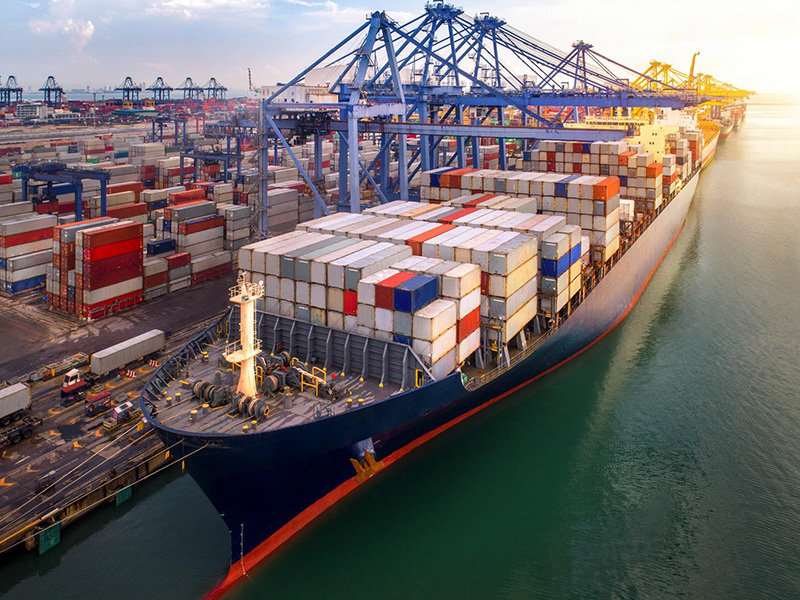
Sea freight remains the most economical solution for large and heavy cargo. Shipping rates are typically calculated based on container type (FCL vs. LCL), container size (20ft, 40ft, 40HQ), and route. For example, sea freight from China to Europe often uses similar logistics planning, with transit times longer but lower costs than air transport.
| Method | Transit Time | Advantages | Disadvantages | Typical Cost* |
|---|---|---|---|---|
| FCL Sea Freight | 20–40 days | Cost-effective for large shipments | Longer delivery time | $2,500–$3,200 per 20ft container |
| LCL Sea Freight | 25–45 days | Flexible for smaller shipments | Higher per unit cost | $50–$80 per cubic meter |
*Costs are indicative and vary based on market conditions.
Air Freight

Air freight offers faster delivery, typically 3–7 days, but at a higher cost. Prices are calculated by chargeable weight (higher of actual or dimensional weight). This method is ideal for high-value or time-sensitive shipments. Many companies leverage air freight for electronics, fashion, or perishable goods.
Express Services
For small parcels and urgent shipments, express couriers provide fast and reliable service. Though more expensive per kilogram, they are often preferred for e-commerce orders, especially when integrating with Amazon or other marketplaces.
Door-to-Door Solutions
Integrated door-to-door services include pickup from the supplier, international shipping, customs clearance, and final delivery to the consignee. This approach reduces complexity and ensures end-to-end visibility.
Services That Affect Shipping Costs
When shipping from China to Canada, additional services may influence total costs and efficiency:
- Customs clearance agency services – Ensures compliance with Canadian import regulations.
- Warehousing – Temporary storage before last-mile delivery.
- Cargo insurance – Protects against loss or damage during transit.
- Amazon FBA support – Specialized handling and prep for e-commerce sellers.
- Import services – Coordination of all administrative and regulatory requirements.
Each service adds value, reducing risks and improving reliability.
Factors Determining Regional Shipping Costs
Shipping costs vary by route and destination. Key considerations for Canada include:
- Major Ports – Vancouver, Montreal, and Halifax see high volumes and competition, influencing rates.
- Transit Times – Sea freight can take 20–40 days, air freight 3–7 days, express 1–3 days.
- Local Delivery – Inland trucking from port to warehouse or final destination adds additional costs.
Working with a professional freight forwarder ensures the right combination of mode and services for cost efficiency.
How to Calculate Shipping Costs
Estimating shipping costs accurately requires consideration of all components:
- Freight charges (sea, air, or express)
- Customs duties and taxes
- Inland transportation in Canada
- Port handling and documentation fees
- Cargo insurance premiums
Using a China freight calculator or consulting with a logistics partner ensures a more precise cost estimate.
Tips for Reducing Shipping Costs
- Plan in advance – Book during off-peak periods to avoid surcharges.
- Optimize packaging – Reduce dimensional weight and save on air freight.
- Choose FCL when possible – Economies of scale lower per-unit costs.
- Consolidate shipments – Reduces overall freight charges.
- Use a reliable forwarder – Negotiated rates and comprehensive services save money.
Why Partner with a Freight Forwarder
An experienced freight forwarder simplifies global trade and ensures smooth operations:
- Offers comprehensive import services.
- Provides competitive rates for sea freight and air freight.
- Delivers end-to-end solutions, including customs clearance agency services and door-to-door logistics.
- Advises on cost-effective strategies and compliance with Canadian regulations.
Real-World Examples of Shipping Costs
- 20ft container of electronics via sea freight: approx. $2,800–$3,500 to Vancouver.
- 150kg air shipment of garments: approx. $1,200–$1,600 to Toronto.
- 25kg express parcel from Shanghai to Montreal: approx. $350–$450.
These examples demonstrate that shipping China to Canada costs vary depending on mode, volume, and urgency.
Conclusion
In conclusion, businesses asking how much does shipping China to Canada should consider multiple factors: freight mode, service selection, additional logistics services, and destination-specific requirements. A professional forwarder like TJ China Freight provides comprehensive solutions with sea freight, air freight, and value-added services such as customs clearance agency services and door-to-door delivery. With proper planning and partnership, importers can reduce costs, minimize risk, and maintain supply chain efficiency.
FAQs(click to expand and view )
Sea freight is generally the cheapest option for bulk shipments. Full Container Load (FCL) is preferable when shipping large volumes, while Less than Container Load (LCL) can be used for smaller orders but with higher per-unit costs.
Sea freight typically takes 20–40 days depending on the port and route. Air freight is faster, usually 3–7 days, and express services can deliver within 1–3 days for smaller packages.
No, freight rates usually only cover transportation. Customs duties, taxes, and other regulatory fees must be accounted for separately.
Plan shipments in advance, consolidate orders, choose FCL where feasible, optimize packaging, and work with a trusted freight forwarder to negotiate competitive rates.
Yes. Many freight forwarders provide complete door-to-door services, including pickup, international transport, customs clearance, and final delivery to the consignee.