

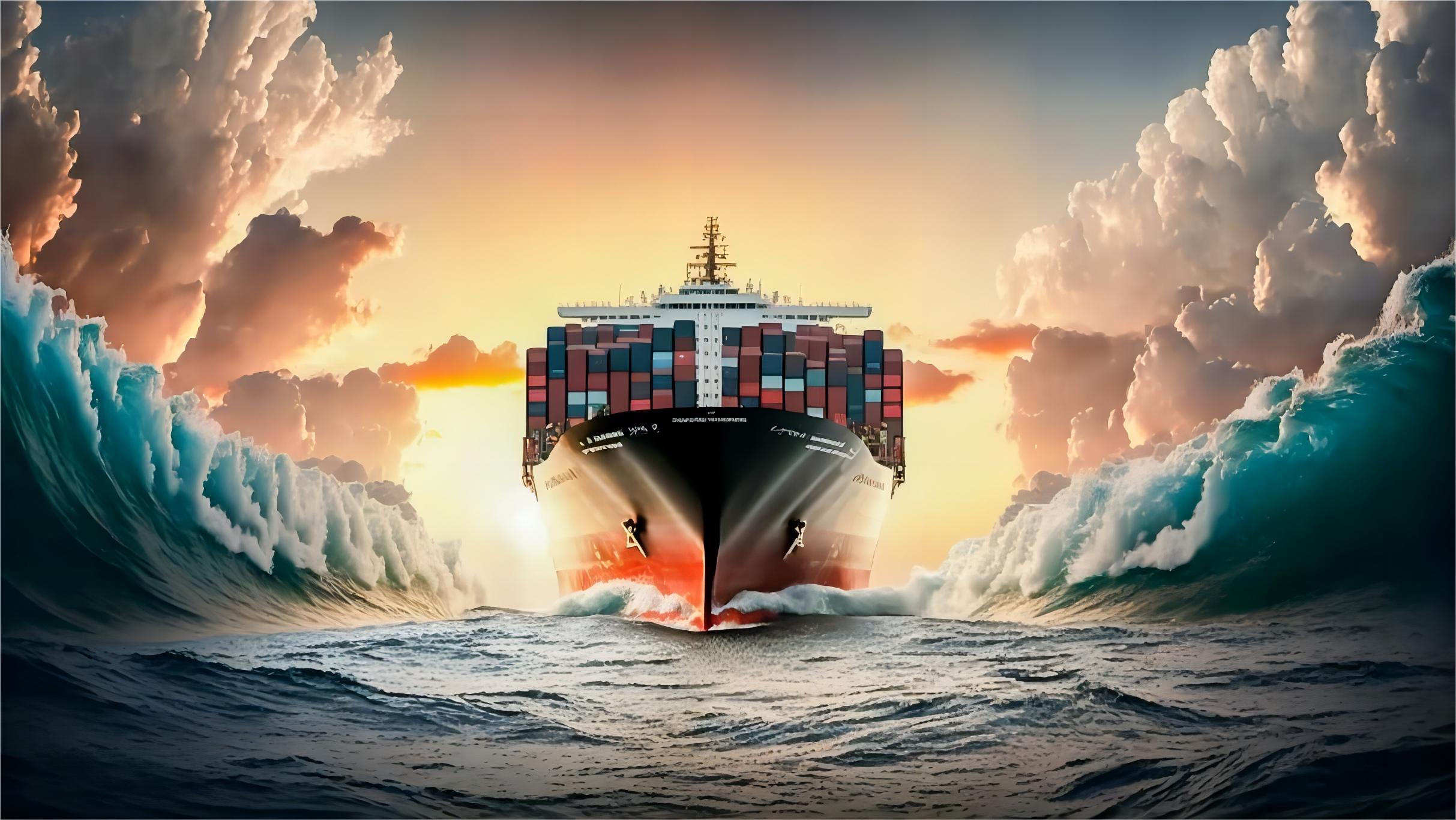
Securing 40HQ FCL Space: China Electronics to Miami
Navigating international shipping for electronics is complex. Finding reliable 40HQ FCL space availability for electronics from China to Miami is a significant challenge. This guide offers insights into securing optimal freight solutions for efficient delivery.

Understanding 40HQ FCL Shipping for Electronics
Strategic logistics planning is essential for importing electronics from China to Miami. It ensures cost-efficiency and timely market entry. Understanding Full Container Load (FCL) shipping, especially 40HQ containers, is paramount for larger volumes.
What is 40HQ FCL?
A 40HQ FCL is a 40-foot high cube container exclusively filled with one shipper’s cargo. This provides increased cubic capacity, beneficial for bulky electronics. Your goods occupy the entire container, reducing handling risks.
Why FCL for Electronics?
FCL shipping is ideal for delicate, high-value electronics due to enhanced security and efficiency. Dedicated containers minimize damage or theft risks. FCL typically offers faster transit times than LCL, avoiding consolidation delays.
Current 40HQ FCL Space Availability: China to Miami
Securing 40HQ FCL space for electronics from China to Miami fluctuates with market dynamics. Global supply chain disruptions and seasonal demand impact capacity. Importers must stay informed to navigate these trends effectively.
Peak shipping seasons often tighten space and raise freight rates. Proactive booking and flexible planning are crucial. Partnering with a freight forwarder provides vital insights and access to carrier slots.
Key Factors Influencing Your Shipping Strategy
Critical elements dictate successful electronics shipments. Understanding these factors allows informed decisions, optimizing logistics and reducing costs. Careful consideration helps mitigate potential risks.
Freight Rates and Shipping Costs
Freight rates for 40HQ FCL from China to Miami are dynamic, influenced by fuel, capacity, and demand. Rates change weekly, challenging budgeting. Long-term contracts or advance booking can stabilize costs.
Beyond ocean freight, terminal handling, documentation, and local delivery charges add to total shipping costs. A comprehensive quote ensures transparency and avoids surprises.
Transit Times and Delivery Schedules
Typical transit for 40HQ FCL from China to Miami is 30-35 days. However, port congestion or customs delays can extend this. Planning for contingencies and considering the entire door-to-door schedule is crucial for predictability.
Customs Clearance and Documentation
Navigating customs clearance is essential for electronics imports. Accurate documentation prevents delays and penalties, ensuring compliance with US regulations. A professional customs brokerage service streamlines this, handling duties and paperwork for smooth entry.

How Does Sea Freight Compare to Other Shipping Options?
Businesses have several options for shipping electronics, each with distinct advantages. Choosing the right method depends on priorities: cost, speed, or cargo type. Sea freight is generally most economical for large volumes. Understanding these trade-offs optimizes your supply chain.
| Shipping Method | Cost Range (40HQ equivalent) | Transit Time (China to Miami) | Best For | Limitations |
|---|---|---|---|---|
| Sea Freight (FCL) | $4,500 – $6,000 | 30 – 35 days | Large volumes, cost-sensitive, non-urgent | Slower, susceptible to port delays |
| Sea Freight (LCL) | $80 – $120 per CBM | 35 – 45 days | Smaller volumes (under 15 CBM), cost-sensitive | Slower, more handling, potential delays |
| Air Freight | $15,000 – $25,000+ | 5 – 7 days | High-value, urgent, time-sensitive, smaller volumes | Very high cost, volume/weight restrictions |

FCL vs. LCL: Which is Right for Your Electronics?
FCL is preferred for electronics due to security and efficiency, offering a dedicated container. LCL suits smaller shipments, being more cost-effective for lower volumes. However, LCL involves more handling and longer transit times.
Sea Freight vs. Air Freight for Electronics
Sea freight is cost-effective for large, non-urgent electronics, with significant savings for 40HQ FCL. Transit times are 30-35 days to Miami. Conversely, air freight delivers in 5-7 days for urgent, high-value items but at substantially higher costs.
Optimizing Your Logistics: Strategies for Electronics Shipments
Efficient logistics are paramount for competitive electronics businesses. Smart strategies reduce costs and lead times through careful planning and partner selection. Optimizing your supply chain ensures steady product flow and effective inventory management.
Hybrid Solutions and Cost-Saving Approaches
Hybrid shipping, like sea-air combinations, balances speed and cost. This can cut transit time compared to pure sea, at a lower cost than pure air. Consolidating multiple orders into a single 40HQ FCL also yields savings by maximizing container utilization.
The Role of a Reliable Freight Forwarder
A reputable freight forwarder is indispensable for managing complex electronics shipments. They navigate customs, negotiate rates, and arrange logistics, ensuring compliance and efficiency. Comprehensive door-to-door services simplify operations from factory to Miami delivery.
Real-World Case Studies: Electronics Shipping Success
Practical case studies illustrate solutions for electronics shipping complexities, showcasing effective strategies. These real-world insights offer valuable lessons for importers. Understanding these scenarios can help optimize your supply chain.
Note: Freight rates are subject to change based on fuel costs, carrier capacity, and seasonal demand. Contact us for a current quote tailored to your specific shipment. Typical rates as of early 2025.
Case Study 1: High-Volume Consumer Electronics
A large distributor needed cost-effective, consistent 40HQ FCL space for electronics from China to Miami. Securing multiple monthly 40HQ FCL bookings ensured stable capacity and predictable transit times, leveraging volume for favorable rates.
| Detail | Description | ||||
|---|---|---|---|---|---|
| Route | Shenzhen, China -> Miami, USA | ||||
| Cargo | Smart Home Devices, 65 CBM, 15,000 kg | ||||
| Container | 40HQ FCL | ||||
| Shipping Details | Carrier: COSCO, Port of Loading: Yantian, Port of Discharge: Miami, Route Type: Direct | ||||
| Cost Breakdown | Ocean Freight: $4,800 | Origin Charges: $450 | Destination Charges: $550 | Customs & Duties (estimated): $1,200 | Total Landed Cost: $7,000 |
| Timeline | Booking to Loading: 5 days | Sea Transit: 32 days | Customs Clearance: 3 days | Total Door-to-Door: 38 days | |
| Key Insight | Proactive booking and dedicated FCL space ensured cost stability and timely delivery for high-volume, regular shipments. |
Case Study 2: Time-Sensitive New Product Launch
An e-commerce retailer needed rapid delivery for a new audio device launch in Miami. They used express service and air freight for the initial batch to meet deadlines. Subsequent replenishment shifted to 40HQ FCL sea freight for cost efficiency.
| Detail | Description | ||||
|---|---|---|---|---|---|
| Route | Shanghai, China -> Miami, USA | ||||
| Cargo | Portable Audio Devices, 8 CBM, 2,000 kg | ||||
| Container | Air Freight (equivalent to LCL for sea) | ||||
| Shipping Details | Carrier: Cathay Pacific Cargo, Port of Loading: PVG, Port of Discharge: MIA, Route Type: Direct Air | ||||
| Cost Breakdown | Air Freight: $9,500 | Origin Charges: $300 | Destination Charges: $250 | Customs & Duties (estimated): $500 | Total Landed Cost: $10,550 |
| Timeline | Booking to Loading: 2 days | Air Transit: 6 days | Customs Clearance: 1 day | Total Door-to-Door: 9 days | |
| Key Insight | Prioritizing speed with air freight for a product launch, then transitioning to sea freight for ongoing inventory, balanced market entry with cost control. |
Case Study 3: Navigating Peak Season Challenges
A small business struggled to secure 40HQ FCL space for electronics from China to Miami during Q4. Their freight forwarder found alternative carrier slots and advised on packaging. This proactive approach guaranteed delivery despite peak season shortages.
| Detail | Description | ||||
|---|---|---|---|---|---|
| Route | Ningbo, China -> Miami, USA | ||||
| Cargo | Small Kitchen Appliances (electronics), 60 CBM, 12,000 kg | ||||
| Container | 40HQ FCL | ||||
| Shipping Details | Carrier: OOCL (alternative), Port of Loading: Ningbo, Port of Discharge: Miami, Route Type: Transshipment via Panama | ||||
| Cost Breakdown | Ocean Freight: $6,200 | Origin Charges: $500 | Destination Charges: $600 | Customs & Duties (estimated): $1,500 | Total Landed Cost: $8,800 |
| Timeline | Booking to Loading: 7 days | Sea Transit: 38 days | Customs Clearance: 4 days | Total Door-to-Door: 49 days | |
| Key Insight | Flexibility with carriers and routes, plus early booking, was crucial to overcome peak season capacity shortages and price surges. |

Which Option Should You Choose for Your China to Miami Shipments?
Selecting the optimal shipping method for electronics requires understanding your business priorities. Each scenario presents different trade-offs in budget, urgency, and cargo type. This framework helps align choices with business objectives.
Budget Priority
For minimizing shipping costs, 40HQ FCL sea freight is most economical for large electronics volumes. Expect longer transit times (30-35 days), requiring robust inventory management. Optimizing container loading and exploring less direct routes can also save costs.
Speed Priority
Air freight is unmatched for urgent electronics, delivering in 5-7 days for rapid market entry. This premium service comes with significantly higher costs. Hybrid solutions like sea-air offer a middle ground, balancing speed and budget effectively.
Cargo Type Considerations
Delicate or high-value electronics benefit from FCL sea freight’s dedicated space and reduced handling. This minimizes damage risk. Proper packaging and specialized handling with insurance are crucial. Discuss specific requirements with your freight forwarder.
Volume Thresholds for Switching Methods
A 40HQ FCL becomes more cost-effective than LCL for electronics exceeding 15 CBM. The tipping point for switching is typically 10-15 CBM, where per-unit costs drop significantly. For smaller volumes, consider dedicated small parcel express or comparing 20GP vs. 40HQ FCL.
Conclusion
In summary, ensuring efficient <a href=”https://bestchinafreight.com/”>40HQ FCL space availability for electronics from China to Miami</a> requires strategic planning and market awareness. By understanding freight rates, transit times, and customs procedures, businesses can make informed decisions. Partnering with a knowledgeable freight forwarder like TJ China Freight is key to navigating these complexities successfully.
Start Your Shipment
Ready to optimize your electronics shipping from China to Miami? Securing reliable 40HQ FCL space availability is easier with expert assistance. Contact TJ China Freight today for a personalized quote and streamline your supply chain.
Request Quote