

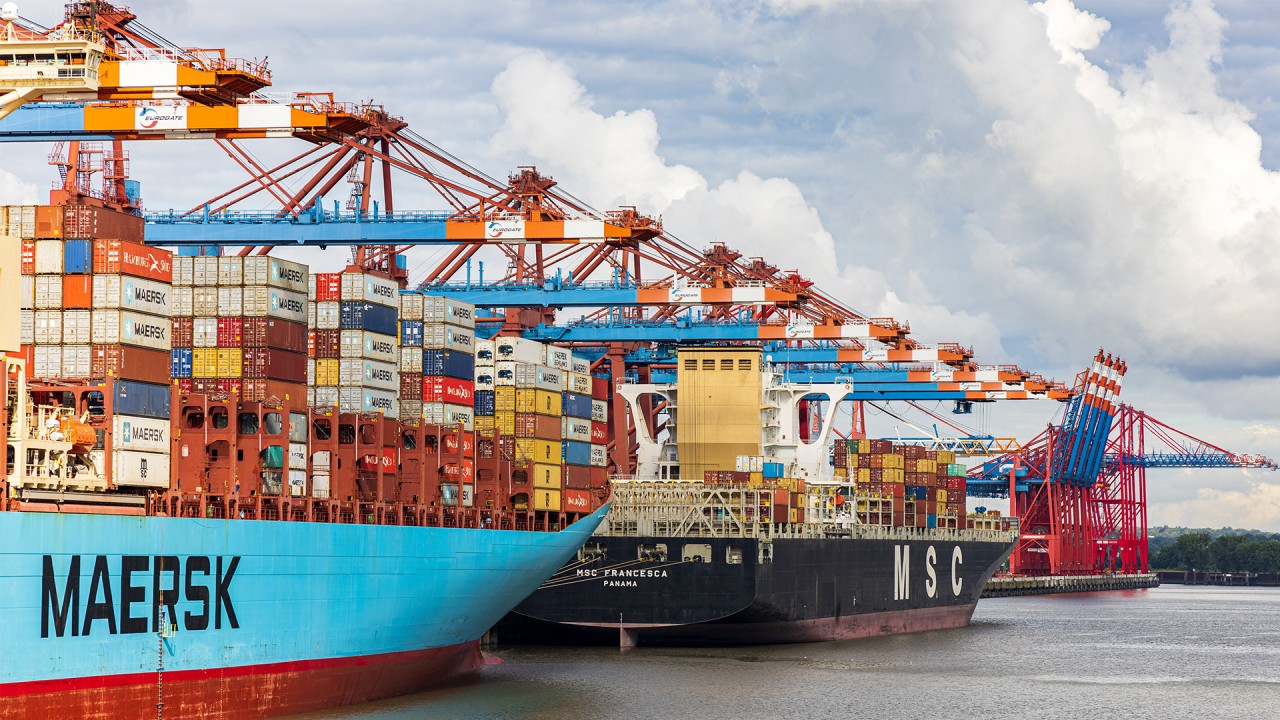
Sea Freight from China to Indonesia | Your Complete Shipping Guide
Shipping goods across international borders can be complex, especially when navigating sea freight from China to Indonesia. Businesses often struggle with cost estimation, delivery time, and customs compliance. Using a structured approach and professional services ensures smooth transit, reduced delays, and predictable shipping costs. This guide explains everything you need to know to manage your shipments effectively.
What Is Sea Freight and Why Choose It for Indonesia?
Sea freight from China to Indonesia refers to shipping goods via cargo vessels, which is the most common method for bulk shipments. Compared to air transport, sea freight is:
- More cost-effective for large shipments
- Capable of handling oversized or heavy cargo
- Flexible with various container options, including FCL and LCL
Choosing sea freight allows businesses to optimize transportation costs while ensuring their goods reach Indonesia safely.
How to Estimate Costs Using a Sea Freight Approach
Cost estimation is crucial. Factors impacting sea freight from China to Indonesia include:
- Container type: 20ft, 40ft, or high cube containers
- Cargo weight and volume: Determines whether FCL or LCL is suitable
- Port charges and local fees: Indonesian ports have specific handling charges
- Surcharges: Fuel, peak season, and security fees
- Customs duties and documentation: Proper paperwork avoids delays
Using these inputs, businesses can obtain accurate shipping costs for budgeting and planning.

Comparison of Transportation Methods for China-Indonesia Trade
While sea freight is dominant, businesses sometimes consider alternatives. Below is a comparison:
| Method | Estimated Cost | Average Delivery Time | Advantages | Disadvantages |
|---|---|---|---|---|
| Sea Freight | $50–$90 per CBM | 15–25 days | Economical, suitable for bulk | Slower transit |
| Air Freight | $5–$8 per kg | 3–7 days | Fast delivery, suitable for urgent items | High cost |
| Express Services | $8–$12 per kg | 2–5 days | Door-to-door, fast customs | Expensive for heavy cargo |
What Are the Container Options for Sea Freight?
Understanding container types helps optimize costs:
| Container Type | Capacity | Best For |
|---|---|---|
| 20ft Standard | 33 CBM | Small shipments or heavy goods |
| 40ft Standard | 67 CBM | Larger shipments |
| 40ft High Cube | 76 CBM | Bulky but lighter cargo |
| LCL (Less than Container Load) | Shared container | Small shipments to reduce costs |
Selecting the right container reduces unnecessary fees and ensures safer cargo handling.
How to Manage Customs for Indonesia Shipments

Proper customs documentation is essential. Typical requirements for sea freight from China to Indonesia include:
| Document | Purpose |
|---|---|
| Bill of Lading | Proof of shipment ownership |
| Commercial Invoice | Details of goods for customs |
| Packing List | Verification of items and quantities |
| Certificate of Origin | Validates origin for duty purposes |
| Import License (if required) | Compliance with Indonesian regulations |
A logistics partner can handle these documents to prevent delays and extra costs.
Why Businesses Should Use Professional Services
Partnering with a logistics agent in China, like TJ China Freight, offers multiple benefits for sea freight from China to Indonesia:
- Cost transparency: Accurate quotes and minimized hidden fees
- Efficient handling: Warehousing, cargo insurance, and door-to-door services
- Faster customs clearance: Expertise in regulatory compliance
- Supply chain optimization: Smooth integration with Amazon FBA or other platforms
How Long Does Sea Freight from China to Indonesia Take?
Transit time depends on departure and arrival ports:
| Route | Estimated Delivery Time |
|---|---|
| Shanghai to Jakarta | 15–20 days |
| Shenzhen to Surabaya | 18–25 days |
| Ningbo to Medan | 20–25 days |
Seasonal factors, port congestion, and holidays may slightly affect these timelines.
Advantages of Sea Freight Over Other Methods
- Cost efficiency for bulk and heavy cargo
- Flexibility in shipment size and container choice
- Safer transport for large consignments
- Environmentally friendly compared to air freight
However, businesses must account for longer delivery times and potential port delays.
Tips for Optimizing Your Sea Freight Shipments
- Book early during peak seasons to secure slots
- Use full container loads to maximize economies of scale
- Verify cargo weight and dimensions before quoting
- Consider door-to-door services for seamless delivery
- Consult your logistics agent for customs and insurance advice
Conclusion
Shipping via sea freight from China to Indonesia remains the most cost-effective solution for large shipments. By understanding container options, transport methods, and customs documentation, businesses can optimize costs and avoid delays. Partnering with TJ China Freight ensures reliable service, accurate quotations, and smooth logistics operations across international supply chains.
FAQs(click to expand and view )
Costs vary depending on container size, shipment volume, and destination port. For example, a 20ft container may range from $50–$90 per CBM, while a 40ft container could be $90–$120 per CBM. Using a China freight calculator can provide more precise estimates.
Yes, hybrid solutions like combined transportation allow urgent portions to be shipped via air while bulk items move by sea. This strategy optimizes cost without compromising delivery timelines.
It is highly recommended. Cargo insurance protects shipments from loss, damage, or delays, ensuring financial security and peace of mind during transit.
Proper documentation, including a commercial invoice, packing list, and certificate of origin, is critical. Working with a trusted logistics partner like TJ China Freight ensures smoother customs clearance.
Hazardous or perishable items may require special handling or alternative transportation methods. Check regulations before shipping and consult your logistics agent for guidance.