

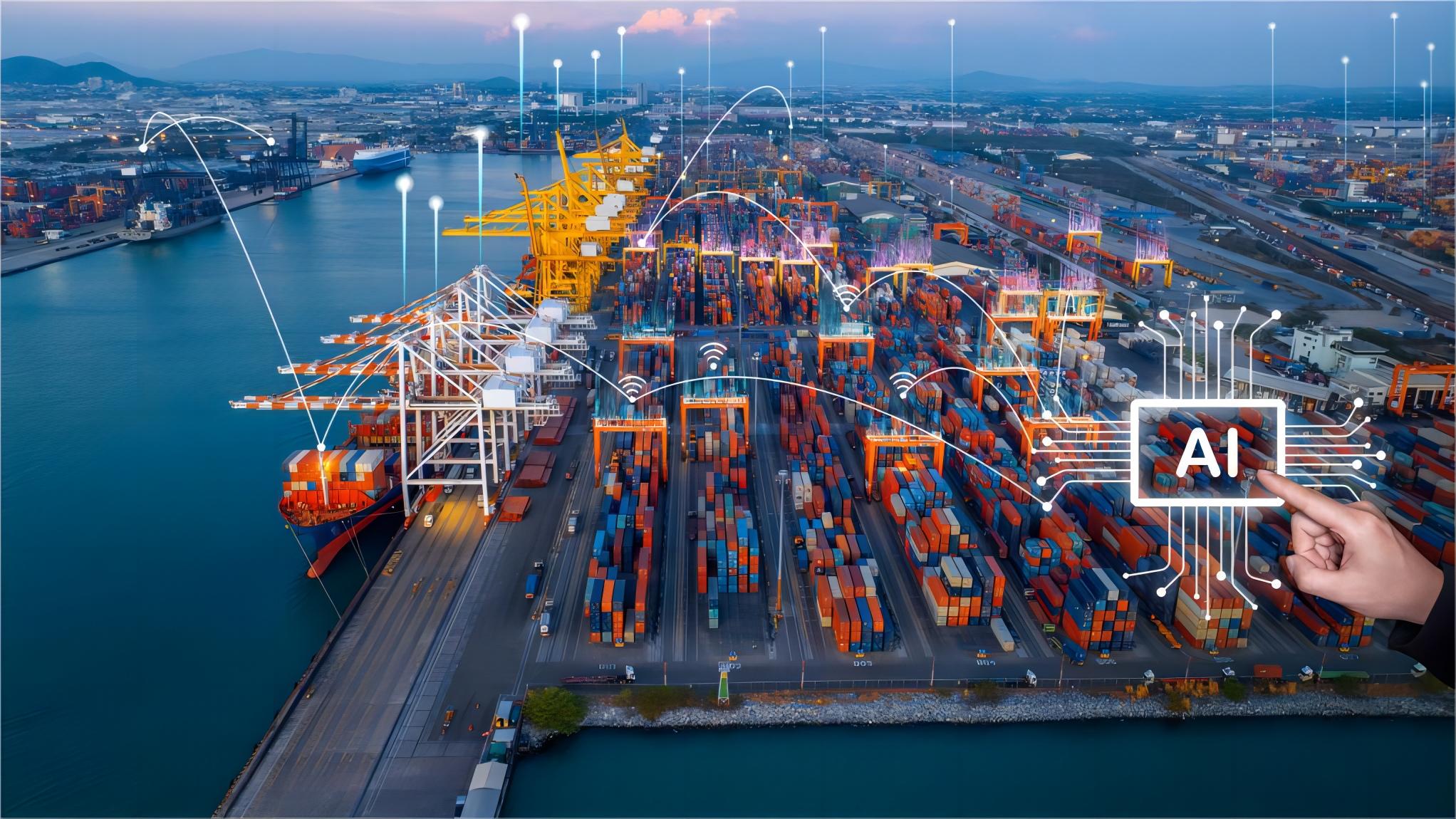
Optimizing Your China FCL Container Loading Service to Europe
Navigating international shipping can be complex, especially when moving large volumes of goods from China to Europe. A reliable freight forwarder is crucial for ensuring your cargo arrives safely and on schedule. This guide explores the intricacies of China FCL container loading service to Europe, offering insights into optimizing your logistics strategy. We aim to simplify your import process and enhance your supply chain efficiency.
✦
What is FCL Shipping and Why Choose it for Europe?
Full Container Load (FCL) shipping designates that an entire shipping container is reserved for a single shipper’s cargo. This method is highly favored by businesses exporting substantial volumes from China to Europe. It offers a dedicated space for your goods, ensuring security and efficiency.
Choosing FCL for your European bound shipments means your cargo travels directly to its destination port without intermediate handling or consolidation. Consequently, this minimizes potential damage or delays often associated with shared container space. It is a premium choice for high-value or time-sensitive large consignments.
Furthermore, FCL provides greater control over transit times and delivery schedules. This predictability is invaluable for supply chain management, allowing for better inventory planning. Businesses often find sea freight FCL to be the most cost-effective option for large shipments to Europe, especially when compared to air freight alternatives.
Key Benefits of China FCL Container Loading Service to Europe
Opting for a China FCL container loading service to Europe brings several distinct advantages. Primarily, enhanced security is a major benefit. Your goods are sealed in a dedicated container at the origin, reducing the risk of theft or damage during transit.
Moreover, FCL shipping significantly reduces transit times compared to Less than Container Load (LCL) shipments. This is because there is no need for consolidation or deconsolidation at various ports. Your container moves directly from the port of loading to the port of discharge.
Additionally, FCL offers superior cost-effectiveness for larger volumes. Once your cargo fills a significant portion of a container, the per-unit cost becomes substantially lower than LCL. This makes it an ideal solution for businesses with consistent, high-volume shipping needs. We assist clients in achieving predictable transit times China Europe with our optimized FCL services.
Ultimately, FCL provides greater control and flexibility over your shipping schedule. You can dictate the loading and unloading times more precisely. This level of control is crucial for managing inventory and meeting tight delivery deadlines across the European market, enhancing overall supply chain efficiency.
Understanding the FCL Shipping Process: China to Europe
The FCL shipping process from China to Europe involves several critical stages, each requiring meticulous attention. From initial booking to final delivery, a structured approach ensures smooth operations. Understanding these steps helps businesses prepare adequately for their imports.
Pre-Shipment Planning and Documentation
Initially, planning begins with selecting the appropriate container size and booking space with a reputable carrier. This step is essential for securing your cargo’s journey. Necessary documents include the commercial invoice, packing list, bill of lading, and various export licenses.
Furthermore, accurate and complete documentation is paramount for avoiding customs delays. Our customs brokerage services ensure all paperwork complies with both Chinese export and European import regulations. This proactive approach streamlines the entire shipping process, addressing all required documents for FCL shipping Europe.
Container Loading and Port Operations
Subsequently, the empty container is transported to your supplier’s factory or a designated warehouse for loading. Proper loading techniques are vital to prevent damage during transit. Goods must be securely packed and braced within the container.
Following loading, the sealed container is drayed to the port of loading, such as Shanghai, Ningbo, or Shenzhen. Here, it undergoes export customs clearance and is then stacked, awaiting vessel departure. Efficient port operations are key to maintaining schedules.
Ocean Transit and Tracking
Once loaded onto the vessel, the container embarks on its ocean voyage to Europe. Major destination ports include Rotterdam, Hamburg, and Felixstowe. The sea transit typically ranges from 28 to 38 days, depending on the specific route and carrier.
During transit, advanced tracking systems allow you to monitor your shipment’s progress in real-time. This visibility provides peace of mind and enables proactive planning for arrival. Keeping track of your container’s location is a crucial aspect of modern logistics.
Customs Clearance and Final Delivery
Upon arrival at the European port, the container undergoes import customs clearance. This involves reviewing documentation, assessing duties, and ensuring compliance with local regulations. Smooth customs procedures are critical for timely release of goods.
Finally, after clearance, the container is drayed from the port to your designated warehouse or distribution center. Many shippers opt for comprehensive door-to-door services to manage this final leg efficiently. This ensures a seamless transition from port to your facility.

Container Types and Capacity for Your European Shipments
Selecting the correct container type and size is fundamental for optimizing your China FCL container loading service to Europe. The choice depends on the volume, weight, and nature of your cargo. Each container type offers specific dimensions and capabilities.
Standard dry containers are the most common, available in 20-foot and 40-foot lengths. High cube containers, typically 40-foot, provide extra vertical space for lighter, bulkier goods. Knowing the standard container dimensions for China Europe is vital for efficient packing.
| Container Type | External Dimensions (L x W x H) | Capacity (CBM) | Max Payload (kg) |
|---|---|---|---|
| 20-foot GP (General Purpose) | 6.06m x 2.44m x 2.59m | 33 CBM | 28,000 kg |
| 40-foot GP (General Purpose) | 12.19m x 2.44m x 2.59m | 67 CBM | 26,000 kg |
| 40-foot HQ (High Cube) | 12.19m x 2.44m x 2.89m | 76 CBM | 26,000 kg |
| Reefer (Refrigerated) | Various | 28-67 CBM | 27,000 kg |
How Does FCL Compare to Other Shipping Options?
When planning your logistics from China to Europe, evaluating various shipping methods is crucial. FCL sea freight stands as a primary choice, but alternatives like LCL, air freight, and rail freight also offer distinct advantages depending on your specific needs. Each option presents a unique balance of cost, speed, and capacity.
Understanding these differences helps in making informed decisions for your supply chain. We provide an objective analysis to guide your choice. This section will delve into the nuances of each method, offering insights into their suitability for different cargo types and urgency levels.
| Shipping Method | Cost Range (per 40HQ) | Transit Time (China to Europe) | Best For |
|---|---|---|---|
| FCL Sea Freight | $3,000 – $4,200 | 28 – 38 days | Large volumes, heavy goods, cost-effectiveness |
| LCL Sea Freight | Varies by CBM ($50-$80/CBM) | 35 – 45 days | Small volumes (under 15 CBM), budget-conscious |
| Rail Freight | $8,000 – $12,000 | 18 – 25 days | Medium urgency, specific inland European destinations |
| Air Freight | $15,000 – $25,000 | 5 – 7 days | High urgency, high-value, low-volume goods |

FCL vs. LCL: When to Choose Which
The decision between FCL and LCL hinges primarily on your cargo volume and urgency. For shipments exceeding 15-20 CBM, FCL typically becomes more cost-effective. It offers dedicated container space, reducing handling and transit times.
Conversely, LCL (Less than Container Load) is ideal for smaller shipments that do not fill an entire container. While LCL might have longer transit times due to consolidation, it offers a more economical solution for smaller cargo volumes. Determining the cost-effective shipping volumes is key to this choice.
Sea Freight vs. Air Freight vs. Rail Freight: A Comprehensive Look
Sea freight, including FCL, remains the most economical option for heavy and bulky goods, albeit with longer transit times. As of Q1 2025, freight rates from China to Europe have stabilized after the 2024 Red Sea disruptions, making sea freight a reliable choice. However, transit can still take 28-38 days.
For urgent shipments, air freight offers unparalleled speed, delivering goods in 5-7 days. However, it comes at a significantly higher cost, often 5-10 times that of sea freight. Air freight is best for high-value, low-volume, or perishable items.
Rail freight presents a middle-ground solution, offering faster transit than sea freight (18-25 days) at a lower cost than air freight. It’s an excellent option for certain routes across the Eurasian land bridge. Rail freight provides a balance of speed and cost for many European destinations.
Hybrid Solutions and Alternative Strategies
To optimize costs and speed, hybrid solutions like sea-air or rail-sea combinations are emerging. For instance, shipping by sea to a Middle Eastern hub and then by air to Europe can cut transit time while being cheaper than direct air freight. These strategies offer flexibility.
Consider optimizing your packaging to reduce volumetric weight for air freight, or consolidating multiple small orders into a single FCL shipment to maximize space and minimize per-unit costs. Such tactical approaches provide significant cost-saving strategies and trade-offs. Market data suggests these hybrid options are gaining popularity for specific supply chain needs.
Cost Factors and Pricing for China FCL to Europe
Understanding the various cost components is vital when budgeting for your China FCL container loading service to Europe. Freight rates are influenced by numerous factors, including current market conditions, fuel costs, and seasonal demand. A comprehensive breakdown helps in accurate financial planning.
The primary cost is the ocean freight rate, which varies significantly by carrier, route, and container type. Additionally, surcharges like Bunker Adjustment Factor (BAF) and Currency Adjustment Factor (CAF) can impact the final price. These fluctuate based on global economic conditions.
Origin charges cover services at the port of loading, such as terminal handling, documentation fees, and drayage. Similarly, destination charges include port handling, customs clearance fees, and local transport. These are essential parts of the total landed cost.
Customs duties and VAT are imposed by the destination country and depend on the Harmonized System (HS) code of your goods and their declared value. These can represent a significant portion of the total import cost. Our expertise helps navigate these complex calculations efficiently.
Based on current market rates as of early 2025, a 40HQ container from major Chinese ports to main European hubs like Rotterdam or Hamburg typically ranges from $3,000 to $4,200 for ocean freight alone. This figure excludes origin and destination charges, duties, and taxes. Average FCL shipping cost China Europe remains competitive.
Optimizing Transit Times and Routes to Europe
Minimizing transit time while maintaining cost-effectiveness is a key objective for many importers. Choosing the right route and understanding carrier schedules can significantly impact delivery speed for your China FCL container loading service to Europe. Direct services are usually faster but can be pricier.
Direct routes from major Chinese ports like Shanghai, Ningbo, or Shenzhen to primary European ports such as Rotterdam, Hamburg, Antwerp, or Felixstowe offer the quickest sea transit. These routes bypass intermediate transshipment hubs, saving several days. The fastest FCL routes China to Europe often utilize premium services.
Conversely, transshipment routes, often via ports in Southeast Asia (e.g., Singapore, Port Klang), can be more economical but add 5-10 days to the overall transit. The choice between direct and transshipment depends on your urgency and budget. We provide insights into reducing transit time for container shipments.
Seasonal patterns also play a critical role. Rates and transit times typically increase by 15-25% during the August-October peak season due to higher demand. Planning shipments outside these periods or booking well in advance can help mitigate potential delays and higher costs. This proactive planning is crucial for optimizing your delivery schedule.
Navigating Customs and Regulations for European Imports
Successful import into Europe relies heavily on meticulous adherence to customs regulations. The customs clearance process China Europe FCL can be intricate, involving numerous declarations and compliance checks. Errors can lead to significant delays and penalties, impacting your supply chain.
Importers must ensure all documentation, including commercial invoices, packing lists, and certificates of origin, is accurate and complete. Additionally, understanding specific import regulations for Europe from China, such as CE marking requirements for certain products, is non-negotiable. Each EU member state may have slight variations in their enforcement.
Proper classification of goods using the Harmonized System (HS) codes is crucial for correct duty and VAT assessment. Misclassification can result in fines or shipment detention. We provide expert guidance to ensure your cargo complies with all relevant European Union directives and national laws. This minimizes risks and accelerates clearance.
Real-World Success: Case Studies in China FCL to Europe
These case studies illustrate practical applications of our China FCL container loading service to Europe, highlighting diverse cargo types and logistical solutions. They provide concrete examples of how careful planning and execution ensure successful international shipments. These examples reflect typical rates as of early 2025.
Case Study 1: High-Volume Consumer Goods
This case exemplifies efficient, high-volume shipping for a retail client.
| Detail | Value |
|---|---|
| Route | Yiwu, China Hamburg, Germany |
| Cargo | Assorted consumer electronics, 65 CBM, 18,000 kg |
| Container | 1 x 40GP |
| Carrier/Service | COSCO via direct service |
| Port of Loading | Ningbo |
| Port of Discharge | Hamburg |
| Route Type | Direct |
| Ocean Freight | $3,500 (Q4 2024 rate) |
| Origin Charges (THC, documentation) | $450 |
| Destination Charges | $600 |
| Customs & Duties (estimated) | $1,200 |
| Total Landed Cost | $5,750 |
| Booking to Loading | 5 days |
| Sea Transit | 32 days |
| Customs Clearance | 3 days |
| Total Door-to-Door | 40 days |
| Key Insight | Proactive booking during peak season mitigated potential delays and rate increases. Efficient customs documentation ensured quick clearance. |
Case Study 2: Industrial Equipment Shipment
This showcases handling specialized cargo with precision and care.
| Detail | Value |
|---|---|
| Route | Guangzhou, China Rotterdam, Netherlands |
| Cargo | Manufacturing machinery, 72 CBM, 22,000 kg |
| Container | 1 x 40HQ |
| Carrier/Service | Maersk via direct service |
| Port of Loading | Shenzhen |
| Port of Discharge | Rotterdam |
| Route Type | Direct |
| Ocean Freight | $4,100 (Q1 2025 rate) |
| Origin Charges (THC, documentation) | $500 |
| Destination Charges | $750 |
| Customs & Duties (estimated) | $1,800 |
| Total Landed Cost | $7,150 |
| Booking to Loading | 7 days |
| Sea Transit | 30 days |
| Customs Clearance | 4 days |
| Total Door-to-Door | 43 days |
| Key Insight | Careful planning for oversized parts within container dimensions and robust lashing ensured cargo safety. Special customs permits were pre-arranged. |
Case Study 3: Seasonal Merchandise Delivery
This illustrates managing time-sensitive shipments for seasonal demand.
| Detail | Value |
|---|---|
| Route | Qingdao, China Felixstowe, UK |
| Cargo | Seasonal apparel, 70 CBM, 15,000 kg |
| Container | 1 x 40HQ |
| Carrier/Service | MSC via transshipment |
| Port of Loading | Qingdao |
| Port of Discharge | Felixstowe |
| Route Type | Transshipment via Singapore |
| Ocean Freight | $3,600 (Q3 2024 peak season rate) |
| Origin Charges (THC, documentation) | $480 |
| Destination Charges | $650 |
| Customs & Duties (estimated) | $1,500 |
| Total Landed Cost | $6,230 |
| Booking to Loading | 6 days |
| Sea Transit | 35 days |
| Customs Clearance | 2 days |
| Total Door-to-Door | 45 days |
| Key Insight | Early booking (3 weeks in advance) secured space and avoided higher spot rates during peak season. Choosing a slightly longer transshipment route offered significant cost savings without compromising delivery window too much. |

Which Option Should You Choose? A Decision Framework
Choosing the optimal shipping method for your China FCL container loading service to Europe depends on several critical factors. A clear decision framework helps you align your logistics strategy with your business priorities. Consider your budget, urgency, cargo characteristics, and volume thresholds carefully.
If budget is your top priority, FCL sea freight is almost always the most economical choice for large shipments. However, this means accepting longer transit times. For smaller volumes, LCL might be more suitable while still being cost-effective.
Conversely, if speed is paramount, air freight is the undisputed winner, despite its higher cost. For a balance of speed and cost, especially for inland European destinations, rail freight presents a viable alternative. This option offers a good compromise.
Cargo type also influences the decision. Perishable goods or high-value electronics often warrant air freight due to speed and reduced handling. Bulky, non-perishable items are best suited for FCL sea freight. Always consider any special handling requirements.
Finally, volume thresholds are crucial. If your cargo consistently fills or nearly fills a 20-foot container (around 25-30 CBM), FCL becomes significantly more cost-efficient than LCL. Evaluate your typical shipment sizes to make the most informed decision about the best shipping option China to Europe.
Why Partner with an Expert for Your China FCL Shipments?
Navigating the complexities of international logistics, particularly for China FCL container loading service to Europe, requires specialized expertise. Partnering with an experienced freight forwarder like TJ China Freight offers invaluable advantages. We simplify intricate processes and ensure smooth, efficient shipments.
Our extensive network and deep understanding of both Chinese and European regulations minimize risks and optimize your supply chain. We provide tailored solutions, from container selection and loading to customs clearance and final delivery. This end-to-end service allows you to focus on your core business.
Moreover, our professional team stays abreast of evolving market conditions, including freight rates and potential disruptions. We offer transparent communication and proactive problem-solving. This commitment ensures your cargo reaches its destination reliably and cost-effectively, safeguarding your investment and reputation.
Conclusion: Streamlining Your China FCL Shipments to Europe
In summary, successfully managing a China FCL container loading service to Europe demands careful planning, an understanding of various shipping options, and meticulous execution. FCL offers unparalleled security and cost-effectiveness for large volumes, making it a cornerstone of many supply chains.
By considering factors such as container types, transit times, and customs regulations, businesses can optimize their logistics strategy. Partnering with an experienced freight forwarder like TJ China Freight further enhances efficiency and mitigates potential challenges. We are dedicated to making your international shipping experience seamless.
Ultimately, a well-executed China FCL container loading service to Europe is a strategic asset, ensuring your goods reach their European markets reliably and affordably. We encourage you to reach out and explore how our expertise can benefit your specific shipping requirements.