

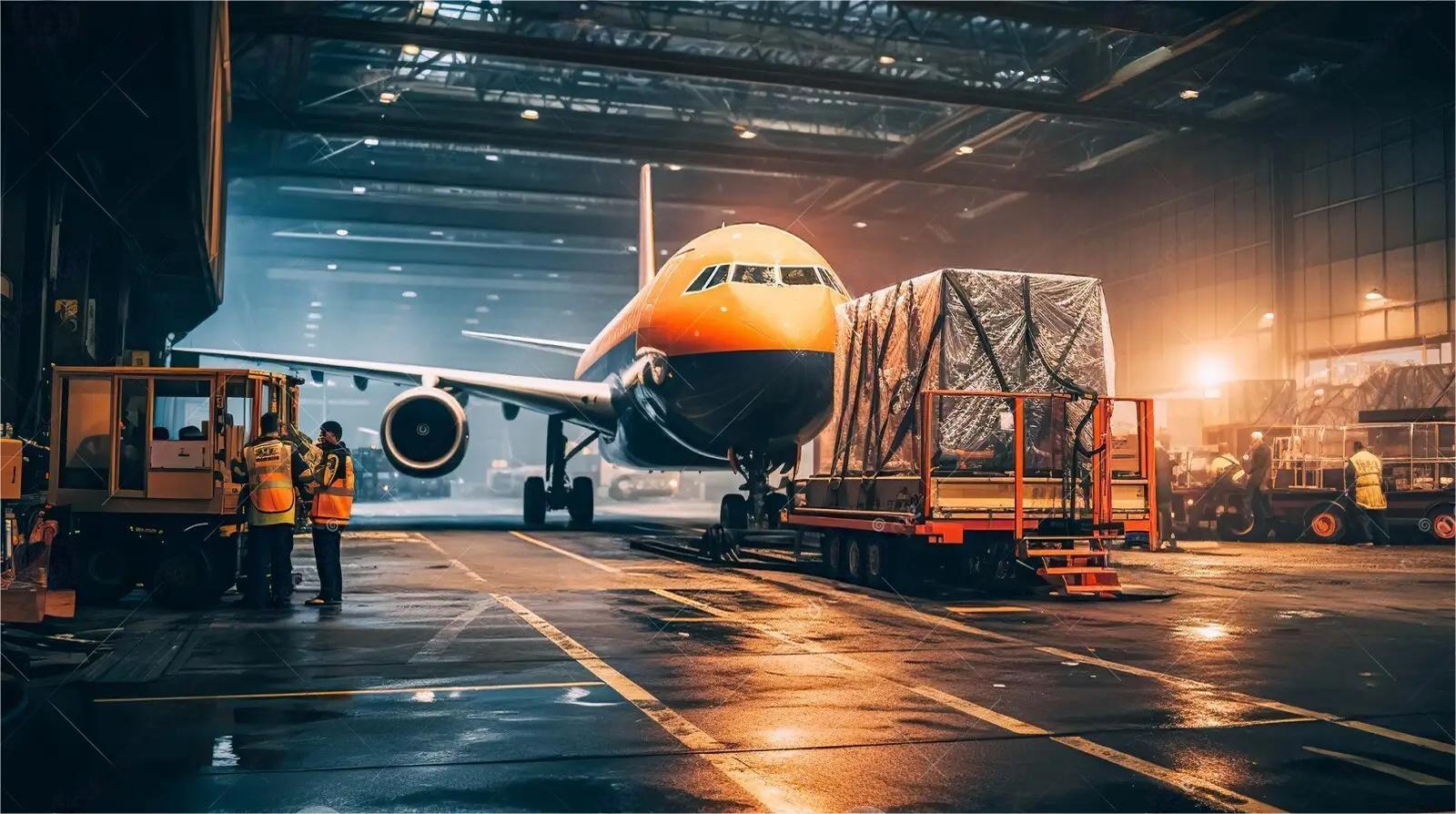
Open Top FCL Demurrage Prevention: China to California Electronics
Shipping electronics via Open Top FCL from China to California presents unique challenges, particularly concerning demurrage costs. These unforeseen expenses can significantly impact your bottom line and disrupt your supply chain. Fortunately, with strategic planning and expert guidance from TJ China Freight, you can effectively prevent Open Top FCL demurrage and ensure smooth, cost-efficient deliveries.

What is Open Top FCL Demurrage and Why Does it Matter?
Demurrage refers to the charges incurred when a container remains at the port terminal beyond the allotted free time. For Open Top Full Container Load (FCL) shipments, these fees can quickly accumulate, significantly increasing your overall sea freight costs. Understanding the nuances of these charges is crucial for effective budget management.
Specifically for electronics, Open Top FCLs are often used for oversized or heavy items that cannot be loaded through standard container doors. This specialized handling, however, can sometimes lead to longer processing times at congested California ports. Therefore, proactive planning for Open Top FCL demurrage prevention is paramount to maintaining a healthy profit margin.
Moreover, delays in offloading can impact your entire delivery schedule and customer satisfaction. Mitigating these risks requires a comprehensive approach to logistics, from origin to final destination. Consequently, importers must prioritize strategies that streamline port operations and minimize dwell times.
Why Electronics Shipments are Vulnerable to Demurrage
Electronics shipments, especially those requiring Open Top FCLs, face several inherent vulnerabilities that contribute to demurrage risk. Firstly, the delicate nature of electronic components often necessitates specialized handling and securing within the container. This can slow down both loading and unloading procedures.
Secondly, the high value of electronics often attracts closer scrutiny from customs authorities. Any discrepancies in documentation or unexpected inspections can lead to significant delays at busy California ports. Indeed, navigating complex import regulations for electronics from China to California demands meticulous attention to detail.
Furthermore, Open Top containers, with their unique tarpaulin covers, sometimes require specific equipment or areas for unloading at the destination port. This can add complexity to port operations, especially during peak seasons or when port congestion is high. As a result, planning for these specific requirements is essential for preventing unforeseen delays.
Proactive Strategies for Open Top FCL Demurrage Prevention
Preventing Open Top FCL demurrage for electronics from China to California requires a multi-faceted approach. Implementing robust strategies across various stages of the shipping process can significantly reduce the risk of incurring these costly fees. Ultimately, careful preparation and timely action are your best defenses.
Many factors contribute to successful demurrage avoidance. This includes everything from initial booking to final delivery. Therefore, importers must adopt a holistic view of their supply chain. Effective planning can make a substantial difference in overall shipping costs and efficiency.

Meticulous Documentation and Customs Preparation
Accurate and complete documentation is the cornerstone of efficient customs clearance. Missing or incorrect paperwork, such as commercial invoices, packing lists, or certificates of origin, can cause immediate delays. Therefore, ensure all documents are prepared precisely and submitted well in advance.
Consider pre-clearing your electronics shipment whenever possible. This process allows customs procedures to begin before the vessel even arrives at port, significantly reducing dwell time. Moreover, partnering with an experienced customs brokerage service can expedite this complex process, ensuring compliance and speed.
Furthermore, understanding specific import regulations for electronics in California is vital. Remaining current with tariff codes and any new safety certifications can prevent unexpected hold-ups. Consequently, a proactive approach to customs minimizes the risk of port-side delays.
Optimizing Port Operations and Drayage
Efficient drayage planning is critical for minimizing container dwell time. Arrange for truck pickup as soon as the container is available for release. Delays in securing transportation can quickly lead to demurrage charges, especially in busy ports like Los Angeles or Long Beach.
Leverage real-time tracking to monitor your vessel’s arrival and container availability. This allows for immediate action once the container is ready for pickup. Without a doubt, proactive scheduling of drayage services is a key component of Open Top FCL demurrage prevention.
Additionally, ensure your receiving facility in California is prepared for the Open Top container’s unique unloading requirements. Having the necessary equipment and personnel ready prevents unnecessary delays at your warehouse. Indeed, smooth coordination reduces the chances of incurring additional fees.
Effective Communication and Collaboration
Maintain open lines of communication with your suppliers, freight forwarder, and drayage partners. Timely updates on shipment status, potential issues, and revised schedules are invaluable. Consequently, clear communication helps everyone react quickly to changing circumstances.
Establish clear expectations and service level agreements with all parties involved in your logistics chain. This ensures accountability and helps prevent misunderstandings that could lead to delays. For example, confirming free time allowances and potential charges upfront is always a good practice.
Collaborate closely with your freight forwarder to anticipate and mitigate potential bottlenecks. An experienced partner can offer insights into port conditions, suggest alternative routes, or provide solutions for unexpected challenges. This partnership is crucial for effective door-to-door delivery management.
Leveraging Technology and Data Analytics for Demurrage Prevention
Modern logistics increasingly relies on technology to enhance efficiency and visibility. Implementing advanced tracking systems and data analytics tools can significantly aid in Open Top FCL demurrage prevention. These tools provide actionable insights into your supply chain performance.
Utilize real-time visibility platforms to monitor vessel movements, container status, and port congestion. This allows you to anticipate potential delays and proactively adjust drayage schedules. Furthermore, predictive analytics can forecast peak seasons and potential bottlenecks, enabling better planning.
Data analysis of past shipments can also reveal patterns of demurrage incidence. Identifying common causes, such as specific ports, carriers, or documentation errors, allows for targeted improvements. Therefore, continuous data-driven optimization is key to reducing future demurrage charges for electronics shipping China to California.
How Does Open Top FCL Compare to Other Shipping Options?
While Open Top FCL is ideal for oversized electronics, it’s essential to understand its position relative to other shipping methods. Comparing options helps in making informed decisions, especially when considering factors like shipping costs, transit time, and cargo type. Each method has distinct advantages and limitations.
For instance, air freight offers speed but at a significantly higher cost. Conversely, standard FCL or LCL services might be more economical for smaller, standard-sized electronics. Understanding these trade-offs is crucial for optimizing your supply chain for electronics from China to California.
Market data suggests that while Open Top FCL offers unique advantages for specific cargo, its specialized nature can also introduce specific risks. Consequently, a thorough comparison is vital for strategic planning.
| Shipping Method | Cost Range (China-California) | Transit Time (Days) | Best For | Limitations |
|---|---|---|---|---|
| Open Top FCL | $2,800 – $4,500 | 14 – 25 | Oversized/Heavy Electronics | Specialized handling, higher demurrage risk |
| Standard FCL (40HQ) | $2,500 – $3,800 | 14 – 22 | Large Volume, Standard Electronics | Less flexible for oversized items |
| LCL (Less than Container Load) | $50 – $100 per CBM | 20 – 35 | Smaller Volumes (<15 CBM) | Longer transit, more handling, higher risk of damage |
| Air Freight | $4,000 – $15,000+ | 3 – 7 | Urgent, High-Value, Small Volume Electronics | Significantly higher cost, size/weight restrictions |
Which Option Should You Choose?
The ideal shipping method depends heavily on your specific business priorities. If budget is your primary concern and your electronics are not oversized, standard FCL or LCL might be more economical. For urgent, high-value electronics, air freight offers unparalleled speed.
If cargo type dictates the need for an Open Top container, then focusing on demurrage prevention strategies becomes paramount. For instance, large industrial electronics or specialized equipment often require this container type. Consider hybrid solutions, such as sea-air for a balance of cost and speed, though less common for Open Top cargo.
Ultimately, evaluate your volume thresholds and transit time requirements. For shipments under 15 CBM, LCL at $50-80/CBM may be more economical than a full container, assuming the cargo fits. Always weigh the cost-benefit of speed versus expense for your particular electronics import needs.

Real-World Demurrage Prevention: Case Studies
Examining real-world scenarios highlights the importance of effective planning and execution in preventing Open Top FCL demurrage for electronics. These cases demonstrate the practical application of the strategies discussed.
Based on Q3 2024 market rates, these examples provide realistic insights into typical challenges and successful resolutions. They underscore how proactive measures directly translate into cost savings and improved supply chain efficiency.
Case Study 1: High-Value Consumer Electronics
Key Insight: Early customs pre-clearance and expedited drayage coordination were pivotal in avoiding demurrage for this time-sensitive shipment. The high value of the cargo necessitated swift movement through the port, which was achieved through diligent planning.
| Detail | Description |
|---|---|
| Route | Shenzhen, China -> Los Angeles, USA |
| Cargo | Large LED Display Panels, 28 CBM, 4,500 kg |
| Container | 40GP Open Top |
| Shipping Details | Carrier: COSCO, Port of Loading: Shenzhen, Port of Discharge: Los Angeles, Route Type: Direct |
| Cost Breakdown | Ocean Freight: $3,200, Origin Charges: $450, Destination Charges: $550, Customs & Duties (estimated): $800, Total Landed Cost: $5,000 |
| Timeline | Booking to Loading: 5 days, Sea Transit: 16 days, Customs Clearance: 2 days (pre-cleared), Total Door-to-Door: 21 days |
| Challenge | Potential for delays due to special handling of oversized panels. |
Case Study 2: Industrial Electronics Components
Key Insight: The freight forwarder’s strong relationships with port authorities and drayage companies proved invaluable during a period of moderate port congestion. This allowed for priority offloading and immediate transport, preventing costly delays.
| Detail | Description |
|---|---|
| Route | Ningbo, China -> Long Beach, USA |
| Cargo | Industrial Control Units, 35 CBM, 6,200 kg |
| Container | 40HQ Open Top |
| Shipping Details | Carrier: Maersk, Port of Loading: Ningbo, Port of Discharge: Long Beach, Route Type: Direct |
| Cost Breakdown | Ocean Freight: $3,800, Origin Charges: $500, Destination Charges: $600, Customs & Duties (estimated): $950, Total Landed Cost: $5,850 |
| Timeline | Booking to Loading: 7 days, Sea Transit: 18 days, Customs Clearance: 3 days, Total Door-to-Door: 28 days |
| Challenge | Mid-Q4 peak season rates were 15% higher, with increased risk of port congestion. |
Case Study 3: Time-Sensitive Medical Devices
Key Insight: Utilizing a specialized express service for port-to-warehouse drayage significantly reduced transit time from the port. This ensured the sensitive medical devices met strict delivery deadlines, despite the Open Top container’s unique handling needs.
| Detail | Description |
|---|---|
| Route | Shanghai, China -> Oakland, USA |
| Cargo | Medical Diagnostic Equipment, 22 CBM, 3,800 kg |
| Container | 20GP Open Top |
| Shipping Details | Carrier: MSC, Port of Loading: Shanghai, Port of Discharge: Oakland, Route Type: Direct |
| Cost Breakdown | Ocean Freight: $2,900, Origin Charges: $400, Destination Charges: $500, Customs & Duties (estimated): $700, Total Landed Cost: $4,500 |
| Timeline | Booking to Loading: 6 days, Sea Transit: 19 days, Customs Clearance: 2 days, Total Door-to-Door: 27 days |
| Challenge | Strict delivery deadlines for medical equipment, requiring fast turnaround at port. |
Partnering with an Experienced Freight Forwarder
Choosing the right freight forwarder is perhaps the most critical step in Open Top FCL demurrage prevention for electronics from China to California. An experienced partner possesses the expertise and network to navigate complex logistics challenges. They can offer invaluable insights into port conditions and regulatory requirements.
A reputable freight forwarder can assist with everything from optimizing your container loading to managing customs procedures and coordinating drayage. Their proactive communication and problem-solving capabilities are essential for minimizing risks. Consequently, this partnership ensures a smoother and more predictable shipping experience.
Look for a forwarder with a proven track record in handling specialized cargo like electronics and with strong connections at California ports. Their ability to anticipate issues and implement quick solutions can save you significant time and money. Without a doubt, this expertise is a strategic asset for your supply chain.
Navigating Market Dynamics and Seasonal Fluctuations
The global shipping landscape is constantly evolving, influenced by market dynamics, geopolitical events, and seasonal fluctuations. These factors can directly impact freight rates, transit times, and the likelihood of demurrage. Staying informed is crucial for effective Open Top FCL demurrage prevention.
As of early 2025, freight rates from China to the USA West Coast have shown some stabilization after recent global disruptions, but remain subject to volatility. Rates typically increase 15-25% during the August-October peak season due to holiday demand. Therefore, planning shipments outside these periods or booking well in advance can help.
Port congestion, particularly in California, remains a recurring challenge. Events like labor disputes, equipment shortages, or sudden surges in cargo volume can cause significant delays. Accordingly, a flexible logistics strategy and contingency planning are vital for mitigating these external risks for electronics imports.
Conclusion: Mastering Open Top FCL Demurrage Prevention
Effectively preventing Open Top FCL demurrage for electronics shipped from China to California is achievable through strategic planning and diligent execution. By focusing on meticulous documentation, optimizing port operations, fostering strong communication, and leveraging technology, businesses can significantly reduce their exposure to these costly fees.
Partnering with an experienced freight forwarder who understands the intricacies of electronics logistics and California port dynamics is paramount. This collaboration, combined with an awareness of market trends, ensures a resilient and cost-effective supply chain. Ultimately, proactive measures lead to smoother operations and enhanced profitability.
Need a tailored shipping solution?
Ready to optimize your electronics shipments and prevent costly demurrage? Contact us today for a personalized quote and expert advice on Open Top FCL demurrage prevention from China to California. Let TJ China Freight streamline your logistics and protect your bottom line.