

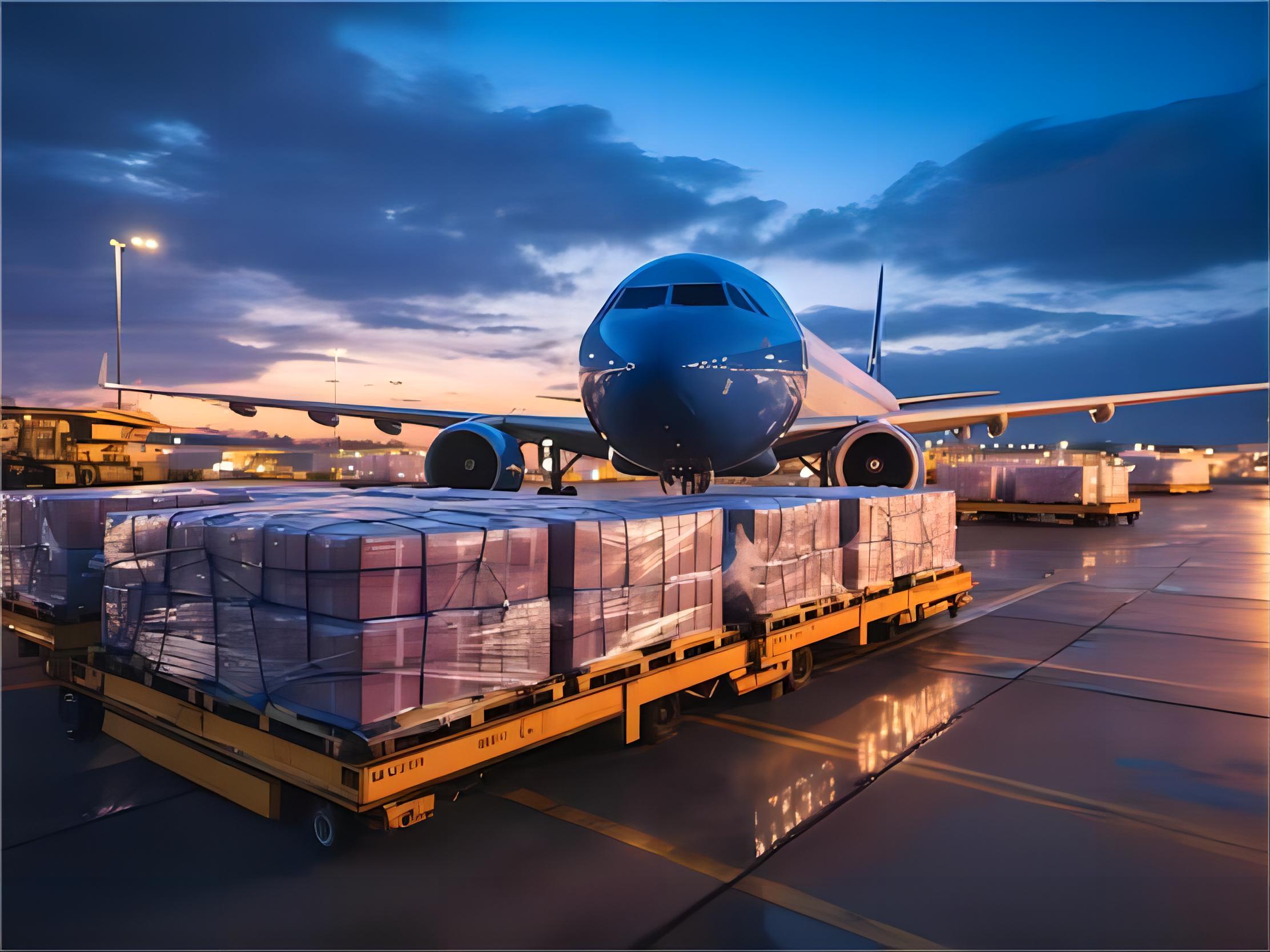
Mastering 40GP FCL Detention Prevention for Medical Equipment from China to New Jersey
Shipping sensitive medical equipment from China to New Jersey involves complex logistics, where unexpected costs like 40GP FCL detention can significantly impact your budget and supply chain. Understanding and implementing effective prevention strategies is crucial for maintaining efficient operations and controlling expenses. Learn how to navigate these challenges successfully with TJ China Freight.
✦
What is 40GP FCL Detention and Why is it Costly?
Detention charges arise when an importer holds a shipping container outside the port or terminal beyond the allotted free time. For a 40GP FCL (40-foot General Purpose Full Container Load), these fees can significantly impact your overall shipping costs.
Typically, free time ranges from 3-7 days, depending on the carrier and port. Subsequently, daily fees can range from $75 to $200, potentially escalating over time. Therefore, managing these periods effectively is paramount for profitable operations and a smooth supply chain.
Key Strategies for 40GP FCL Detention Prevention for Medical Equipment
Preventing 40GP FCL detention for medical equipment from China to New Jersey requires meticulous planning and proactive management. Indeed, every step of the logistics chain needs careful consideration to avoid delays and associated costs.
Implementing robust strategies from origin to destination helps streamline operations significantly. Moreover, this proactive approach safeguards your budget and ensures timely delivery of critical healthcare supplies.

Accurate Documentation and Customs Clearance
Firstly, precise and complete documentation is non-negotiable for medical equipment imports. Errors can lead to significant delays at customs, thereby triggering detention charges. Accordingly, ensure all permits, licenses, and declarations are accurate and submitted well in advance.
Furthermore, engaging a reliable customs brokerage service is invaluable. They can pre-clear shipments and address potential issues before the container arrives at the port. This foresight minimizes unforeseen holdups and improves overall import/export efficiency.
Efficient Pre-Arrival Planning
Prior to the container’s arrival, confirm that all necessary arrangements for drayage, warehousing, and unloading are firmly in place. Consequently, a well-coordinated plan ensures that the container is picked up and emptied promptly, preventing costly delays.
Additionally, communicate clearly with your trucking company and warehouse staff regarding estimated arrival times and free time limits. This proactive scheduling is vital for avoiding last-minute scrambling and potential detention fees, ensuring a smooth delivery schedule.
Optimized Drayage and Unloading
Securing reliable drayage is crucial for timely container movement from the port to your facility in New Jersey. Indeed, port congestion or truck shortages can easily lead to delays, increasing detention risks. Therefore, book drayage services well ahead of time.
Upon arrival at your warehouse, efficient unloading processes are essential. Ensure adequate staff and equipment are ready to quickly destuff the 40GP FCL container. Subsequently, promptly return the empty container to the carrier’s designated depot to avoid further charges.
How Does 40GP FCL Shipping Compare to Other Options for Medical Equipment?
Choosing the right shipping method for medical equipment from China to New Jersey depends on factors like urgency, cost, and cargo volume. While 40GP FCL sea freight is often cost-effective for large volumes, alternatives exist.
Indeed, understanding the trade-offs between speed and expense is critical for optimizing your supply chain. Moreover, each method presents unique advantages and limitations for healthcare logistics.
Note: Freight rates are subject to change based on fuel costs, carrier capacity, and seasonal demand. Contact us for a current quote tailored to your specific shipment. These figures represent typical rates as of early 2025.
| Shipping Method | Cost Range (40GP FCL equivalent) | Transit Time (China to NJ) | Best For | Limitations |
|---|---|---|---|---|
| Sea Freight (FCL) | $4,000-6,000 | 30-35 days | High volume, non-urgent, cost-sensitive medical supplies | Long transit times, potential for port congestion/detention |
| Sea Freight (LCL) | $150-250/CBM | 35-45 days | Smaller volumes (under 15 CBM), less urgent cargo | Longer transit than FCL, increased handling risk, cubic meter pricing |
| Air Freight | $15,000-25,000 | 5-7 days | Urgent, high-value, time-sensitive medical devices | Significantly higher cost, volume/weight restrictions |

Decision Framework: Which Option Should You Choose?
Budget priority: For the most cost-effective solution, especially with non-urgent, high-volume medical supplies, 40GP FCL sea freight is typically recommended. However, be vigilant about detention prevention.
Speed priority: When time is critical for essential medical devices or emergency supplies, air freight is the superior choice, despite its higher cost. Transit times are significantly shorter.
Cargo type considerations: Fragile or temperature-sensitive medical equipment might require specialized containers or expedited services. Always consult with your freight forwarder for optimal cargo handling.
Volume thresholds: For shipments under 15 CBM, LCL (Less than Container Load) might be more economical than a full 40GP FCL, reducing per-unit costs. Over 15 CBM, FCL generally becomes more cost-efficient.
Real-World Scenarios: Preventing 40GP FCL Detention in Action
Examining practical examples illustrates how effective planning can mitigate detention risks for medical equipment. These case studies highlight the importance of proactive logistics management for North America shipping.
Based on current market rates and typical operational challenges, these scenarios demonstrate successful strategies. Moreover, they underscore the value of a reliable freight partner in preventing 40GP FCL detention.
Case Study 1: High-Value Diagnostics Equipment
| Detail | Description |
|---|---|
| Route | Shanghai, China Newark, New Jersey |
| Cargo | MRI Machine components, 28 CBM, 9,500 kg |
| Container | 40GP FCL |
| Shipping Details | Carrier: COSCO; Port of Loading: Shanghai; Port of Discharge: Port of New York and New Jersey; Route Type: Direct |
| Cost Breakdown | Ocean Freight: $5,200; Origin Charges (THC, documentation): $450; Destination Charges: $700; Customs & Duties (estimated): $2,500; Total Landed Cost: $8,850 |
| Timeline | Booking to Loading: 5 days; Sea Transit: 32 days; Customs Clearance: 2 days; Total Door-to-Door: 39 days |
| Key Insight | Pre-booking drayage and having a dedicated customs broker ensured zero detention. All documents were pre-filed electronically, streamlining the customs process. |

Case Study 2: Bulk Consumables for Hospitals
| Detail | Description |
|---|---|
| Route | Ningbo, China Elizabeth, New Jersey |
| Cargo | Disposable medical gloves and masks, 60 CBM, 15,000 kg |
| Container | 40GP FCL (two containers) |
| Shipping Details | Carrier: MSC; Port of Loading: Ningbo; Port of Discharge: Port of New York and New Jersey; Route Type: Transshipment via Busan |
| Cost Breakdown | Ocean Freight: $9,600 (for two); Origin Charges (THC, documentation): $900; Destination Charges: $1,400; Customs & Duties (estimated): $1,800; Total Landed Cost: $13,700 |
| Timeline | Booking to Loading: 7 days; Sea Transit: 38 days; Customs Clearance: 3 days; Total Door-to-Door: 48 days |
| Key Insight | Close monitoring of vessel tracking and flexible warehouse staffing allowed for immediate unloading upon arrival, despite a slight transshipment delay. This prevented detention fees. |
Case Study 3: Time-Sensitive Surgical Instruments
| Detail | Description |
|---|---|
| Route | Shenzhen, China Jersey City, New Jersey |
| Cargo | Specialized surgical instruments, 25 CBM, 8,000 kg |
| Container | 40GP FCL |
| Shipping Details | Carrier: Maersk; Port of Loading: Yantian; Port of Discharge: Port of New York and New Jersey; Route Type: Direct |
| Cost Breakdown | Ocean Freight: $5,500; Origin Charges (THC, documentation): $480; Destination Charges: $720; Customs & Duties (estimated): $3,000; Total Landed Cost: $9,700 |
| Timeline | Booking to Loading: 4 days; Sea Transit: 30 days; Customs Clearance: 2 days; Total Door-to-Door: 36 days |
| Key Insight | Leveraged a door-to-door service provider for seamless coordination from factory to final delivery, eliminating potential handoff delays and detention risks. |
Leveraging Technology and Partnerships for Detention Prevention
Modern logistics tools and strong partnerships are indispensable for effective 40GP FCL detention prevention. Indeed, real-time visibility into your shipments is a game-changer for medical equipment logistics.
Moreover, collaborating with experienced freight forwarders can provide invaluable insights and operational support. They possess the expertise to navigate complex international shipping regulations and port procedures.
Technology for Enhanced Visibility
Implementing advanced tracking systems allows you to monitor your container’s journey from China to New Jersey. Consequently, you receive timely alerts regarding vessel delays or potential port congestion, optimizing your delivery schedule.
Furthermore, predictive analytics can help anticipate arrival times more accurately, enabling better planning for drayage and unloading. This proactive approach minimizes surprises and the risk of detention charges, enhancing cargo handling efficiency.
The Role of a Trusted Freight Forwarder
A seasoned freight forwarder is your strategic partner in preventing detention. They can negotiate better free time with carriers and provide comprehensive support for your medical equipment shipments.
Additionally, they offer expertise in customs compliance, port operations, and local drayage networks. Their deep understanding of logistics trends can save you significant time and money, ensuring smooth operations.
Common Pitfalls and How to Avoid Them in Medical Equipment Shipping
Despite best efforts, certain common pitfalls can lead to 40GP FCL detention when importing medical equipment. Recognizing these challenges is the first step toward effective prevention and maintaining your delivery schedule.
Therefore, a proactive approach to identifying and mitigating these risks is crucial. Furthermore, consistent communication across your supply chain partners helps avoid costly errors and improves overall efficiency.
Inadequate Communication
Poor communication between suppliers, carriers, customs brokers, and consignees often results in delays. For example, a missed email or unconfirmed appointment can cascade into significant hold-ups at the port.
Consequently, establish clear communication protocols and use centralized platforms for updates. Ensure all parties are aware of critical milestones and responsibilities to avoid common detention reasons.
Unforeseen Port Congestion
Ports, especially major ones like New York and New Jersey, can experience unexpected congestion due to weather, labor disputes, or peak seasons. This can delay container retrieval, directly impacting free time.
To mitigate this, build buffer time into your delivery schedule and consider alternative receiving facilities if feasible. Stay informed about port conditions and logistics trends to avoid delays.
Lack of Warehouse Readiness
If your New Jersey warehouse is not ready to receive and unload the 40GP FCL container promptly, detention is inevitable. This includes insufficient staff, equipment, or storage space.
Therefore, confirm your warehouse’s capacity and readiness well in advance of the container’s ETA. Indeed, pre-arranging appointments for unloading can significantly reduce waiting times and prevent detention fees.
Ensuring Compliance for Medical Equipment Imports to New Jersey
Importing medical equipment into the U.S., particularly to New Jersey, is subject to stringent regulations from agencies like the FDA. Consequently, strict compliance is essential to avoid delays and penalties.
Moreover, understanding these regulatory requirements is a critical aspect of preventing 40GP FCL detention. Proper adherence ensures a smooth and compliant import process for your valuable cargo.
FDA Regulations and Permits
All medical devices imported into the U.S. must comply with FDA regulations. This includes proper registration, listing, and pre-market approval or notification for certain devices. Errors here can stop a shipment cold.
Therefore, verify that all necessary FDA permits and documentation are secured before your shipment departs China. Working with experienced import specialists ensures all requirements are met, preventing customs holds.
Customs Declarations and Duties
Accurate Harmonized System (HS) codes and declared values are crucial for customs declarations. Misclassification can lead to incorrect duties, fines, or customs holds, thereby causing detention.
Furthermore, be aware of any specific tariffs or trade agreements that might apply to medical equipment. Consulting with a customs broker specializing in medical imports is highly recommended for clarity on import/export procedures.
Conclusion: Master Your Medical Equipment Supply Chain
Preventing 40GP FCL detention for medical equipment from China to New Jersey is a multifaceted challenge that demands comprehensive planning and execution. By focusing on meticulous documentation, proactive scheduling, and strategic partnerships, importers can significantly reduce their risk.
Ultimately, a well-managed logistics operation ensures timely delivery, controls shipping costs, and supports the vital healthcare supply chain. Invest in these prevention strategies to safeguard your operations and financial well-being, avoiding costly 40GP FCL detention.