

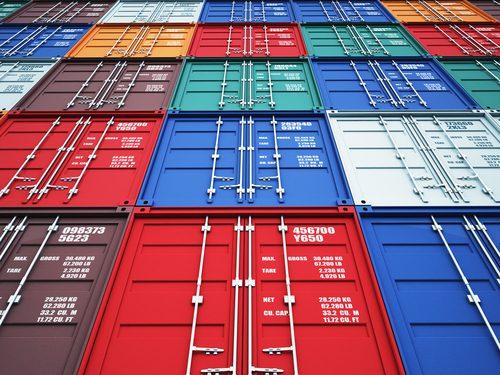
40HQ FCL Container Shortage Solution for Medical Equipment from China to Europe
The ongoing 40HQ FCL container shortage has created significant challenges for shipping medical equipment from China to Europe. As demand for reliable, timely, and secure transport grows, finding effective solutions is crucial. This article explores actionable strategies, real-world examples, and expert insights to help you overcome these logistics hurdles.
What Causes the 40HQ FCL Container Shortage for Medical Equipment Shipments?
Many shippers are currently facing a shortage of 40HQ FCL containers, especially for high-value and time-sensitive cargo like medical equipment. This shortage is primarily due to global supply chain disruptions, port congestion, and imbalanced container flows between China and Europe. Additionally, increased demand for medical supplies during health crises further strains container availability. As a result, shippers must adapt quickly to avoid costly delays and ensure their cargo reaches its destination safely.
How Does the Container Shortage Impact Medical Equipment Shipping from China to Europe?

The shortage of 40HQ FCL containers directly affects shipping schedules, costs, and supply chain reliability. For example, medical equipment often requires specific handling and timely delivery, making delays particularly problematic. Moreover, the lack of available containers can lead to increased freight rates, longer lead times, and even missed deadlines for critical healthcare projects. Consequently, businesses must explore alternative solutions to maintain their supply chain efficiency.
What Are the Most Effective Solutions to the 40HQ FCL Container Shortage?
To address the 40HQ FCL container shortage, shippers can implement several strategies. Firstly, diversifying shipping methods—such as combining sea freight with air or express services—can help mitigate risks. Secondly, working with experienced freight forwarders like TJ China Freight ensures access to a broader network of carriers and container pools. Additionally, advanced booking and flexible scheduling can secure space during peak periods. Finally, considering alternative container sizes or shared container options (LCL) may provide temporary relief.
Can Alternative Shipping Methods Help Overcome Container Shortages?
Indeed, alternative shipping methods play a vital role in overcoming container shortages. For instance, when 40HQ FCL containers are unavailable, shippers can opt for air freight for urgent medical equipment deliveries. Although air freight is more expensive, it guarantees faster transit times and reduces the risk of supply chain disruptions. On the other hand, express services offer door-to-door solutions for smaller shipments, ensuring critical medical supplies reach their destination without delay.
Shipping Method Comparison for Medical Equipment (China to Europe)
| Shipping Method | Average Cost (USD) | Transit Time | Key Advantages |
|---|---|---|---|
| Sea Freight | $3,000–$5,000 | 25–35 days | Cost-effective, large volume |
| Air Freight | $8,000–$15,000 | 3–7 days | Fast, secure, reliable |
| Express Service | $10,000+ | 2–5 days | Fastest, door-to-door |
How Can Freight Forwarders Like TJ China Freight Provide Solutions?
Partnering with a reputable freight forwarder is essential for navigating container shortages. TJ China Freight leverages its extensive network and industry expertise to secure container space, negotiate competitive rates, and offer flexible shipping options. Furthermore, their value-added services—such as customs brokerage and cargo insurance—ensure that medical equipment shipments are compliant, protected, and delivered on time.
What Role Does Warehousing and Inventory Management Play in Mitigating Shortages?
Effective warehousing and inventory management are crucial for minimizing the impact of container shortages. By utilizing warehousing services in both China and Europe, shippers can store medical equipment closer to their end markets. This approach allows for more flexible shipping schedules and reduces the risk of stockouts. Additionally, advanced inventory tracking systems enable real-time visibility, helping businesses make informed decisions and respond quickly to supply chain disruptions.
How Do Customs and Regulatory Requirements Affect Medical Equipment Shipments?
Shipping medical equipment from China to Europe involves strict customs and regulatory requirements. Delays in documentation or compliance can exacerbate the effects of container shortages. Therefore, working with experienced customs brokers ensures that all paperwork is accurate and complete, reducing the risk of delays at ports. Moreover, understanding the latest import/export regulations helps shippers avoid costly penalties and maintain a smooth supply chain.
Essential Customs Documents for Medical Equipment Shipments
| Document Type | Purpose | Required By |
|---|---|---|
| Commercial Invoice | Proof of sale and value | Customs authorities |
| Packing List | Details of cargo contents | Carriers, customs |
| Certificate of Origin | Verifies manufacturing country | Import authorities |
| Import License | Legal import permission | Destination country |
What Are the Cost Implications of the 40HQ FCL Container Shortage?
The shortage of 40HQ FCL containers has led to increased shipping costs, especially for time-sensitive cargo like medical equipment. Freight rates for both sea and air shipments have surged, and additional surcharges may apply during peak periods. As a result, shippers must carefully evaluate their logistics budgets and consider cost-saving measures, such as consolidating shipments or negotiating long-term contracts with carriers.

Estimated Shipping Costs for Medical Equipment (China to Europe)
| Container Type | Average Cost (USD) | Capacity (CBM) | Typical Use Case |
|---|---|---|---|
| 40HQ FCL | $3,500–$6,000 | 76 | Large equipment |
| LCL | $150–$250/CBM | Flexible | Smaller shipments |
| Air Freight | $8–$12/kg | N/A | Urgent, high-value |
How Can Shippers Optimize Their Supply Chain During Container Shortages?
Optimizing the supply chain is essential for minimizing the impact of container shortages. Shippers should adopt a proactive approach by forecasting demand, booking shipments in advance, and maintaining open communication with logistics partners. Additionally, leveraging technology for real-time tracking and supply chain visibility enables faster decision-making and reduces the risk of disruptions. Without a doubt, flexibility and adaptability are key to maintaining a resilient supply chain.
What Real-World Examples Illustrate Successful Solutions to Container Shortages?
Case Study 1:
A leading medical device manufacturer needed to ship 40HQ FCL containers of ventilators from Shanghai to Hamburg. Due to the shortage, TJ China Freight arranged a combination of sea and air freight. The bulk of the cargo was shipped by sea, while urgent units were sent via air. The total cost was $28,000, and all equipment arrived within 18 days, meeting the client’s project deadline.
Case Study 2:
A pharmaceutical company in Shenzhen faced delays in securing 40HQ FCL containers for shipping diagnostic machines to Rotterdam. By utilizing warehousing in the Netherlands and consolidating shipments, the company reduced lead times and avoided stockouts. The solution saved 15% in logistics costs and ensured uninterrupted supply to European hospitals.
Case Study 3:

A hospital group in Beijing urgently required PPE supplies delivered to Paris. With no 40HQ FCL containers available, air freight was used for the most critical items, while the remainder was shipped via LCL sea freight. The air shipment arrived in 4 days, and the sea shipment followed in 28 days, ensuring continuous supply.
Should You Consider LCL or Shared Container Options for Medical Equipment?
When 40HQ FCL containers are unavailable, Less-than-Container Load (LCL) or shared container options can be a practical alternative. Although LCL shipments may involve longer transit times and additional handling, they offer flexibility for smaller volumes of medical equipment. Moreover, LCL can help reduce costs and ensure that essential supplies reach their destination without waiting for full container availability.
How Can Technology and Digital Platforms Improve Container Availability?
Technology plays a pivotal role in addressing container shortages. Digital freight platforms enable real-time booking, tracking, and management of shipments, allowing shippers to quickly identify available container space. Additionally, predictive analytics can forecast demand and optimize routing, further enhancing supply chain efficiency. As a result, businesses can respond more effectively to market fluctuations and container shortages.
What Are the Latest Logistics Trends for Medical Equipment Shipping from China to Europe?
The logistics industry is rapidly evolving to address container shortages and supply chain disruptions. Key trends include increased use of multimodal transport, greater reliance on digital platforms, and a focus on sustainability. Furthermore, shippers are prioritizing risk management and contingency planning to ensure uninterrupted delivery of medical equipment. These trends are shaping the future of global logistics and helping businesses stay competitive.
Conclusion
In summary, the 40HQ FCL container shortage presents significant challenges for shipping medical equipment from China to Europe. However, by leveraging alternative shipping methods, partnering with experienced freight forwarders, and optimizing supply chain strategies, businesses can overcome these obstacles. Effective warehousing, customs compliance, and the use of technology further enhance resilience and ensure timely delivery of critical medical supplies.
Take control of your medical equipment shipments today. Contact TJ China Freight for a customized 40HQ FCL container shortage solution for medical equipment from China to Europe. Our team of experts is ready to help you secure space, optimize costs, and ensure your cargo arrives safely and on time.

FAQs(click to expand and view )
Air freight is the fastest option, ensuring urgent medical equipment arrives within days despite container shortages.
Yes, LCL or express services allow you to ship smaller volumes efficiently when full containers are not available.
Consolidate shipments, book in advance, and consider alternative routes or modes to optimize costs and avoid surcharges.
Essential documents include a commercial invoice, packing list, certificate of origin, and import license for customs clearance.
Cargo insurance is available and highly recommended to protect high-value medical equipment against loss or damage in transit.