

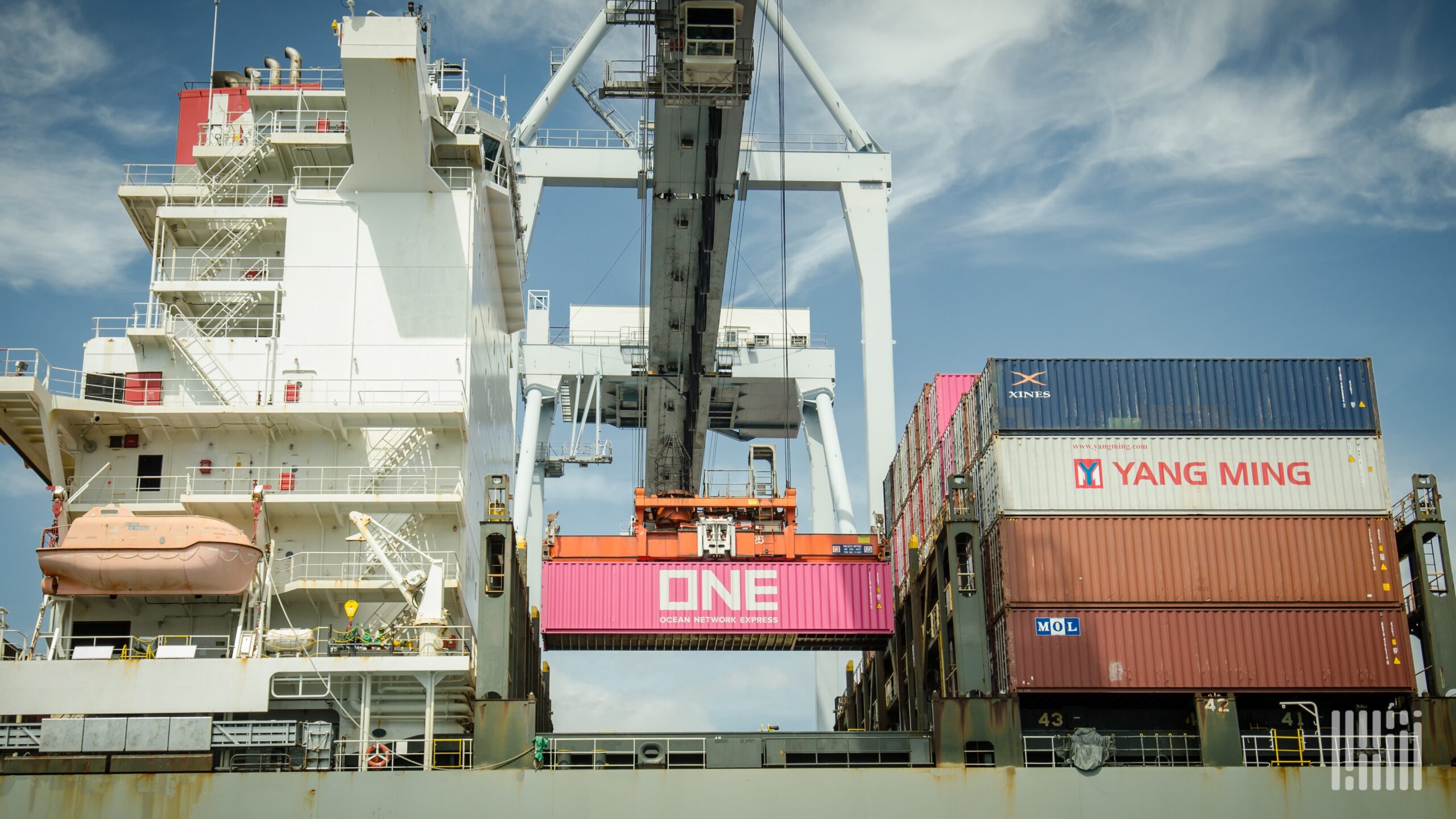
Container from China to Canada: The Ultimate Guide to Cost, Process, and Success
Shipping a container from China to Canada is a vital step for many importers and businesses. However, the process can be complex, with numerous variables affecting cost, transit time, and reliability. In this guide, you’ll discover everything you need to know about shipping a container from China to Canada, including how to choose the right service, avoid common pitfalls, and ensure your cargo arrives safely and on time.
What Are the Main Types of Containers for Shipping from China to Canada?
When shipping a container from China to Canada, you’ll typically choose between Full Container Load (FCL) and Less than Container Load (LCL). Each option has its own advantages, costs, and best-use scenarios. Therefore, understanding the differences is essential for making the right decision.

| Container Type | Volume (m³) | Best For | Typical Use Case |
|---|---|---|---|
| 20’ FCL | 28 | Medium shipments | Furniture, electronics |
| 40’ FCL | 58 | Large shipments | Machinery, bulk goods |
| LCL | <15 | Small shipments | Mixed cargo, samples |
For most bulk shipments, sea freight is the most cost-effective and flexible solution. Additionally, FCL is often preferred for high-value or sensitive goods due to reduced handling.
How Much Does It Cost to Ship a Container from China to Canada?
Shipping costs depend on several factors, including container size, destination, shipping method, and current market rates. Additionally, surcharges such as fuel, port fees, and customs duties can impact your total cost. Therefore, it’s important to get a detailed quote before booking.
Typical Container Shipping Costs
| Container Type | Estimated Cost (USD) | Transit Time (Days) | Best For |
|---|---|---|---|
| 20’ FCL | $2,800 – $4,200 | 20–35 | Medium shipments |
| 40’ FCL | $4,500 – $7,000 | 20–35 | Large shipments |
| LCL | $120 – $200/m³ | 25–40 | Small shipments |
To get the most accurate quote, consider using import service for transparent pricing and expert support. Moreover, consolidating shipments can help you achieve better rates.
What Is the Process for Shipping a Container from China to Canada?
The process of shipping a container from China to Canada involves several key steps. Although it may seem daunting, working with an experienced freight forwarder can simplify the journey.
Step-by-Step Shipping Process
- Booking: Reserve your container space with a shipping line or freight forwarder.
- Pickup & Loading: Arrange for cargo pickup and container loading at the supplier’s location or warehouse.
- Export Customs Clearance: Prepare and submit all required documents for Chinese customs.
- Sea Transport: The container is shipped from the Chinese port to the Canadian port.
- Import Customs Clearance: Handle paperwork and duties at the Canadian border.
- Delivery: Arrange for final delivery to your warehouse or customer.
Because each step is crucial, choosing a reliable partner like TJ China Freight ensures a smooth and efficient process. Furthermore, a professional forwarder can help you avoid unnecessary delays.
What Documents Are Required for Shipping a Container from China to Canada?
Proper documentation is essential for smooth customs clearance and timely delivery. Missing or incorrect paperwork can cause costly delays. Therefore, it’s vital to prepare all documents in advance.

| Document | Purpose | Who Provides |
|---|---|---|
| Commercial Invoice | Declares value | Shipper |
| Packing List | Details contents | Shipper |
| Bill of Lading | Proof of shipment | Carrier |
| Certificate of Origin | Confirms origin | Shipper |
Working with a professional customs brokerage ensures all documents are accurate and compliant with regulations. Additionally, expert support can help you avoid unnecessary penalties.
How Do FCL and LCL Shipping Compare for China to Canada?
Choosing between FCL and LCL depends on your shipment size, budget, and urgency. While FCL offers exclusive use of a container, LCL allows you to share space and costs with other shippers.
FCL vs. LCL: Pros and Cons
| Criteria | FCL (Full Container) | LCL (Less than Container) |
|---|---|---|
| Cost per Unit | Lower for large loads | Higher for small loads |
| Transit Time | Faster, direct | Slightly longer |
| Handling | Less, more secure | More, higher risk of damage |
| Flexibility | Best for bulk | Best for small shipments |
For small shipments, LCL is flexible and affordable. However, for larger loads, FCL is usually more economical and secure.
How Long Does It Take to Ship a Container from China to Canada?
Transit times vary depending on the destination, shipping route, and customs clearance. Although sea freight is slower than air, it remains the most cost-effective for containers.
Typical Transit Times from China to Canada
| Destination Port | Major Canadian City | Transit Time (Days) |
|---|---|---|
| Vancouver | Vancouver | 15–22 |
| Prince Rupert | Toronto, Montreal | 20–30 |
| Halifax | Montreal, Toronto | 30–40 |
Keep in mind that customs clearance and last-mile delivery may add 2–5 days to the total timeline. Therefore, it’s wise to plan your shipments accordingly.
What Are the Main Factors Affecting Container Shipping Costs from China to Canada?
Several variables influence the final cost of shipping a container from China to Canada. Understanding these factors can help you make informed decisions and avoid unexpected expenses.
Key Cost Factors
- Container Size: 20’ vs. 40’ FCL, or LCL by volume
- Shipping Route: Distance and port fees
- Seasonality: Peak seasons increase rates
- Fuel Surcharges: Fluctuate with oil prices
- Customs Duties: Vary by destination and cargo type
- Additional Services: Warehousing, insurance, and delivery
By working with a knowledgeable agent, you can optimize your shipping plan and minimize costs.
How Can You Reduce the Cost of Shipping a Container from China to Canada?
There are several strategies to minimize your shipping expenses. For instance, planning ahead and consolidating shipments can lead to significant savings. Additionally, negotiating rates and optimizing packaging are effective ways to cut costs.
Practical Cost-Saving Tips

- Book Early: Reserve space in advance to avoid peak season surcharges.
- Consolidate Shipments: Combine multiple orders to fill containers.
- Optimize Packaging: Reduce volumetric weight and avoid unnecessary charges.
- Leverage warehousing: Store goods near major ports for flexible shipping schedules.
- Use cargo insurance: Protects against loss, reducing unexpected expenses.
| Cost-Saving Strategy | Potential Savings |
|---|---|
| Early Booking | 5–15% |
| Consolidation | 10–20% |
| Packaging Optimization | 5–10% |
By implementing these strategies, you can keep your container shipping from China to Canada affordable and efficient.
What Are the Latest Trends in Container Shipping from China to Canada?
The container shipping industry is evolving rapidly, driven by technology, global trade shifts, and sustainability initiatives. Therefore, staying updated on trends can help you remain competitive.
Key Trends to Watch
- Digital Freight Platforms: Real-time quotes and tracking
- Sustainable Shipping: Eco-friendly packaging and fuel-efficient vessels
- E-commerce Growth: Increased demand for fast, reliable shipping
- Flexible Delivery Options: More door to door and express solutions
Because these trends can impact your costs and efficiency, adapting to new technologies is essential for long-term success.
How to Choose the Right Shipping Partner for Container Shipping from China to Canada?
Selecting a reliable shipping partner is crucial for cost-effective and hassle-free container shipping. Not only should your partner have experience in global logistics, but they should also offer transparent pricing and responsive support.
What to Look for in a Shipping Partner
- Experience: Years in China-Canada logistics
- Service Range: Sea, air, customs, and warehousing
- Transparent Pricing: No hidden fees
- Customer Support: Responsive and knowledgeable team
TJ China Freight provides tailored solutions, competitive rates, and end-to-end support for your container shipments from China to Canada. Furthermore, a good partner will provide proactive communication and real-time updates.
What Additional Services Can Enhance Your Container Shipping Experience?
A professional shipping partner should offer a comprehensive range of services to ensure a smooth process. These include:
- Freight Booking: Sea freight options for FCL and LCL
- Customs Clearance: Expert handling of all paperwork
- Door to Door Delivery: End-to-end logistics solutions
- Cargo Insurance: Protection against loss or damage
- Warehousing: Storage solutions for flexible shipping schedules
By choosing a provider that covers all these areas, you can streamline your supply chain and reduce the risk of delays. Additionally, integrated services often lead to better pricing and efficiency.
Conclusion
Shipping a container from China to Canada is a complex process, but with the right knowledge and partner, it can be efficient and cost-effective. By understanding your options, preparing accurate documents, and leveraging expert freight forwarders, you can minimize costs and ensure timely delivery. Whether you choose FCL for bulk goods or LCL for smaller shipments, careful planning and professional support are key to success.
If you’re ready to optimize your container shipping from China to Canada, contact our team for a tailored quote, expert advice, and end-to-end logistics support. Let us help you save time and money while ensuring your cargo arrives safely and on schedule.

FAQs(click to expand and view )
The cheapest way to ship a container from China to Canada is usually by sea freight, especially for large or heavy shipments. Full container loads (FCL) offer the lowest per-unit cost, while less than container loads (LCL) are suitable for smaller volumes. Although sea freight takes longer, it is ideal for non-urgent goods. For small, urgent parcels, air freight or express service may be more cost-effective due to all-inclusive pricing.
Shipping by sea from China to Canada typically takes 15 to 40 days, depending on the origin port, destination, and customs clearance. Major ports like Vancouver and Prince Rupert offer faster transit times, while inland destinations may require additional rail or truck transport. Planning ahead helps avoid unnecessary delays.
The essential documents for shipping a container from China to Canada include a commercial invoice, packing list, bill of lading, and certificate of origin. Depending on the product, you may also need permits or compliance certificates. Working with a reliable freight forwarder or customs broker ensures all paperwork is in order.
Yes, door to door container shipping services are available from China to Canada. Your cargo can be picked up from your supplier and delivered directly to your address, including export and import customs clearance, international transport, and final delivery. This service is convenient and efficient for businesses of all sizes.
While container shipping is generally safe, cargo insurance is highly recommended, especially for high-value or sensitive goods. Insurance protects you against risks such as damage, loss, or delay during transit. Many freight forwarders offer all-risk insurance options to provide comprehensive coverage and peace of mind.