

China Shipping to Australia: The Ultimate Guide for Importers
Shipping goods from China to Australia can be complex, with challenges like fluctuating costs, customs clearance, and tight delivery schedules. However, with the right strategies and a reliable freight partner, you can simplify the process and ensure your cargo arrives safely and on time.
What Are the Main Shipping Methods from China to Australia?
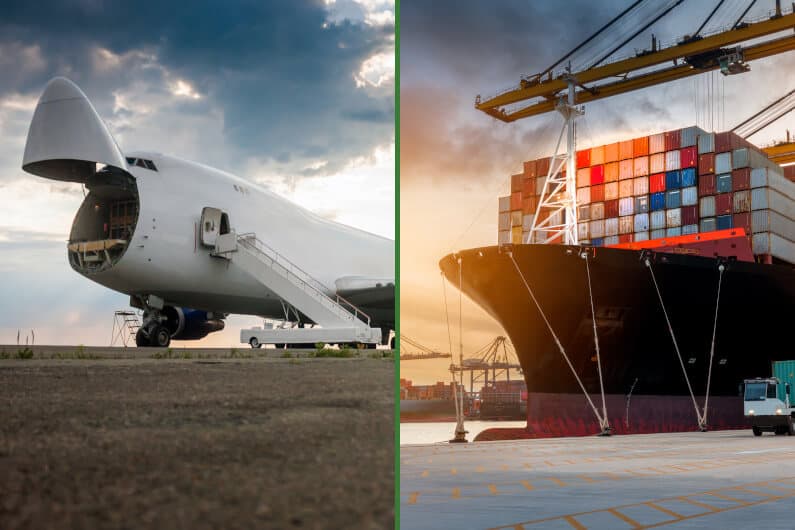
When considering china shipping to australia, importers typically choose between sea freight and air freight. Each method has its own advantages, costs, and timelines. Understanding these options is crucial for optimizing your supply chain.

| Shipping Method | Average Transit Time | Cost Level | Best For |
|---|---|---|---|
| Sea Freight | 12-30 days | Low | Large, heavy shipments |
| Air Freight | 3-7 days | High | Urgent, small cargo |
Sea freight is the most popular choice for bulk shipments due to its cost-effectiveness. On the other hand, air freight is ideal for time-sensitive or high-value goods. For more details on these services, visit sea freight and air freight.
How Much Does It Cost to Ship from China to Australia?
Shipping costs depend on several factors, including cargo volume, weight, shipping method, and destination port. Here’s a simplified cost comparison:
| Shipping Type | Typical Cost (USD/CBM) | Key Factors Affecting Price |
|---|---|---|
| Sea Freight | $80 – $200 | Volume, port fees, surcharges |
| Air Freight | $4 – $8 per kg | Weight, urgency, fuel costs |
Other costs may include customs duties, insurance, and last-mile delivery. For a tailored quote, consider using a professional import service.
What Is the Shipping Time from China to Australia?
Transit times vary based on the shipping method, origin, and destination. Here’s a general overview:
| Route Type | Major Ports/ Airports | Estimated Transit Time |
|---|---|---|
| Sea Freight | Shanghai to Sydney/Melbourne | 12-20 days |
| Air Freight | Guangzhou to Sydney | 3-5 days |
Keep in mind, customs clearance and local delivery can add extra days. Efficient customs brokerage can help minimize delays.
What Documents Are Required for Customs Clearance in Australia?

Proper documentation is essential for smooth customs clearance. Here’s a checklist:
| Document Type | Purpose |
|---|---|
| Commercial Invoice | Declares value and details |
| Packing List | Lists contents and packaging |
| Bill of Lading/Airway Bill | Proof of shipment |
| Import Declaration | Required by Australian Customs |
| Certificate of Origin | Verifies product origin |
Missing or incorrect documents can cause costly delays. Partnering with an experienced freight forwarder ensures all paperwork is in order.
How to Choose the Best Freight Forwarder for China to Australia Shipping?
Selecting a reliable freight forwarder is critical. Consider these factors:
- Experience with China-Australia routes
- Transparent pricing and no hidden fees
- Comprehensive services (e.g., door to door, cargo insurance)
- Strong local networks in both China and Australia
- Positive customer reviews and proven track record
A trusted partner like TJ China Freight can handle every aspect of your shipment, from pickup to delivery.
What Are the Advantages and Disadvantages of Sea and Air Freight?
| Criteria | Sea Freight | Air Freight |
|---|---|---|
| Cost | Lower for large shipments | Higher, but faster |
| Speed | Slower (12-30 days) | Fast (3-7 days) |
| Cargo Size | Suitable for bulk/oversized goods | Best for small, urgent shipments |
| Environmental Impact | Lower emissions per ton | Higher emissions |
Choosing the right method depends on your budget, timeline, and cargo type.
How Does Door-to-Door Shipping Work from China to Australia?
Door-to-door shipping simplifies logistics by handling the entire process, including pickup, export, shipping, customs clearance, and final delivery. This service is ideal for businesses seeking a hassle-free solution and predictable costs. Learn more about door to door shipping options.
What Are the Latest Trends in China-Australia Logistics?
The logistics landscape is evolving rapidly. Key trends include:
- Increased demand for express service for e-commerce and urgent shipments
- Growing use of digital tracking and supply chain visibility tools
- Enhanced focus on sustainability and carbon footprint reduction
- Rising importance of flexible warehousing solutions
Staying updated on these trends helps importers remain competitive and responsive to market changes.
How to Ensure Your Cargo Is Protected During Transit?

Cargo insurance is essential to safeguard your goods against loss, damage, or theft during shipping. Comprehensive cargo insurance covers a wide range of risks, providing peace of mind and financial protection.
What Are the Most Common Ports and Airports for China-Australia Shipping?
| China Port/Airport | Australia Port/Airport |
|---|---|
| Shanghai | Sydney |
| Shenzhen | Melbourne |
| Ningbo | Brisbane |
| Guangzhou (Air) | Sydney (Air) |
Choosing the right port or airport can impact shipping time and cost.
How to Reduce Shipping Costs from China to Australia?
To optimize your shipping budget:
- Consolidate shipments to maximize container space
- Choose the most suitable shipping method for your cargo
- Plan ahead to avoid peak season surcharges
- Work with a freight forwarder offering competitive rates and value-added services like warehousing
What Are the Key Challenges in China Shipping to Australia and How to Overcome Them?
Common challenges include:
- Navigating complex customs regulations
- Managing fluctuating shipping rates
- Ensuring timely delivery during peak seasons
- Handling damaged or lost cargo
Solutions involve proactive planning, using reliable partners, and leveraging technology for real-time tracking and communication.
Conclusion
In summary, china shipping to australia involves careful planning, choosing the right shipping method, and working with an experienced freight forwarder. By understanding costs, transit times, and customs requirements, you can streamline your supply chain and ensure successful deliveries.
Ready to simplify your china shipping to australia? Contact TJ China Freight today for a free quote and expert guidance. Our team is dedicated to providing reliable, cost-effective solutions tailored to your business needs. Let us help you navigate every step of the shipping process with confidence.

FAQs(click to expand and view )
The most cost-effective method is sea freight, especially for large or heavy shipments. Full container loads (FCL) offer the best rates per unit, but even less-than-container loads (LCL) are economical for smaller volumes. While sea freight takes longer than air freight, it significantly reduces shipping costs. Working with a reputable freight forwarder can help you consolidate shipments and further lower expenses.
Transit times depend on the shipping method and origin/destination. Sea freight typically takes 12 to 30 days, depending on the port pair and shipping schedule. Air freight is much faster, usually arriving within 3 to 7 days. However, customs clearance and local delivery may add extra time. Planning ahead and ensuring all documents are in order can help avoid unnecessary delays.
Key documents include the commercial invoice, packing list, bill of lading or airway bill, import declaration, and certificate of origin. These documents provide customs authorities with essential information about your shipment, its value, and its origin. Incomplete or incorrect paperwork can result in delays or fines, so it’s important to work with a knowledgeable customs broker.
Yes, many freight forwarders offer comprehensive door-to-door services. This means your cargo is picked up from the supplier in China and delivered directly to your address in Australia, covering all logistics, customs clearance, and local delivery. Door-to-door shipping is ideal for businesses seeking a hassle-free, all-inclusive solution.
Most modern freight forwarders provide online tracking systems that allow you to monitor your shipment in real time. You’ll receive updates at key milestones, such as departure, arrival at port, customs clearance, and final delivery. This transparency helps you plan your inventory and manage your supply chain more effectively.