

How to Find the 40HQ FCL Sailing Schedule for Medical Equipment from China to Germany?
Shipping medical equipment internationally requires precision, and the 40HQ FCL sailing schedule for medical equipment from China to Germany is a critical factor for any healthcare supplier or distributor. Although many shippers are familiar with standard container shipping, transporting sensitive, high-value medical devices in a 40HQ (High Cube) FCL demands careful planning and expert handling. This guide will walk you through the booking process, route selection, documentation, and real case studies, ensuring your cargo arrives safely, on time, and within budget.
What Is a 40HQ FCL and Why Is It Ideal for Medical Equipment?
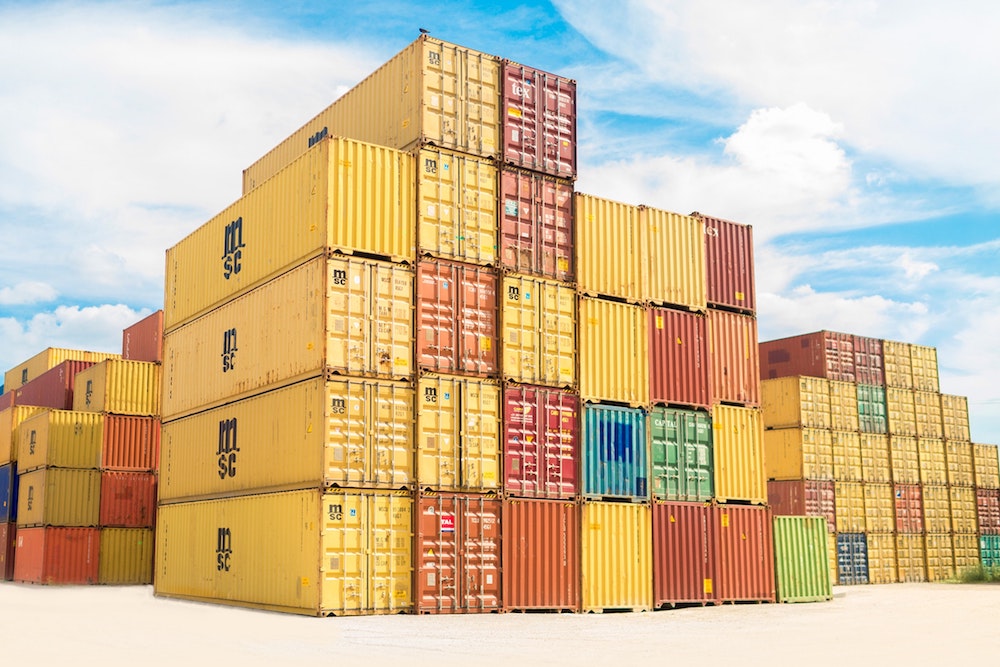
A 40HQ FCL (40-foot High Cube Full Container Load) is a standard shipping container with extra height, perfect for large, high-value, or sensitive cargo like medical equipment. Although LCL (Less than Container Load) is an option, FCL is often more secure and cost-effective for full loads. Moreover, FCL reduces the risk of damage and delays since your cargo is not mixed with others.

| Container Type | Dimensions (m) | Max Payload (kg) | Best For |
|---|---|---|---|
| 40HQ FCL | 12.03 x 2.35 x 2.69 | 28,600 | Medical equipment, electronics, machinery |
What Are the Key Steps in the 40HQ FCL Booking Process for Medical Equipment from China to Germany?
The process involves several critical steps, each requiring attention to detail and coordination. Additionally, each stage can impact your shipping cost, transit time, and risk profile.
1. Cargo Assessment and Preparation
To begin, you must measure and weigh your medical equipment accurately. Additionally, you should check for any special handling requirements, such as temperature control or fragile items. This information is vital for container selection and customs documentation.
2. Selecting the Right Freight Forwarder
Choosing a reliable partner like TJ China Freight is crucial. Not only do they have experience with medical equipment, but they also offer end-to-end support, including customs brokerage and cargo insurance.
3. Booking the 40HQ FCL and Sailing Schedule
Afterward, your forwarder will book the 40HQ FCL with the shipping line. However, space can be limited, so booking early is essential, especially during peak seasons. Additionally, you should confirm the sailing schedule and estimated arrival time.
4. Export Customs Clearance
Your forwarder will prepare all necessary documents, such as the commercial invoice, packing list, and export license. Moreover, they will handle the customs declaration and inspection process.
5. Loading and Securing the Medical Equipment
Medical equipment is loaded into the 40HQ container at the warehouse or port. It is then blocked, braced, and sealed according to international safety standards. As a result, the risk of damage during transit is minimized.
6. Ocean Shipping and Real-Time Tracking
The container is loaded onto the vessel and shipped to Germany. Most shipping lines and forwarders provide real-time tracking via online portals or mobile apps. Consequently, you can monitor your cargo’s location, estimated arrival, and any potential delays.
7. Import Customs Clearance in Germany
Upon arrival, your forwarder or customs broker will handle import clearance, pay duties and taxes, and arrange for final delivery.
What Documents Are Required for 40HQ FCL Medical Equipment Shipping?
Proper documentation is essential for smooth customs clearance and risk management.

| Document Type | Purpose | Who Prepares |
|---|---|---|
| Bill of Lading | Proof of shipment | Carrier/Freight Forwarder |
| Commercial Invoice | Value declaration | Shipper |
| Packing List | Cargo details | Shipper |
| Certificate of Origin | Proof of origin | Shipper |
| Export License | Regulatory compliance | Shipper/Forwarder |
| Insurance Certificate | Cargo protection | Insurer/Forwarder |
How Do You Calculate the Cost for 40HQ FCL Medical Equipment from China to Germany?
The total cost depends on several factors. For example, the size and weight of the cargo, the origin and destination ports, and the need for special handling all play a role. Additionally, surcharges for temperature control, port fees, and insurance must be considered.
| Cost Element | Typical Range (USD) | Notes |
|---|---|---|
| 40HQ FCL Freight | $4,200 – $7,200 | China to Germany |
| Port Fees | $400 – $900 | Both China and Germany |
| Lashing/Bracing | $150 – $400 | Per container |
| Insurance | 0.3% – 0.5% of value | Optional but recommended |
What Are the Main Ports for 40HQ FCL from China to Germany?
| China Port | Germany Port | Typical Transit Time |
|---|---|---|
| Shanghai | Hamburg | 32-38 days |
| Shenzhen | Bremerhaven | 34-40 days |
| Ningbo | Hamburg | 33-39 days |
| Qingdao | Hamburg | 34-41 days |
How to Ensure Safe Loading and Temperature Control for Medical Equipment?
Safe loading is critical. Therefore, always use professional packing and certified lashing materials. Additionally, medical equipment should be blocked and braced to prevent movement. For temperature-sensitive items, use insulated packaging and monitor temperature during transit.
What Are the Main Risks and How Can You Mitigate Them?

Shipping medical equipment in a 40HQ FCL involves risks such as:
- Damage during transit: Use proper lashing and cargo insurance.
- Customs delays: Ensure all documents are accurate and complete.
- Port congestion: Book early and choose less congested ports if possible.
- Temperature excursions: Use temperature monitoring and insulated packaging.
Real Case Study 1: Shipping MRI Machines from Shanghai to Hamburg
A German hospital imported two MRI machines (each 3.2m x 2.1m x 2.0m, 8,000kg) from Shanghai to Hamburg. The cargo was loaded into a 40HQ FCL, with special bracing and temperature monitoring. The total shipping cost, including freight, port fees, and insurance, was $6,800. The transit time was 36 days, and customs clearance in Germany took 2 days.
Real Case Study 2: Transporting Diagnostic Equipment from Ningbo to Hamburg
A medical distributor in Germany imported diagnostic equipment (total 15,000kg, 28m³) from Ningbo. The shipment required a 40HQ FCL and special packaging for sensitive electronics. The total cost was $5,900, with a transit time of 34 days. The forwarder handled all documentation and arranged door to door delivery.
Real Case Study 3: Shipping Hospital Beds from Shenzhen to Bremerhaven
A logistics provider shipped 50 hospital beds (each 2.2m x 1.0m x 0.8m, 120kg) from Shenzhen to Bremerhaven. The cargo was consolidated in a 40HQ FCL, with a total cost of $4,900. The journey took 38 days, and the client used warehousing in Germany for temporary storage before final delivery.
How to Choose the Best Freight Forwarder for 40HQ FCL Medical Equipment?
When selecting a forwarder, consider:
| Criteria | Why It Matters | What to Look For |
|---|---|---|
| Experience with Medical | Ensures safe handling | Case studies, references |
| Network Coverage | Smooth door-to-port delivery | Global partners, local agents |
| Pricing Transparency | Avoids hidden fees | Detailed, upfront quotes |
| Technology Integration | Enables real-time tracking | Online platforms, digital tools |
| Customer Support | Resolves issues quickly | 24/7 support, multilingual team |
What Are the Advantages and Disadvantages of 40HQ FCL for Medical Equipment?
| Advantage | Disadvantage |
|---|---|
| Secure for sensitive items | Higher cost than LCL for small loads |
| Flexible loading | Limited space, book early |
| Lower risk of damage | May need special handling |
| Suitable for OOG cargo | Not for very large machines |
How Does 40HQ FCL Compare to Other Shipping Methods?
| Method | Cost Level | Transit Time | Best For |
|---|---|---|---|
| 40HQ FCL | Medium | 32-40 days | Medical equipment, electronics |
| LCL | Low | 35-45 days | Small shipments |
| Air Freight | Highest | 2-7 days | Urgent, high-value goods |
What Are the Latest Trends in 40HQ FCL Shipping from China to Germany?
Key trends in 2025 include:
- Digitalization: Online booking, tracking, and digital documentation are becoming standard.
- Green Logistics: More companies are choosing eco-friendly shipping options.
- Network Expansion: New routes and more frequent departures are being added.
- E-commerce Growth: Freight forwarders are expanding services for Amazon FBA and online sellers.
How to Optimize Your 40HQ FCL Booking Process for Medical Equipment?
To get the most from your 40HQ FCL booking:
- Book Early: Reserve space in advance, especially during peak seasons.
- Consolidate Shipments: Use warehousing to combine smaller loads.
- Choose the Right Service Level: Select the best balance of speed and cost for your needs.
- Work with Experts: Partner with a forwarder like TJ China Freight for end-to-end support.
Conclusion
In summary, the 40HQ FCL sailing schedule for medical equipment from China to Germany involves careful planning, accurate documentation, and expert handling. By understanding each step, working with a reliable forwarder, and leveraging digital tools, you can ensure your medical equipment arrives safely, on time, and within budget. As logistics trends evolve, 40HQ FCL will remain a vital solution for large, sensitive, and high-value cargo.
If you want to streamline your medical equipment shipping from China to Germany, contact TJ China Freight for a free quote and expert advice on the 40HQ FCL sailing schedule. Our team is ready to help you save time, reduce costs, and ensure smooth delivery for every shipment.

FAQs(click to expand and view )
Contact your forwarder for the latest schedule and available vessel space.
Use strong pallets, secure lashing, and temperature control for all medical equipment.
Yes, most forwarders provide real-time tracking for 40HQ FCL shipments.
Risks include damage, customs delays, and temperature excursions for medical equipment.
Provide cargo dimensions, weight, and route details to your forwarder for an accurate quote.