

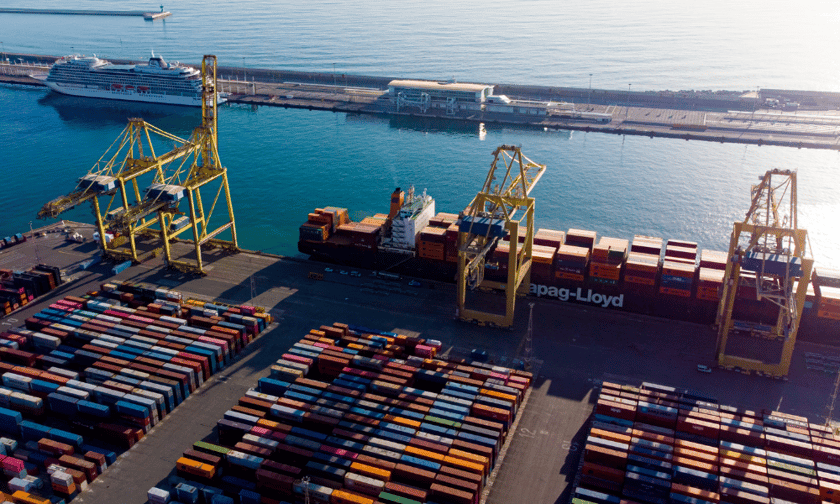
How to Find the 20GP FCL Sailing Schedule for Electronics from China to Italy?
Shipping electronics in a 20GP FCL from China to Italy requires precise planning and up-to-date information. The 20GP FCL sailing schedule for electronics from China to Italy is a critical factor for importers who need to meet tight deadlines, control costs, and ensure product safety. This comprehensive guide explains how to access the latest schedules, optimize your shipping process, and avoid common pitfalls in the electronics supply chain.
Why Is the 20GP FCL Sailing Schedule So Important for Electronics Shipments?
Electronics are often high-value, time-sensitive, and subject to rapid market changes. Accordingly, missing a sailing or facing unexpected delays can result in lost sales, inventory shortages, and dissatisfied customers. Moreover, the 20GP FCL sailing schedule for electronics from China to Italy directly impacts your supply chain efficiency, delivery commitments, and overall competitiveness.
| Factor | Impact on Shipping | Example Scenario | Solution Approach |
|---|---|---|---|
| Sailing Frequency | Affects lead time | Weekly vs. biweekly | Choose frequent routes |
| Port Congestion | Causes delays | Peak season bottlenecks | Flexible scheduling |
| Carrier Reliability | Impacts delivery | Missed connections | Trusted forwarder |
What Are the Main Ports for 20GP FCL Electronics Shipments from China to Italy?
Most electronics shipments depart from major Chinese ports such as Shanghai, Ningbo, or Shenzhen and arrive at Italian ports like Genoa, La Spezia, or Venice. The choice of port can affect both the 20GP FCL sailing schedule and the total transit time. Direct routes are typically faster but may be more expensive, while transshipment routes can offer cost savings but add a few days to the journey.

| Origin Port | Destination Port | Typical Transit Time | Sailing Frequency |
|---|---|---|---|
| Shanghai | Genoa | 27-32 days | Weekly |
| Ningbo | La Spezia | 28-34 days | Weekly/Biweekly |
| Shenzhen | Venice | 29-35 days | Weekly |
How to Access the Latest 20GP FCL Sailing Schedules?
To find the most accurate 20GP FCL sailing schedule for electronics from China to Italy, you should:
- Consult Your Freight Forwarder: Companies like TJ China Freight provide up-to-date schedules and booking support.
- Check Carrier Websites: Major shipping lines publish weekly schedules and available space.
- Use Digital Platforms: Online tools aggregate schedules from multiple carriers for easy comparison.
- Request Customized Schedules: For large or regular shipments, forwarders can negotiate priority space and tailored sailing options.
What Are the Key Steps in Booking a 20GP FCL for Electronics?
Booking a 20GP FCL for electronics from China to Italy involves several critical steps. Initially, confirm your cargo readiness and preferred sailing date. Afterward, your forwarder will secure space, prepare documentation, and coordinate with the carrier. Throughout the process, real-time updates and door to door services can streamline operations and reduce risk.
| Step | Description | Key Consideration |
|---|---|---|
| Cargo Readiness | Ensure goods are packed and labeled | Prevents delays |
| Space Booking | Reserve 20GP FCL on preferred sailing | Early booking advised |
| Documentation | Prepare bill of lading, invoice, packing list | Accurate details needed |
| Customs Clearance | Comply with export/import regulations | Use customs brokerage |
| Final Delivery | Arrange inland transport in Italy | Timely handover |
How Do Transit Times and Sailing Schedules Vary by Route?
Transit times for 20GP FCL electronics shipments from China to Italy typically range from 27 to 35 days, depending on the route, carrier, and port congestion. Direct routes from Shanghai or Ningbo to Genoa or La Spezia are the fastest, while transshipment via Mediterranean hubs may add several days.
| Route | Sea Transit | Inland Transit | Total Time |
|---|---|---|---|
| Shanghai–Genoa | 25 days | 2-5 days | 27-30 days |
| Ningbo–La Spezia | 26 days | 2-6 days | 28-32 days |
| Shenzhen–Venice | 27 days | 2-8 days | 29-35 days |
What Are the Main Cost Factors for 20GP FCL Electronics Shipping?
The total cost of shipping electronics in a 20GP FCL from China to Italy depends on several variables, including the base ocean freight, surcharges, and value-added services such as cargo insurance, warehousing, and import service.
| Cost Component | Typical Range (USD) | Notes |
|---|---|---|
| Ocean Freight | $2,900 – $5,500 | Varies by route/season |
| Fuel Surcharge | $200 – $500 | Fluctuates with oil prices |
| Insurance | $100 – $300 | Based on cargo value |
| Delivery (Italy) | $400 – $1,200 | Inland transport |
What Documentation Is Required for 20GP FCL Electronics Shipments?

Accurate documentation is essential for smooth customs clearance and to avoid delays or extra fees. The following table summarizes the key documents needed for 20GP FCL electronics shipments:
| Document | Purpose | Importance |
|---|---|---|
| Bill of Lading | Proof of shipment | Required for release |
| Commercial Invoice | Customs valuation, product details | Essential for entry |
| Packing List | Cargo verification | Prevents inspection |
| Import License | Regulatory compliance | Avoids legal delays |
Working with a professional customs brokerage ensures all paperwork is in order, reducing the risk of costly delays.
Why Is Cargo Insurance Important for Electronics Shipments?
Given the high value and sensitivity of electronics, cargo insurance is crucial. It protects your goods against loss, damage, or theft during transit. Moreover, insurance provides peace of mind, especially when shipments are rerouted or stored for extended periods due to port congestion or customs delays.
How Do Value-Added Services Improve Electronics Logistics?

Value-added services such as warehousing, door to door, and import service can significantly enhance the safety and efficiency of your 20GP FCL electronics shipments. For example, warehousing near the destination port allows for flexible delivery scheduling, while door-to-door solutions ensure your cargo is handled by professionals from start to finish.
What Are Real-World Examples of 20GP FCL Electronics Shipments?
Case Study 1: Consumer Electronics to Genoa
- Origin: Shanghai, China
- Destination: Genoa, Italy
- Cargo: 20GP FCL, consumer electronics (6 tons)
- Shipping Method: Sea freight
- Cost: $4,200 (including insurance and customs)
- Transit Time: 29 days
The client required a specific sailing date to meet a product launch. By booking early and using door to door service, the shipment arrived on time.
Case Study 2: Industrial Electronics to La Spezia
- Origin: Ningbo, China
- Destination: La Spezia, Italy
- Cargo: 20GP FCL, industrial electronics (7 tons)
- Shipping Method: Sea freight
- Cost: $4,500
- Transit Time: 31 days
The shipment included sensitive, high-value items. With warehousing in Italy, the cargo was stored securely before final delivery.
Case Study 3: Lighting Electronics to Venice
- Origin: Shenzhen, China
- Destination: Venice, Italy
- Cargo: 20GP FCL, lighting electronics (8 tons)
- Shipping Method: Sea freight
- Cost: $4,800
- Transit Time: 32 days
The client used import service for customs clearance, ensuring a smooth process and timely delivery.
How Can You Optimize the 20GP FCL Sailing Schedule for Electronics?
To summarize, several strategies can help you optimize the 20GP FCL sailing schedule for electronics from China to Italy:
- Book Early: Reserve your container space in advance to secure preferred sailing dates.
- Flexible Scheduling: Be open to alternative routes or dates to avoid congestion.
- Monitor Schedules: Stay updated on carrier changes and port conditions.
- Leverage Forwarder Networks: Work with a professional like TJ China Freight to access multiple carriers and priority allocations.
What Are the Latest Trends in 20GP FCL Shipping for Electronics?
The logistics industry is evolving, with digitalization, real-time tracking, and sustainability initiatives shaping 20GP FCL shipping. For example, many forwarders now offer online shipment tracking, automated alerts, and digital document submission. Additionally, green shipping practices and optimized routing are becoming more important for companies seeking to reduce their carbon footprint.
How Can You Ensure Compliance and Minimize Delays for Electronics Shipments?
Ensuring compliance with both Chinese export and Italian import regulations is critical for successful 20GP FCL electronics shipments. This includes accurate documentation, timely customs declarations, and adherence to EU safety standards. Moreover, regular communication with your freight forwarder and local agents helps identify and resolve issues before they escalate.
Conclusion
In conclusion, understanding the 20GP FCL sailing schedule for electronics from China to Italy is essential for effective supply chain planning and timely delivery. By leveraging professional services, accurate documentation, and value-added solutions, you can ensure your electronics shipments arrive on time, undamaged, and within budget. Ultimately, partnering with a reliable forwarder like TJ China Freight is the key to a successful, stress-free shipping experience.
For a tailored quote and expert advice on the 20GP FCL sailing schedule for electronics from China to Italy, contact TJ China Freight today. Our team will help you optimize your shipping process, minimize risks, and deliver your electronics efficiently every time.

FAQs(click to expand and view )
Most major carriers offer weekly sailings, but frequency can vary by port and season.
Transit times usually range from 27 to 35 days, depending on route and port congestion.
Book early, communicate your needs to your forwarder, and be flexible with alternative dates.
You’ll need a bill of lading, commercial invoice, packing list, and import license for customs clearance.
Yes, most forwarders offer real-time tracking and automated updates for 20GP FCL electronics cargo.
Warehousing near the destination port allows for flexible delivery and secure storage before final distribution.