

China to Australia Freight Forwarders: The Ultimate Guide to Cost, Time, and Choosing the Best Partner
Shipping from China to Australia is a critical part of the supply chain for many businesses, but finding the right China to Australia freight forwarders can be challenging. With complex customs, varying shipping costs, and multiple transport options, it’s essential to work with a partner who understands both markets. This guide will help you navigate every aspect of the process, from choosing the best freight forwarder to optimizing your shipping strategy.
What Services Do China to Australia Freight Forwarders Offer?
Freight forwarders provide a range of services to simplify international shipping. The most common include:
| Service | Description | Benefit |
|---|---|---|
| Sea Freight | Ocean shipping for bulk or containerized cargo | Cost-effective for large loads |
| Air Freight | Fast delivery for urgent or high-value goods | Short transit times |
| Customs Brokerage | Handling import/export paperwork and compliance | Smooth customs clearance |
| Door to Door | End-to-end logistics from supplier to destination | Hassle-free, all-inclusive |
For more details on sea shipping, see our sea freight service.
How Do You Choose the Best China to Australia Freight Forwarders?
Selecting the right partner is crucial for smooth, cost-effective shipping. Consider these factors:
- Experience: Look for forwarders with proven expertise in China-Australia trade.
- Network: A strong presence in both countries ensures better coordination.
- Service Range: Comprehensive solutions (customs, warehousing, insurance) add value.
- Transparency: Clear pricing and communication prevent hidden costs.
- Customer Support: Responsive service helps resolve issues quickly.
What Are the Main Shipping Methods from China to Australia?
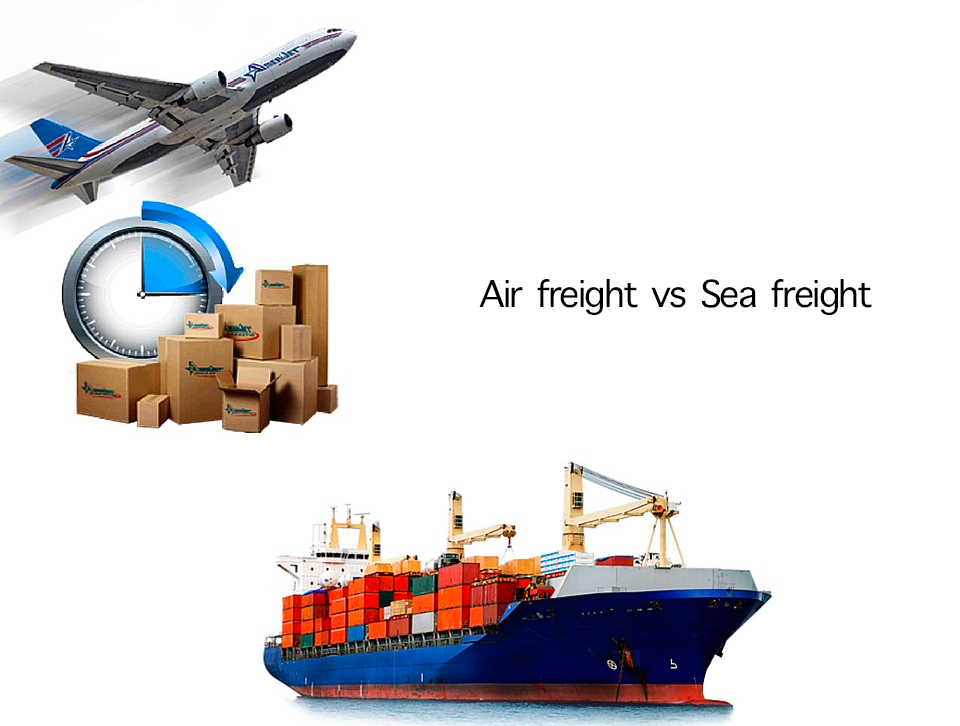
The two primary options are sea freight and air freight. Rail freight is not available for this route due to geographic limitations.

| Shipping Method | Transit Time | Cost Level | Best For |
|---|---|---|---|
| Sea Freight | 15-30 days | Low | Bulk, non-urgent cargo |
| Air Freight | 3-7 days | High | Urgent, high-value goods |
For urgent shipments, air freight is the fastest option, while sea freight is ideal for cost savings.
How Much Does It Cost to Ship from China to Australia?
Shipping costs depend on several factors, including method, cargo size, and destination. Here’s a general cost comparison:
| Shipping Type | LCL (per CBM) | FCL (20ft) | FCL (40ft) | Air Freight (per kg) |
|---|---|---|---|---|
| Sea Freight | 120−120−180 | 2,200−2,200−3,200 | 3,800−3,800−5,200 | N/A |
| Air Freight | N/A | N/A | N/A | 7.5−7.5−12.5 |
Note: Prices are indicative and may change with market conditions and seasonality.
For a tailored quote, our door to door service covers every step from pickup in China to delivery in Australia.
What Are the Main Ports and Airports for China to Australia Shipping?
Major Chinese Ports:
- Shanghai
- Shenzhen
- Ningbo
- Guangzhou
- Qingdao
Major Australian Ports:
- Sydney
- Melbourne
- Brisbane
- Fremantle
- Adelaide
Major Airports in China:
- Shanghai Pudong International Airport
- Guangzhou Baiyun International Airport
- Beijing Capital International Airport
Major Airports in Australia:
- Sydney Kingsford Smith Airport
- Melbourne Airport
- Brisbane Airport
Choosing the right port or airport can optimize your supply chain and reduce costs.
What Documents Are Required for Shipping from China to Australia?

Proper documentation is essential for smooth customs clearance. Here’s what you’ll need:
| Document Name | Purpose | Who Provides It |
|---|---|---|
| Commercial Invoice | Proof of sale and value | Shipper |
| Packing List | Details of cargo contents | Shipper |
| Bill of Lading/Airway Bill | Transport contract | Carrier/Freight Forwarder |
| Certificate of Origin | Verifies product origin | Chamber of Commerce |
| Import/Export License | Regulatory compliance | Shipper/Consignee |
For expert help with paperwork and compliance, our customs brokerage team is ready to assist.
How Do Incoterms Affect Shipping from China to Australia?
Incoterms define the responsibilities and cost-sharing between buyer and seller. The most common terms include:
| Incoterm | Who Pays for Shipping? | Who Handles Customs? | Risk Transfer Point |
|---|---|---|---|
| FOB | Buyer | Buyer | Port of shipment |
| CIF | Seller (to AU port) | Buyer (in Australia) | Australian port |
| DDP | Seller (all the way) | Seller | Final destination |
Choosing the right Incoterm can significantly impact your total shipping cost.
How Long Does Shipping from China to Australia Take?
Transit times depend on the shipping method and route:
| Shipping Method | Estimated Transit Time |
|---|---|
| Sea Freight | 15-30 days |
| Air Freight | 3-7 days |
However, customs clearance, port congestion, and weather can affect delivery schedules.
How Can You Reduce Shipping Costs from China to Australia?

Here are some practical tips to minimize your shipping expenses:
- Consolidate Shipments: Combine multiple orders to fill a container.
- Book Early: Secure space and avoid peak season surcharges.
- Negotiate Rates: Work with experienced freight forwarders for better deals.
- Use Warehousing: Store goods in China or Australia to optimize inventory and reduce urgent shipments. Learn more about warehousing solutions.
- Choose the Right Incoterms: Understand your responsibilities and costs.
Should You Get Cargo Insurance for Shipping from China to Australia?
Cargo insurance is highly recommended to protect your goods against loss, damage, or theft during transit. Insurance options include:
| Insurance Type | Coverage Scope | Cost (as % of cargo value) |
|---|---|---|
| Basic | Limited (named risks) | 0.2% – 0.5% |
| All-Risk | Comprehensive | 0.5% – 1% |
For peace of mind, explore our cargo insurance options.
What Are the Latest Trends in China to Australia Freight Forwarding?
The logistics industry is evolving, and staying updated can help you save more:
- Digitalization: Online booking and tracking improve transparency.
- Sustainability: Eco-friendly shipping options are gaining traction.
- E-commerce Growth: Increased demand for fast, reliable delivery.
- Supply Chain Resilience: Diversification of routes and partners to mitigate risks.
How to Choose the Best Freight Forwarder for E-commerce and Amazon FBA?
For e-commerce sellers, amazon fba shipping solutions can deliver directly to Amazon warehouses in Australia, ensuring compliance and fast delivery.
Conclusion
Choosing the right China to Australia freight forwarders is essential for smooth, cost-effective, and reliable shipping. By understanding your options, preparing the necessary documents, and leveraging professional services, you can ensure your cargo arrives safely and on time. Whether you choose sea freight or air freight, working with a trusted provider like TJ China Freight guarantees a seamless experience for all your China to Australia shipping needs.
Ready to optimize your China to Australia freight forwarders strategy? Contact TJ China Freight today for a free quote and expert advice. Our team is dedicated to providing reliable, cost-effective, and secure shipping solutions tailored to your business. Let us handle the logistics so you can focus on growing your business in Australia!

FAQs(click to expand and view )
Sea freight is usually the most affordable option, especially for large or heavy shipments. LCL is suitable for smaller volumes, while FCL offers the best rates for bulk cargo. Air freight is faster but more expensive. To save more, consolidate shipments and plan ahead to avoid peak season surcharges.
Customs duties are based on the product’s HS code, declared value, and country of origin. The Australian Border Force uses these details to determine the applicable tariff rate. Importers must also pay any relevant taxes and fees. Accurate documentation and classification are essential to avoid delays and penalties.
Yes, you can ship directly to Amazon FBA warehouses in Australia from China. Many freight forwarders offer specialized Amazon FBA shipping services, handling everything from pickup and labeling to customs clearance and final delivery. This streamlines the process for e-commerce sellers and ensures compliance with Amazon’s requirements.
The main documents include a commercial invoice, packing list, bill of lading or airway bill, and a certificate of origin. Depending on the product, additional permits or certificates may be required. Proper documentation ensures smooth customs clearance and helps avoid costly delays.
While not mandatory, cargo insurance is highly recommended. It protects your goods against loss, damage, or theft during transit. The cost of insurance is relatively low compared to the value of your cargo and the potential risks involved. Most freight forwarders offer various insurance options to suit your needs.