

Freight from China to Italy: 2025 Guide to Shipping Methods, Costs & Delivery
Are you searching for the most reliable and cost-effective way to arrange freight from China to Italy? With global supply chains evolving and shipping regulations tightening in 2025, understanding your options, transit times, and cost factors is crucial. This guide will help you navigate the process, avoid common pitfalls, and ensure your cargo arrives safely and on time.
What Are the Main Shipping Methods for Freight from China to Italy?
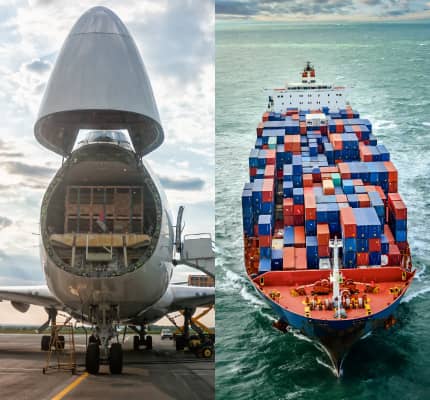
When shipping from China to Italy, the two primary options are sea freight and air freight. Each method has unique advantages, costs, and delivery timelines. The right choice depends on your cargo type, urgency, and budget.

| Shipping Method | Transit Time | Cost Level | Best For |
|---|---|---|---|
| Sea freight | 25–38 days | Low | Large, heavy shipments |
| Air freight | 3–7 days | High | Urgent, valuable goods |
| Express service | 2–5 days | Highest | Small, time-sensitive |
How Much Does Freight from China to Italy Cost in 2025?
Shipping costs depend on the method, cargo size, weight, and additional services like cargo insurance. Here’s a general cost comparison:
| Shipping Method | Typical Cost (USD) | Notes |
|---|---|---|
| Sea Freight (20’ FCL) | 2,200–2,200–3,800 | Best for >1000kg |
| Air Freight (per kg) | 5–5–9 | Best for 45–200kg |
| Express (per kg) | 7–7–13 | Best for <45kg |
Note: Prices fluctuate due to market trends, fuel surcharges, and global events.
What Are the Main Ports and Airports for Freight from China to Italy?
Major Chinese ports for exports to Italy include Shanghai, Shenzhen, Ningbo, and Qingdao. In Italy, the main ports are Genoa, La Spezia, and Venice. For air freight, Milan Malpensa and Rome Fiumicino are the primary airports.
| Origin Port (China) | Destination Port (Italy) | Typical Transit Time |
|---|---|---|
| Shanghai | Genoa | 27–35 days |
| Shenzhen | La Spezia | 25–32 days |
| Ningbo | Venice | 28–36 days |
What Documents Are Required for Freight from China to Italy?

Accurate documentation is essential for smooth customs clearance. The main documents include:
| Document Name | Purpose |
|---|---|
| Commercial Invoice | Proof of sale and value |
| Packing List | Details of goods and packaging |
| Bill of Lading/Airway Bill | Transport contract |
| Certificate of Origin | Country of manufacture |
| Import/Export License | Legal compliance |
A professional customs brokerage can help you prepare and submit all necessary paperwork, reducing the risk of delays.
How Long Does Customs Clearance Take in Italy?
Customs clearance in Italy typically takes 1–3 days if all documents are in order. However, delays can occur due to incomplete paperwork, inspections, or peak season congestion. Using an import service ensures compliance with Italian regulations and smooth customs processing.
How to Choose Between FCL and LCL for Sea Freight?
- FCL (Full Container Load): Best for large shipments, offers better security and lower cost per unit.
- LCL (Less than Container Load): Ideal for small shipments, you share container space and cost with others.
If you’re unsure, a reliable forwarder can help you decide based on your cargo volume and budget.
What Value-Added Services Can Optimize Your Freight from China to Italy?

To streamline your supply chain, consider value-added services such as:
- Door to door: End-to-end delivery from your supplier in China to your final destination in Italy.
- Warehousing: For cargo consolidation, storage, and quality checks before shipping.
- Amazon FBA: Direct shipping to Amazon fulfillment centers for e-commerce sellers.
How Does Sea Freight Compare to Air Freight for China-Italy Shipments?
| Factor | Sea Freight | Air Freight |
|---|---|---|
| Cost | Lower for large shipments | Higher, especially for bulk |
| Transit Time | 25–38 days | 3–7 days |
| Cargo Size | Suitable for all sizes | Best for small/urgent |
| Environmental Impact | Lower emissions per ton | Higher emissions |
Sea freight is the preferred choice for most importers due to its cost-effectiveness and capacity for large or heavy cargo. For urgent or high-value shipments, air freight may be considered.
How Can You Minimize Delays and Risks in Freight from China to Italy?
- Book early to secure space, especially during peak seasons.
- Double-check documents for accuracy.
- Use cargo insurance to protect against loss or damage.
- Leverage warehousing for consolidation and flexible delivery.
- Work with an experienced forwarder like TJ China Freight for end-to-end support.
What Are the Latest Trends in Freight from China to Italy in 2025?
- Digitalization: Real-time tracking and online booking.
- Sustainability: Green surcharges and eco-friendly shipping options.
- E-commerce growth: More demand for fast, flexible shipping and FBA integration.
- Global disruptions: Ongoing geopolitical tensions and climate events can cause delays and price spikes.
How to Choose the Right Freight Forwarder for China-Italy Shipments?
Look for:
- Transparent pricing and clear communication
- Comprehensive service offerings (customs, insurance, warehousing)
- Experience with China-Italy trade lane
- Positive customer reviews and proven track record
A professional forwarder like TJ China Freight can handle every step, from booking to final delivery.
Conclusion
Freight from China to Italy in 2025 requires careful planning, the right shipping method, and expert support. By understanding your options, preparing the correct documents, and working with experienced partners, you can avoid delays and ensure your cargo arrives safely and on time. Whether you need sea or air freight, customs clearance, or door-to-door delivery, the right forwarder will make your shipping process smooth and worry-free.
Take the next step in optimizing your freight from China to Italy. Request a free quote today and discover how our tailored solutions can simplify your logistics, reduce costs, and ensure your cargo arrives safely and on time.

FAQs(click to expand and view )
Air freight is the fastest option, with transit times of 3–7 days. Express services are even quicker for small parcels, but at a higher cost. Sea freight is slower but more economical for large shipments.
Most forwarders and shipping lines provide online tracking tools. You’ll receive a bill of lading or tracking number to monitor your cargo’s status in real time. Regular updates from your logistics partner ensure transparency.
Delays can result from port congestion, customs issues, incomplete documentation, bad weather, or global disruptions. Booking early, preparing accurate paperwork, and working with an experienced forwarder can help minimize these risks.
Yes, LCL (Less than Container Load) shipments often take longer due to the need for consolidation and deconsolidation at both origin and destination ports. FCL (Full Container Load) is usually faster and more secure for larger shipments.
Yes, with FBA integration and door-to-door services, your cargo can be delivered directly from your supplier in China to Amazon fulfillment centers in Italy. This streamlines your supply chain and reduces handling.