

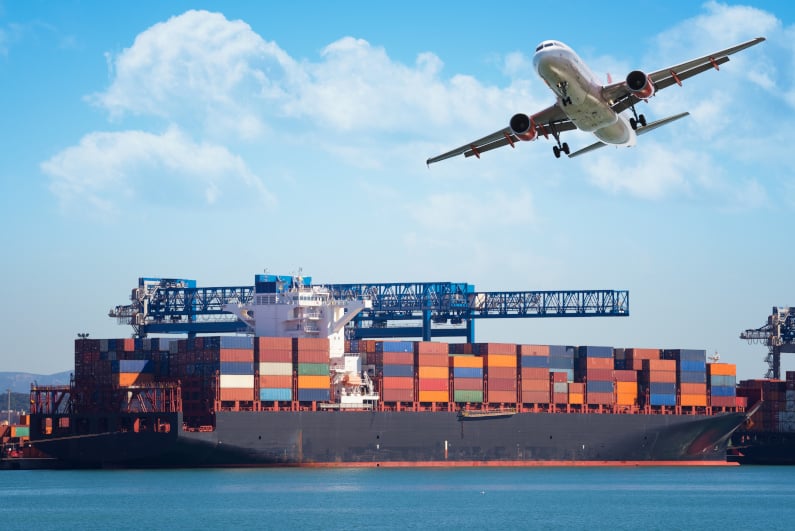
How Is the 40GP FCL Freight Rate for Auto Parts from China to Germany Calculated?
Shipping auto parts in a 40GP FCL container from China to Germany is a critical step for automotive supply chains. The 40GP FCL freight rate for auto parts from China to Germany can fluctuate due to market trends, route choices, and logistics decisions. This comprehensive guide explains the main cost drivers, offers real-world examples, and provides actionable tips to help you secure the best rates and ensure reliable delivery for your auto parts shipments.
What Is a 40GP FCL and Why Is It Ideal for Auto Parts?

A 40GP FCL (General Purpose Full Container Load) is a standard 40-foot container, perfect for large or heavy shipments like auto parts. Although LCL (Less than Container Load) is available, FCL is preferred for bulk shipments due to lower per-unit costs, reduced risk of damage, and simplified handling. As a result, most automotive importers choose 40GP FCL for shipping from China to Germany.
What Factors Influence the 40GP FCL Freight Rate for Auto Parts?
Several variables impact the 40GP FCL freight rate for auto parts from China to Germany:
- Port of origin and destination charges
- Carrier selection and service level
- Seasonal demand and global shipping trends
- Fuel surcharges and bunker adjustment factors
- Container availability and equipment surcharges
- Customs clearance and documentation requirements
- Special handling or packaging needs for auto parts
Moreover, the size, weight, and value of your shipment, as well as the need for insurance or expedited service, can further affect the total cost.
How Does the Shipping Process Work for Auto Parts from China to Germany?
The shipping process for auto parts in a 40GP FCL container involves several coordinated steps. Initially, the parts are packed and loaded at the supplier’s facility. Next, the container is transported to the port, where it undergoes export customs clearance. Afterward, the 40GP FCL is loaded onto a vessel for sea freight to Germany. Upon arrival, the cargo is offloaded, cleared through German customs, and delivered to the final destination. Each stage can influence the overall 40GP FCL freight rate for auto parts from China to Germany, especially if delays or additional services are required.
What Are the Main Shipping Routes and Their Impact on Freight Rates?
Most auto parts shipments depart from major Chinese ports such as Shanghai, Ningbo, and Shenzhen. The most common routes to Germany involve direct sailings to Hamburg or Bremerhaven. Direct routes are generally faster but may be more expensive, while transshipment routes can offer lower rates but add several days to the journey. Additionally, carrier alliances and vessel sharing agreements can impact available schedules and pricing.
| Port of Origin | German Port | Transit Time | Typical Rate (USD) |
|---|---|---|---|
| Shanghai | Hamburg | 28-33 days | $6,800 – $9,500 |
| Ningbo | Bremerhaven | 29-35 days | $7,000 – $9,800 |
| Shenzhen | Hamburg | 30-36 days | $7,200 – $10,000 |
How Do Customs and Documentation Affect Freight Rates?
Customs clearance is a critical step that can either increase or decrease your total shipping cost. Incomplete or incorrect paperwork often leads to inspections, holds, and extra fees, raising the 40GP FCL freight rate for auto parts from China to Germany. To avoid such issues, it is vital to work with a professional customs brokerage service that understands both Chinese and German import/export regulations. Additionally, pre-clearing documents and ensuring compliance with all product certifications can help streamline the process and avoid costly delays.
What Are the Cost and Service Comparisons for Different Shipping Methods?

While sea freight is the most common and cost-effective method for shipping auto parts in a 40GP FCL container, other options exist for urgent or high-value shipments. The table below compares the main shipping methods:
| Method | Cost | Transit Time | Best For |
|---|---|---|---|
| Sea freight (40GP FCL) | Low | 28-36 days | Bulk, non-urgent auto parts |
| Air freight | High | 4-7 days | Urgent, high-value auto parts |
| Express service | Very High | 2-5 days | Samples, small urgent shipments |
How Can You Optimize 40GP FCL Freight Rates for Auto Parts?
Optimizing your freight rate requires a combination of planning, negotiation, and reliable partners. For example, booking space in advance during peak seasons can help you avoid rate spikes. Additionally, consolidating shipments and choosing the right carrier can lead to better pricing. Partnering with a trusted provider like TJ China Freight ensures you benefit from expert route planning, customs support, and proactive communication throughout the shipping process.
What Role Does Warehousing Play in Managing Costs?
Warehousing solutions near German ports can significantly reduce last-mile delivery costs and demurrage fees. By leveraging warehousing services, you can quickly offload containers, store inventory, and schedule timely deliveries to your final destination. This approach is especially useful for auto parts importers who need to manage fluctuating demand or coordinate distribution to multiple locations.

What Are the Latest Trends in Auto Parts Shipping from China to Germany?
Logistics trends are constantly evolving. Recently, there has been a shift toward digitalization, with more companies adopting real-time tracking and automated documentation. Additionally, sustainability initiatives are influencing packaging and shipping choices. Many importers are also exploring door to door solutions to simplify the process and improve delivery reliability. These trends are shaping the future of 40GP FCL freight rate for auto parts from China to Germany.
What Real-World Cases Illustrate 40GP FCL Freight Rates for Auto Parts?
Case Study 1: Engine Components from Shanghai to Hamburg
A German automotive supplier shipped a 40GP FCL container of engine components from Shanghai to Hamburg. The shipment, valued at $180,000, was booked on a direct sailing with a 31-day transit time. By aligning production with the sailing schedule and using digital tracking, the importer avoided delays and met a critical assembly deadline. The total shipping cost was $8,200, including all surcharges.
Case Study 2: Brake Systems from Ningbo to Bremerhaven
An importer arranged a 40GP FCL shipment of brake systems from Ningbo to Bremerhaven. The container was loaded at the supplier’s warehouse, shipped via a transshipment route, and cleared customs in 2 days. The total shipping cost was $8,900, and the entire process took 34 days from port to warehouse delivery.
Case Study 3: Transmission Parts from Shenzhen to Hamburg
A German distributor sourced a 40GP FCL of transmission parts from Shenzhen to Hamburg. The shipment faced minor port congestion, extending the sea transit to 36 days. However, by using local warehousing and continuous tracking, the importer met all project deadlines and avoided demurrage fees. The total freight rate was $9,500, including all surcharges.
How Should You Prepare Documentation for Smooth Shipping?
Proper documentation is essential for minimizing delays and avoiding extra costs. Ensure all commercial invoices, packing lists, and bills of lading are accurate and complete. For auto parts, compliance with EU import regulations and certifications is critical. Working with an experienced import service provider can help you navigate complex requirements and avoid costly mistakes.
What Are the Cost Implications of Delays in 40GP FCL Shipping?
Delays in transit can lead to increased storage fees, missed production deadlines, and higher logistics costs. The table below highlights potential extra costs:
| Delay Type | Cost Range (USD) | Impact |
|---|---|---|
| Port Congestion | $700 – $2,500 | Storage, demurrage |
| Customs Hold | $300 – $1,500 | Inspection, late fees |
| Missed Delivery | $400 – $2,000 | Re-delivery, lost sales |
To summarize, planning for contingencies and working with reliable partners can help you avoid these additional expenses and keep your supply chain efficient.
Conclusion
In summary, the 40GP FCL freight rate for auto parts from China to Germany is shaped by a range of factors, including shipping routes, carrier selection, documentation, and market trends. By understanding these influences and working with experienced logistics partners, you can optimize your shipping costs, avoid hidden fees, and ensure your auto parts reach Germany on time. Proactive planning, accurate paperwork, and the right support are essential for success in today’s competitive automotive market.
Take the next step to secure the best 40GP FCL freight rate for auto parts from China to Germany. Contact our team for a customized quote and discover how our expertise can help you achieve cost-effective, reliable shipping every time.