

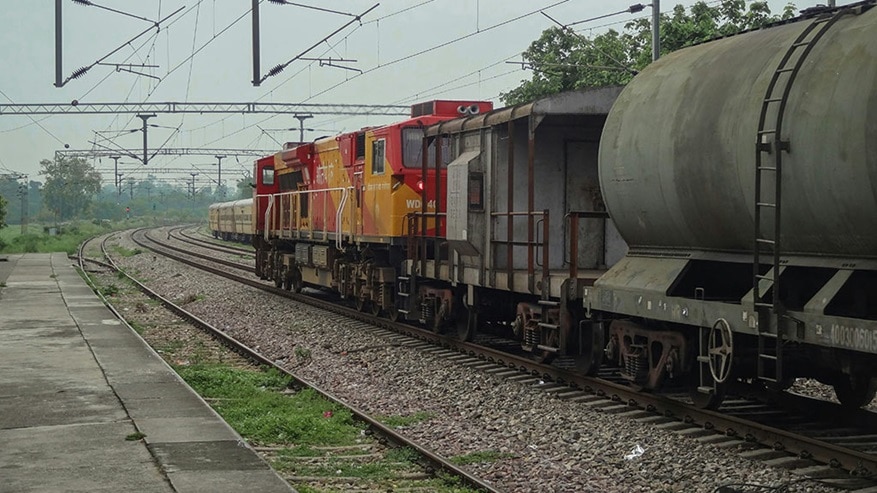
How Does the China London Freight Train Route Work in 2025?
Are you searching for the most reliable and up-to-date information on the China London freight train? Many logistics managers and importers want to optimize their supply chain, but they face challenges understanding the route, transit times, and customs procedures for rail freight between China and the UK. Fortunately, this comprehensive guide will clarify the China London freight train route, highlight key logistics factors, and offer actionable solutions for your business.
What Is the China London Freight Train Route?

The China London freight train is a direct rail corridor connecting major Chinese industrial hubs to London, UK. This route is a flagship project of the Belt and Road Initiative (BRI), designed to provide a faster, more sustainable alternative to sea freight and a more cost-effective solution than air freight. Moreover, the China London rail route is a vital link in the modern Eurasian supply chain, supporting both importers and exporters.
For more details about our rail freight solutions, you can visit our dedicated page.
How Does the China London Freight Train Operate?
The China London freight train typically starts from cities like Yiwu or Xi’an, traversing through Kazakhstan, Russia, Belarus, Poland, Germany, Belgium, France, and finally entering the UK via the Channel Tunnel. This journey covers approximately 12,000 kilometers and involves multiple border crossings, gauge changes, and customs procedures.
| Origin City | Key Transit Countries | UK Terminal | Typical Transit Time |
|---|---|---|---|
| Yiwu | Kazakhstan, Russia, Belarus, Poland, Germany, Belgium, France | London | 16-20 days |
| Xi’an | Kazakhstan, Russia, Belarus, Poland, Germany, Belgium, France | London | 15-19 days |
Note: Actual transit times may vary due to customs, weather, and operational factors.
What Are the Key Features of the China London Freight Train Route?
The China London freight train route is characterized by:
- Direct Rail Connectivity: The route offers a direct rail link between China and the UK, reducing reliance on sea or air freight for many types of cargo.
- Multimodal Integration: Many shipments combine rail with sea freight or road transport for first-mile and last-mile delivery.
- Strategic Hubs: Major Chinese logistics centers like Yiwu and Xi’an serve as starting points, while London is the main UK terminal.
- Customs and Border Facilities: Modern customs infrastructure at border crossings (e.g., Brest, Malaszewicze, Calais) streamlines the clearance process.
Why Choose Rail Freight from China to London?
There are several compelling reasons to use rail freight for China-UK trade:
- Balanced Transit Time and Cost: Rail is faster than sea freight and more economical than air freight, making it ideal for many supply chains.
- Reliability: Scheduled departures and fixed routes ensure predictable delivery times.
- Capacity: Rail can handle large volumes, including containers, bulk cargo, and project shipments.
- Sustainability: Rail freight has a lower carbon footprint compared to air and road transport.
For urgent or high-value shipments, our express service can provide tailored solutions.
What Are the Main Stops and Border Crossings on the China London Rail Route?
The China London freight train route includes several key stops and border crossings:
| Key Stop/Border | Country | Function |
|---|---|---|
| Alashankou/Dostyk | China/Kazakhstan | Main exit/entry point |
| Brest/Malaszewicze | Belarus/Poland | Gauge change, customs |
| Calais/Folkestone | France/UK | Channel Tunnel entry |
| London Eurohub | UK | Main destination |
These points are critical for customs clearance, cargo inspection, and transshipment.
How Does the China London Freight Train Compare to Other Modes?
When planning your supply chain, it’s important to compare rail freight with other transport modes. The table below highlights the key differences:
| Mode | Transit Time | Cost (USD/TEU) | Best For |
|---|---|---|---|
| Rail Freight | 15–20 days | $6,000–$8,000 | Balanced cost/speed |
| Air Freight | 3–5 days | $12,000+ | Urgent, high-value goods |
| Sea Freight | 30–40 days | $2,000–$3,500 | Bulk, non-urgent cargo |
For a detailed look at sea options, see our sea freight page.
What Types of Cargo Are Moved on the China London Rail Route?
The China London freight train route supports a wide range of cargo types:
- Containerized Goods: Electronics, machinery, textiles, and consumer products.
- Bulk Commodities: Chemicals, minerals, and agricultural products.
- Project Cargo: Heavy machinery, vehicles, and construction materials.
- E-commerce Shipments: Fast-growing segment due to demand for quick delivery.
Additionally, amazon fba sellers benefit from the reliability and speed of rail freight for cross-border e-commerce.
What Are the Customs and Documentation Requirements?

Efficient customs clearance is essential for smooth rail freight operations. The following documents are typically required:
| Document | Purpose | Who Provides |
|---|---|---|
| Rail Waybill | Contract of carriage | Rail Operator |
| Commercial Invoice | Declares value of goods | Shipper |
| Packing List | Details cargo contents | Shipper |
| Customs Declaration | For export/import clearance | Customs Broker |
Our customs brokerage team can assist you with all necessary paperwork.
How Do Transit Times and Schedules Work on the China London Rail Route?
Transit times on the China London freight train route are influenced by several factors:
- Scheduled Departures: Most trains depart weekly or biweekly from major Chinese hubs.
- Border Processing: Customs and gauge changes at borders can add 1–2 days.
- Seasonal Variations: Weather and demand fluctuations may impact schedules.
- Terminal Handling: Efficient loading and unloading at terminals is crucial for maintaining schedules.
| Route Segment | Typical Time (Days) |
|---|---|
| China to Kazakhstan | 2–3 |
| Kazakhstan to Belarus | 4–6 |
| Belarus to Poland | 2–3 |
| Poland to UK | 5–7 |
| Terminal Handling | 1–2 |
What Are the Latest Trends in China London Rail Freight Logistics?

The China London freight train route is evolving rapidly. In 2025, several trends are shaping the corridor:
- Digitalization: Online booking, real-time tracking, and digital documentation are becoming standard.
- Sustainability: Rail operators are investing in energy-efficient locomotives and green logistics.
- Multimodal Integration: Seamless connections with warehousing and road/sea transport.
- Belt and Road Expansion: New routes and increased frequency are improving connectivity and reducing costs.
How Can You Optimize Your China London Rail Freight Shipments?
To maximize efficiency and minimize costs, consider these strategies:
- Book in Advance: Early booking secures space on high-demand trains.
- Prepare Documentation: Accurate paperwork speeds up customs and border processing.
- Leverage Warehousing: Use consolidation and storage to optimize cargo flow.
- Work with a Reliable Partner: A professional like TJ China Freight can coordinate every step and resolve issues quickly.
What Are the Advantages and Disadvantages of the China London Rail Route?
| Factor | Rail Freight | Air Freight | Sea Freight |
|---|---|---|---|
| Speed | Moderate (15–20 days) | Fastest (3–5 days) | Slowest (30–40 days) |
| Cost | Moderate | Highest | Lowest |
| Capacity | High | Limited | Very High |
| Environmental | Lower emissions | Higher emissions | Moderate emissions |
| Reliability | High | Very High | Moderate |
Rail freight offers a unique balance of speed, cost, and reliability, making it ideal for many supply chains.
What Are the Main Challenges on the China London Freight Train Route?
Despite its advantages, the China London rail corridor faces some challenges:
- Border Delays: Customs and gauge changes can cause bottlenecks.
- Political and Regulatory Risks: Geopolitical tensions may impact schedules.
- Weather Disruptions: Severe weather can affect transit times.
- Capacity Constraints: High demand during peak seasons may limit space.
However, working with an experienced freight forwarder can help you navigate these challenges effectively.
How Does Door-to-Door Rail Freight Work from China to London?
Door-to-door rail freight simplifies the process by handling everything from pickup at your supplier’s location in China to final delivery at your address in the UK. This service includes export and import customs clearance, local transportation, and all necessary documentation. As a result, you can enjoy a hassle-free shipping experience.
Learn more about our door to door solutions for seamless logistics.
Conclusion
In summary, the China London freight train is a vital component of modern Eurasian logistics, offering a balanced solution for speed, cost, and reliability. By understanding the route’s structure, documentation requirements, and current trends, you can optimize your supply chain and ensure timely delivery. Whether you need express rail, warehousing, or customs support, TJ China Freight is ready to help you achieve your logistics goals.
If you are ready to optimize your China London rail logistics, contact TJ China Freight today for a personalized quote and expert guidance on the China London freight train. Our team is dedicated to providing fast, reliable, and cost-effective solutions tailored to your business needs.

FAQs(click to expand and view )
The main route starts from major Chinese cities like Yiwu or Xi’an, passes through Kazakhstan, Russia, Belarus, Poland, Germany, Belgium, and France, and ends in London, UK. This corridor is part of the Belt and Road Initiative and is designed for efficient, direct rail connectivity between China and the UK.
The typical transit time for rail freight from China to London is 15 to 20 days, depending on the origin city, border processing, and operational factors. This is significantly faster than sea freight and much more cost-effective than air freight for many types of cargo.
Common cargo includes electronics, machinery, textiles, chemicals, minerals, and e-commerce shipments. The route is suitable for both containerized and bulk goods, as well as project cargo and Amazon FBA shipments.
Key documents include the rail waybill, commercial invoice, packing list, and customs declaration. Accurate and complete paperwork is essential for smooth customs clearance at multiple borders along the route.
Most modern rail freight services offer real-time tracking through digital platforms or your freight forwarder. This allows you to monitor your cargo’s location, estimated arrival time, and any potential delays, providing transparency and peace of mind throughout the journey.