

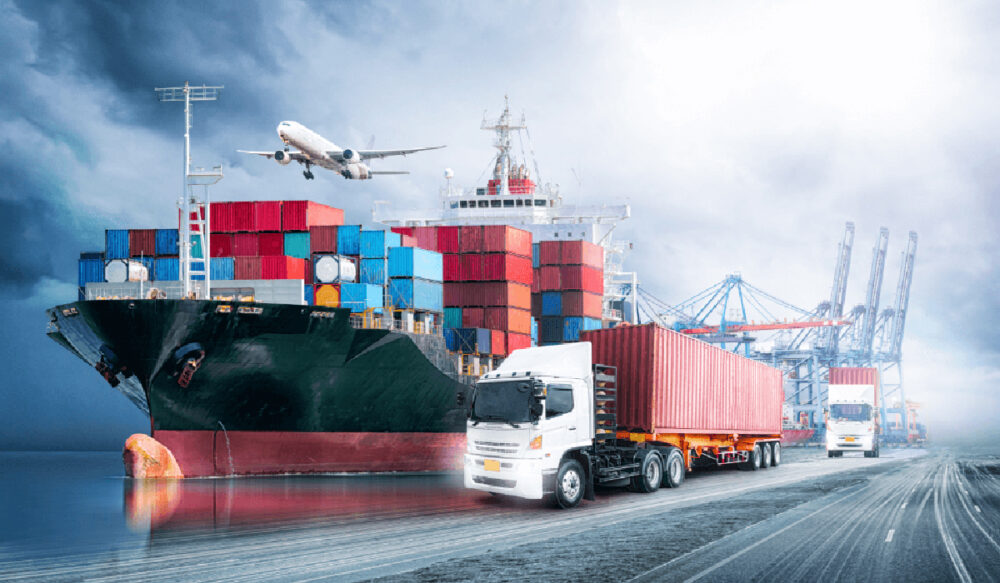
Shipping from China by Sea: The Complete Guide to Cost, Time, and Success
Shipping from China by sea is the backbone of global trade, offering the most cost-effective solution for moving large volumes of goods worldwide. However, navigating the complexities of sea freight—such as fluctuating rates, transit times, and customs procedures—can be challenging. This guide will help you master every aspect of shipping from China by sea, ensuring your cargo arrives safely, on time, and within budget.
What Is Sea Freight and Why Choose It for Shipping from China?
Sea freight, also known as ocean freight, involves transporting goods in containers via cargo ships. It is the preferred method for bulk shipments, heavy cargo, and international trade due to its affordability and scalability.

| Shipping Method | Transit Time | Cost Level | Best For |
|---|---|---|---|
| Sea Freight | 15-40 days | Low | Bulk, non-urgent cargo |
| Air Freight | 2-7 days | High | Urgent, high-value goods |
For most importers, sea freight is the go-to solution for shipping from China by sea.
How Much Does Shipping from China by Sea Cost?
Sea freight costs depend on several factors, including container size, route, and additional services. Here’s a general cost overview:
| Container Type | Typical Cost (USD) | Capacity (CBM) | Best For |
|---|---|---|---|
| 20ft FCL | 2,000−2,000−3,500 | 28-33 | Standard shipments |
| 40ft FCL | 3,500−3,500−6,000 | 58-68 | Large or bulky cargo |
| LCL (per CBM) | 100−100−180 | Flexible | Small shipments |
Note: Prices are indicative and fluctuate with demand, fuel surcharges, and seasonality.
For a tailored quote, our door to door service covers every step from pickup in China to delivery at your address.
What Factors Influence Sea Freight Cost from China?
Several variables impact the final price you pay for shipping from China by sea:
- Container Size: 20ft and 40ft containers have different base rates.
- Shipping Route: Major ports like Shanghai, Shenzhen, and Ningbo offer competitive rates.
- Cargo Type & Weight: Heavy or hazardous goods may incur surcharges.
- Seasonality: Peak shipping seasons (e.g., pre-holiday) can drive up prices.
- Customs Clearance: Complexity and required documentation may add fees.
- Additional Services: Door-to-door, insurance, and warehousing can affect total cost.
What Are the Main Ports for Shipping from China by Sea?
China’s major export ports are global logistics hubs:
| Port Name | Location | Main Use |
|---|---|---|
| Shanghai | East China | Largest container port |
| Shenzhen | South China | Electronics, exports |
| Ningbo | East China | Bulk and containers |
| Guangzhou | South China | General cargo |
| Qingdao | North China | Industrial goods |
Choosing the right port can optimize your supply chain and reduce costs.
How Does the Sea Freight Process Work from China?
The sea freight process typically includes:
- Booking & Pickup: Arrange shipment and collect goods from supplier.
- Export Customs Clearance: Prepare documents and clear Chinese customs.
- International Sea Transport: Cargo is shipped to the destination port.
- Import Customs Clearance: Clear customs and pay duties/taxes at destination.
- Final Delivery: Goods delivered to consignee or warehouse.
For seamless logistics, import service can manage the entire process for you.
What Documents Are Required for Shipping from China by Sea?

Proper documentation is essential for smooth customs clearance. Here’s what you’ll need:
| Document Name | Purpose | Who Provides It |
|---|---|---|
| Commercial Invoice | Proof of sale and value | Shipper |
| Packing List | Details of cargo contents | Shipper |
| Bill of Lading | Transport contract | Carrier/Freight Forwarder |
| Certificate of Origin | Verifies product origin | Chamber of Commerce |
| Import/Export License | Regulatory compliance | Shipper/Consignee |
For expert help, our customs brokerage team can guide you through the process.
How Do Incoterms Affect Shipping from China by Sea?
Incoterms define the responsibilities and cost-sharing between buyer and seller. The most common terms include:
| Incoterm | Who Pays for Shipping? | Who Handles Customs? | Risk Transfer Point |
|---|---|---|---|
| FOB | Buyer | Buyer | Port of shipment |
| CIF | Seller (to destination port) | Buyer (in destination) | Destination port |
| DDP | Seller (all the way) | Seller | Final destination |
Choosing the right Incoterm can significantly impact your total shipping cost and risk.
How to Choose Between FCL and LCL for Sea Freight from China?
Your choice depends on shipment size, urgency, and budget:
| Option | Best For | Pros | Cons |
|---|---|---|---|
| FCL | Large shipments | Lower cost per unit, secure | Requires full container |
| LCL | Small/medium shipments | Flexible, cost-sharing | Longer handling times |
For e-commerce sellers, amazon fba shipping solutions can deliver directly to Amazon warehouses worldwide.
How Can You Reduce Sea Freight Costs from China?
Here are proven strategies to minimize your shipping expenses:
- Consolidate Shipments: Combine multiple orders to fill a container.
- Book Early: Secure space and avoid peak season surcharges.
- Negotiate Rates: Work with experienced freight forwarders for better deals.
- Use Warehousing: Store goods in China or destination country to optimize inventory and reduce urgent shipments. Learn more about warehousing solutions.
- Choose the Right Incoterms: Understand your responsibilities and costs.
Should You Get Cargo Insurance for Sea Freight from China?

Cargo insurance is highly recommended to protect your goods against loss, damage, or theft during transit. Insurance options include:
| Insurance Type | Coverage Scope | Cost (as % of cargo value) |
|---|---|---|
| Basic | Limited (named risks) | 0.2% – 0.5% |
| All-Risk | Comprehensive | 0.5% – 1% |
For peace of mind, explore our cargo insurance options.
What Are the Latest Trends in Sea Freight from China?
The ocean freight industry is evolving rapidly:
- Digitalization: Online booking, tracking, and automated customs clearance.
- Sustainability: Green logistics and eco-friendly shipping options.
- E-commerce Growth: Increased demand for fast, reliable delivery.
- Supply Chain Resilience: Diversification of partners and routes to avoid disruptions.
Staying updated on these trends can help you optimize your sea freight strategy.
How Does Door-to-Door Sea Freight Work from China?
Door-to-door sea freight simplifies logistics by handling every step, from pickup in China to delivery at your address. The process typically includes:
- Pickup from your supplier or warehouse in China
- Export customs clearance
- International sea transport to destination country
- Import customs clearance at destination
- Final delivery to your address
This all-in-one solution saves time and reduces hassle. For more details, see our door to door service.
Conclusion
Shipping from China by sea is the most efficient and cost-effective way to move large volumes of goods internationally. By understanding your options, preparing the necessary documents, and working with a trusted partner, you can ensure your shipments arrive safely, on time, and within budget. Whether you need FCL, LCL, or specialized solutions, TJ China Freight is your expert for all your sea freight needs from China.
Ready to optimize your shipping from China by sea? Contact TJ China Freight today for a free quote and expert advice. Our team is dedicated to providing reliable, cost-effective, and secure sea freight solutions tailored to your business. Let us handle the logistics so you can focus on growth.

FAQs(click to expand and view )
Sea freight is the most affordable option for large or heavy shipments. LCL is suitable for smaller volumes, while FCL offers the best rates for bulk cargo. To save more, consolidate shipments and plan ahead to avoid peak season surcharges.
Transit times vary by route: 15-25 days to North America, 25-40 days to Europe, and 10-20 days to Southeast Asia or Australia. Customs clearance, port congestion, and weather can also affect delivery times.
Key documents include a commercial invoice, packing list, bill of lading, and certificate of origin. Depending on the product, you may also need import/export licenses or special permits. Proper documentation is essential for smooth customs clearance.
Yes, many freight forwarders offer comprehensive door-to-door sea freight services. This includes pickup, customs clearance, international transport, and final delivery to your address. Door-to-door shipping is ideal for businesses seeking convenience and reliability.
While not mandatory, cargo insurance is highly recommended. It protects your goods against loss, damage, or theft during transit. The cost is relatively low compared to the value of your cargo and the potential risks involved.