

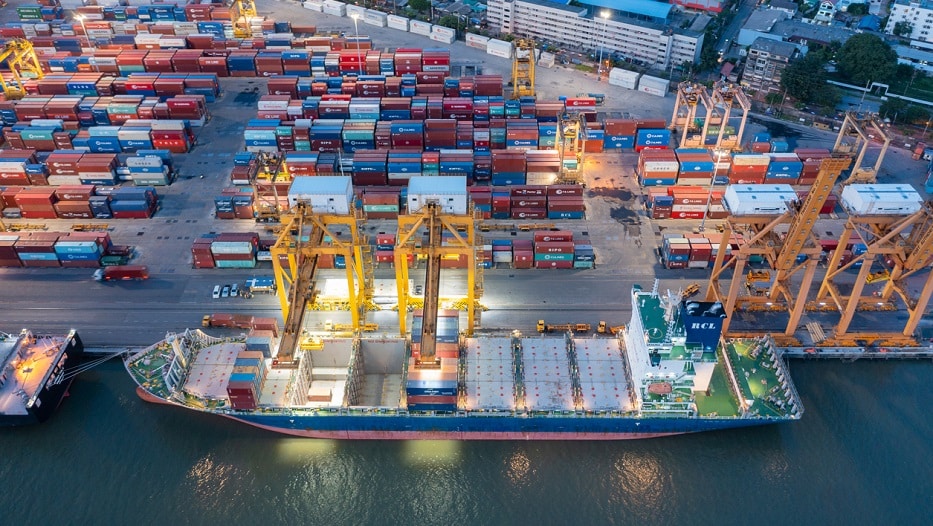
How Does Reefer FCL Shipping from China to Illinois Work?
Reefer FCL shipping from China to Illinois is essential for businesses moving temperature-sensitive goods. Many importers face challenges with transit time, cargo safety, and regulatory compliance. However, understanding the Reefer FCL shipping process from China to Illinois can help you ensure your products arrive fresh, safe, and on schedule—no matter the season or cargo type.
What Is Reefer FCL and Why Is It Used for Shipping to Illinois?

Reefer FCL (Full Container Load refrigerated container) is designed for cargo that requires temperature control, such as food, pharmaceuticals, chemicals, and specialty products. Although standard containers are suitable for many goods, Reefer FCL is essential for shipments that must remain within strict temperature or humidity ranges. Additionally, these containers offer advanced monitoring and protection for high-value or perishable cargo.
What Are the Main Shipping Routes for Reefer FCL from China to Illinois?
Most Reefer FCL shipments depart from major Chinese ports like Shanghai, Shenzhen, or Ningbo and arrive at U.S. West Coast ports such as Los Angeles or Long Beach. Afterward, containers are transported inland to Illinois by rail or truck. Although direct rail from the West Coast to Illinois is common, some shipments may require transshipment or temporary warehousing for optimal delivery timing.
| Port of Origin | U.S. Port | Estimated Transit Time (Days) | Route Highlights |
|---|---|---|---|
| Shanghai | Los Angeles | 15-18 | Direct, fast rail to Illinois |
| Shenzhen | Long Beach | 16-20 | Direct, efficient rail links |
| Ningbo | Los Angeles | 17-22 | Direct, minimal transshipment |
Why Is Reefer FCL Shipping Preferred for Temperature-Sensitive Cargo?
Reefer FCL shipping is the most reliable and cost-effective method for transporting perishable or sensitive goods internationally. While air freight is faster, it is significantly more expensive and often unnecessary for non-urgent shipments. Sea freight with Reefer FCL containers provides a balance of security, affordability, and flexibility, making it the preferred choice for many industries.
| Shipping Method | Cost | Transit Time | Best For |
|---|---|---|---|
| Sea Freight (Reefer FCL) | Low | 22-30 days | Perishable, temperature-sensitive goods |
| Air Freight | High | 3-6 days | Urgent, small shipments |
| Express Service | Very High | 2-4 days | Samples, critical parts |
How Does Reefer FCL Tracking and Monitoring Work?
Real-time tracking and monitoring are crucial for Reefer FCL shipping. Most containers are equipped with GPS and temperature sensors, allowing shippers to monitor location, temperature, and humidity throughout the journey. Moreover, advanced tracking platforms provide alerts for deviations, ensuring immediate action if cargo conditions change. For enhanced visibility, consider a door to door service that provides end-to-end tracking and updates.
What Are the Typical Costs for Reefer FCL Shipping from China to Illinois?
Shipping costs for Reefer FCL containers depend on the port of origin, destination, container size, and additional services such as cargo insurance. Although rates fluctuate, Reefer FCL is generally more affordable than air freight for large shipments. Below is a sample cost breakdown for Reefer FCL shipping from China to Illinois:
| Cost Component | Estimated Amount (USD) | Description |
|---|---|---|
| Ocean Freight | $4,500 – $6,200 | Shanghai to Los Angeles, Reefer FCL |
| Inland Transport | $1,200 – $1,800 | Los Angeles to Illinois by rail/truck |
| Customs Clearance | $300 – $600 | Import processing |
| Cargo Insurance | $200 – $400 | Optional, based on cargo value |
How to Prepare Cargo for Reefer FCL Shipping?
Proper preparation is essential for safe Reefer FCL shipping. All goods should be securely packed, labeled, and, if necessary, crated to prevent movement during transit. Additionally, temperature and humidity requirements must be clearly communicated to your freight forwarder. Working with a professional like TJ China Freight ensures your cargo is handled according to industry standards and equipped with the right monitoring technology.
What Documents Are Required for Reefer FCL Shipping from China to Illinois?

Accurate documentation is vital for smooth customs clearance and timely delivery. The main documents include the commercial invoice, packing list, bill of lading, and certificate of origin. In addition, you may need product certificates and import licenses for certain goods. Ensuring all paperwork is complete and correct will help you avoid unnecessary customs delays and tracking interruptions.
| Document | Purpose | Issued By |
|---|---|---|
| Commercial Invoice | Proof of sale and value | Supplier |
| Packing List | Details of cargo | Supplier |
| Bill of Lading | Transport contract | Carrier |
| Certificate of Origin | Country of manufacture | Chamber of Commerce |
| Product Certificate | Compliance with U.S. standards | Manufacturer |
How Do Customs and Import Regulations Affect Reefer FCL Shipments?
Customs and import regulations are critical in the shipping process. Perishable and temperature-sensitive goods must comply with U.S. safety standards and labeling requirements. Additionally, customs authorities in Illinois may inspect shipments to ensure compliance. Working with a professional customs brokerage service can help you navigate these regulations and avoid costly delays or penalties that could disrupt tracking and delivery.
What Are the Latest Logistics Trends for Reefer FCL Shipping from China to Illinois?
Logistics trends are evolving rapidly, with a focus on digitalization, supply chain resilience, and regulatory compliance. For example, many shippers now use advanced tracking systems and digital documentation to streamline the shipping process. Moreover, there is growing demand for eco-friendly shipping solutions and optimized routes to reduce transit times and costs. Staying updated on these trends can help you make better decisions for your Reefer FCL shipments.
Case Study 1: Shipping Fresh Produce from Shanghai to Chicago
Recently, a food distributor shipped 24 tons of fresh produce from Shanghai to Chicago using a Reefer FCL container. The cargo was loaded at the supplier’s facility, shipped to Los Angeles, and delivered by rail to Chicago. The total shipping cost was $8,200, and the transit time was 25 days. The client benefited from real-time tracking and seamless customs clearance, ensuring the produce arrived fresh and on time.
Case Study 2: Exporting Pharmaceuticals from Shenzhen to Peoria

Another example involved exporting 18 tons of pharmaceuticals from Shenzhen to Peoria. The shipment required a Reefer FCL due to strict temperature requirements. The container was shipped to Long Beach, then delivered by rail to Peoria. The total cost was $7,600, and the delivery took 27 days. The client used warehousing services in Illinois to temporarily store the goods before final distribution, optimizing their supply chain.
Case Study 3: Bulk Dairy Shipment from Ningbo to Springfield
In a third case, a dairy company shipped 20 tons of bulk dairy products from Ningbo to Springfield. The Reefer FCL container was loaded at the factory, shipped to Los Angeles, and then delivered by truck to Springfield. The total shipping cost was $8,000, and the transit time was 26 days. The client utilized import service support for customs clearance, ensuring compliance with all U.S. regulations and a smooth delivery process.
How to Select the Right Freight Forwarder for Reefer FCL Shipments?
Choosing the right freight forwarder is essential for a successful shipping experience. Look for a company with expertise in Reefer FCL, a proven track record, and comprehensive services such as import support and cargo insurance. Additionally, a reliable forwarder will provide transparent pricing, regular updates, and personalized support throughout the shipping process, helping you avoid unexpected issues and delays.
Conclusion
In summary, understanding Reefer FCL shipping from China to Illinois is crucial for secure, timely, and cost-effective delivery of temperature-sensitive goods. By planning ahead, leveraging advanced tracking technology, and partnering with an experienced freight forwarder, you can minimize risks and ensure your cargo arrives safely and on schedule. Moreover, staying informed about logistics trends and regulatory requirements will further enhance your shipping strategy and keep your supply chain competitive.
Ready to optimize your Reefer FCL shipments? Contact TJ China Freight today to get expert advice on Reefer FCL shipping from China to Illinois. Our team is ready to provide tailored solutions, competitive rates, and full support for your international logistics needs.
