

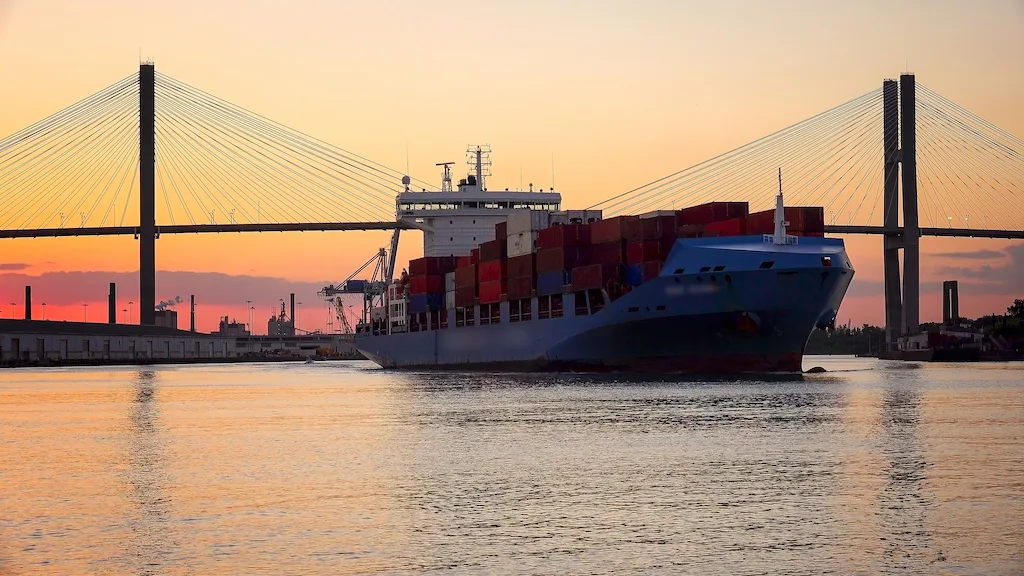
China Sea Freight Tracking: 2025 Guide to Real-Time Container Visibility
In today’s global supply chain, China sea freight tracking is essential for importers, exporters, and logistics managers. With long transit times, customs complexity, and high-value goods, knowing exactly where your container is at every stage is no longer a luxury—it’s a necessity. This guide explains how sea freight tracking works, what tools are available, and how to ensure your shipments from China’s ports are always visible, secure, and on time.
Why Is China Sea Freight Tracking So Important?
Sea freight is the most cost-effective way to move goods from China to the world, but it’s also the slowest and most exposed to delays. Real-time tracking provides:
- Peace of mind: Know your container’s location and status at all times.
- Proactive problem-solving: Address delays or issues before they impact your business.
- Customer confidence: Share updates with your clients or partners.
- Supply chain optimization: Plan inventory and logistics with accurate ETAs.
How Does China Sea Freight Tracking Work?

Modern ocean freight tracking uses a combination of:
- Container Numbers: Unique identifiers for each box, used for tracking on carrier websites.
- Bill of Lading (B/L) Numbers: Used to track shipments through shipping lines and forwarders.
- Carrier Tracking Portals: Maersk, COSCO, MSC, and others provide online tracking for China-origin containers.
- Forwarder Platforms: TJ China Freight offers integrated tracking for all shipments.
- Third-Party Tools: Platforms like CargoTrack, Project44, or FourKites for multi-carrier visibility.
- Automated Notifications: Email or SMS alerts for status changes, delays, or arrivals.
What Are the Main Tracking Milestones for China Sea Freight?
| Milestone | Description |
|---|---|
| Booking Confirmed | Space reserved with carrier |
| Cargo Picked Up | Goods collected from supplier/warehouse |
| Export Customs Cleared | Cleared by Chinese customs |
| Loaded on Vessel | Container loaded at China port |
| Vessel Departure | Ship leaves China (Shanghai, Shenzhen, etc.) |
| In Transit | On the ocean, en route to destination |
| Arrived at Destination | Vessel arrives at foreign port |
| Import Customs Cleared | Cleared by destination customs |
| Out for Delivery | On the way to final address |
| Delivered | Shipment received by consignee |
What Information Do You Need for China Sea Freight Tracking?
To track your shipment, you’ll need:
- Container Number: The most important tracking reference.
- Bill of Lading (B/L) Number: For carrier and forwarder tracking.
- Carrier Name: Shipping line or forwarder handling the shipment.
- Booking Reference: Sometimes used for multi-leg or consolidated shipments.
Your import service provider should supply all tracking details upon booking.
How to Track China Sea Freight Step by Step
- Get your container or B/L number from your forwarder or supplier.
- Visit the carrier’s or forwarder’s tracking portal.
- Enter the number to view real-time status.
- Sign up for notifications if available.
- Contact your forwarder for any unclear updates or delays.
For door to door shipments, use the door to door tracking system for end-to-end visibility.
What Are the Best Tools for China Sea Freight Tracking?
- Carrier Tracking Portals: Direct from shipping lines like COSCO, Maersk, MSC, etc.
- Forwarder Platforms: TJ China Freight provides integrated tracking for all shipments.
- Third-Party Trackers: Tools like CargoTrack, Project44, or FourKites for multi-carrier visibility.
- Mobile Apps: Many forwarders and carriers now offer mobile tracking apps for on-the-go updates.
How Does Freight Tracking Improve Supply Chain Management?
| Benefit | Impact on Business |
|---|---|
| Real-Time Visibility | Reduces uncertainty, improves planning |
| Early Problem Alerts | Allows for quick response to disruptions |
| Accurate ETAs | Better inventory and sales management |
| Customer Satisfaction | Transparent updates build trust |
What Are the Common Tracking Issues and How to Solve Them?
- Delayed Updates: Sometimes tracking lags due to manual data entry or system syncs. Contact your forwarder for clarification.
- Container Not Found: Double-check the number or wait for the carrier to update their system.
- Status Stuck at Customs: Customs clearance can take time; your customs brokerage can provide more details.
- No Final Delivery Info: For door to door shipments, ask your forwarder for last-mile tracking.
How to Ensure Reliable China Sea Freight Tracking?
- Work with a reputable forwarder like TJ China Freight for transparent, proactive updates.
- Request tracking access and regular notifications.
- Provide accurate contact details for all parties involved.
- Insure your cargo with cargo insurance for added peace of mind.
How Does Sea Freight Tracking Compare to Air and Rail?

| Feature | Sea Freight | Air Freight | Rail Freight |
|---|---|---|---|
| Speed | Slow | Fast | Medium |
| Tracking Detail | Medium | High | Medium |
| Reliability | High | Very High | High |
| Cost | Low | High | Medium |
For urgent shipments, air freight or express service may be better. For shipments to Europe, rail freight is a great alternative.
What Value-Added Services Can Enhance Your Sea Freight Tracking Experience?

A reliable logistics partner can offer more than just tracking. Consider these services:
- Warehousing for flexible storage
- amazon fba prep and delivery for e-commerce sellers
- door to door delivery for full convenience
These options help you save time, reduce risk, and streamline your supply chain.
Why Work with TJ China Freight for China Sea Freight Tracking?
TJ China Freight stands out for its transparent pricing, fast response, and advanced tracking solutions. Our team provides detailed quotes, real-time updates, and end-to-end support for all your sea cargo needs—whether you’re moving a single container or a full charter.
Tips for Smooth and Reliable China Sea Freight Tracking
- Double-check your container or B/L number and booking details.
- Sign up for notifications to stay updated on status changes.
- Communicate with your forwarder for any unclear updates.
- Book early to avoid peak season delays.
- Understand customs requirements to prevent clearance issues.
Conclusion
Choosing the right partner for China sea freight tracking is essential for fast, secure, and transparent ocean shipping. By leveraging modern tracking tools, preparing the correct documents, and working with an experienced forwarder like TJ China Freight, you can ensure your cargo is always visible and arrives on time.
Ready to get a precise quote and real-time tracking for your China sea freight? Contact TJ China Freight for a free estimate and expert support. Our team is here to help you every step of the way, from booking to delivery.

FAQs(click to expand and view )
Use your container or Bill of Lading number on the carrier or forwarder’s tracking portal. For door to door shipments, your forwarder may provide an integrated tracking link. If you have trouble, contact your forwarder for real-time updates.
Tracking updates can lag due to manual data entry or system delays. Wait a few hours, then check again. If the status is still unchanged, reach out to your forwarder or carrier for clarification.
Yes, most modern forwarders and carriers offer email or SMS notifications for key milestones. Ask your forwarder to enable this feature or provide access to their tracking platform.
The container or B/L number is essential. You may also need your booking reference or carrier name. For customs, keep your commercial invoice, packing list, and certificate of origin ready.
Book early, provide accurate documents, and work with a forwarder who offers proactive tracking and communication. Monitor your shipment’s progress and address any issues as soon as they arise.