

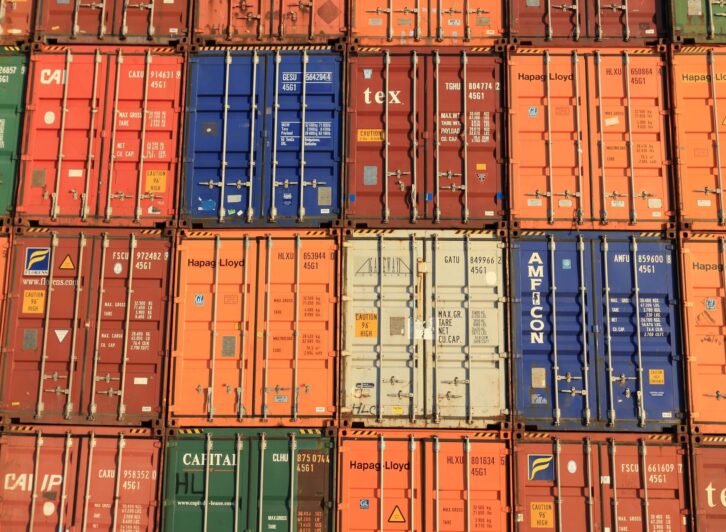
How Does China FCL FOB Shipping to Netherlands Work?
China FCL FOB shipping to Netherlands is a preferred solution for importers seeking cost efficiency, reliability, and control over their supply chain. However, understanding the process, documentation, and cost structure is essential to avoid delays and hidden fees. This guide explains every step of China FCL FOB shipping to Netherlands, highlights real-world examples, and provides actionable tips for a seamless shipping experience.
What Is FCL FOB Shipping from China to Netherlands?

FCL (Full Container Load) under FOB (Free On Board) terms means the supplier is responsible for delivering goods to the port of loading in China and handling export customs clearance. Afterward, the buyer takes over, arranging ocean freight, insurance, and import procedures in the Netherlands. This method is ideal for large shipments, as it offers better rates per unit and reduces the risk of cargo damage or loss.
Why Choose FCL FOB Shipping for China-Netherlands Trade?
Many importers prefer China FCL FOB shipping to Netherlands because it provides transparency in costs and control over carrier selection. Additionally, FCL minimizes handling, which is especially important for fragile or high-value goods. Moreover, FOB terms allow buyers to negotiate directly with their chosen freight forwarder, such as TJ China Freight, for the best rates and service options.
What Are the Main Steps in China FCL FOB Shipping to Netherlands?
The FCL FOB shipping process involves several coordinated steps:
- Supplier prepares and packs goods at the factory
- Goods are transported to the port of loading in China
- Supplier completes export customs clearance
- Container is loaded onto the vessel
- Buyer arranges sea freight to the Netherlands
- Container arrives at a Dutch port (e.g., Rotterdam, Amsterdam)
- Buyer handles import customs clearance and final delivery
Each stage can impact the overall shipping timeline and cost, so close coordination is essential.
How Do Shipping Routes and Transit Times Compare?
Most FCL shipments from China to the Netherlands depart from major ports such as Shanghai, Ningbo, and Shenzhen. The most common destination is Rotterdam, Europe’s largest port. Direct sailings are generally faster, while transshipment routes may add several days. The table below compares typical routes and transit times:
| Port of Origin | Dutch Port | Transit Time | Notes |
|---|---|---|---|
| Shanghai | Rotterdam | 28-32 days | Direct or via Singapore |
| Ningbo | Rotterdam | 29-34 days | Possible transshipment |
| Shenzhen | Amsterdam | 30-36 days | Less frequent direct sailings |
What Are the Key Documents for China FCL FOB Shipping?

Accurate documentation is vital for smooth customs clearance and timely delivery. The following table summarizes the essential paperwork:
| Document | Purpose | Issued By |
|---|---|---|
| Bill of Lading | Proof of shipment and container ownership | Carrier |
| Commercial Invoice | Details of goods and value | Exporter |
| Packing List | Itemized list of cargo | Exporter |
| Export/Import Permits | Compliance with regulations | Authorities |
Missing or incorrect documents can cause costly delays, so double-checking paperwork is a must for every shipment.
How Do Costs Break Down for China FCL FOB Shipping to Netherlands?
Understanding the cost structure helps you budget accurately and avoid surprises. The main cost components include:
- Origin charges (export customs, local transport, handling)
- Ocean freight (main leg from China to Netherlands)
- Destination charges (import customs, port fees, delivery)
- Optional services (insurance, warehousing, express service)
Negotiating with your freight forwarder can help you secure competitive rates and minimize extra fees.
What Are the Advantages of Using Warehousing and Door-to-Door Service?
Warehousing near Dutch ports can help you manage inventory, reduce demurrage, and schedule timely deliveries. By leveraging warehousing services, you can quickly offload containers and store goods in optimal conditions. Additionally, door to door solutions simplify the process, ensuring your cargo is delivered directly to your facility in the Netherlands with minimal handling and full visibility.

How Does Customs Clearance Work in the Netherlands?
Customs clearance is a critical step that can affect both transit time and delivery reliability. Incomplete or incorrect paperwork often leads to inspections, holds, and extra fees, delaying your shipment. To avoid such issues, it is vital to work with a professional customs brokerage service that understands both Chinese and Dutch import/export regulations. Additionally, pre-clearing documents and ensuring compliance with all product certifications can help streamline the process and avoid costly delays.
What Are the Latest Trends in China FCL FOB Shipping to Netherlands?
Logistics technology is rapidly evolving. Recently, there has been a shift toward digital documentation, real-time tracking, and automated customs clearance. Additionally, sustainability initiatives are influencing packaging and shipping choices. Many importers are also exploring express service for urgent or high-value shipments. These trends are shaping the future of China FCL FOB shipping to Netherlands.
What Real-World Cases Illustrate China FCL FOB Shipping to Netherlands?
Case Study 1: Electronics from Shanghai to Rotterdam
A Dutch electronics retailer shipped a 40HQ FCL container of consumer electronics from Shanghai to Rotterdam. The shipment, valued at $250,000, was booked on a direct sailing with a 30-day transit time. By aligning production with the sailing schedule and using digital tracking, the importer avoided delays and met a critical retail launch deadline. The total shipping cost was $7,800, including all surcharges.
Case Study 2: Furniture from Ningbo to Amsterdam
An importer arranged a 40GP FCL shipment of furniture from Ningbo to Amsterdam. The container was loaded at the supplier’s warehouse, shipped via a transshipment route, and cleared customs in 3 days. The total shipping cost was $8,200, and the entire process took 33 days from port to warehouse delivery.
Case Study 3: Machinery from Shenzhen to Rotterdam
A Dutch distributor sourced a 20GP FCL of industrial machinery from Shenzhen to Rotterdam. The shipment faced minor port congestion, extending the sea transit to 35 days. However, by using local warehousing and continuous tracking, the importer met all project deadlines and avoided demurrage fees. The total freight rate was $9,100, including all surcharges.
How Should You Prepare for Smooth FCL FOB Shipping?
Proper preparation is essential for minimizing delays and ensuring smooth customs clearance. Ensure all commercial invoices, packing lists, and bills of lading are accurate and complete. For certain products, compliance with EU import regulations and certifications is critical. Working with an experienced import service provider can help you navigate complex requirements and avoid costly mistakes.
What Are the Cost Implications of Delays in FCL Shipping?
Delays in transit can lead to increased storage fees, missed sales opportunities, and higher logistics costs. The table below highlights potential extra costs:
| Delay Type | Cost Range (USD) | Impact |
|---|---|---|
| Port Congestion | $700 – $2,500 | Storage, demurrage |
| Customs Hold | $300 – $1,500 | Inspection, late fees |
| Missed Delivery | $400 – $2,000 | Re-delivery, lost sales |
To summarize, planning for contingencies and working with reliable partners can help you avoid these additional expenses and keep your supply chain efficient.
Conclusion
In summary, China FCL FOB shipping to Netherlands offers importers cost savings, control, and reliability when managed correctly. By understanding the process, preparing accurate documentation, and leveraging expert logistics support, you can optimize your supply chain and ensure your goods arrive safely and on time. Proactive planning, real-time updates, and the right partners are key to success in today’s global trade environment.
Ready to streamline your China FCL FOB shipping to Netherlands? Contact our team for a tailored logistics solution and discover how our expertise can help you achieve faster, safer, and more reliable deliveries every time.