

How Do China Freight Ships to the US? Latest News, Rates & 2025 Supply Chain Guide
The movement of China freight ships US CNBC has become a headline topic as global supply chains adapt to new challenges. With shipping rates, port congestion, and regulatory changes making news on CNBC and other outlets, importers and exporters need up-to-date insights to keep their logistics efficient and cost-effective. This guide covers the latest trends, cost factors, and actionable strategies for shipping from China to the US in 2025.
What’s the Latest News on China Freight Ships to the US?
In 2025, China-US shipping remains a dynamic market. According to recent CNBC reports, several trends are shaping the industry:
- Freight Rates Fluctuate: Rates have stabilized compared to the pandemic peak, but remain above pre-2020 levels.
- Port Congestion Eases: US West Coast ports like Los Angeles and Long Beach have improved, but East Coast congestion can still occur.
- New Alliances: Shipping lines are forming new partnerships to optimize capacity and routes.
- Sustainability Initiatives: Carriers are investing in green ships and alternative fuels.
- Digitalization: Online booking, tracking, and digital documentation are now standard.
What Are the Main Shipping Routes from China to the US?
| China Port | US Port | Typical Transit Time |
|---|---|---|
| Shanghai | Los Angeles | 15-20 days |
| Shenzhen | Long Beach | 16-22 days |
| Ningbo | New York | 25-35 days |
| Qingdao | Houston | 28-40 days |
For more details on sea freight, visit our dedicated service page.
How Are China Freight Rates to the US Determined?
Freight rates are influenced by:
- Market Demand: High demand during peak seasons increases rates.
- Fuel Prices: Fluctuations in oil prices directly impact shipping costs.
- Port Congestion: Delays at major ports can lead to higher surcharges.
- Container Availability: Shortages can drive up prices.
- Shipping Route: Direct routes are usually cheaper and faster.
- Cargo Type: Hazardous or oversized goods may incur extra fees.

| Container Type | Typical Rate (USD) | Transit Time | Best For |
|---|---|---|---|
| 20ft FCL | $2,000 – $4,000 | 15-40 days | Small to medium loads |
| 40ft FCL | $3,500 – $6,500 | 15-40 days | Large shipments |
| LCL | $50 – $100/CBM | 18-45 days | Small, mixed cargo |
What Are the Main Ports in China for US-Bound Freight?
China’s port network is among the most advanced in the world. The main export ports include:
| Port Name | Location | Main US Destinations |
|---|---|---|
| Shanghai | East China | LAX, NY, Houston |
| Shenzhen | South China | Long Beach, Seattle |
| Ningbo | East China | Savannah, Charleston |
| Qingdao | North China | Houston, LA |
| Guangzhou | South China | LA, NY |
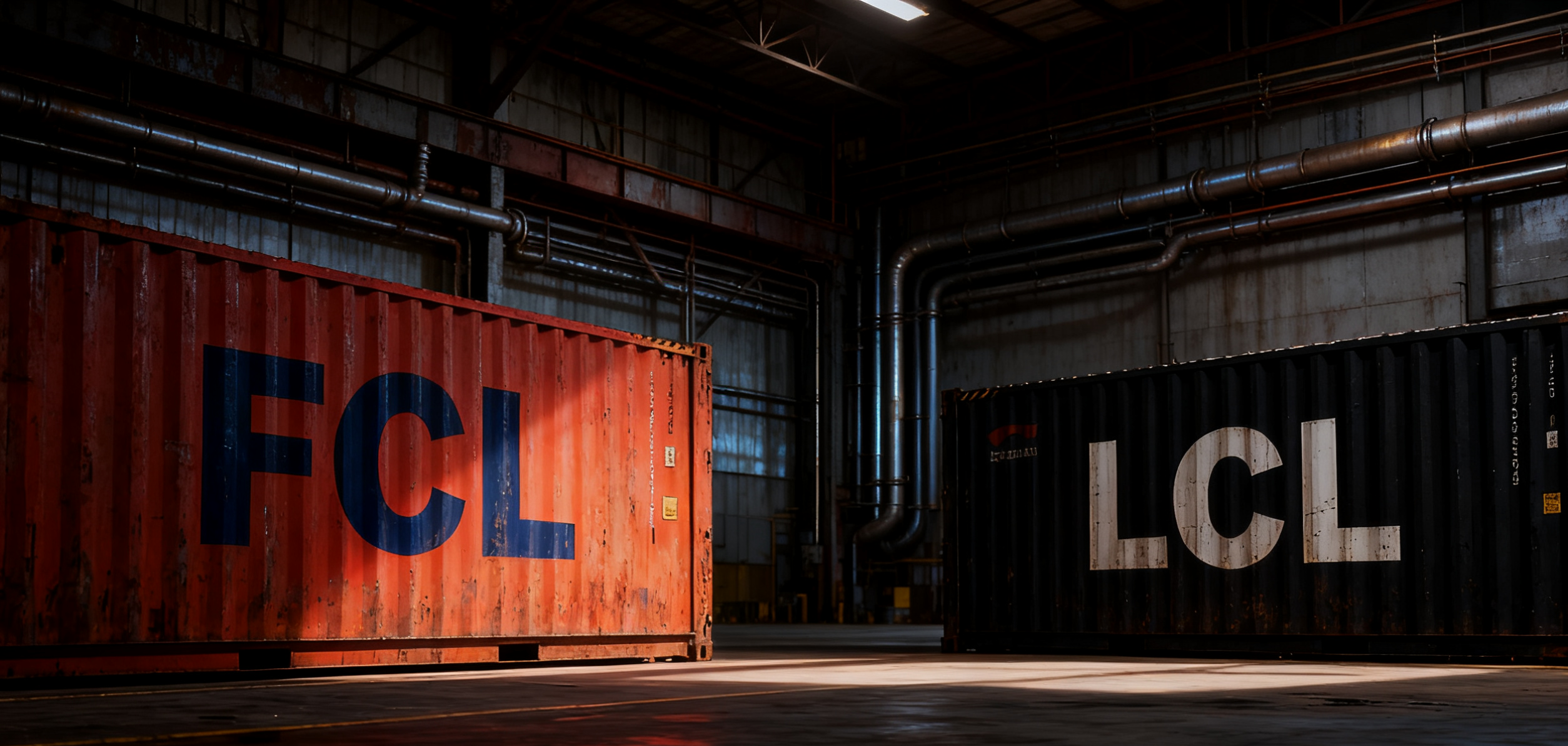
How Do FCL and LCL Shipments Affect China-US Freight?
Choosing between FCL (Full Container Load) and LCL (Less than Container Load) depends on your shipment size and budget.
| Container Type | Handling Time | Transit Time Impact | Best For |
|---|---|---|---|
| FCL | Minimal | Faster | Large shipments |
| LCL | More | Slower | Small/medium shipments |
FCL is generally faster and more secure, while LCL is cost-effective for smaller loads but may involve more handling and slightly longer transit times.
What Are the Latest Supply Chain Challenges for China-US Shipping?
- Customs Delays: US Customs and Border Protection (CBP) has increased inspections, especially for electronics and textiles.
- Labor Shortages: Strikes or staff shortages at ports can cause backlogs.
- Weather Disruptions: Typhoons in Asia and hurricanes in the US can delay vessels.
- Regulatory Changes: New tariffs, environmental rules, and security protocols may impact shipping times and costs.
Therefore, it’s vital to stay updated and work with experienced partners.
How Can You Track China Freight Ships to the US?
Most modern sea freight services offer real-time tracking. This allows you to monitor your cargo’s location, estimated arrival, and any potential delays. Consequently, you can plan your supply chain more effectively and keep your customers informed.
What Are the Best Practices for Booking China Freight to the US?
- Book Early: Reserve space in advance, especially during peak seasons.
- Consolidate Shipments: Use warehousing to combine smaller loads.
- Choose the Right Service Level: Select the best balance of speed and cost for your needs.
- Work with Experts: Partner with a forwarder like TJ China Freight for end-to-end support.
How Does Customs Clearance Work for China-US Freight?

Customs clearance involves both export and import procedures. In China, your goods must be declared and cleared before departure. In the US, customs authorities inspect the cargo, verify documents, and assess duties or taxes. Delays can occur if paperwork is missing or incorrect. Therefore, working with an experienced customs brokerage provider is crucial for avoiding unnecessary hold-ups.
What Documents Are Required for China-US Freight Shipping?
Proper documentation is essential for smooth customs clearance and timely delivery. Common documents include:
| Document Type | Purpose | Who Prepares |
|---|---|---|
| Bill of Lading | Proof of shipment | Carrier/Freight Forwarder |
| Commercial Invoice | Value declaration | Shipper |
| Packing List | Cargo details | Shipper |
| Certificate of Origin | Proof of origin | Shipper |
How Does Cargo Insurance Protect Your Shipments?
Unexpected events can happen during transit, such as damage, theft, or loss. Therefore, securing cargo insurance is a smart investment. It provides peace of mind and financial protection, especially for high-value or sensitive goods.
How to Optimize Your China-US Supply Chain in 2025

To get the most from your freight forwarder, consider these tips:
- Book Early: Reserve space in advance, especially during peak seasons.
- Consolidate Shipments: Use warehousing to combine smaller loads.
- Choose the Right Service Level: Select the best balance of speed and cost for your needs.
- Work with Experts: Partner with a forwarder like TJ China Freight for end-to-end support.
What Are the Latest Digital Trends in China-US Freight Shipping?
- Online Booking: Digital platforms allow instant rate comparison and booking.
- Real-Time Tracking: GPS and IoT devices provide live updates on container location.
- Automated Documentation: E-bills of lading and digital customs clearance speed up the process.
- AI-Powered Forecasting: Predictive analytics help shippers avoid congestion and optimize routes.
Conclusion
In summary, China freight ships US CNBC news highlights the importance of staying informed about shipping rates, delays, and supply chain trends. By understanding the latest developments, leveraging technology, and working with a reliable partner, you can minimize disruptions and deliver on time. As logistics trends evolve, proactive planning and digital tools will be key to overcoming shipping challenges.
If you want to optimize your China-US shipping, contact TJ China Freight for a free quote and expert advice. Our team is ready to help you save time, reduce costs, and ensure smooth delivery for every shipment.

FAQs(click to expand and view )
Sea freight typically takes 15 to 40 days, depending on the origin and destination ports, as well as the shipping route. Direct routes are faster, while transshipment or peak season congestion can add extra days. Always confirm transit times with your freight forwarder before booking.
Sea freight, especially FCL (Full Container Load), is usually the most cost-effective option for large or heavy shipments. LCL is suitable for smaller loads but may have higher per-unit costs. Booking early and consolidating shipments can further reduce expenses.
Yes, rates can often be negotiated, especially for regular or high-volume shippers. Working with a forwarder who has strong carrier relationships can help you access better rates and terms.
You will need a bill of lading, commercial invoice, packing list, and sometimes a certificate of origin. Additional documents may be required for certain products or destinations. Your freight forwarder or customs broker can guide you through the process.
Look for a forwarder with a strong track record, transparent pricing, and comprehensive services. Check for positive customer reviews, digital tools for tracking, and responsive support. A good forwarder will help you find the most cost-effective solution for your specific needs.