

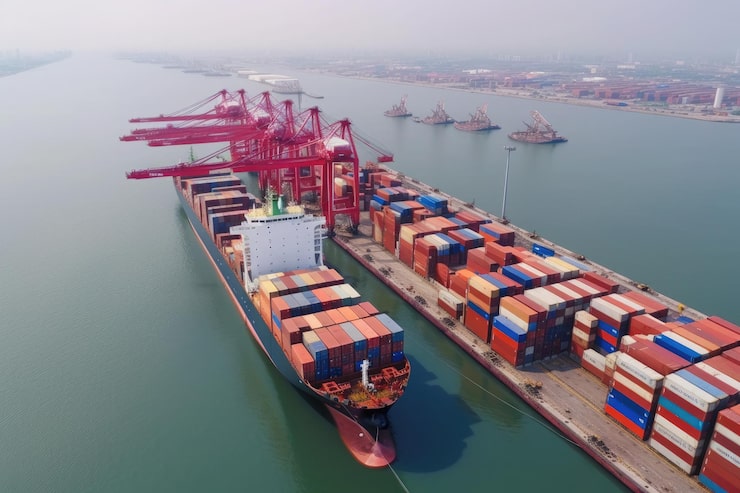
How Are Sea Freight Rates China Determined? 2025 Cost, Trends & Shipping Guide
Are you trying to understand sea freight rates China and how they impact your shipping costs? With global supply chains evolving and rates fluctuating, importers and exporters need up-to-date insights to make smart decisions. This guide explains the key factors, compares shipping methods, and offers actionable tips to help you optimize your logistics and control your budget.
What Are Sea Freight Rates from China?
Sea freight rates from China refer to the cost of shipping goods by sea from Chinese ports to destinations worldwide. These rates are influenced by a variety of factors, including container size, shipping route, market demand, and additional services. Therefore, understanding these elements is crucial for anyone importing or exporting from China.

| Container Type | Typical Rate (USD) | Best For | Transit Time |
|---|---|---|---|
| 20ft FCL | $1,800 – $3,200 | Medium to large loads | 20-40 days |
| 40ft FCL | $3,000 – $5,500 | Large shipments | 20-40 days |
| LCL | $50 – $120/CBM | Small, mixed cargo | 25-45 days |
For more details on sea freight, visit our dedicated service page.
How Are Sea Freight Rates from China Calculated?
Several components make up the total sea freight rate. These include:
- Base Freight Charge: The main cost for moving your container.
- Surcharges: Such as BAF (Bunker Adjustment Factor), CAF (Currency Adjustment Factor), and peak season surcharges.
- Port Fees: Charges at both origin and destination ports.
- Additional Services: For example, cargo insurance, warehousing, or customs clearance.
Because these elements can change frequently, it’s important to request a detailed quote from your freight forwarder.
What Factors Influence Sea Freight Rates China?
Sea freight rates from China are dynamic and can change rapidly. The main factors include:
- Market Demand: High demand during peak seasons increases rates.
- Fuel Prices: Fluctuations in oil prices directly impact shipping costs.
- Port Congestion: Delays at major ports can lead to higher surcharges.
- Shipping Route: Direct routes are usually cheaper and faster.
- Container Availability: Shortages can drive up prices.
- Cargo Type: Hazardous or oversized goods may incur extra fees.
Therefore, staying informed about market trends is essential for cost control.
How Do Shipping Methods Affect Sea Freight Rates?
Choosing the right shipping method is key to managing your costs. The main options are:
| Method | Transit Time | Cost Level | Best For |
|---|---|---|---|
| Sea Freight | 20-45 days | Lowest | Bulk, non-urgent cargo |
| Air Freight | 3-7 days | High | Urgent, high-value goods |
| Express Service | 2-5 days | Highest | Small parcels, e-commerce |
For urgent shipments, air freight is faster but more expensive. However, for most bulk cargo, sea freight remains the most economical choice.
What Are the Main Shipping Routes from China?
The route you choose can significantly impact your sea freight rates. Major Chinese ports include Shanghai, Shenzhen, Ningbo, and Qingdao. Popular destinations are North America, Europe, and Australia.
| China Port | Destination | Typical Route Time |
|---|---|---|
| Shanghai | Los Angeles (USA) | 15-20 days |
| Shenzhen | Rotterdam (Europe) | 25-32 days |
| Ningbo | Sydney (Australia) | 18-25 days |
For more information on China TO Europe or other regions, explore our service area pages.
How Can You Get the Best Sea Freight Rates from China?
To secure the best rates, consider these strategies:
Book Early and Avoid Peak Seasons
Booking in advance helps you lock in lower rates and ensures space availability. Additionally, shipping during off-peak periods can save you money.
Consolidate Shipments
Combining smaller shipments into one FCL container reduces per-unit costs. In addition, consolidation minimizes handling and the risk of delays.
Work with a Reliable Freight Forwarder
Partnering with an experienced company like TJ China Freight gives you access to negotiated rates and expert advice.
Choose the Right Incoterms
Terms like FOB or EXW affect your total cost. Therefore, clarify responsibilities and costs with your supplier and forwarder before shipping.
What Additional Services Impact Sea Freight Rates?
Beyond the base rate, several value-added services can affect your total shipping cost:
- Customs Clearance: Professional customs brokerage ensures smooth import/export.
- Insurance: Protects your cargo against loss or damage.
- Warehousing: Temporary storage can help manage inventory and avoid demurrage.
- Door-to-Door Delivery: door to door service simplifies logistics but may add to the cost.
How Do Container Types and Sizes Affect Rates?
The size and type of container you choose will influence your sea freight rates. Standard options include 20ft and 40ft containers, but special equipment (like open-top or refrigerated containers) costs more.
| Container Type | Dimensions (m) | Volume (CBM) | Typical Use |
|---|---|---|---|
| 20ft Standard | 5.9 x 2.35 x 2.39 | 33 | General cargo |
| 40ft Standard | 12 x 2.35 x 2.39 | 67 | Large shipments |
| 40ft High Cube | 12 x 2.35 x 2.69 | 76 | Voluminous cargo |
What Documents Are Required for Sea Freight from China?

Accurate documentation is essential for customs clearance and timely delivery. Common documents include:
| Document Type | Purpose | Who Prepares |
|---|---|---|
| Bill of Lading | Proof of shipment | Carrier/Freight Forwarder |
| Commercial Invoice | Value declaration | Shipper |
| Packing List | Cargo details | Shipper |
| Certificate of Origin | Proof of origin | Shipper |
Our import service team can help you prepare all necessary paperwork.
How Do Customs and Regulations Affect Sea Freight Rates?
Customs clearance is a critical step that can impact both cost and delivery time. Delays or errors in documentation can lead to storage fees or penalties. Therefore, it’s vital to work with a forwarder who understands the regulations of both China and the destination country.
How Can Warehousing and Consolidation Lower Your Freight Cost?
Using warehousing in China or at the destination allows you to consolidate shipments, reducing per-unit shipping costs. Furthermore, strategic warehousing can help you manage inventory, avoid demurrage charges, and improve your supply chain flexibility.
What Are the Latest Trends in Sea Freight Rates from China?
The logistics industry is evolving rapidly. Digitalization, real-time tracking, and sustainability are shaping the future of shipping. Additionally, more companies are using express service for e-commerce and urgent deliveries. Staying updated on these trends can help you find new ways to save money and improve efficiency.
How to Track Your Sea Freight Shipment from China?
Most forwarders now offer online tracking tools, allowing you to monitor your cargo in real time. This transparency helps you plan inventory, manage customer expectations, and respond quickly to any issues.
How Does Cargo Insurance Protect Your Shipment?

Unexpected events can happen during transit, such as damage, theft, or loss. Therefore, securing cargo insurance is a smart investment. It provides peace of mind and financial protection, especially for high-value or sensitive goods.
Conclusion
Understanding sea freight rates China is essential for effective supply chain management and cost control. By staying informed about market trends, choosing the right shipping method, and working with a reliable forwarder, you can optimize your logistics and secure the best rates. Always compare quotes, check for hidden fees, and leverage value-added services to keep your business competitive.
For the most competitive sea freight rates China, contact TJ China Freight today. Our team is ready to provide a free quote, expert advice, and tailored solutions to help you save on every shipment.

FAQs(click to expand and view )
Sea freight rates from China are influenced by global demand, fuel prices, port congestion, and container availability. During peak seasons or when there are disruptions in the supply chain, rates can rise quickly. Conversely, rates may drop during periods of low demand. Staying flexible and booking early can help you manage these fluctuations.
To secure the lowest rates, book your shipments early, consolidate cargo when possible, and avoid peak seasons. Working with an experienced freight forwarder can also help you access negotiated rates and avoid unnecessary surcharges. Always request detailed quotes and compare options before making a decision.
FCL (Full Container Load) is usually more cost-effective for large shipments, as you pay a flat rate for the entire container. LCL (Less than Container Load) is better for smaller shipments, but the per-unit cost is higher due to additional handling and consolidation fees. Choosing the right option depends on your cargo volume and budget.
Yes, there can be additional charges such as port fees, customs duties, documentation fees, and surcharges for special cargo. It’s important to request a detailed quote and clarify all potential costs with your freight forwarder before booking.
Most reputable freight forwarders provide online tracking tools, allowing you to monitor your shipment’s status in real time. This helps you manage your supply chain, anticipate delivery, and quickly address any issues that may arise during transit.