

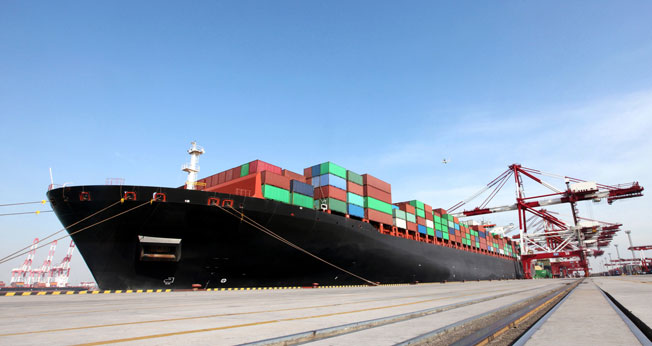
LCL Shipping Rates from China: The Ultimate 2025 Guide
Are you looking for transparent LCL shipping rates from China but find the process confusing due to variable costs and hidden fees? As global trade grows, understanding how LCL (Less than Container Load) pricing works is crucial for small and medium-sized importers. This guide will break down the key factors, compare options, and help you make the best decision for your logistics and supply chain.
What Is LCL Shipping and When Should You Use It?
LCL shipping allows multiple shippers to share space in a single container, making it ideal for businesses that don’t have enough cargo to fill a full container. This method is especially popular for small to medium shipments, e-commerce, and startups looking to control costs.

| Shipping Type | Description | Best For |
|---|---|---|
| LCL | Share container with others | Small/medium shipments |
| FCL | Full container for one shipper | Large, bulk shipments |
For many routes, sea freight using LCL is the most cost-effective solution for smaller loads.
How Are LCL Shipping Rates from China Calculated?
LCL shipping rates from China are typically based on the volume (measured in cubic meters, CBM) or weight of your cargo, whichever is greater. The main components include:
- Ocean freight charge (per CBM or ton)
- Origin and destination charges
- Documentation and handling fees
- Customs clearance and duties
- Optional services like cargo insurance
| Cost Component | Typical Range (USD) | Notes |
|---|---|---|
| Ocean Freight (per CBM) | 30–30–60 | Varies by route/season |
| Origin Charges | 50–50–100 | Handling, documentation |
| Destination Charges | 80–80–150 | Port, delivery, customs |
What Factors Affect LCL Shipping Rates from China?
Several variables can impact your final LCL shipping cost:
- Volume and weight: Higher CBM or heavier cargo increases cost.
- Shipping route: Popular routes are often cheaper.
- Seasonality: Peak seasons can drive up rates.
- Cargo type: Hazardous or special goods may incur surcharges.
- Additional services: Warehousing, insurance, and customs brokerage.
How Do LCL Shipping Rates from China Compare to FCL?
While LCL is cost-effective for small shipments, FCL (Full Container Load) becomes more economical as your cargo volume increases. Here’s a quick comparison:
| Option | Cost Structure | Best For | Pros | Cons |
|---|---|---|---|---|
| LCL | Per CBM/ton | <15 CBM | Flexible, lower upfront | More handling, longer time |
| FCL | Per container | >15 CBM | Faster, secure, predictable | Higher upfront cost |
What Are the Main Shipping Routes for LCL from China?
China’s major ports—Shanghai, Shenzhen, Ningbo, and Qingdao—connect to global destinations. The route you choose affects both cost and transit time.
| Route | Typical LCL Rate (per CBM) | Transit Time |
|---|---|---|
| China to North America | 80–80–120 | 25–35 days |
| China to Europe | 70–70–110 | 25–32 days |
| China to Australia | 90–90–130 | 18–28 days |
| China to Asia | 60–60–100 | 7–15 days |
For shipments to Australia, China To Australia is a popular and efficient route.
What Documents Are Required for LCL Shipping from China?

Proper documentation is essential for smooth customs clearance and accurate cost calculation. Here’s a checklist:
| Document | Purpose | Who Provides |
|---|---|---|
| Commercial Invoice | Value declaration | Shipper |
| Packing List | Cargo details | Shipper |
| Bill of Lading | Proof of shipment | Carrier |
| Import License | Regulatory compliance | Importer |
A professional customs brokerage can help you avoid delays and ensure compliance.
How Does the LCL Shipping Process Work?
The LCL process involves several steps:
- Cargo consolidation: Your goods are combined with others at the origin warehouse.
- Container loading: The consolidated cargo is loaded into a container.
- Ocean transport: The container is shipped to the destination port.
- Deconsolidation: At the destination, cargo is separated and delivered to each consignee.
Door to door services can simplify this process by managing every step from pickup to final delivery.
How Can You Reduce LCL Shipping Rates from China?
Here are some proven strategies to optimize your LCL shipping costs:
- Consolidate shipments: Combine orders to maximize CBM.
- Plan ahead: Book early to avoid peak season surcharges.
- Negotiate with forwarders: Get quotes from multiple providers.
- Use import service: Professional import handling can prevent costly mistakes.
- Leverage value-added services: Warehousing and insurance can help avoid delays and losses.
What Are the Pros and Cons of LCL Shipping from China?
| Pros | Cons |
|---|---|
| Cost-effective for small loads | More handling, risk of damage |
| Flexible scheduling | Longer transit times |
| No need to fill a container | Complex documentation |
| Access to global routes | Higher per-unit cost |
How to Get an Accurate LCL Shipping Quote from China?
To receive a precise quote for LCL shipping rates from China, provide your forwarder with:
- Cargo details (weight, dimensions, type)
- Origin and destination addresses
- Preferred shipping schedule
- Required services (insurance, warehousing, etc.)
- Delivery deadlines
A reputable company like TJ China Freight can help you navigate these requirements and find the best solution.
How Does Amazon FBA Work with LCL Shipping from China?

If you’re selling on Amazon, amazon fba shipping services from China can simplify your logistics. FBA shipments require strict compliance with Amazon’s requirements, including labeling, packaging, and delivery schedules. Using a forwarder experienced in FBA can help you avoid compliance issues and ensure your products reach Amazon warehouses on time.
Conclusion
Understanding LCL shipping rates from China is essential for any importer or business owner looking to optimize their supply chain. By comparing rates, planning ahead, and leveraging professional services, you can control costs and ensure timely delivery. Whether you need flexible shipping for small loads or value-added solutions, working with an experienced partner will help your business thrive in global trade.
Looking for the most reliable and cost-effective LCL shipping solution? Contact TJ China Freight for a tailored quote and expert advice on the best way to manage your LCL shipping rates from China.

FAQs(click to expand and view )
LCL rates are based on the greater of the cargo’s volume (CBM) or weight, plus origin and destination charges, documentation, and any additional services. The total cost can vary depending on the route, season, and type of goods. Always request a detailed quote for the most accurate pricing.
Most forwarders accept shipments as small as 1 CBM for LCL. However, the cost per CBM decreases as your volume increases, so consolidating shipments can help you save money. For very small shipments, consider express or air freight options.
Transit times depend on the route and destination. For example, shipping to North America or Europe typically takes 25–35 days, while routes within Asia can be as short as 7–15 days. Delays can occur during peak seasons or due to customs clearance.
You’ll need a commercial invoice, packing list, bill of lading, and, in some cases, an import license or certificate. Your freight forwarder or customs broker can assist in preparing and submitting these documents to ensure smooth customs clearance.
To lower costs, consolidate shipments, plan ahead to avoid peak season surcharges, negotiate rates, and choose the most suitable shipping method for your cargo. Using professional import and customs services can also help prevent costly delays and errors.