

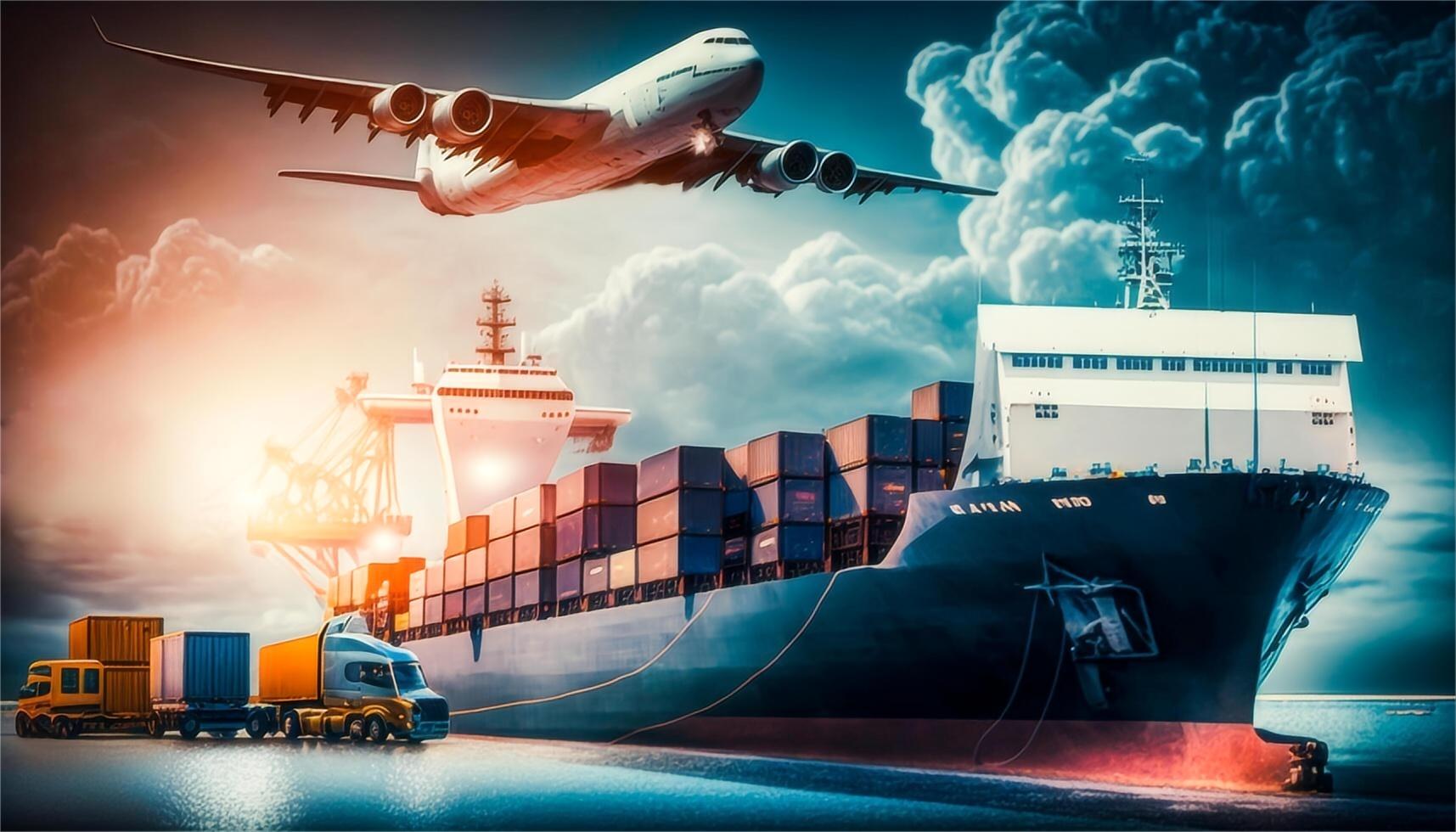
Freight Charges from China: Comprehensive Shipping Guide
Understanding freight charges from China is critical for businesses importing goods globally. Whether shipping to the United States, Europe, India, or Singapore, costs can vary significantly based on the transport method, cargo type, and customs requirements. This guide helps you navigate shipping cost, delivery time, customs clearance, supply chain management, and other logistics considerations to optimize your import strategy.
What Determines Freight Charges from China?
Freight charges from China depend on multiple factors: shipment weight, volume, transportation mode, origin and destination ports, fuel surcharges, and customs duties. Additionally, seasonal demand, cargo type (perishable, high-value, or hazardous), and service level (standard or express) influence the total cost.
Comparison of Transportation Methods

| Transport Mode | Cost | Transit Time | Advantages | Disadvantages |
|---|---|---|---|---|
| Air Freight | High | 1–7 days | Fastest, secure, ideal for urgent or high-value cargo | Expensive, limited capacity |
| Sea Freight | Medium-Low | 15–40 days | Cost-effective for bulk shipments | Slower, port delays possible |
| Rail Freight | Medium | 10–20 days | Eco-friendly, reliable for long-distance land routes | Not feasible for all destinations, transshipment needed |
How to Calculate Freight Charges from China?
Calculating freight charges from China requires considering weight (gross or volumetric), cargo dimensions, shipping distance, and service fees. Forwarders like TJ China Freight provide online quotes and detailed breakdowns of air, sea, and rail freight costs. Using volume weight formulas helps ensure accurate billing for light but bulky cargo.
Freight Charges from China to Different Destinations
| Destination | Air Freight Cost | Sea Freight Cost | Rail Freight Cost |
|---|---|---|---|
| USA | $5–$8 per kg | $1,200–$2,000 per 20ft container | $1,500–$2,500 per container |
| Europe | $4.5–$7 per kg | $1,000–$1,800 per 20ft container | $1,300–$2,200 per container |
| India | $3.5–$6 per kg | $700–$1,200 per 20ft container | $900–$1,500 per container |
| Australia | $5–$8 per kg | $1,400–$2,200 per 20ft container | $1,600–$2,800 per container |
Required Documents for Import/Export

-
- Commercial Invoice – details the product, value, and HS code.
-
- Packing List – provides shipment weight and dimensions.
-
- Bill of Lading or Air Waybill – confirms the contract of carriage.
-
- Import/Export License – required for restricted items.
-
- Certificate of Origin – confirms the manufacturing country.
-
- Insurance Certificate – recommended for high-value goods.
Advantages and Disadvantages of Air, Sea, and Rail Freight
Selecting the right transportation method helps balance freight charges from China with delivery speed and reliability. Air freight offers speed, sea freight provides cost-efficiency, and rail freight is eco-friendly and reliable for certain routes. However, each mode comes with trade-offs that businesses must evaluate carefully.
Tips to Reduce Freight Charges from China
To optimize logistics costs, consider consolidating shipments, negotiating bulk rates, booking early, selecting optimal routes, and partnering with a reputable forwarder like TJ China Freight. Efficient documentation and proper cargo packaging also prevent delays and extra charges.
Looking to lower your freight charges from China while ensuring timely delivery? Contact TJ China Freight today to request a personalized quote and enjoy reliable, cost-effective logistics solutions.
FAQs(click to expand and view)
1. How are freight charges from China calculated?
Freight charges are determined by shipment weight, volume, transport mode, origin and destination ports, fuel surcharges, and customs duties. Businesses should also consider seasonality and service level (standard or express) to accurately estimate total shipping costs.
2. Which is cheaper: air freight or sea freight from China?
Sea freight is generally more cost-effective for bulk shipments, whereas air freight is faster but more expensive. Companies should weigh urgency against budget when deciding between the two methods.
3. Can I combine multiple cargo types to reduce costs?
Yes. Consolidating shipments or using a freight forwarder to combine cargo reduces per-unit costs and maximizes container utilization, effectively lowering overall freight charges from China.
4. What documents are needed for customs clearance?
Key documents include a commercial invoice, packing list, bill of lading/air waybill, import/export license for restricted goods, and certificate of origin. Having accurate paperwork speeds up customs clearance and avoids fines.
5. How can TJ China Freight help reduce freight charges from China?
TJ China Freight offers professional services including air, sea, and rail freight, customs clearance, warehousing, and door-to-door delivery. Their expertise in route optimization, consolidation, and documentation helps clients minimize costs while ensuring timely delivery.