

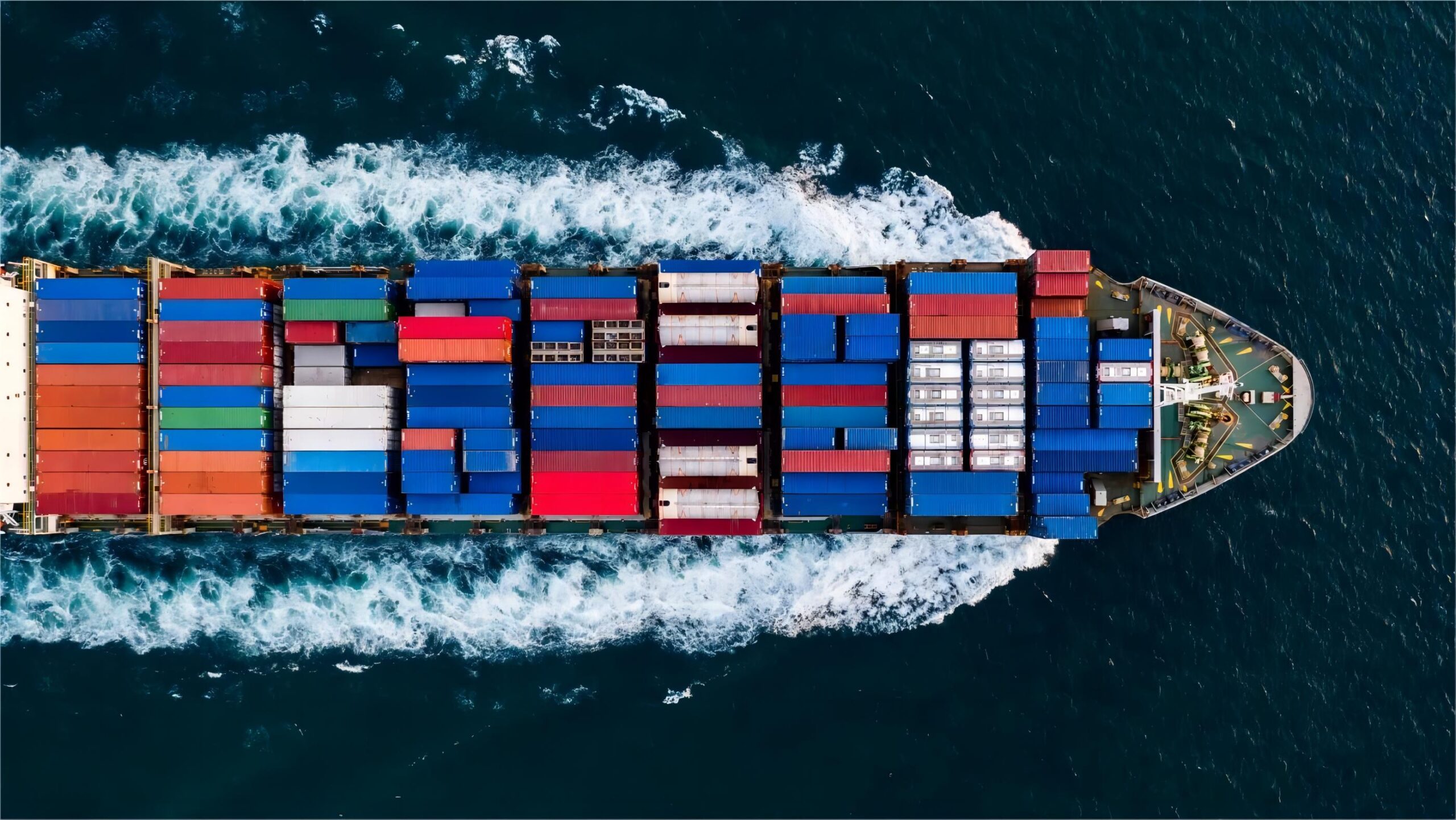
Flat Rack FCL Booking Process for Solar Panels China to USA
Shipping solar panels from China to the USA requires specialized logistics, especially for oversized modules. The Flat Rack FCL booking process ensures safe and efficient transport for these delicate items. Understanding each step can streamline your supply chain and prevent costly delays. For comprehensive solutions, visit TJ China Freight.

What is Flat Rack FCL Shipping for Solar Panels?
Flat Rack (FR) containers are essential for shipping oversized cargo, including large solar panels, that cannot fit into standard enclosed containers. Unlike conventional containers, flat racks have no side walls or roof, allowing for loading from the top or sides. This design makes them ideal for photovoltaic (PV) modules exceeding standard dimensions.
Full Container Load (FCL) means your solar panels will occupy an entire flat rack container. This dedicated space provides maximum security and minimizes handling risks. Consequently, it’s the preferred method for high-value and sensitive shipments like solar equipment.
Why Choose Flat Rack FCL for Solar Panel Shipments?
Choosing Flat Rack FCL offers several distinct advantages for shipping solar panels. Primarily, it accommodates the unique dimensions of large PV modules, which often exceed the width or height of standard containers. This prevents damage that could occur from forced fitting or less secure methods.
Furthermore, dedicated FCL service reduces the risk of damage during transit. Your cargo is not consolidated with other shipments, minimizing potential impacts or mishandling at various transshipment points. This method provides greater control over your delivery schedule and transit time, crucial for project deadlines.
The Essential Flat Rack FCL Booking Process
Booking a Flat Rack FCL shipment for solar panels involves several critical steps to ensure a smooth journey. This process begins with detailed planning and accurate cargo assessment. Therefore, understanding each phase is vital for successful international logistics.
Initially, you must provide precise dimensions and weight of your solar panels. This information determines the appropriate flat rack size and necessary lashing and securing requirements. Subsequently, your freight forwarder will coordinate with carriers to secure suitable vessel space and equipment.
Step 1: Cargo Assessment and Preparation
Precisely measure the length, width, height, and weight of your packaged solar panels. This data is crucial for selecting the correct flat rack size (20’FR or 40’FR) and calculating shipping costs. Moreover, proper packaging, often in sturdy crates or pallets, is paramount to protect against vibration and impact.
Ensure all panels are securely bundled and protected from moisture and physical shock. Proper preparation mitigates risks during cargo handling and sea transit. Discuss specific packaging needs with your supplier and freight forwarder to comply with international shipping standards for oversized cargo.
Step 2: Freight Quote and Carrier Selection
Request detailed freight quotes from reputable freight forwarders specializing in oversized cargo. These quotes will include ocean freight, origin charges, and destination charges. Comparing multiple quotes is essential for optimizing your shipping costs and finding a competitive freight rate.
Consider factors beyond just price, such as carrier reputation, transit time, and their experience with flat rack shipments. A reliable partner like TJ China Freight’s sea freight services can offer valuable insights and secure favorable terms. They can help navigate the complexities of carrier capacity and scheduling.
Step 3: Booking and Documentation
Once you accept a quote, the booking process begins. Your freight forwarder will reserve the flat rack container and vessel space. Subsequently, you’ll need to prepare all necessary shipping documents, including the commercial invoice, packing list, and bill of lading (BOL).
Accurate documentation is vital for customs clearance in both China and the USA. Any discrepancies can lead to significant delays and penalties. Therefore, meticulous attention to detail at this stage is non-negotiable for a smooth import/export process.
Step 4: Loading, Lashing, and Port Operations
At the port of loading, your solar panels will be expertly loaded onto the flat rack. Professional lashing and securing are critical to prevent movement during the voyage. This involves using specialized chains, straps, and chocks to firmly anchor the cargo.
The freight forwarder oversees these operations, ensuring compliance with international safety standards. Subsequently, the loaded flat rack is moved to the vessel for departure. Efficient port operations are key to maintaining your delivery schedule.
Step 5: Customs Clearance and Delivery
Upon arrival at a USA port, your shipment undergoes customs clearance. This involves presenting all required import documents and paying applicable duties and taxes. Navigating US import regulations for solar equipment can be complex, often requiring specialized knowledge.
A proficient customs broker is indispensable here. They ensure compliance and expedite the release of your cargo. Finally, after clearance, the flat rack is transported to your final destination, completing the door-to-door delivery. Consider customs brokerage services for seamless entry.

How Does Flat Rack FCL Compare to Other Shipping Options?
When shipping solar panels from China to the USA, several logistics trends and options exist. However, the unique characteristics of solar panels, particularly their size and fragility, often dictate the best method. Flat Rack FCL is frequently the most suitable, but alternatives have their place.
Understanding the trade-offs between different shipping methods is crucial for optimizing your supply chain. We compare Flat Rack FCL with other common options, considering cost, transit time, and cargo suitability. This helps in making informed decisions for your renewable energy projects.
| Shipping Method | Cost Range (40′ Equivalent) | Transit Time (China to USA East) | Best For | Limitations |
|---|---|---|---|---|
| Flat Rack FCL | $4,500 – $6,500 | 30-40 days | Oversized, high-value cargo | Higher cost than standard FCL, limited availability |
| Standard FCL (40’HQ) | $4,000 – $5,500 | 30-35 days | Standard-sized panels, bulk shipments | Cannot accommodate oversized dimensions |
| LCL (Less than Container Load) | $80 – $150/CBM | 35-45 days | Small quantities, samples | Higher risk of damage, longer transit, complex for oversized |
| Air Freight | $15,000 – $25,000 | 5-7 days | Urgent, high-value, small volume | Prohibitively expensive for large solar panel volumes, size restrictions |
Case Studies: Real-World Solar Panel Shipments
Examining real-world scenarios provides valuable insights into the Flat Rack FCL booking process. These examples highlight typical challenges and successful strategies for shipping solar panels from China to the USA. Each case demonstrates practical application of logistics trends and solutions.
Based on Q3 2024 market rates, these studies illustrate the complexities and considerations involved. They showcase how careful planning and expert freight management lead to efficient delivery schedules and cost-effective import/export operations.
Case Study 1: Large-Scale Solar Farm Project
This project involved shipping a significant volume of oversized solar panels for a new farm installation. The client prioritized secure transport and a predictable delivery schedule to meet construction timelines. Flat Rack FCL was the only viable option for the module dimensions.
Careful coordination between the supplier, freight forwarder, and customs broker ensured all panels arrived on schedule. This highlights the importance of an integrated approach for large-scale renewable energy projects.
| Detail | Description |
|---|---|
| Route | Shanghai, China -> Houston, USA |
| Cargo | 1500 oversized PV modules, 250 CBM, 45,000 kg |
| Container | 10 x 40’FR containers |
| Carrier/Service | COSCO, direct service |
| Port of Loading | Shanghai |
| Port of Discharge | Houston |
| Route Type | Direct |
| Ocean Freight | $55,000 (avg $5,500 per FR) |
| Origin Charges | $3,000 |
| Destination Charges | $4,500 |
| Customs & Duties (est.) | $12,000 (based on tariff codes) |
| Total Landed Cost (est.) | $74,500 |
| Booking to Loading | 7 days |
| Sea Transit | 32 days |
| Customs Clearance | 4 days |
| Total Door-to-Door | 45 days |
| Key Insight | Early booking secured equipment; expertise in lashing prevented damage. |

Case Study 2: Residential Solar Array Import
A smaller client needed to import a specialized residential solar array that included unique, wider-than-average panels. While the total volume was less than a full container, the dimensions necessitated a Flat Rack to prevent damage. This project showcased careful cost management.
The freight forwarder advised on consolidating other compatible, non-oversized components within the same shipment to optimize the overall freight rates. This strategy helped manage the higher per-unit cost of flat rack shipping for smaller volumes.
| Detail | Description |
|---|---|
| Route | Ningbo, China -> Long Beach, USA |
| Cargo | 30 oversized PV modules, 15 CBM, 2,500 kg |
| Container | 1 x 20’FR container |
| Carrier/Service | MSC, transshipment |
| Port of Loading | Ningbo |
| Port of Discharge | Long Beach |
| Route Type | Transshipment via Busan |
| Ocean Freight | $2,800 |
| Origin Charges | $450 |
| Destination Charges | $600 |
| Customs & Duties (est.) | $800 |
| Total Landed Cost (est.) | $4,650 |
| Booking to Loading | 5 days |
| Sea Transit | 20 days |
| Customs Clearance | 3 days |
| Total Door-to-Door | 28 days |
| Key Insight | Transshipment saved cost; detailed customs pre-filing avoided delays. |
Optimizing Your Solar Panel Supply Chain: Tips and Strategies
Efficiently managing the Flat Rack FCL booking process for solar panels requires strategic planning. Implementing best practices can significantly reduce shipping costs and transit time. Consider these tips to optimize your import/export operations and improve your delivery schedule.
Furthermore, building strong relationships with experienced freight forwarders is paramount. They can offer crucial insights into logistics trends, carrier capacity, and help navigate potential port congestion or regulatory changes. This expertise streamlines your overall supply chain.
Early Booking and Planning
Booking your flat rack containers well in advance, especially during peak seasons (August-October), is essential. This secures better freight rates and guarantees equipment availability. Last-minute bookings often incur higher costs and risk delays due to limited carrier capacity.
Proactive planning also allows ample time for packaging and documentation. This foresight prevents rushed decisions and potential errors. Consequently, it contributes to a smoother and more predictable shipping experience for your solar panel imports.
Leveraging Freight Forwarder Expertise
Partnering with a freight forwarder experienced in oversized project cargo, specifically solar panels, is invaluable. They possess the knowledge to handle complex customs procedures and intricate cargo handling requirements. For example, they can advise on optimal routing and carrier selection.
A good forwarder can also provide door-to-door services, managing the entire logistics chain from factory to final site. This comprehensive approach minimizes your administrative burden and ensures seamless coordination. They are your eyes and ears on the ground.
Understanding Tariffs and Trade Compliance
Stay informed about current US import duties and tariffs on solar panels from China. Trade policies can fluctuate, directly impacting your overall shipping costs. Work with your customs broker or freight forwarder to classify your goods correctly and ensure trade compliance.
Misclassification can lead to fines or delays. Therefore, accurate tariff codes and understanding potential exemptions or special programs are critical. This proactive approach safeguards your investment and avoids unexpected expenses during the import process.
Consider Freight Insurance
Given the high value and delicate nature of solar panels, comprehensive freight insurance is highly recommended. While carriers offer limited liability, it rarely covers the full value of the cargo. Insurance provides financial protection against loss or damage during transit.
Discuss various insurance options with your freight forwarder to find coverage that suits your risk tolerance. Investing in proper insurance is a small cost compared to the potential loss of an entire shipment of solar equipment. It provides peace of mind.
Which Option Should You Choose for Your Solar Panel Shipments?
Selecting the right shipping method for your solar panels depends heavily on your specific project requirements. Therefore, a clear decision framework can guide your choices. Consider your budget, urgency, cargo characteristics, and volume when evaluating options.
This framework helps balance cost-effectiveness with reliability and speed. Ultimately, the best choice aligns with your overall business objectives and supply chain strategy for renewable energy components. Always seek expert advice for unique scenarios.
| Priority | Recommendation | Considerations |
|---|---|---|
| Budget-Focused | Flat Rack FCL (Standard) | Optimize by booking early, consolidating other items if possible. |
| Speed-Focused | Air Freight (for urgent, small batches) | Prohibitively expensive for large volumes; use only for critical needs. |
| Oversized Cargo | Flat Rack FCL (Mandatory) | The only safe option for panels exceeding standard container dimensions. |
| Volume Threshold (Small) | LCL (for samples/very small orders) | Higher damage risk; avoid for high-value or critical components. |
| Project Cargo (Complex) | Dedicated Flat Rack FCL + Door-to-Door | Requires specialized handling and integrated logistics, like TJ China Freight’s Door-to-Door services. |

Mastering the Flat Rack FCL Booking Process for Solar Panels
The Flat Rack FCL booking process for solar panels from China to USA is a specialized undertaking requiring meticulous planning and expert execution. From cargo assessment to customs clearance, each step is crucial for successful delivery. Therefore, partnering with a knowledgeable freight forwarder is paramount.
By understanding the nuances of oversized cargo logistics, leveraging industry insights, and making informed decisions, you can optimize your supply chain. This ensures your valuable solar panels arrive safely, on time, and within budget. Ultimately, efficient freight management underpins the success of your renewable energy projects.
Get Your Shipping Quote Today
Ready to streamline your solar panel imports from China to the USA? Navigating the Flat Rack FCL booking process can be complex, but our experts are here to help. Contact us today for a tailored quote and reliable logistics solutions for your valuable solar equipment.
Request Quote