

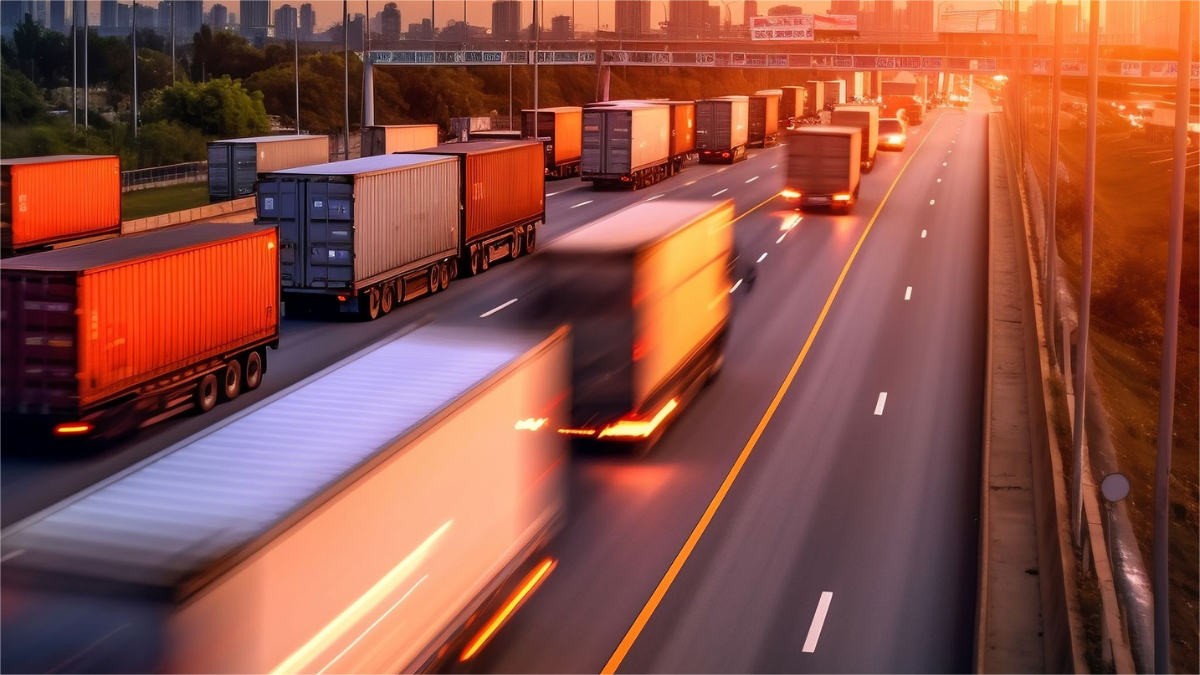
Essential 40HQ FCL Insurance for Electronics from China to Germany
Shipping valuable electronics from China to Germany involves inherent risks. Protecting your investment with reliable 40HQ FCL insurance for electronics from China to Germany is therefore crucial. This comprehensive guide will help you understand the nuances of cargo insurance for full container load shipments. TJ China Freight specializes in securing your high-value goods across international waters.

Why is 40HQ FCL Insurance Crucial for Electronics?
Electronics, by their very nature, are high-value and often fragile commodities. Consequently, they are particularly susceptible to damage, theft, or loss during transit. Marine insurance for electronics shipments becomes an indispensable part of your risk management strategy.
Indeed, a single incident can lead to significant financial setbacks, impacting your profitability and delivery schedule. Furthermore, without adequate coverage, businesses bear the full burden of any unforeseen events. This highlights the importance of robust insurance for importing electronics from China to Germany.
Understanding 40HQ FCL Shipments from China to Germany
What is a 40HQ FCL Container?
A 40HQ, or 40-foot High Cube container, is a standard shipping unit offering extra height. It provides approximately 76 cubic meters (CBM) of space, making it ideal for large volumes of goods. FCL, or Full Container Load, means you have exclusive use of the entire container.
This option is generally more cost-effective for larger shipments compared to LCL (Less than Container Load). Moreover, it often results in faster transit times because there is no need for consolidation or deconsolidation at intermediate ports. Therefore, for bulk electronics, 40HQ FCL is a preferred choice.
Key Considerations for Electronics Cargo
Shipping electronics requires careful attention to packaging and handling. Items must be securely packed to withstand vibrations, temperature changes, and potential impacts. Additionally, proper labeling is essential for customs and cargo handling personnel.
Considering the delicate nature of these goods, specialized handling procedures may be necessary. Furthermore, understanding the specific import regulations and customs clearance for electronics in Germany is vital to avoid delays and additional costs. This proactive approach minimizes potential issues.
Types of Marine Cargo Insurance Coverage
Choosing the right type of full container load insurance is paramount for comprehensive protection. Various policies offer different levels of coverage, tailored to specific risks. Understanding these distinctions helps you make an informed decision for your valuable cargo.
Generally, marine cargo insurance policies are categorized based on the perils they cover. Moreover, factors like the value of goods and the nature of the shipping route influence the suitability of each type of coverage. Let’s explore the primary options available.
| Coverage Type | Scope of Protection | Typical Exclusions | Best For Electronics |
|---|---|---|---|
| All-Risk | Broadest, covers all external causes of loss/damage | War, strikes, inherent vice, nuclear risks | Highly Recommended |
| Named Perils | Covers only specifically listed perils (e.g., fire, collision) | Unlisted perils, general average, theft | Not Recommended |
| Free From Particular Average (FPA) | Total loss, major casualties (e.g., sinking, burning) | Partial damage not from major casualty | Not Recommended |
All-Risk Coverage
This is the most comprehensive type of coverage, protecting against all external causes of loss or damage. However, it typically excludes specific perils like war, strikes, riots, or inherent vice of the goods. For high-value electronics, this is often the recommended choice.
Furthermore, ‘All-Risk’ still carries some exclusions, so always review the policy terms carefully. This coverage provides the broadest protection against unexpected events during transit, offering significant peace of mind.
Named Perils Coverage
Conversely, named perils coverage only insures against losses specifically listed in the policy. These usually include fire, collision, sinking, or jettison. If a peril is not explicitly mentioned, it is not covered.
This option is generally less expensive but offers limited protection. Therefore, it might be suitable for less fragile or lower-value goods, but generally not for sensitive electronics. Always weigh the cost savings against the potential risks.
Free From Particular Average (FPA)
FPA is a more restrictive form of coverage, primarily covering total loss of the cargo or vessel. It also covers partial losses caused by specific major casualties, such as stranding, sinking, burning, or collision. However, it does not cover minor damages or partial losses from other causes.
Consequently, FPA is rarely recommended for electronics due to their susceptibility to partial damage. For instance, even a small scratch or dent could render an electronic device unsellable, which FPA might not cover. It’s a high-risk, low-premium option.

How to Determine Your 40HQ FCL Insurance Cost?
The cost of cargo insurance China Germany depends on several key variables. Understanding these factors will help you budget accurately and choose the most suitable policy. Furthermore, obtaining multiple quotes can help you compare options effectively.
Typically, the premium is a small percentage of the total declared value of your goods, plus freight and incidental costs. This percentage can vary significantly based on the risk profile of your shipment. Consequently, accurate valuation is crucial for appropriate coverage.
Factors Influencing Insurance Premiums
Several elements directly impact the container shipping insurance cost. Firstly, the declared value of the electronics is a primary driver. Higher value goods naturally require higher premiums due to the greater financial risk involved for the insurer.
Secondly, the route from China to Germany presents specific risks, including potential port congestion or adverse weather conditions. Thirdly, the type of electronics, their fragility, and packaging standards play a significant role. Finally, the chosen coverage type (e.g., All-Risk vs. Named Perils) directly affects the premium. Your claims history can also influence rates.
Note: Freight rates are subject to change based on fuel costs, carrier capacity, and seasonal demand. Contact us for a current quote tailored to your specific shipment.
The Insurance Claim Process for Damaged Electronics
Despite all precautions, incidents can sometimes occur during transit. Knowing the correct insurance claim process for damaged electronics is vital for a swift resolution. Prompt action and thorough documentation are key to a successful claim.
Firstly, upon discovering any damage or loss, immediately notify your insurer and freight forwarder. Secondly, document everything meticulously with photos, videos, and detailed descriptions. This evidence is critical for substantiating your claim effectively.
Essential Documentation for Claims
For a smooth claims process, you will need to provide several documents. These typically include the bill of lading, commercial invoice, packing list, and proof of insurance coverage. Additionally, a survey report from an independent surveyor detailing the damage is often required.
Furthermore, any correspondence related to the incident, such as notices to the carrier, should be included. Consequently, maintaining organized records throughout the shipping process is highly beneficial for navigating potential claims. This proactive approach ensures all necessary information is readily available.
How Does Sea Freight Compare to Other Shipping Options?
While sea freight is often the go-to for 40HQ FCL electronics from China to Germany, it’s essential to consider alternative shipping methods. Each option presents different trade-offs in terms of cost, speed, and capacity. Understanding these alternatives helps in making strategic supply chain decisions.
For instance, air freight offers speed, but at a significantly higher cost, while rail freight balances speed and cost. Moreover, hybrid solutions can sometimes provide the best of both worlds. Let’s compare the main options for your international shipping needs.
| Shipping Method | Cost Range (40HQ Equivalent) | Transit Time (China to Germany) | Best For | Limitations |
|---|---|---|---|---|
| Sea Freight (FCL 40HQ) | $3,000-4,200 | 28-35 days | Large volumes, cost-efficiency, non-urgent | Slowest, port congestion risks |
| Air Freight | $15,000-25,000+ | 5-7 days | Urgent, high-value, smaller volumes | Highest cost, weight/volume restrictions |
| Rail Freight | $8,000-12,000 | 18-22 days | Time-sensitive, medium-large volumes | Limited routes, potential border delays |

Alternative Strategies for Electronics Shipments
For smaller volumes of electronics that do not fill a 40HQ container, LCL shipping can be a cost-effective alternative. While it might involve longer transit times due to consolidation, it reduces upfront costs. Another option is air freight for urgent or very high-value, small-volume electronics.
Hybrid solutions, such as sea-air combinations, involve shipping by sea to a major hub (e.g., Dubai, Singapore) and then by air to Germany. This balances cost and speed, offering a middle-ground solution. Direct routes versus transshipment also impact both transit time and freight rates, with direct routes often being faster but slightly more expensive.
Consider a scenario where you need a quick replenishment for a popular product. Air freight might be justified despite the higher cost. Conversely, for routine stock replenishment, sea freight remains the most economical choice. Strategic planning can optimize your delivery schedule and overall logistics trends.
Which Option Should You Choose?
Your choice of shipping method hinges on your priorities. If budget is the primary concern, sea freight for a 40HQ FCL shipment is generally the most economical option. However, if speed is paramount for your electronics, air freight offers the fastest transit time, albeit at a premium.
For a balance of cost and speed, especially for time-sensitive electronics, rail freight or a sea-air hybrid could be suitable. Volume thresholds also play a role; FCL is best for significant quantities (over 15 CBM), while LCL suits smaller shipments. Always assess cargo handling requirements and overall freight rates.
Real-World Scenarios: Insuring Electronics Shipments
Examining real-world case studies provides practical insights into the complexities of shipping and insuring electronics. These examples highlight the importance of proper planning, robust insurance, and reliable logistics partners. Moreover, they demonstrate how different factors influence the overall outcome.
These scenarios, based on current market rates as of Q1 2025, illustrate typical challenges and successful strategies. They underline the value of comprehensive 40HQ FCL insurance for electronics from China to Germany. Each case offers valuable lessons for businesses involved in import/export.
Case Study 1: High-Value Consumer Electronics
This case illustrates the critical role of all-risk insurance for delicate, high-value goods. A minor incident could have led to substantial losses without adequate coverage. The proactive approach ensured seamless recovery.
| Detail | Description |
|---|---|
| Route | Shenzhen, China Hamburg, Germany |
| Cargo | Smartphones and accessories, 68 CBM, 12,000 kg |
| Container | 40HQ FCL |
| Shipping Details | Carrier: COSCO, Port of Loading: Yantian, Port of Discharge: Hamburg, Route Type: Direct |
| Cost Breakdown | Ocean Freight: $3,800, Origin Charges: $450, Destination Charges: $550, Customs & Duties (estimated): $2,500, Insurance (All-Risk): $180, Total Landed Cost: $7,480 |
| Timeline | Booking to Loading: 5 days, Sea Transit: 30 days, Customs Clearance: 3 days, Total Door-to-Door: 38 days |
| Key Insight | During transit, a minor container shift caused cosmetic damage to several outer cartons. The All-Risk insurance covered the cost of repackaging and a small percentage of product depreciation, preventing a significant loss for the importer. Typical rates as of early 2025. |

Case Study 2: Industrial Components with Tight Deadlines
This example demonstrates the flexibility required for industrial electronics, where slight delays can halt production lines. The choice of shipping method and insurance were tailored to critical timing and potential financial impact of delays.
| Detail | Description |
|---|---|
| Route | Shanghai, China Munich, Germany (via rail hub) |
| Cargo | Specialized electronic circuit boards, 50 CBM, 8,000 kg |
| Container | 40HQ FCL |
| Shipping Details | Carrier: China-Europe Railway Express, Port of Loading: Xi’an, Port of Discharge: Malaszewicze (Poland) then rail to Munich, Route Type: Direct Rail |
| Cost Breakdown | Rail Freight: $9,500, Origin Charges: $350, Destination Charges: $400, Customs & Duties (estimated): $1,800, Insurance (All-Risk): $150, Total Landed Cost: $12,200 |
| Timeline | Booking to Loading: 7 days, Rail Transit: 18 days, Customs Clearance: 2 days, Total Door-to-Door: 27 days |
| Key Insight | Despite a minor customs inspection delay at the border, the client’s high-value components arrived within the critical window. The All-Risk policy provided peace of mind against potential transit damage, which is a higher risk with multiple rail transfers. Based on Q3 2024 market rates. |
Case Study 3: Bulk IT Equipment for Data Center
This scenario highlights the importance of thorough pre-shipment inspections and robust packaging for large-scale IT deployments. Even with FCL, proper cargo handling is paramount to prevent damage to sensitive server equipment.
| Detail | Description |
|---|---|
| Route | Ningbo, China Bremerhaven, Germany |
| Cargo | Server racks and network switches, 70 CBM, 15,000 kg |
| Container | 40HQ FCL |
| Shipping Details | Carrier: Maersk, Port of Loading: Ningbo, Port of Discharge: Bremerhaven, Route Type: Transshipment via Singapore |
| Cost Breakdown | Ocean Freight: $3,200, Origin Charges: $400, Destination Charges: $600, Customs & Duties (estimated): $3,000, Insurance (All-Risk): $200, Total Landed Cost: $7,400 |
| Timeline | Booking to Loading: 6 days, Sea Transit: 35 days, Customs Clearance: 4 days, Total Door-to-Door: 45 days |
| Key Insight | The transshipment route, while slightly longer, offered better rates during a peak season (Q4 2024). The All-Risk policy was crucial as one rack sustained minor external packaging damage during transfer. The policy covered inspection and any potential internal damage, ensuring the client’s data center deployment remained on track. Industry average for this route. |
Best Practices for Mitigating Risks in Your Supply Chain
Effective risk mitigation goes beyond simply purchasing insurance. It involves a holistic approach to your entire supply chain. Implementing best practices significantly reduces the likelihood of incidents and potential claims. This proactive stance protects your assets and reputation.
From careful supplier selection to robust packaging and diligent documentation, each step contributes to a more secure shipping process. Moreover, partnering with experienced logistics providers further enhances overall security. This comprehensive strategy is vital for shipping electronics overseas.
Packaging and Documentation Excellence
Proper packaging is the first line of defense for fragile electronics. Use high-quality, impact-absorbing materials and ensure items are securely braced within the container. Additionally, thorough documentation, including detailed packing lists and commercial invoices, facilitates smooth customs clearance for electronics in Germany.
Accurate documentation also supports any potential cargo damage claims procedure. Furthermore, clearly labeling containers with handling instructions and destination information prevents misrouting or improper handling. This attention to detail minimizes risks.
Choosing Reputable Partners
Selecting a reliable freight forwarder is paramount for successful international shipping. A reputable partner offers expertise in logistics trends, cargo handling, and customs regulations. They can also advise on the best freight forwarder insurance options.
Moreover, a good forwarder provides transparency and excellent communication throughout the transit process. This partnership ensures that your electronics are handled professionally from origin to destination. Customs brokerage services are also critical for seamless entry into Germany.
Partnering with a Reliable Freight Forwarder for Insurance and Logistics
Navigating the complexities of international shipping, especially for high-value electronics, requires professional expertise. A seasoned freight forwarder offers invaluable support, streamlining the entire process from China to Germany. They provide tailored solutions, ensuring compliance and efficiency.
Indeed, a good freight forwarder like TJ China Freight not only handles the physical movement of goods but also assists with critical aspects like cargo insurance. They can help you secure the most appropriate 40HQ FCL insurance for electronics from China to Germany. Their expertise in door-to-door service ensures a smooth experience. Our services extend to shipping to Europe, including specialized Amazon FBA services in Germany.
Conclusion
Securing adequate 40HQ FCL insurance for electronics from China to Germany is not merely an expense; it is a critical investment. It safeguards your business against unforeseen risks inherent in international shipping. Understanding the types of coverage, cost factors, and claim processes empowers you to make informed decisions.
By implementing best practices and partnering with a reliable freight forwarder, you can significantly mitigate supply chain risks. This ensures your valuable electronics arrive safely and on schedule. Ultimately, comprehensive insurance provides the ultimate peace of mind for your global trade operations.
Ready to streamline your logistics?
Ready to protect your valuable electronics shipments from China to Germany? Contact TJ China Freight today for a personalized quote and expert advice on 40HQ FCL insurance. Our team is prepared to tailor solutions that meet your specific needs and ensure peace of mind.
Request Quote