

Container China Price: Comprehensive Shipping and Cost Guide
Understanding the container China price is vital for businesses importing goods from China to destinations worldwide. Shipping costs fluctuate based on transport mode, container type, destination, and seasonal demand. Many importers struggle with selecting the most cost-effective method while ensuring timely delivery. This guide provides a complete overview of sea freight, air freight, rail freight, and other logistics options, helping you make informed decisions.
Why Container China Price Varies
Several factors influence the container China price, including container size (20ft or 40ft), shipping method, fuel costs, port congestion, and global market trends. Choosing the right forwarder and shipping plan can significantly reduce expenses and improve supply chain efficiency.
What Are the Main Shipping Methods?
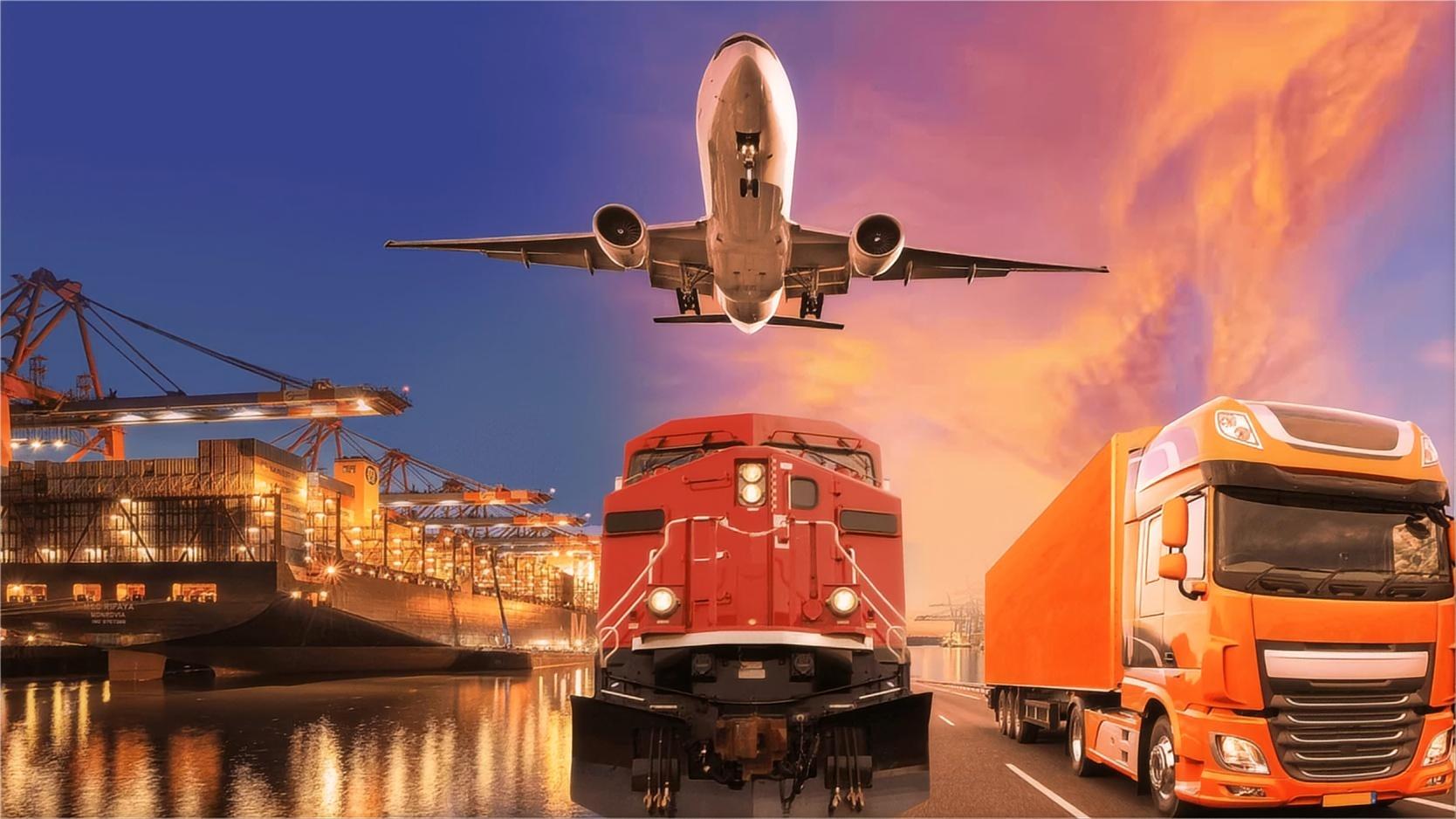
Businesses can choose between sea freight, air freight, rail freight, or express services. Each method offers unique advantages depending on cost, speed, and cargo type.

| Transport Method | Estimated Cost | Average Transit Time | Advantages | Disadvantages |
|---|---|---|---|---|
| Sea Freight | $2,500–$5,500 per 20–40ft container | 20–35 days | Cost-effective for bulk cargo, flexible container options | Slower, port congestion possible |
| Air Freight | $5–$12/kg | 5–10 days | Fast, reliable for high-value goods | Expensive, weight limitations |
| Rail Freight | $2–$4/kg | 15–25 days | Balanced cost and speed, eco-friendly | Limited routes, seasonal variability |
| Express Services | $8–$15/kg | 3–7 days | Door-to-door, ideal for small shipments | High cost, not suitable for bulk cargo |
How Much Does a Container Cost from China?
The container China price depends on the type of container, shipping route, and season.
| Container Type | Typical Price Range | Notes |
|---|---|---|
| 20ft Standard | $2,500–$3,500 | Ideal for small to medium-sized shipments |
| 40ft Standard | $4,500–$5,500 | Suitable for bulk cargo, more cost-efficient per CBM |
| 40ft High Cube | $4,800–$6,000 | Extra height allows more volume, slightly higher cost |
Tip: Always request a quote from a reliable forwarder to account for port fees, surcharges, and seasonal fluctuations.
How Long Does Shipping Take from China?
Transit times vary based on the method and route.
| Mode | Average Delivery Time | Notes |
|---|---|---|
| Sea Freight | 20–35 days | Major ports include Shanghai, Ningbo, Shenzhen |
| Air Freight | 5–10 days | Ideal for urgent shipments or high-value goods |
| Rail Freight | 15–25 days | Efficient for large shipments, growing popularity |
| Express Services | 3–7 days | Perfect for small packages and e-commerce |
What Are the Required Documents for Customs?

Proper documentation is essential to avoid delays and additional costs:
| Document | Purpose |
|---|---|
| Commercial Invoice | Proof of goods value and description |
| Packing List | Details weights, dimensions, and packaging |
| Bill of Lading / Air Waybill | Shipping contract |
| Import Declaration Form | Required by customs authorities |
| Certificate of Origin | Verifies Chinese origin |
| Customs Clearance Agency Documents | Supports professional brokers in smooth clearance |
A trusted forwarder ensures accurate submissions and compliance, minimizing delays.
How to Choose the Right Forwarder?
A reliable forwarder should provide:
- Transparent pricing and precise quotes
- Multiple shipping options (sea, air, rail, express services)
- Expertise in customs clearance and documentation
- Access to warehousing and door-to-door delivery
- Support for e-commerce and Amazon FBA fulfillment
Partnering with professionals like TJ China Freight ensures a smooth end-to-end shipping experience.
Comparison of Popular Shipping Routes
| Route | Mode | Transit Time | Cost Level |
|---|---|---|---|
| Shanghai → Los Angeles | Sea Freight | 20–30 days | Low |
| Ningbo → Rotterdam | Sea Freight | 25–35 days | Moderate |
| Shenzhen → New York | Air Freight | 5–10 days | High |
| Express Courier | Door-to-door | 3–7 days | Very High |
Logistics Trends in China Trade
- Adoption of digital tracking systems for better delivery schedules
- Consolidation of shipments to reduce shipping costs
- Increasing use of rail freight for eco-friendly and faster alternatives
- Integration of cargo insurance, warehousing, and import services into a single solution
Businesses are prioritizing speed, reliability, and cost-efficiency in global trade with China.
Conclusion
Understanding container China price is essential for budget planning, supply chain optimization, and risk management. While sea freight is the most economical choice for bulk cargo, air freight and express services offer speed for urgent shipments. Working with a professional forwarder such as TJ China Freight ensures comprehensive solutions, including door-to-door delivery, customs clearance, and cargo insurance, making international trade efficient and reliable.
Simplify your international shipping with TJ China Freight. Request a quote today to explore the most cost-effective and timely options for containers from China to destinations across China to North America, Europe, Asia, and beyond. Our experts provide end-to-end support including warehousing, customs clearance, and cargo insurance.
FAQs(click to expand and view)
Q1: What affects the container China price?
The cost depends on container size, shipping mode, fuel prices, port fees, and seasonal demand. Using a professional forwarder helps optimize routes, consolidate cargo, and minimize additional charges.
Q2: Is sea freight cheaper than air freight for containers?
Yes. Sea freight is generally more economical for bulk shipments, while air freight is faster but more expensive, ideal for high-value or urgent cargo.
Q3: How can I get the most accurate quote?
Provide shipment details such as weight, volume, container type, destination, and preferred shipping method. A trusted forwarder like TJ China Freight offers transparent and reliable pricing.
Q4: Are there hidden costs in container shipping?
Potential hidden costs include port fees, fuel surcharges, customs duties, and documentation charges. A professional forwarder ensures transparency and avoids unexpected expenses.
Q5: Which is better for time-sensitive shipments, air or express services?
For speed, express services are optimal for small packages (3–7 days), while air freight suits larger shipments that need delivery in 5–10 days. Both are faster than sea freight.