

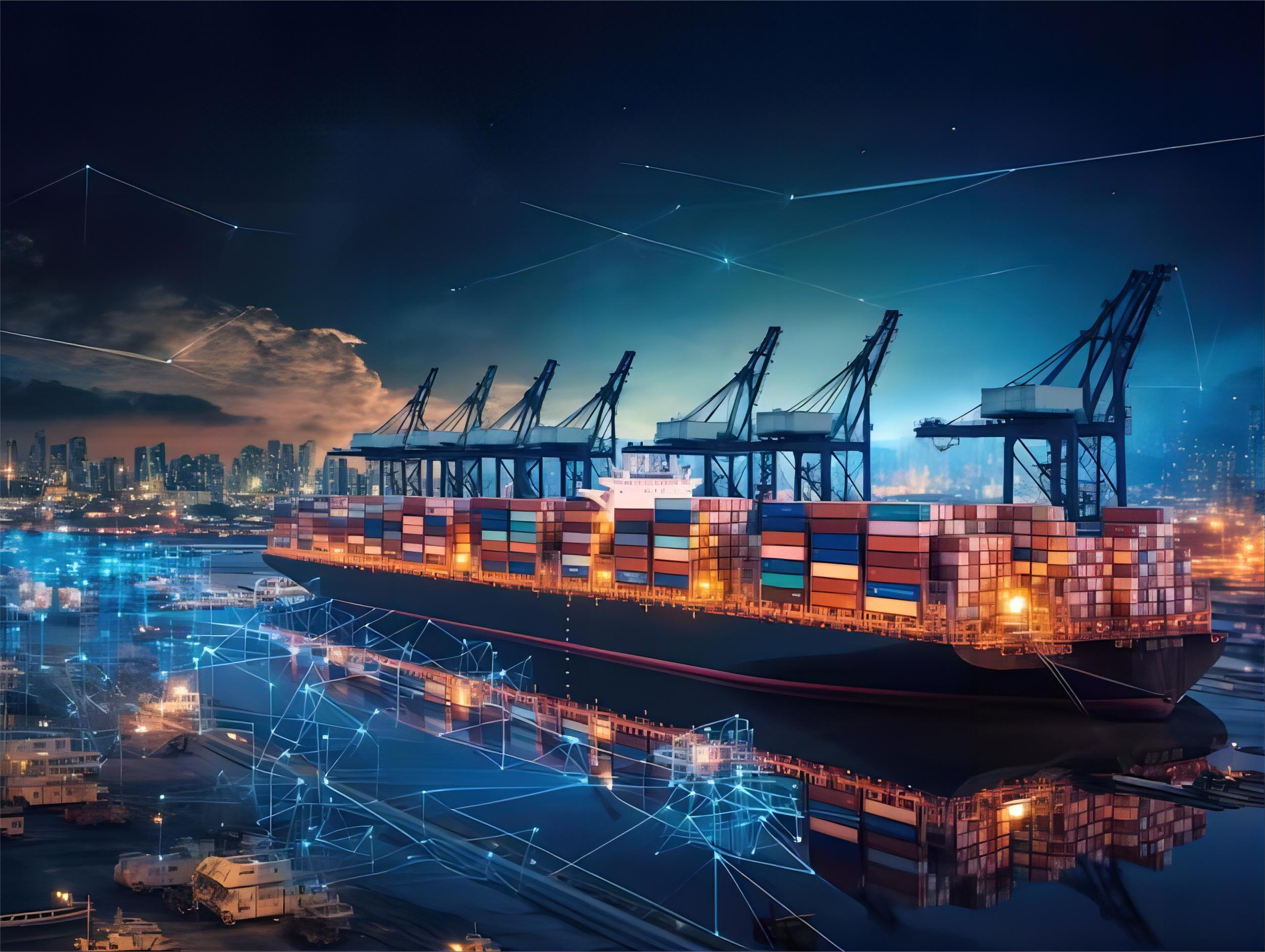
China FCL DDU Shipping to Norway: Your Complete Guide
Navigating international logistics can be complex, especially when coordinating large shipments from China to Norway. Understanding China FCL DDU shipping to Norway offers a streamlined solution for businesses seeking predictability and control. This comprehensive guide will demystify the process, helping you manage your supply chain efficiently and avoid unexpected costs.
✦
What is China FCL DDU Shipping to Norway?
FCL DDU shipping from China to Norway offers a comprehensive logistics solution for businesses importing goods. Full Container Load (FCL) means your cargo occupies an entire container, ensuring security and efficiency. Delivered Duty Unpaid (DDU) signifies that the seller delivers goods to the buyer’s destination, but the buyer handles import duties and taxes.
This method provides a clear division of responsibilities, making international trade more predictable. While the seller covers transport costs to the final destination, the buyer manages customs clearance and associated fees in Norway. Understanding these terms is crucial for smooth door-to-door delivery.
Why Choose FCL for Your Shipments to Norway?
Selecting FCL for your China to Norway shipments presents significant advantages, especially for larger volumes. A dedicated container eliminates the risk of cargo mixing, enhancing security and reducing potential damage. Furthermore, it often results in faster transit times compared to consolidating with other shipments.
For businesses with substantial cargo, FCL shipping rates from China to Oslo can be more cost-effective per unit than Less than Container Load (LCL). This method provides greater control over your delivery schedule and ensures your goods arrive intact. It is ideal for bulk goods shipping China to Norway.
Understanding the DDU Incoterm: What It Means for You
The DDU (Delivered Duty Unpaid) Incoterm places specific obligations on both the seller in China and the buyer in Norway. Under DDU, the seller is responsible for delivering the goods to the agreed destination, covering all transportation costs and risks up to that point. This includes export clearance and freight to Norway.
Conversely, the buyer assumes responsibility for import customs clearance, paying import duties, taxes, and any other local charges upon arrival in Norway. This structure requires the buyer to have a clear understanding of Norwegian customs regulations and processes. Therefore, effective customs brokerage is essential for a smooth transaction.
The China to Norway Shipping Route: Key Considerations
The maritime route from China to Norway typically involves major Chinese ports like Shanghai, Ningbo, and Shenzhen. These ports offer extensive vessel capacity and frequent sailings, connecting efficiently with European hubs. Transit times can vary based on the specific origin and destination within both countries.
Upon reaching Europe, containers are often transshipped through major European ports such as Rotterdam or Hamburg before heading to Norway’s main ports like Oslo, Bergen, or Stavanger. Consequently, understanding the full delivery schedule, including potential transshipment delays, is vital for planning. Considering sea freight options is paramount for this route.
How Does FCL DDU Shipping Work: A Step-by-Step Guide
The process for FCL DDU shipping to Norway begins with booking your container and arranging cargo pickup from your supplier in China. Your freight forwarder coordinates the loading of your goods into the container, ensuring proper securing and documentation. This initial phase is critical for smooth export.
Next, the container undergoes export customs clearance in China before being loaded onto a vessel. During ocean transit, you can usually track your cargo’s progress. Upon arrival at a Norwegian port, the buyer’s responsibility for customs clearance and payment of duties commences. This comprehensive process ensures efficient cargo handling.
How Does China FCL DDU Compare to Other Shipping Options?
When planning your import strategy, comparing China FCL DDU shipping to Norway with other methods is essential. Each option–FCL, LCL, Air Freight, and Rail Freight–offers distinct advantages and disadvantages concerning cost, speed, and suitability for different cargo types. Making an informed decision can significantly impact your supply chain logistics.
FCL vs. LCL: When to Choose Which
Choosing between FCL and LCL depends primarily on your cargo volume and budget. For shipments exceeding 15-20 CBM, FCL generally becomes more economical per unit. It offers a dedicated container, reducing handling and transit time risks.
Conversely, LCL (Less than Container Load) is ideal for smaller shipments that do not fill an entire container. While LCL shipping costs from China to Norway per CBM might initially seem lower, consolidating with other cargo can lead to longer transit times and increased handling fees.
Sea Freight vs. Air Freight: Balancing Speed and Cost
Air freight from China to Norway provides significantly faster transit times, typically 5-10 days, making it suitable for urgent or high-value goods. However, this speed comes at a much higher cost, often several times that of sea freight. Air cargo also has stricter weight and volume limitations.
Sea freight, including FCL DDU shipping, is the most cost-effective option for non-urgent, heavy, or bulky shipments. Although transit times are longer (30-40 days), the substantial cost savings make it the preferred choice for many businesses. Therefore, balancing speed with your budget is crucial.
Hybrid Solutions and Alternative Strategies
For a middle ground, consider hybrid solutions like sea-air or rail-sea combinations. Sea-air combines ocean freight to a transit hub (e.g., Dubai) followed by air freight to Norway, offering a balance of speed and cost. Rail freight to Europe, then road transport to Norway, is another viable option for some goods.
Alternative strategies also involve optimizing container utilization and consolidating orders. For instance, if you have multiple suppliers, using a freight forwarder to consolidate goods into one FCL can save costs. Always evaluate the trade-offs between cost, speed, and cargo security.
Making the Right Choice: A Decision Framework
To decide the best shipping method, prioritize your needs. If budget is paramount and time is flexible, FCL sea freight is usually the best option. For urgent deliveries, despite higher costs, air freight is indispensable.
Consider cargo type and volume thresholds. Small, high-value electronics might warrant air freight, while large machinery or raw materials are suited for FCL. For shipments between 10-20 CBM, carefully compare LCL with a smaller FCL container (20GP) for cost-effectiveness and transit time.
Comparison Table: Shipping Methods from China to Norway
| Shipping Method | Cost Range (40HQ) | Transit Time | Best For | Limitations |
|---|---|---|---|---|
| FCL Sea Freight | $3,000 – $4,500 | 30-40 days | Large volumes, non-urgent goods | Slower, requires full container |
| LCL Sea Freight | $80 – $150/CBM | 35-50 days | Smaller volumes (under 15 CBM) | Slower, potential delays, more handling |
| Air Freight | $10,000 – $20,000 | 5-10 days | Urgent, high-value, perishable goods | High cost, volume/weight restrictions |
| Rail Freight (to EU + Road) | $5,000 – $8,000 | 20-25 days | Medium urgency, higher value | Limited routes, transshipment, customs complexity |

Typical Transit Times and Costs for China FCL DDU to Norway
Transit times for FCL DDU shipping from China to Norway generally range from 30 to 40 days for port-to-port. This duration can extend to 45-50 days for door-to-door delivery, accounting for inland transport and customs clearance. Factors like vessel speed, transshipment points, and port congestion all influence the final timeline.
FCL shipping costs from China to Oslo vary significantly based on container size (20GP, 40GP, 40HQ), current market freight rates, and seasonal demand. As of early 2025, a 40HQ container might cost between $3,000 and $4,500 for ocean freight. These rates are subject to change due to fuel costs and geopolitical events.
Note: Freight rates are subject to change based on fuel costs, carrier capacity, and seasonal demand. Contact us for a current quote tailored to your specific shipment.
Navigating Customs and Regulations for Imports into Norway
Importing goods into Norway under DDU terms requires the buyer to meticulously manage customs clearance. This involves preparing all necessary documents, including the commercial invoice, packing list, bill of lading, and potentially certificates of origin or compliance. Accurate documentation prevents delays and penalties.
Furthermore, understanding Norwegian import duties, VAT (currently 25% for most goods), and commodity codes (HS codes) is crucial. Misclassifying goods can lead to incorrect duty payments or customs holds. Engaging a local customs broker or knowledgeable freight forwarder is highly recommended for navigating these complexities effectively.
Real-World Success: China FCL DDU Shipping to Norway Case Studies
Examining real-world scenarios highlights the practical application and benefits of China FCL DDU shipping to Norway. These case studies demonstrate how businesses successfully manage their imports, showcasing typical costs, transit times, and challenges. They offer valuable insights into optimizing your own logistics.
Case Study 1: Large Volume Electronics Import
| Field | Value |
|---|---|
| Route | Guangzhou, China -> Oslo, Norway |
| Cargo | Consumer Electronics (LED Screens), 60 CBM, 10,000 kg |
| Container | 40HQ |
| Shipping Details | |
| – Carrier/Service | COSCO |
| – Port of Loading | Nansha, Guangzhou |
| – Port of Discharge | Oslo |
| – Route Type | Transshipment via Rotterdam |
| Cost Breakdown (Estimated, Q3 2024) | |
| – Ocean Freight | $3,800 |
| – Origin Charges (THC, documentation) | $450 |
| – Destination Charges (unloading, handling) | $300 |
| – Customs & Duties (estimated, buyer’s responsibility) | $4,500 |
| – Total Landed Cost (excluding buyer’s internal costs) | $9,050 |
| Timeline | |
| – Booking to Loading | 5 days |
| – Sea Transit | 32 days |
| – Customs Clearance | 3 days |
| – Total Door-to-Door | 40 days |
| Key Insight | Efficient transshipment managed by the carrier kept transit time optimal. Buyer prepared customs documents well in advance. |

Case Study 2: Seasonal Goods for Retail
| Field | Value |
|---|---|
| Route | Qingdao, China -> Bergen, Norway |
| Cargo | Seasonal Apparel, 55 CBM, 8,000 kg |
| Container | 40HQ |
| Shipping Details | |
| – Carrier/Service | Maersk |
| – Port of Loading | Qingdao |
| – Port of Discharge | Bergen |
| – Route Type | Direct Service |
| Cost Breakdown (Estimated, Q4 2024 peak season) | |
| – Ocean Freight | $4,200 |
| – Origin Charges (THC, documentation) | $500 |
| – Destination Charges (unloading, handling) | $350 |
| – Customs & Duties (estimated, buyer’s responsibility) | $3,800 |
| – Total Landed Cost (excluding buyer’s internal costs) | $8,850 |
| Timeline | |
| – Booking to Loading | 7 days |
| – Sea Transit | 35 days |
| – Customs Clearance | 4 days |
| – Total Door-to-Door | 46 days |
| Key Insight | Booking early for peak season secured vessel space and avoided further rate increases. Direct service optimized transit. |
Case Study 3: Industrial Equipment Delivery
| Field | Value |
|---|---|
| Route | Ningbo, China -> Stavanger, Norway |
| Cargo | Small Industrial Machines, 25 CBM, 15,000 kg |
| Container | 20GP |
| Shipping Details | |
| – Carrier/Service | MSC |
| – Port of Loading | Ningbo |
| – Port of Discharge | Stavanger |
| – Route Type | Transshipment via Hamburg |
| Cost Breakdown (Estimated, Q1 2025) | |
| – Ocean Freight | $2,500 |
| – Origin Charges (THC, documentation) | $400 |
| – Destination Charges (unloading, handling) | $280 |
| – Customs & Duties (estimated, buyer’s responsibility) | $2,200 |
| – Total Landed Cost (excluding buyer’s internal costs) | $5,380 |
| Timeline | |
| – Booking to Loading | 6 days |
| – Sea Transit | 30 days |
| – Customs Clearance | 3 days |
| – Total Door-to-Door | 39 days |
| Key Insight | Despite heavy cargo, the 20GP container was ideal. Proper handling instructions ensured safe delivery. |
Optimizing Your Supply Chain with FCL DDU
Leveraging China FCL DDU shipping to Norway effectively can significantly optimize your supply chain. By choosing a reliable freight forwarder, you gain a partner who understands the intricacies of international shipping and Norwegian import regulations. This partnership ensures smooth operations and mitigates risks.
We at TJ China Freight specialize in providing tailored logistics solutions from China to Europe. Our expertise in FCL DDU services ensures transparent pricing and efficient handling of your cargo. We manage the complexities so you can focus on your business growth.
Conclusion: Your Path to Seamless China FCL DDU Shipping to Norway
In summary, China FCL DDU shipping to Norway offers a robust and predictable solution for businesses importing goods. By understanding the responsibilities under DDU and leveraging the benefits of FCL, you can achieve greater control over your international logistics. This method ensures efficient and secure delivery of your cargo.
Partnering with an experienced freight forwarder like TJ China Freight further simplifies this process, providing expertise in everything from cargo handling to customs compliance. Embrace efficient logistics to empower your business growth and ensure timely arrivals for your <a href=”https://bestchinafreight.com/shipping-from-china-to-europe/”>Europe</a>-bound shipments.
Ready to streamline your China FCL DDU shipping to Norway? Contact TJ China Freight today for a personalized quote and expert guidance. Our dedicated team is prepared to tailor a solution that meets your specific logistical needs and budget, ensuring a hassle-free import experience.
Request Quote