

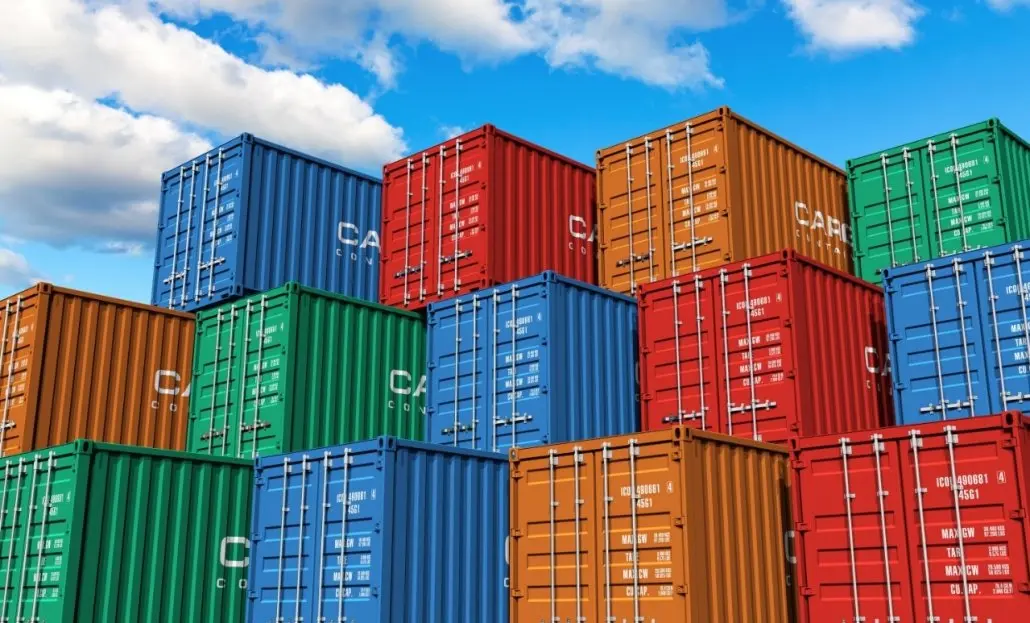
Container Pricing from China to North America: How to Estimate and Save
When planning your next shipment, understanding container pricing from China to North America is essential to keeping your logistics costs under control. Businesses across the United States, Canada, and Mexico rely on China’s vast manufacturing supply chain, but fluctuating freight rates can impact profitability. This guide from TJ China Freight explains what influences container pricing, compares major freight modes, and offers proven strategies to save money without compromising speed or reliability.
What Determines Container Pricing from China to North America?
Container shipping costs are not static; they vary depending on several factors. These include the freight mode, destination, container type, fuel surcharges, and seasonal demand.
| Factor | Description | Impact on Price |
|---|---|---|
| Freight Mode | Choice between sea freight and air freight | Major |
| Container Size | 20ft, 40ft, or 40ft HQ | Medium |
| Destination Port | West Coast (Los Angeles, Vancouver) vs. East Coast (New York, Toronto) | Medium |
| Peak Season | Before Chinese New Year or holidays | High |
| Customs & Handling | Includes customs brokerage and port fees | Moderate |
| Cargo Type | General, fragile, or hazardous goods | Medium |
| Insurance & Risk Coverage | Optional cargo insurance | Low–Medium |
Typical sea freight costs (2025 average) range between USD 2,000–3,000 (RMB 14,500–21,800) for a 40ft container to the U.S. West Coast, while air freight can range from USD 5.5–8.5 per kg (RMB 40–62 per kg) depending on destination and urgency.
Which Freight Mode Is Best for Your Shipment?
Selecting the right freight mode depends on your priorities: cost, time, and product type. Below is a comparison of sea and air freight when shipping containers from China to North America.

Freight Mode Comparison Table
| Mode | Average Transit Time | Cost (Approx.) | Best For | Pros | Cons |
|---|---|---|---|---|---|
| Sea Freight | 20–35 days | USD 2,000–3,000 (RMB 14,500–21,800) per 40ft | Bulk cargo, heavy goods | Cost-effective, eco-friendly, large volume | Longer transit time, potential port delays |
| Air Freight | 3–7 days | USD 5.5–8.5/kg (RMB 40–62/kg) | High-value, urgent shipments | Fast, reliable schedule | High cost, limited space |
For most importers, sea freight remains the preferred choice for container loads due to its cost efficiency. However, air freight can be advantageous for time-sensitive products such as electronics, fashion goods, or components needed in urgent production cycles.
How Container Sizes Affect Pricing
Container selection plays a direct role in determining total freight cost. Here’s a quick breakdown:
| Container Type | Dimensions (L×W×H) | Volume Capacity | Typical Cost Range (USD / RMB) |
|---|---|---|---|
| 20ft Standard | 5.9m × 2.35m × 2.39m | 33 m³ | USD 1,400–1,900 / RMB 10,100–13,700 |
| 40ft Standard | 12.03m × 2.35m × 2.39m | 67 m³ | USD 2,000–3,000 / RMB 14,500–21,800 |
| 40ft High Cube | 12.03m × 2.35m × 2.69m | 76 m³ | USD 2,200–3,300 / RMB 15,900–23,900 |
Larger containers typically offer better per-cubic-meter value, especially for full container load (FCL) shipments. If your goods occupy less than half a container, you can opt for less than container load (LCL) consolidation.
Understanding FCL vs. LCL Pricing
| Type | Definition | Pricing Method | Ideal For |
|---|---|---|---|
| FCL (Full Container Load) | One shipper’s cargo fills the entire container | Flat rate per container | Large-volume shipments |
| LCL (Less than Container Load) | Cargo consolidated with other shippers | Charged per cubic meter (CBM) | Small or medium shipments |
Choosing FCL eliminates the risk of cargo mixing and potential delays. LCL, on the other hand, offers flexibility for smaller shipments, though handling fees per CBM can increase total cost slightly.
How to Estimate Container Pricing Accurately
To calculate accurate container pricing from China, shippers should factor in not only freight rates but also origin and destination charges. These include export customs clearance, inland trucking, warehousing, and delivery fees.

Sample Sea Freight Cost Calculation (40ft FCL):
| Item | Cost (USD) | Cost (RMB) |
|---|---|---|
| Ocean Freight (Shanghai → Los Angeles) | 2,300 | 16,600 |
| Export Documentation & Handling | 100 | 720 |
| Customs Brokerage & Clearance | 150 | 1,100 |
| Inland Trucking (LA → Warehouse) | 350 | 2,500 |
| Total | 2,900 | 20,920 |
When combined with door to door delivery, you get a transparent end-to-end solution that minimizes hidden costs.
Factors That Influence Price Fluctuations
- Fuel Prices: Marine bunker fuel and jet fuel surcharges affect rates.
- Port Congestion: Peak congestion at Los Angeles or Vancouver can raise handling fees.
- Global Supply Chain Demand: Seasonal spikes before holidays.
- Container Availability: Shortages during high demand cycles.
- Customs Delays: Incomplete import service documentation can result in storage charges.
Shipping Routes from China to North America
China TO North America offers multiple major routes:
| Origin Port (China) | Destination Port (North America) | Transit Time (Sea) | Transit Time (Air) |
|---|---|---|---|
| Shanghai | Los Angeles | 18–22 days | 3–5 days |
| Shenzhen | Vancouver | 20–24 days | 3–6 days |
| Ningbo | Seattle | 21–26 days | 4–7 days |
| Qingdao | Houston | 28–32 days | 5–8 days |
Each route varies in cost depending on port congestion, carrier choice, and inland delivery distance.
How to Reduce Your Container Shipping Costs
- Book in Advance: Early booking helps avoid peak-season surcharges.
- Use Consolidation Services: Combine shipments for better volume pricing.
- Choose the Right Incoterms: FOB or CIF depending on who handles logistics.
- Partner with a Reliable Freight Forwarder: Companies like TJ China Freight offer rate negotiation advantages.
- Bundle Services: Combine amazon fba, express service, and cargo insurance for better efficiency.
Why Choose TJ China Freight?
TJ China Freight is a trusted partner for importers seeking efficient, cost-transparent, and tailored logistics solutions. The company provides multimodal options—sea freight, air freight, and specialized door to door services—covering every major trade lane from China to North America, Europe, and beyond.
With integrated warehousing, customs brokerage, and cargo insurance solutions, TJ China Freight ensures your shipment arrives safely, on time, and within budget.
Conclusion
Understanding container pricing from China to North America empowers importers to make informed decisions that optimize both cost and delivery performance. Whether you need full container loads via sea freight or time-sensitive deliveries through air freight, TJ China Freight offers transparent pricing, global coverage, and dependable service backed by years of industry experience.
Partner with TJ China Freight today for a free, no-obligation quote on your next shipment. Discover how competitive container pricing from China can elevate your supply chain performance while minimizing logistics risks.
FAQs(click to expand and view )
Transit time depends on the destination port. Typically, sea freight to Los Angeles takes about 18–22 days, while East Coast destinations such as New York can take 28–35 days. Air freight averages 3–7 days.
Sea freight is generally the most affordable. Choosing FCL and booking early can lower costs. Partnering with a forwarder who offers door-to-door and customs brokerage services can further reduce handling fees.
Air freight is charged based on the greater of actual weight or volumetric weight. The formula is (Length × Width × Height) ÷ 6,000 for kilograms. Rates vary by destination, season, and cargo type.
Yes. Freight forwarders provide cargo insurance to protect against loss or damage in transit. It’s recommended for all international shipments, especially for high-value items.
Essential documents include a commercial invoice, packing list, bill of lading or air waybill, and import licenses (if applicable). Working with a reliable customs brokerage partner ensures smooth clearance and avoids penalties.