

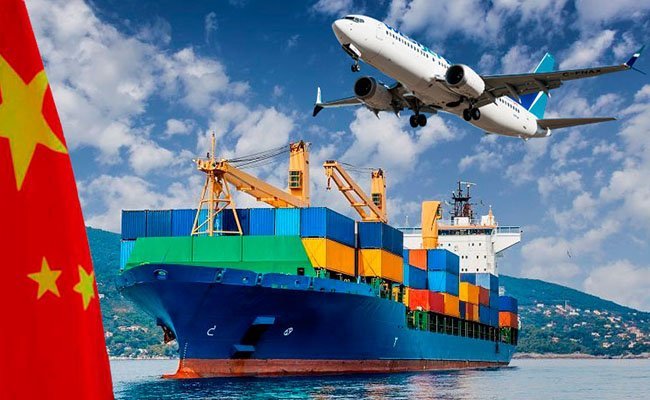
Why Is Shipping from China So Expensive Right Now? Understanding Rising Costs
Global supply chain disruptions, port congestion, and rising fuel prices have significantly impacted international trade. Many businesses are asking, why is shipping from China so expensive right now, and how can they optimize costs without delaying shipments? Partnering with a professional freight forwarder can help manage these challenges and provide cost-effective solutions.
What Factors Are Driving Up Shipping Costs from China?
Several elements contribute to the current surge in shipping rates:
- Port congestion and delays: Overcrowded ports increase wait times and storage fees.
- Rising fuel and bunker prices: Shipping carriers pass these costs onto customers.
- Container shortages: Limited container availability drives up rental and shipping costs.
- Increased demand for e-commerce shipments: Higher volume from Amazon and other platforms increases pressure on logistics.
- Customs and compliance fees: Changes in import/export regulations can increase total charges.
How Can Businesses Reduce Shipping Costs Despite High Prices?
- Book shipments early: Avoid last-minute surcharges during peak periods.
- Compare shipping methods: Evaluate air freight vs sea freight for cost-effectiveness.
- Consolidate shipments: Bulk shipments reduce per-unit costs.
- Work with a trusted freight forwarder: Experienced TJ China Freight agents provide accurate cost management and efficient delivery.
- Consider alternative routes: Different ports or combined transportation methods may reduce costs.
Comparison of Transportation Methods Amid Rising Costs

| Method | Average Cost | Delivery Time | Advantages | Disadvantages |
|---|---|---|---|---|
| Air Freight | $6–$10 per kg | 3–7 days | Fast, reliable, minimal inventory delays | High cost, especially for heavy shipments |
| Sea Freight | $55–$100 per CBM | 15–35 days | Cost-effective for bulk | Slower, port congestion may occur |
| Express Services | $8–$12 per kg | 2–5 days | Door-to-door, fast customs clearance | Expensive for large cargo |
Why Are Sea Freight Prices Particularly High Right Now?

Sea freight is heavily affected by global disruptions:
- Port congestion increases turnaround time and demurrage charges.
- Container shortages make it harder to secure timely shipping slots.
- Rising fuel costs add to carrier surcharges.
- High demand for consumer goods, especially during seasonal peaks, intensifies pricing pressure.
Despite being generally cheaper than air freight, sea freight has seen unprecedented price increases recently.
Air Freight Costs: Expensive But Fast
Air freight has become an alternative for urgent shipments. Current market dynamics include:
- Limited cargo space due to reduced passenger flights (which carry cargo in their bellies).
- Higher fuel costs and surcharges.
- Increased demand for e-commerce shipments, particularly Amazon FBA.
While air freight is more expensive per kilogram, it provides reliable delivery times and minimizes inventory shortages for sellers.
How Freight Forwarders Help Mitigate Rising Costs
A professional TJ China Freight agent provides several cost-saving benefits:
- Optimized route planning: Choosing less congested ports or airports.
- Integrated services: Combining warehousing, customs clearance agency services, and door-to-door delivery.
- Cargo consolidation: Reducing per-unit shipping costs.
- Risk management: Offering cargo insurance to protect against losses or damage.
By partnering with an experienced freight forwarder, businesses gain both efficiency and cost predictability.
What Documents Are Required for Shipping from China?
Proper documentation is critical to avoid customs delays and extra fees. Typical documents include:
| Document | Purpose |
|---|---|
| Commercial Invoice | Shows value, description, and quantity of goods |
| Packing List | Details items in each package |
| Bill of Lading | Proof of shipment and contract with carrier |
| Certificate of Origin | Confirms origin for customs |
| Export License | Required for certain regulated products |
A skilled freight forwarder ensures all paperwork is complete and compliant.
Tips to Minimize the Impact of High Shipping Costs
- Plan shipments in advance to secure space and lower rates.
- Consider hybrid logistics combining air and sea freight.
- Optimize packaging to reduce volume and weight.
- Monitor market trends for freight rates and adjust schedules accordingly.
- Leverage a reliable FBA freight forwarder China or logistics agent to manage all aspects of shipping.
Conclusion
The question, why is shipping from China so expensive right now, can be answered by understanding global supply chain challenges, fuel costs, container shortages, and demand surges. By collaborating with an experienced TJ China Freight team, businesses can navigate rising costs, utilize air freight or sea freight effectively, and leverage services like cargo insurance, warehousing, and door-to-door delivery for seamless operations.
To optimize your international shipments and minimize expenses despite the current shipping surge, contact TJ China Freight. Our team offers tailored solutions, complete documentation support, and comprehensive logistics services to keep your supply chain running smoothly.
FAQs(click to expand and view )
Shipping costs have surged due to port congestion, container shortages, rising fuel prices, and increased demand from e-commerce platforms. Global supply chain disruptions have compounded the issue, leading to higher rates for both air and sea freight.
Yes, air freight provides faster delivery than sea freight, usually within 3–7 days. Although it is more expensive, it is ideal for urgent shipments and ensures inventory availability, especially for Amazon FBA sellers.
Plan shipments early, consolidate cargo, choose the optimal shipping method, and collaborate with a professional TJ China Freight agent to manage customs clearance, logistics, and door-to-door delivery efficiently.
Yes. Regardless of rising costs, goods remain exposed to damage, theft, or loss. Using cargo insurance protects shipments and ensures sellers are compensated in case of incidents.
A freight forwarder optimizes routes, handles documentation, manages warehousing, consolidates shipments, and ensures compliance with import/export regulations. Their expertise helps reduce hidden fees and ensures predictable shipping expenses.