

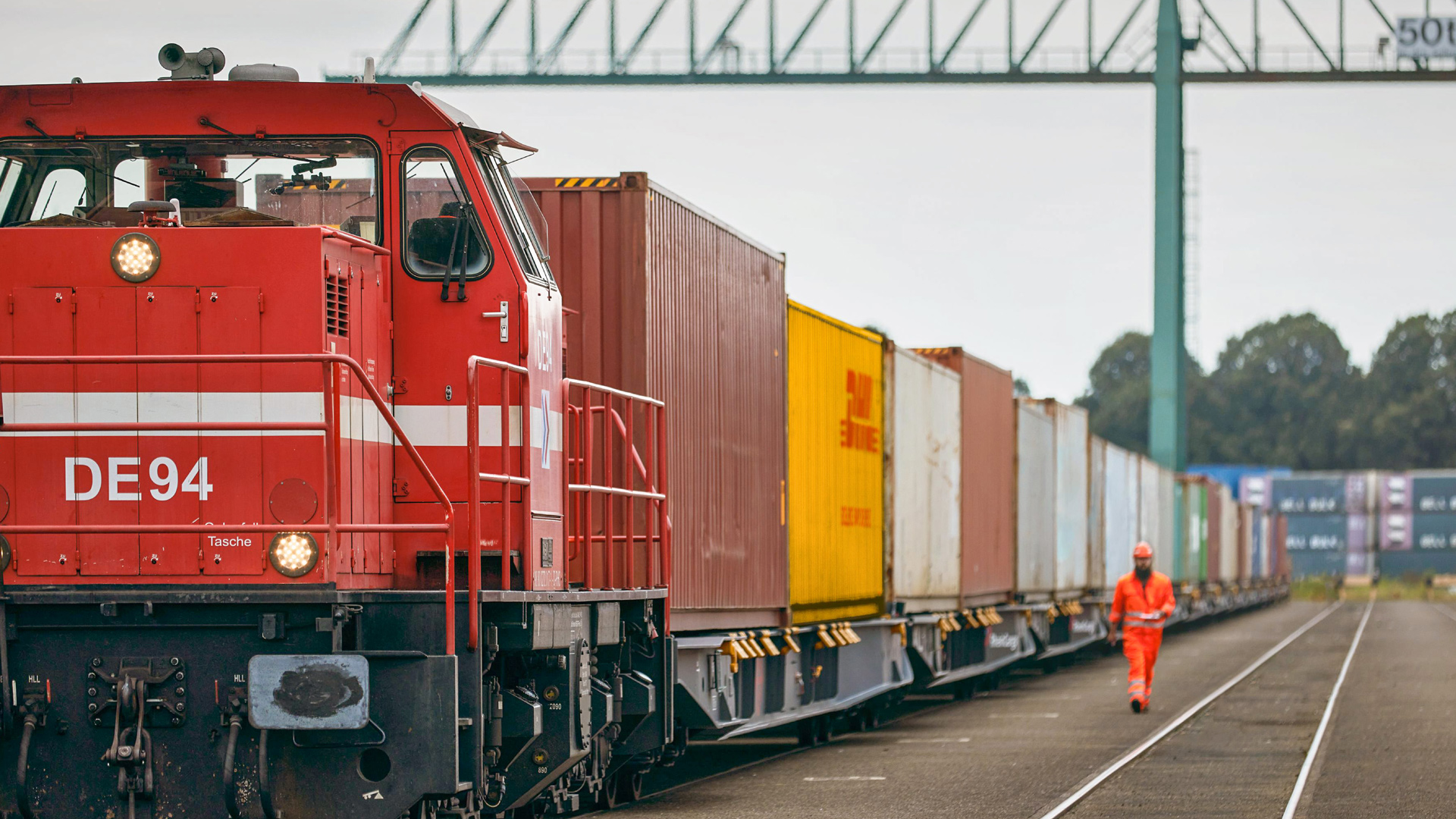
China Europe Freight Train Route: Complete Guide to Costs, Times, and Customs
For companies trading between Asia and Europe, the China Europe freight train route has become a vital link in global supply chains. It bridges the gap between the speed of air freight and the affordability of sea freight, offering a balanced solution for businesses that need faster delivery without excessive costs. With increasing demand for reliable transport between the two regions, importers and exporters must understand how this railway option compares, what it costs, and how customs procedures work.


Why Choose the China Europe Freight Train Route?
The rail freight service connecting China and Europe reduces delivery times by more than half compared to sea freight while costing significantly less than air freight. Businesses benefit from:
- Transit time of 15–20 days (vs. 35–45 days by sea)
- Direct links to over 20 European countries
- Stable supply chain unaffected by port congestion
- Lower carbon emissions compared to air
For companies relying on TJ China Freight as a logistics partner, the china europe freight train route adds flexibility to supply chain strategies, especially when balancing delivery schedules and inventory planning.
What Factors Affect Rail Freight Costs?
The pricing of the china europe freight train route depends on multiple variables:
| Factor | Impact on Cost |
|---|---|
| Container type (20ft vs 40ft) | Larger containers reduce cost per unit |
| Cargo weight and dimensions | Oversized/heavy goods may incur surcharges |
| Origin & destination hubs | Major cities like Chongqing to Hamburg are more efficient |
| Customs clearance | Delays or document errors increase cost |
| Value-added services | Cargo insurance and warehousing add to total charges |
How Much Does Rail Freight from China to Europe Cost?
Although costs fluctuate with fuel prices and demand, below is an estimated cost comparison:
| Container Type | Average Cost (USD) | Transit Time |
|---|---|---|
| 20ft FCL | $6,000 – $7,500 | 15 – 20 days |
| 40ft FCL | $10,000 – $12,500 | 15 – 20 days |
| LCL (per CBM) | $300 – $400 | 18 – 22 days |
How Long Does the China Europe Freight Train Route Take?
Transit times depend on border crossings and destination cities.
| Route | Origin Hub (China) | Destination Hub (Europe) | Estimated Transit Time |
|---|---|---|---|
| Chongqing → Duisburg | Chongqing | Germany (Duisburg) | 15–18 days |
| Wuhan → Hamburg | Wuhan | Germany (Hamburg) | 16–20 days |
| Zhengzhou → Warsaw | Zhengzhou | Poland (Warsaw) | 15–19 days |
| Xi’an → Madrid | Xi’an | Spain (Madrid) | 18–22 days |
FCL vs LCL Rail Freight: Which to Choose?
When using the china europe freight train route, businesses can opt for FCL (full container load) or LCL (less than container load).
| Aspect | FCL | LCL |
|---|---|---|
| Cost efficiency | Better for large shipments | Ideal for small-volume cargo |
| Delivery time | Faster, fewer handling steps | Slightly slower due to consolidation |
| Security | Lower risk of damage | Higher risk from cargo sharing |
| Customs clearance | Simplified for one shipper | Complex due to multiple consignments |
What Customs Documents Are Required for Rail Freight?

To ship goods via the china europe freight train route, businesses need:
| Document | Purpose |
|---|---|
| Commercial Invoice | Declares cargo value and buyer/seller details |
| Packing List | Provides detailed cargo breakdown |
| Railway Bill of Lading (B/L) | Contract for rail transport |
| Customs Declaration | Required at both departure and arrival countries |
| Certificates (if needed) | Health, safety, or product-specific compliance |
| Insurance Certificate | Proof of cargo insurance |
With customs clearance agency services, TJ China Freight helps clients minimize paperwork issues and delays.
How Does Rail Freight Compare with Air and Sea Freight?
| Aspect | Rail Freight (China–Europe) | Sea Freight | Air Freight |
|---|---|---|---|
| Cost | Moderate | Cheapest per unit | Most expensive |
| Transit time | 15–22 days | 35–45 days | 3–7 days |
| Cargo capacity | Large & heavy | Very large (bulk shipping) | Limited by weight/size |
| Environmental impact | Medium emissions | Lowest emissions per ton | Highest emissions |
| Best for | Medium-priority, stable cargo | Bulk, non-urgent goods | Urgent, high-value goods |
How to Save Money on Rail Freight?
Importers and exporters can optimize costs along the china europe freight train route by:
- Booking shipments during non-peak months.
- Consolidating cargo to reach FCL levels.
- Using warehousing services for flexible storage.
- Working with experienced forwarders who coordinate door-to-door logistics.
- Choosing destination hubs with efficient customs clearance (like Duisburg or Warsaw).
What Role Does Insurance Play in Rail Freight?
Rail shipments travel across multiple countries, increasing risk of theft or damage. Cargo insurance is critical to protect high-value goods and ensures importers can claim compensation if incidents occur.
The Future of the China Europe Freight Train Route
Logistics experts predict strong growth in rail freight, driven by:
- Rising e-commerce demand across Europe and Asia.
- Sustainability goals pushing companies to choose lower-carbon options.
- Digitalized customs clearance improving speed and transparency.
- Greater reliance on providers like TJ China Freight, who combine express services, import services, and warehousing to create flexible supply chains.
Conclusion
The china europe freight train route offers the perfect middle ground between affordability and speed, making it essential for businesses that want efficient international trade. With reliable schedules, faster transit than sea freight, and lower costs than air freight, it is an increasingly popular choice for companies importing and exporting across continents.
By partnering with TJ China Freight, shippers benefit from professional solutions covering rail freight, customs clearance agency services, cargo insurance, warehousing, and door-to-door delivery—ensuring every shipment arrives safely and on time.
FAQs(click to expand and view)
Costs vary between $6,000–$12,500 per container, depending on container size, destination, and season. LCL options are available for smaller shipments.
The rail network links to Germany, Poland, Spain, France, the Netherlands, and more, reaching over 20 countries in total.
Typically, 2–4 days if documents are correct. With customs clearance agency services, delays can be minimized.
Yes. Rail transport emits far less CO₂ than air, making it a greener logistics choice while maintaining faster times than ocean shipping.
Yes. With the right freight forwarder, services like door-to-door delivery and final-mile trucking in Europe are available.