

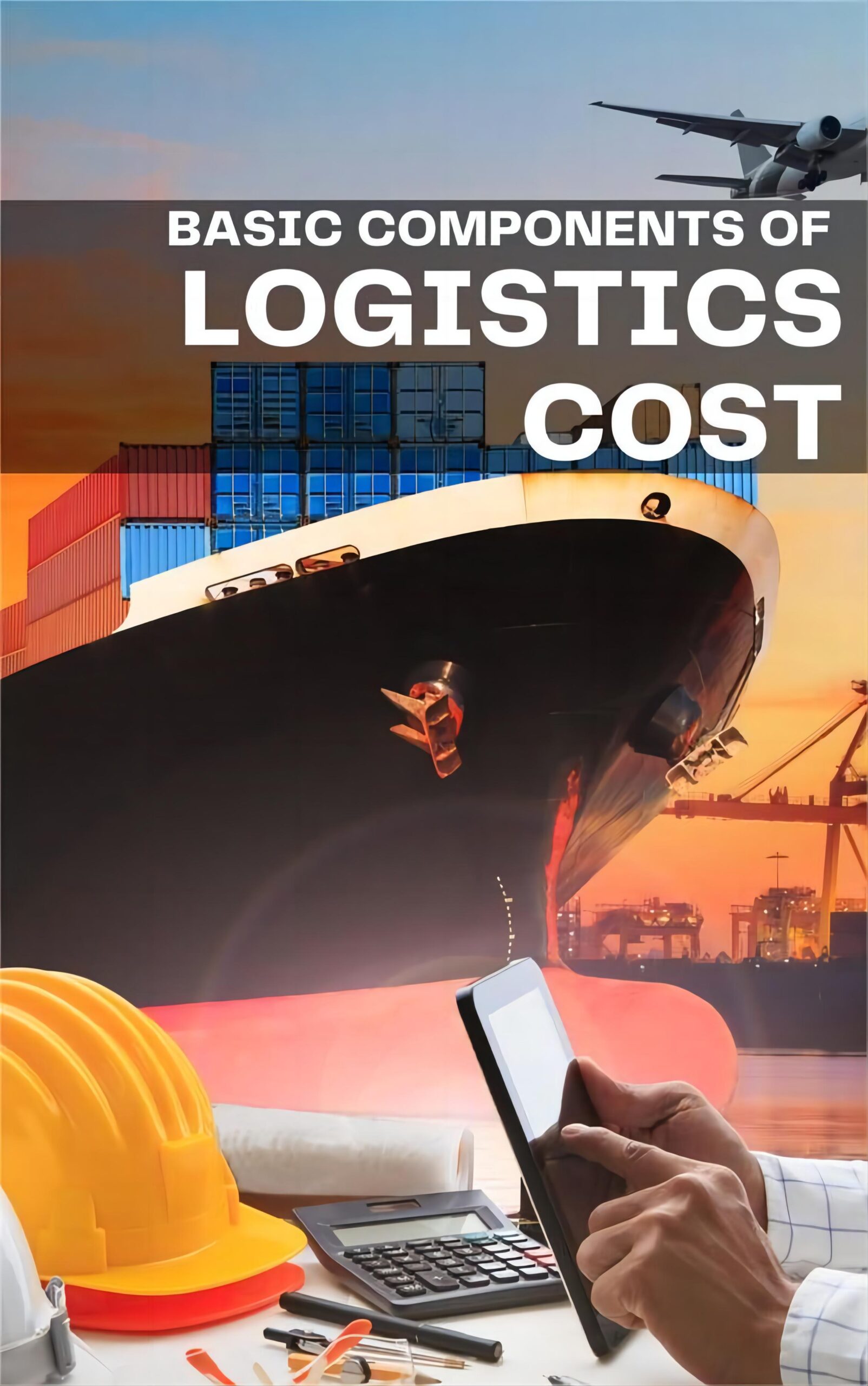
Space Availability for FCL Shipping from China to France: 2025 Logistics Guide
Securing consistent space availability for FCL shipping from China to France remains a top priority for European importers navigating the complex global supply chain. Many businesses struggle with seasonal fluctuations and sudden carrier capacity shifts that disrupt their delivery schedules. By partnering with TJ China Freight, you can access reliable container allocations and expert logistics advice tailored to the French market. This guide explores the current market dynamics, pricing trends, and strategic planning required to maintain a seamless flow of goods from Chinese manufacturing hubs to French ports.

Understanding Space Availability for FCL Shipping from China to France
Space availability refers to the empty slots on a vessel that carriers allocate to specific routes and freight forwarders. Consequently, when demand for French imports spikes, these slots become highly competitive and expensive. Importers must understand that sea freight capacity is not infinite and depends heavily on global trade cycles.
Moreover, the relationship between Chinese exporters and French buyers often dictates the urgency of securing these container spots. Therefore, booking several weeks in advance is becoming the industry standard to avoid rolled cargo and delayed shipments. Indeed, proactive planning is the most effective way to mitigate the risks of limited vessel space.

How Does FCL Compare to Other Shipping Options?
Choosing between Full Container Load and other methods requires a deep analysis of your specific cargo volume and budget constraints. While FCL offers the best security and price per unit for large volumes, rail freight serves as a faster alternative for landlocked regions. Furthermore, air freight remains the go-to for urgent, high-value goods despite its significantly higher cost.
Additionally, comparing these options helps businesses balance speed against expenditure. For example, a 40HQ container might be the most economical for furniture, but electronics might benefit from the speed of hybrid solutions. Consequently, understanding the trade-offs is essential for optimizing your French supply chain.
| Shipping Method | Cost Range (USD) | Transit Time | Best For |
|---|---|---|---|
| FCL Sea Freight | $2,800 – $4,500 | 30-40 Days | Bulk goods and large inventory |
| LCL Sea Freight | $50 – $120 per CBM | 35-45 Days | Small shipments under 15 CBM |
| Rail Freight | $4,000 – $6,000 | 18-24 Days | Mid-range urgency and budget |
| Air Freight | $5 – $10 per kg | 5-8 Days | High-value or urgent cargo |

Which Option Should You Choose for Your Business?
Decision making in logistics depends on your primary business goals, whether that is cost reduction or market speed. If your priority is the lowest possible landed cost, then securing space availability for FCL shipping from China to France via sea is your best bet. On the other hand, if you are facing a stock-out situation, the higher price of rail or air becomes justifiable.
Cargo type also plays a massive role in this selection process. For instance, hazardous materials or heavy machinery are almost exclusively suited for FCL sea containers due to safety regulations and weight limits. Meanwhile, smaller parcels or samples are handled more efficiently through express service providers.
Key Factors Influencing Container Capacity in 2025
Several external factors influence how much space is available on vessels departing from major Chinese ports like Shanghai or Ningbo. Economic shifts in the European Union directly impact the volume of orders, which in turn affects carrier vessel deployments. Furthermore, geopolitical events can lead to route diversions, significantly reducing the effective capacity available for the France-bound trade lane.
Seasonal peaks, such as the period before the Lunar New Year or the Christmas rush, create massive bottlenecks in the system. As a result, freight rates typically climb by 20% to 30% during these windows. Nevertheless, working with an experienced customs brokerage partner ensures that your documentation is ready, preventing further delays once space is finally secured.
Realistic Case Studies: China to France FCL Shipments
Case Study 1: Electronics from Ningbo to Le Havre. A French retailer imported 2500 units of consumer electronics using a 40HQ container. The shipment was booked in Q3 2024 with a total ocean freight cost of $3,950. Despite minor port congestion in Ningbo, the cargo arrived in Le Havre within 34 days, allowing the client to meet their Black Friday sales targets.
Case Study 2: Home Furniture from Shenzhen to Marseille. This shipment involved a 20GP container loaded with high-end wooden furniture. The total landed cost, including origin and destination charges, was approximately $3,100. Because the client used a door to door service, the transit time of 31 days included seamless final delivery to a warehouse in Lyon.
Note: Freight rates are subject to change based on fuel costs, carrier capacity, and seasonal demand. Contact us for a current quote tailored to your specific shipment.
Major Ports and Transit Times for French Imports
France boasts several world-class ports that handle FCL cargo from Asia, with Le Havre and Marseille being the primary gateways. Le Havre serves the northern regions and Paris, while Marseille is the strategic entry point for southern France and Mediterranean trade. Consequently, your choice of discharge port will significantly influence your inland haulage costs and overall transit time.
Transit times vary depending on whether the vessel takes a direct route or involves transshipment in hubs like Singapore or Algeciras. Direct services are faster but often command a premium price. In contrast, transshipment routes might save you money but add 5 to 10 days to the total journey. Therefore, you must weigh the importance of time versus cost for every individual shipment.
| Port of Loading | Port of Discharge | Average Transit (Direct) | Average Transit (Transshipment) |
|---|---|---|---|
| Shanghai | Le Havre | 32 Days | 40 Days |
| Shenzhen | Marseille | 28 Days | 35 Days |
| Ningbo | Fos-sur-Mer | 30 Days | 38 Days |
| Qingdao | Le Havre | 35 Days | 44 Days |

Strategies to Guarantee Space During Peak Seasons
Securing space during the Golden Week or the pre-CNY rush requires more than just a standard booking. One effective strategy is to utilize ‘Premium Space’ options offered by some carriers, which guarantee loading even when the vessel is overbooked. Additionally, diversifying your port of loading can sometimes reveal hidden capacity that your competitors are overlooking.
Furthermore, maintaining a consistent shipping volume throughout the year helps build a stronger profile with carriers. Carriers are more likely to honor allocations for loyal shippers during times of scarcity. Indeed, avoiding the ‘spot market’ during peak periods can save your business thousands of dollars in unexpected surcharges and premiums.
Understanding the Costs of FCL Shipping to France
FCL pricing is composed of several layers, including the base ocean freight, bunker adjustment factors, and terminal handling charges. For a 40HQ container from China to France, you should expect to pay between $3,000 and $4,500 depending on the current market environment. Moreover, destination charges in France, such as port dues and VAT, must be factored into your total landed cost calculation.
Currency fluctuations between the USD and the EUR also impact the final price paid by French importers. Consequently, some businesses choose to hedge their freight costs by signing long-term contracts with fixed rates. However, this strategy requires a high level of volume predictability. Without a doubt, staying informed about market trends is the best way to manage your logistics budget effectively.
Final Thoughts on Securing FCL Space to France
Navigating the challenges of space availability for FCL shipping from China to France is a continuous process that demands flexibility and foresight. By understanding the factors that drive capacity and utilizing various shipping modes, you can protect your supply chain from volatility. Remember that the cheapest rate is not always the best if it results in rolled cargo or missed deadlines.
Ultimately, success in the China-France trade lane comes down to early booking and choosing the right logistics partner. Whether you are shipping electronics, textiles, or industrial machinery, having a clear strategy for FCL space will ensure your business remains competitive in the French market. Focus on building resilient logistics processes today to reap the rewards of a stable supply chain tomorrow.
Ready to streamline your logistics?
Managing space availability for FCL shipping from China to France requires a partner who understands the nuances of the maritime industry. Our team at TJ China Freight provides the expertise and carrier relationships needed to keep your cargo moving regardless of market conditions. Contact us today to receive a customized quote and secure your container space for the upcoming season. Visit our inquiry page to get started: See: https://bestchinafreight.com/contact-us/
Request Quote