

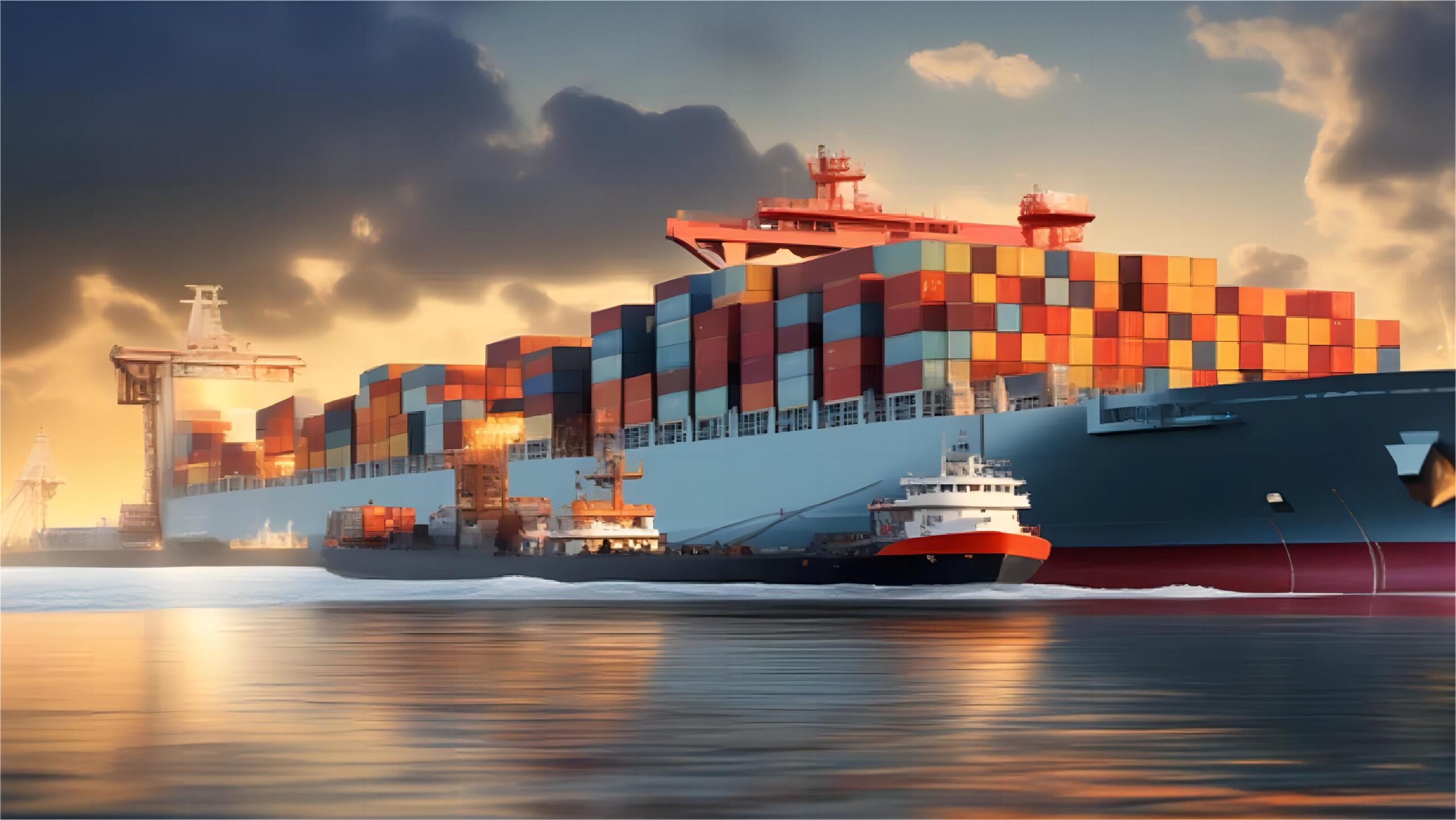
FCL Shipping for Electronics from China to Los Angeles: A Complete Guide
Managing high-value electronic shipments requires a logistics partner that understands the nuances of the trans-Pacific route. TJ China Freight offers specialized expertise in handling delicate cargo while ensuring timely delivery to California hubs. FCL shipping for electronics from China to Los Angeles remains the most cost-effective and secure method for bulk inventory distribution. Specifically, using a full container load minimizes handling risks and provides a dedicated space for sensitive components. Consequently, businesses can maintain a stable electronic goods supply chain while reducing the likelihood of transit damage.
Why Choose FCL Shipping for Electronics from China to Los Angeles?
FCL shipping for electronics from China to Los Angeles provides unparalleled security for high-value items. When you book a full container, your goods do not share space with other shippers cargo. Therefore, the risk of theft or accidental damage during consolidation is virtually eliminated. This is especially important for delicate items like smartphones, laptops, and circuit boards.
Additionally, full container load logistics offer better control over the delivery schedule. Because the container goes directly from the factory to the port, there are fewer delays in the origin country. Moreover, the direct route to the Port of Los Angeles ensures that your inventory reaches the US market as quickly as possible. Most major electronics brands prefer this method for its reliability and efficiency.
Choosing FCL also simplifies the loading and unloading process. Workers can optimize the internal space using specialized pallets and protective padding. Consequently, the cargo remains stable even during rough sea conditions. Furthermore, the sealing of the container at the factory provides an extra layer of security that LCL shipping cannot match.
Security Benefits for Sensitive Cargo
Sensitive electronic components often require climate-controlled environments or specific handling protocols. FCL allows importers to request specific container types, such as reefers or insulated containers, if necessary. Indeed, maintaining a consistent temperature can prevent moisture damage to high-end motherboards and sensors.
Furthermore, the use of GPS tracking on individual containers has become a standard industry practice. This technology allows you to monitor your shipment in real-time across the Pacific. As a result, you can provide accurate updates to your customers and stakeholders regarding arrival times.

Understanding Container Shipping Rates for Electronics
Determining the container shipping rates for electronics involves looking at several variables, including fuel surcharges and seasonal demand. Generally, rates fluctuate based on the volume of trade between China and the United States. During the peak season from August to October, prices typically rise by 15-25 percent due to holiday inventory preparation.
Specifically, the cost of a 40HQ container is often more economical per cubic meter than a 20GP container. If your volume exceeds 30 CBM, upgrading to a larger container usually saves money in the long run. Additionally, choosing sea freight for your bulk electronics helps you avoid the exorbitant costs associated with air transport.
Market data suggests that freight rates for 40HQ containers from Shenzhen to Los Angeles currently range between 2,800 and 3,800 USD. However, these prices do not include destination charges or customs duties. Therefore, you must calculate the total landed cost to understand your true profit margins. Note: Freight rates are subject to change based on fuel costs, carrier capacity, and seasonal demand. Contact us for a current quote tailored to your specific shipment.
| Container Type | Capacity (CBM) | Avg. Cost Range (USD) | Best For |
|---|---|---|---|
| 20GP Container | 28-33 CBM | $1,500 – $2,200 | Heavy or small volume |
| 40GP Container | 58-67 CBM | $2,500 – $3,500 | Standard bulk orders |
| 40HQ Container | 68-76 CBM | $2,800 – $3,800 | Lightweight electronics |
How Does FCL Shipping for Electronics Compare to Other Shipping Options?
Comparing different transport methods is essential for optimizing your electronic goods supply chain. While FCL is the gold standard for volume, some businesses might consider LCL or air freight for smaller or more urgent batches. However, each method has distinct trade-offs regarding speed, cost, and safety.
Specifically, air freight offers the fastest transit times but comes at a significantly higher price point. For instance, shipping a metric ton of electronics via air can cost five times more than ocean freight. In contrast, LCL shipping might save money on small volumes, but it increases the risk of damage during the multiple handling stages at the warehouse.
Moreover, the Port of Los Angeles congestion can occasionally impact ocean transit times. During such periods, some importers utilize sea-air hybrid solutions to bypass port bottlenecks. Nevertheless, FCL remains the most balanced option for most consumer electronics importers due to its capacity and cost-efficiency.
| Shipping Method | Cost Range | Transit Time | Best For |
|---|---|---|---|
| FCL (Ocean) | $2,800 – $3,800 | 14 – 18 Days | Bulk Electronics |
| LCL (Ocean) | $50 – $80 / CBM | 18 – 22 Days | Small Inventories |
| Air Freight | $5 – $8 / kg | 3 – 5 Days | Urgent Samples |
| Express | $8 – $12 / kg | 2 – 4 Days | Prototype Parts |

Key Documentation and Customs Clearance for Consumer Electronics
Navigating the customs clearance for consumer electronics requires meticulous attention to detail and accurate paperwork. The US Customs and Border Protection (CBP) strictly enforces regulations regarding electronic components and intellectual property. Consequently, any errors in your commercial invoice or packing list can lead to expensive delays and fines.
Specifically, you must ensure that all products comply with FCC standards and have the necessary certifications. Furthermore, hiring a professional customs brokerage service can streamline the process significantly. They will help you classify your goods under the correct Harmonized System (HS) codes to ensure you pay the proper duty rates.
Additionally, importers must provide a Lacey Act declaration if the products contain certain plant-based materials like wood. Indeed, failing to submit the correct documentation is one of the leading causes of port delays in Los Angeles. Therefore, verifying your paperwork before the container leaves the port in China is a critical step for success.
Essential Documents Checklist
Every shipment must include a Bill of Lading, a Commercial Invoice, and a Packing List. Moreover, electronics often require a Certificate of Origin to determine eligibility for trade programs. For instance, products manufactured in certain regions may be subject to additional tariffs under Section 301.
Furthermore, ensure that your marine insurance for high-value cargo is clearly documented. This protects your investment in case of maritime accidents or natural disasters. Clearly, having a complete document set prevents the CBP from flagging your container for intensive examination.
Managing Lithium Battery Shipping Regulations
Shipping electronics often involves handling lithium-ion batteries, which are classified as dangerous goods. Therefore, you must strictly adhere to the lithium battery shipping regulations set by international maritime organizations. Specifically, batteries must be properly tested, packaged, and labeled to prevent short circuits and thermal runaway during transit.
Moreover, the packaging must be strong enough to withstand the pressures of ocean transport. Carriers often require a Material Safety Data Sheet (MSDS) and a UN38.3 test report before accepting the cargo. Consequently, working with an experienced freight forwarder ensures that your shipment remains compliant with all safety standards.
Additionally, certain types of batteries might have restrictions on the state of charge (SoC) during transport. For example, many carriers recommend a charge level below 30 percent for safety. Furthermore, specialized labeling on the outside of the container alerts port workers to the presence of hazardous materials, ensuring careful handling.
Real-World Case Studies: China to Los Angeles Electronics Shipments
Examining real-world scenarios helps importers understand the practical challenges of FCL shipping for electronics from China to Los Angeles. These cases highlight the importance of planning and choosing the right logistics strategy. Specifically, these examples reflect market conditions as of late 2024 and early 2025.
+———————————————————+ | Case Study 1: High-Volume Smartphone Distribution | | Route: Shenzhen, China to Los Angeles, USA | | Cargo: Smartphones and Tablets, 68 CBM, 12,500 kg | | Container: 40HQ | | Shipping Details: | | – Carrier: COSCO Shipping | | – Port of Loading: Shenzhen (Yantian) | | – Port of Discharge: Los Angeles (WBCT) | | – Route Type: Direct | | Cost Breakdown: | | – Ocean Freight: $3,200 | | – Origin Charges: $450 | | – Destination Charges: $600 | | – Customs and Duties: $12,500 (Estimated) | | Timeline: | | – Booking to Loading: 4 days | | – Sea Transit: 15 days | | – Customs Clearance: 2 days | | – Total Door-to-Door: 21 days | | Key Insight: Direct routing saved 5 days compared to | | transshipment options, ensuring the product launch met | | the scheduled date. | +———————————————————+
+———————————————————+ | Case Study 2: Seasonal Laptop Accessory Restock | | Route: Ningbo, China to Los Angeles, USA | | Cargo: Laptop Sleeves and Chargers, 28 CBM, 4,800 kg | | Container: 20GP | | Shipping Details: | | – Carrier: Maersk Line | | – Port of Loading: Ningbo-Zhoushan | | – Port of Discharge: Los Angeles (TraPac) | | – Route Type: Direct | | Cost Breakdown: | | – Ocean Freight: $1,850 | | – Origin Charges: $380 | | – Destination Charges: $520 | | – Customs and Duties: $2,100 (Estimated) | | Timeline: | | – Booking to Loading: 3 days | | – Sea Transit: 17 days | | – Customs Clearance: 3 days | | – Total Door-to-Door: 23 days | | Key Insight: Using FCL for a smaller 20GP container | | proved cheaper than LCL due to the high volume of | | accessories, which would have incurred high CBM fees. | +———————————————————+

Strategic Tips to Reduce Your Shipping Costs
Reducing your freight expenses requires a proactive approach to logistics management. One effective strategy is to book your container space at least 3-4 weeks in advance. Consequently, you can secure lower rates before the carrier capacity tightens. Moreover, consolidating multiple small orders into one FCL shipment significantly lowers the per-unit cost.
Additionally, consider using a door-to-door service to simplify the entire supply chain. This approach often includes all trucking and port fees in a single quote, preventing unexpected surcharges. Furthermore, optimizing your packaging to maximize container utilization ensures you are not paying for empty space.
Specifically, palletizing your goods efficiently can lead to better cargo stability and faster unloading. You should also evaluate the benefits of different Los Angeles terminals. For instance, some terminals have faster gate-out times, which reduces drayage costs. Indeed, small adjustments in your logistics plan can lead to substantial annual savings.
Which Option Should You Choose for Your Electronics Cargo?
Deciding between FCL and other methods depends on your specific business needs and cargo volume. If you are importing more than 15 CBM of goods, FCL is almost always the better choice. However, for smaller test batches or urgent prototypes, air freight might be necessary to meet tight deadlines.
Specifically, if your priority is budget, stick with sea freight and plan for the 14-18 day transit time. On the other hand, if you are selling on platforms like Amazon, using Amazon FBA shipping services can help manage the final delivery to fulfillment centers. This ensures your products are ready for Prime customers immediately upon arrival.
Moreover, the type of electronics you ship matters. High-value items like premium headphones or cameras benefit from the added security of FCL. Conversely, low-margin accessories might be more sensitive to shipping costs, making volume optimization critical. Ultimately, a balanced approach that considers both speed and cost will yield the best results for your business.
Mastering Your Electronics Logistics
FCL shipping for electronics from China to Los Angeles is a vital component of a successful import business. By understanding the container shipping rates for electronics and the associated customs requirements, you can build a more resilient supply chain. Furthermore, prioritizing safety and documentation will prevent costly delays at the Port of Los Angeles.
In summary, the combination of security, cost-efficiency, and predictable transit times makes FCL the preferred choice for bulk electronics. Whether you are shipping smartphones or industrial components, choosing the right logistics partner is essential. Start planning your next shipment today to take advantage of current market rates and ensure your inventory stays ahead of the competition.
Ready to streamline your logistics?
Ready to optimize your electronics supply chain? Contact TJ China Freight today for a customized quote on FCL shipping for electronics from China to Los Angeles. Our team of experts is standing by to help you navigate customs, manage lithium battery regulations, and ensure your cargo arrives safely and on time. Visit our website to request your free freight analysis now.
Request Quote