

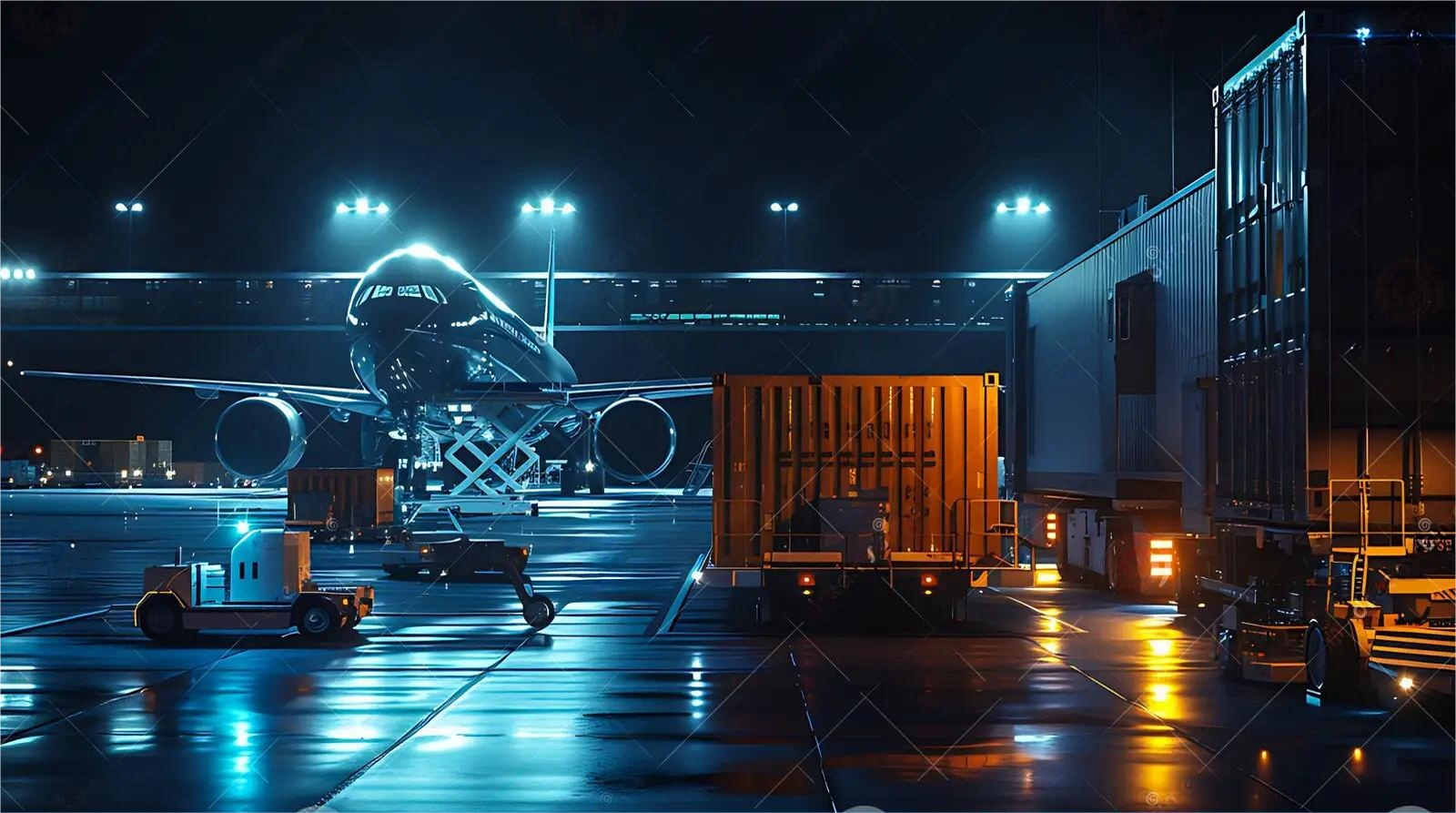
20GP FCL Container Shortage Solution for Lighting from China to Belgium
Shipping lighting products from manufacturing hubs to European markets often presents complex logistical hurdles. Currently, many importers are struggling with a 20GP FCL container shortage solution for lighting from China to Belgium as global demand for LED and decorative fixtures surges. Consequently, finding a reliable partner like TJ China Freight becomes essential for maintaining a healthy supply chain. This guide explores how to navigate equipment scarcity while ensuring your cargo reaches Antwerp or Zeebrugge on time.

What Causes the 20GP FCL Container Shortage for Lighting Exports?
Several factors contribute to the current equipment imbalances seen in major Chinese ports like Ningbo and Shanghai. First, the rapid growth of the e-commerce sector has increased the demand for smaller 20GP units which are easier to manage for mid-sized retailers in Europe. Moreover, global trade disruptions have led to containers being stuck in destination ports longer than anticipated.

Furthermore, the lighting industry specifically requires these smaller containers to avoid damage from over-stacking heavy fixtures in larger 40HQ units. Therefore, when 20GP availability drops, lighting exporters face immediate delays. Additionally, seasonal peaks such as the pre-holiday rush exacerbate the scarcity, driving up freight rates and forcing shippers to look for alternative strategies.
Meanwhile, port congestion in Southeast Asia and the Middle East has slowed the return of empty equipment to China. Indeed, this cycle of delay creates a bottleneck that affects the delivery schedule for critical infrastructure and residential lighting projects in Belgium. Consequently, businesses must plan their inventory months in advance to mitigate these logistics trends.
How to Secure Equipment for Your Lighting Shipments?
Securing a container requires a proactive approach and a deep understanding of carrier allocations. For instance, booking your sea freight at least 3 to 4 weeks in advance significantly improves your chances of obtaining a 20GP unit. Furthermore, being flexible with your departure port can open up more equipment options that might be unavailable at the busiest terminals.
Additionally, maintaining a strong relationship with your freight forwarder allows you to access ‘premium’ equipment tiers that carriers often reserve for high-volume partners. Without a doubt, the right 20GP FCL container shortage solution for lighting from China to Belgium often involves utilizing multiple carriers rather than relying on a single line. This diversification ensures that if one carrier lacks equipment, another might have a surplus.
Moreover, consider using ‘shipper-owned containers’ (SOC) if the shortage becomes critical. Although this requires a higher upfront investment, it guarantees equipment availability and can reduce long-term demurrage costs. In contrast, relying solely on carrier-owned containers (COC) leaves you at the mercy of the current market supply.
How Does 20GP FCL Compare to Other Shipping Options?
While 20GP containers are ideal for many, they are not the only way to move lighting cargo. For example, if you cannot find a 20GP unit, switching to a 40GP or 40HQ might be necessary, even if you do not fill the entire space. While this increases the ocean freight cost, it prevents the even higher cost of a total production shutdown.
On the other hand, air freight offers the fastest transit time for urgent lighting components or high-value designer lamps. However, the price per kilogram is significantly higher than sea transport. Therefore, air transport is usually reserved for samples or emergency stock replenishment rather than bulk shipments.
Additionally, rail transport has emerged as a viable middle ground. It offers faster speeds than sea and lower costs than air. To summarize, the best choice depends on your budget, volume, and how quickly you need the goods to arrive at your Belgian warehouse.
| Shipping Method | Cost Range | Transit Time | Best For |
|---|---|---|---|
| 20GP FCL Sea | $1,800 – $2,500 | 30 – 40 Days | Standard bulk lighting |
| 40HQ FCL Sea | $3,000 – $4,200 | 30 – 40 Days | High volume LED orders |
| LCL Sea Freight | $50 – $120 / CBM | 35 – 45 Days | Small lighting batches |
| Rail Freight | $2,500 – $3,800 | 18 – 25 Days | Time-sensitive projects |
Which Option Should You Choose for Your Lighting Cargo?
Choosing the right method requires evaluating your specific business needs and the current market state. If your priority is budget and you have a flexible timeline, sea freight remains the gold standard. However, if you are facing a strict project deadline in Brussels, rail freight might be the more reliable 20GP FCL container shortage solution for lighting from China to Belgium.
For shipments under 15 CBM, LCL (Less than Container Load) is often more economical than a full container. Nevertheless, LCL involves more cargo handling, which increases the risk of damage to fragile lighting fixtures. Consequently, you must ensure superior packaging and crating if you choose the LCL route.
Furthermore, consider hybrid solutions like sea-air. This involves shipping by sea to a hub like Dubai and then flying the goods to Europe. This strategy can save 10-15 days compared to a full sea voyage while keeping costs lower than a direct flight from China.
Real Case Studies: Overcoming Logistics Challenges
Case Study 1: Managing LED Panel Exports. Route: Shenzhen to Antwerp. Cargo: 1,200 LED panels, 28 CBM. Method: 40HQ Sea Freight (substituted for two 20GP due to shortage). Cost: $3,600. Transit: 32 days. Insight: By consolidating two planned 20GP shipments into one 40HQ, the client avoided a 2-week equipment delay and saved $400 in total freight costs.
Case Study 2: Urgent Industrial Lighting. Route: Ningbo to Zeebrugge. Cargo: High-bay warehouse lights, 8 CBM. Method: LCL Sea Freight. Cost: $950. Transit: 38 days. Insight: Due to a 20GP shortage, the client opted for LCL. Professional crating ensured zero breakage despite the extra handling involved in the LCL process.
Case Study 3: Peak Season Rail Success. Route: Xi’an to Liege. Cargo: Decorative outdoor lighting, 22 CBM. Method: Rail Freight. Cost: $3,200. Transit: 22 days. Insight: To meet a Christmas market deadline when sea equipment was unavailable, the client used rail. This saved 15 days of transit time compared to the Cape of Good Hope sea route.
Strategies to Mitigate the Impact of Container Shortages
One effective strategy is to optimize your packaging to fit more items into a single container. For instance, using flat-pack designs for lamp shades can significantly increase the number of units per CBM. Additionally, coordinating with your supplier to use standardized pallet sizes helps in maximizing every inch of the 20GP space.
Moreover, consider ‘triangulation’ or container reuse. This involves taking a container that has just been emptied of imports in China and immediately reloading it for your export. Indeed, this requires tight coordination between the drayage company and the carrier but can bypass the empty equipment depot wait times.
Furthermore, implementing a ‘buffer stock’ strategy in your Belgian warehouse can reduce the pressure of short-term equipment shortages. By keeping 20-30% more inventory on hand, you can afford to wait for the next available container without risking out-of-stock scenarios for your customers.

The Role of Customs Brokerage in Expediting Lighting Imports
Navigating the complex regulations of the European Union requires expert knowledge. Therefore, employing a professional customs brokerage service is vital. They ensure that all lighting products meet CE certification and RoHS standards, preventing costly delays at the Belgian border.
Additionally, accurate HS code classification is critical for determining the correct import duties. For example, LED lamps may have different tariff rates than traditional incandescent bulbs. Consequently, a small error in documentation can lead to a customs hold, further delaying your shipment during an already difficult container shortage.
Meanwhile, your broker can help you navigate the VAT deferment system in Belgium. This allows you to improve cash flow by delaying the payment of import VAT until your periodic tax return. Without a doubt, these financial efficiencies are just as important as the physical movement of the goods.
| Document Name | Purpose | Required By | Source |
|---|---|---|---|
| Commercial Invoice | Valuation of goods | Customs | Supplier |
| Packing List | Inventory details | Port Authority | Supplier |
| Bill of Lading | Title of goods | Carrier | Freight Forwarder |
| CE Certificate | Safety compliance | EU Regulators | Manufacturer |
Transit Times and Cost Expectations for China to Belgium Routes
Understanding the delivery schedule is paramount for planning your marketing campaigns. Typically, sea freight from China to Belgium takes between 30 and 45 days. However, port congestion or transshipment via Singapore can extend this period by another week. Therefore, always build a 10-day safety margin into your project timeline.
Regarding shipping costs, rates fluctuate based on fuel surcharges and seasonal demand. As of early 2025, a 20GP container from Shanghai to Antwerp ranges between $1,800 and $2,500. Additionally, origin charges such as THC and documentation fees usually add another $300 to $500 to the total landed cost.
For a seamless experience, many importers choose door to door services. This comprehensive solution covers everything from factory pickup in China to final delivery in Brussels or Ghent. Consequently, you can focus on selling your lighting products while the logistics experts handle the equipment shortages and transport complexities.
Mastering Your Lighting Logistics from China to Belgium
To summarize, navigating the 20GP FCL container shortage solution for lighting from China to Belgium requires a mix of early planning, flexible shipping methods, and expert partnerships. By understanding the causes of equipment scarcity and exploring alternatives like rail freight or 40HQ consolidation, you can maintain a steady flow of goods.
Indeed, the lighting market is highly competitive, and delays can lead to lost contracts. However, with the right strategies in place, you can turn these logistics challenges into a competitive advantage. Ensure your documentation is perfect, your packaging is optimized, and your forwarder is proactive to ensure long-term success in the Belgian market.

Ready to streamline your logistics?
Are you ready to overcome the 20GP FCL container shortage solution for lighting from China to Belgium? Contact our expert logistics team today to secure your equipment and receive a competitive freight quote tailored to your needs. Send Inquiry link: https://bestchinafreight.com/contact-us/
Request Quote