

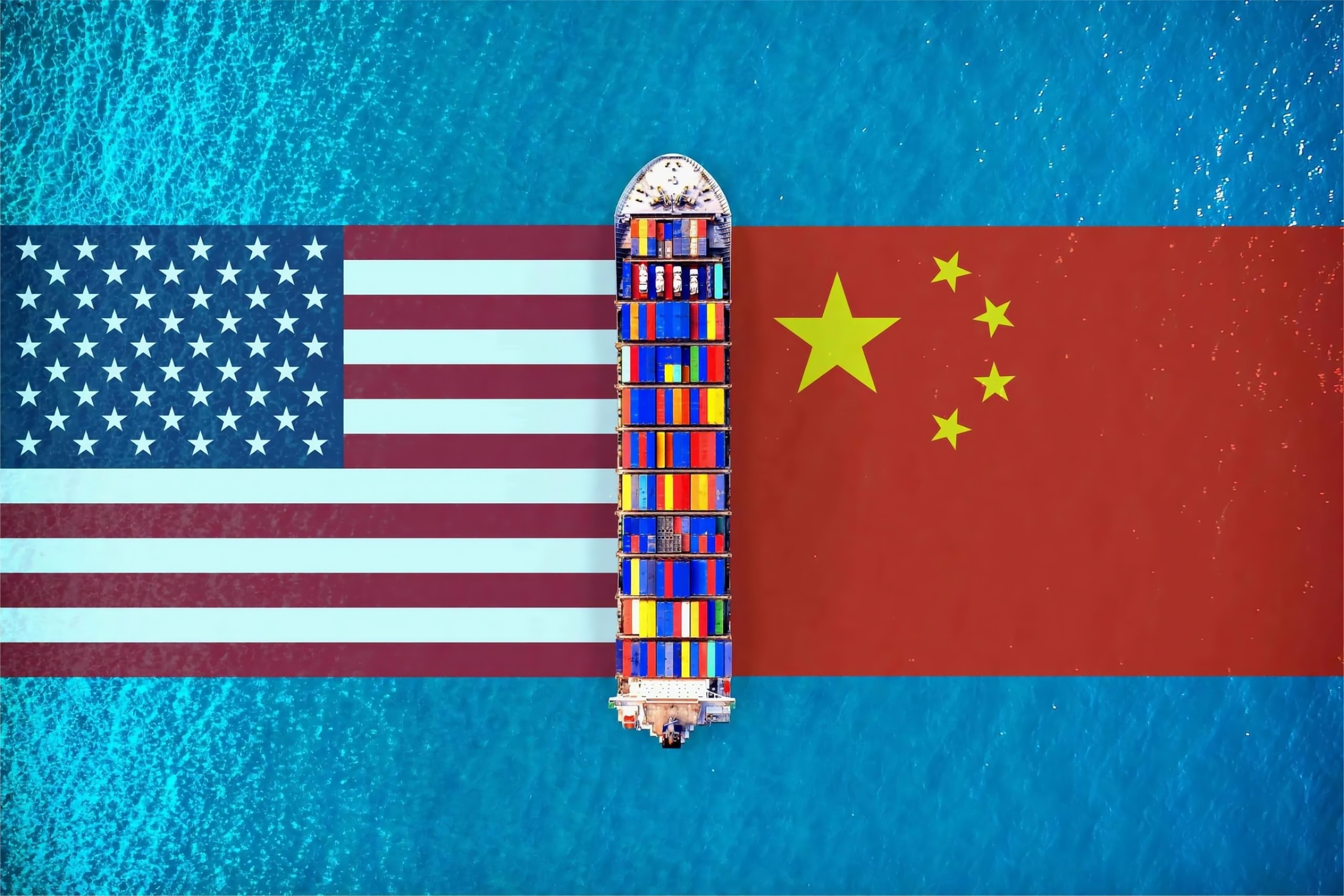
20GP FCL Detention Prevention for Textiles from China to Germany
Managing 20GP FCL detention prevention for textiles from China to Germany is essential for maintaining a healthy supply chain. Many importers face unexpected costs when their containers sit outside the port beyond the agreed free time. By partnering with TJ China Freight, you can streamline your logistics and eliminate these avoidable expenses. This guide provides actionable strategies to ensure your textile shipments move smoothly from Chinese factories to German warehouses without incurring heavy penalties.

What is 20GP FCL Detention and Why Does It Matter?
Detention refers to the fees charged by shipping lines when an importer holds a container outside the port terminal for too long. Specifically, this occurs after the container has been picked up but before it is returned empty to the carrier. Consequently, these daily charges can quickly erode the profit margins of your textile business.

Textile shipments often involve high volumes and strict seasonal deadlines. Therefore, any delay in returning equipment leads to significant financial loss. Understanding the difference between demurrage and detention is the first step in effective cost management.
Moreover, carriers provide a set number of free days for equipment usage. If you exceed this window, the daily rate often increases over time. Indeed, proactive planning is the only way to safeguard your budget against these escalating costs.
How Does Sea Freight Compare to Other Shipping Options?
Selecting the right transport mode is the foundation of 20GP FCL detention prevention for textiles from China to Germany. While sea freight is the most economical choice for large textile volumes, it requires the most rigorous equipment management. In contrast, other methods offer different balances of speed and cost.
Rail freight has emerged as a middle-ground solution for European importers. However, the equipment rules for rail can differ significantly from ocean transport. Each method presents unique challenges regarding container turnaround times.
Furthermore, air freight eliminates detention risks entirely but comes at a much higher price point. For most textile importers, the goal is to optimize sea freight rather than replace it. Below is a detailed comparison of the primary shipping methods available for this route.
| Shipping Method | Cost Range (20GP/Equiv) | Transit Time | Best For | Detention Risk |
|---|---|---|---|---|
| Sea Freight | $1,800 – $2,500 | 30-40 Days | Bulk Textiles | High |
| Rail Freight | $4,500 – $6,500 | 18-22 Days | Mid-Season Restock | Moderate |
| Air Freight | $15,000+ | 5-7 Days | High-End Fashion | None |
| Sea-Air Hybrid | $8,000 – $10,000 | 15-20 Days | Urgent Samples | Low |
Why Are Textiles Especially Vulnerable to Detention Fees?
Textile products often require specialized cargo handling and storage conditions. Additionally, the sheer volume of a 20GP container filled with fabric rolls or garments can make unloading a time-consuming process. If your warehouse is understaffed, the container may sit idle for days.
German customs authorities frequently perform random inspections on textile imports to verify material composition and origin. Consequently, if your documentation is not perfect, the container stays on the chassis while the dispute is resolved. This delay directly contributes to detention charges.
Meanwhile, seasonal peaks in the fashion industry often lead to warehouse congestion in Germany. When your facility cannot accept new arrivals, the container remains at your site, racking up fees. Planning for these peak periods is essential for 20GP FCL detention prevention for textiles from China to Germany.
Key Strategies for 20GP FCL Detention Prevention for Textiles
Negotiating extended free time during the booking stage is one of the most effective prevention strategies. Carriers are often willing to grant 14 to 21 days of combined free time if you request it upfront. Therefore, you should never accept the standard 7-day window without negotiation.
Utilizing a professional customs brokerage service ensures that your paperwork is filed before the vessel even docks. As a result, you can clear customs while the ship is at sea. This allows for immediate pickup and a faster return of the empty container.
Additionally, implementing a pre-pull strategy can help manage tight schedules. This involves moving the container to a secure yard near the port to avoid terminal storage fees while waiting for a warehouse slot. However, you must still monitor the equipment return clock closely.
Customs Documentation Checklist for German Textile Imports
Accuracy in documentation is the backbone of smooth logistics. Incomplete paperwork is the leading cause of delays that result in detention. Specifically, for textiles, you must provide detailed descriptions of fiber content and manufacturing processes.
German officials require specific codes for different types of garments and fabrics. Consequently, errors in the Harmonized System (HS) codes can lead to audits. To prevent this, ensure your Chinese supplier provides all necessary certificates of origin and quality.
Furthermore, having a digital tracking system allows you to share documents instantly with all parties. This transparency reduces the time spent on administrative hurdles. The following table outlines the essential documents required for this route.
| Document Type | Required For | Key Information | Timing |
|---|---|---|---|
| Commercial Invoice | Customs Valuation | Unit price, currency | Pre-shipment |
| Packing List | Cargo Verification | Weight, dimensions | Pre-shipment |
| Bill of Lading | Title Transfer | Carrier details | At Loading |
| Certificate of Origin | Duty Calculation | Manufacturing site | At Loading |
How Does Rail Freight Serve as an Alternative Strategy?
When sea freight schedules become too volatile, rail freight offers a reliable alternative for getting textiles to Germany. The Iron Silk Road connects major Chinese hubs like Chengdu and Xi’an directly to Duisburg or Hamburg. Consequently, transit times are cut nearly in half compared to the ocean route.
Rail transport often involves different equipment return policies that might be more flexible during certain times of the year. Nevertheless, the cost is higher than sea freight. You must weigh the speed of delivery against the increased freight rate to determine if it fits your budget.
In addition, rail is less susceptible to the weather-related delays that often plague maritime routes. This predictability makes it easier to schedule labor for unloading. As a result, you can return containers faster and avoid detention entirely.

Case Study 1: Avoiding Detention in Hamburg
Case Study 1: Successful Detention Mitigation. Route: Shanghai, China to Hamburg, Germany. Cargo: 100% Cotton Fabric Rolls, 28 CBM, 12,500 kg. Container: 20GP FCL.
Shipping Details: Carrier: Hapag-Lloyd. Port of Loading: Shanghai (Yangshan). Port of Discharge: Hamburg (CTA). Route Type: Direct. Ocean Freight: $2,150. Origin Charges: $280. Destination Charges: $450. Customs and Duties: $1,200. Total Landed Cost: $4,080.
Timeline: Booking to Loading: 4 days. Sea Transit: 34 days. Customs Clearance: 1 day. Total Door-to-Door: 42 days. Key Insight: The importer negotiated 14 days of destination free time. Consequently, even when the warehouse was delayed by 3 days, no detention fees were incurred. This highlights the value of upfront negotiation based on Q3 2024 market rates.
Case Study 2: Managing Delays via Wilhelmshaven
Case Study 2: Overcoming Port Congestion. Route: Ningbo, China to Wilhelmshaven, Germany. Cargo: Finished Garments (Polyester), 25 CBM, 8,000 kg. Container: 20GP FCL.
Shipping Details: Carrier: Maersk. Port of Loading: Ningbo-Zhoushan. Port of Discharge: Wilhelmshaven (JadeWeserPort). Route Type: Direct. Ocean Freight: $2,250. Origin Charges: $310. Destination Charges: $480. Customs and Duties: $1,500. Total Landed Cost: $4,540.
Timeline: Booking to Loading: 5 days. Sea Transit: 32 days. Customs Clearance: 2 days. Total Door-to-Door: 45 days. Key Insight: By using Wilhelmshaven instead of the congested Hamburg port, the importer avoided terminal delays. This allowed the truck to return the empty 20GP within 4 days of pickup. Typical rates as of early 2025 suggest this route remains efficient for textile logistics.
Which Shipping Option Should You Choose?
Deciding on the best method for 20GP FCL detention prevention for textiles from China to Germany depends on your specific priorities. If your primary goal is cost reduction, sea freight remains the gold standard. However, you must have a robust system for container tracking and warehouse coordination.
For those prioritizing speed and reliability, rail freight is the superior choice. It offers a shorter transit time which naturally reduces the window for potential errors. Additionally, many rail operators offer integrated door to door services that simplify the entire process.
Finally, consider a hybrid approach for seasonal launches. You might ship 80% of your volume via sea freight and the remaining 20% via air or rail. This strategy ensures that you have stock on the shelves while the bulk of your inventory is still in transit.
The Role of Market Trends in 2025 Logistics
As of Q1 2025, freight rates from China to Europe have stabilized after the 2024 Red Sea disruptions. However, fuel surcharges remain volatile. According to industry benchmarks, staying informed about carrier capacity is vital for securing favorable terms.
Logistics trends suggest an increasing shift toward digital documentation and automated port terminals in Germany. Consequently, importers who adopt these technologies will have a competitive advantage. They can respond faster to changes in the supply chain.
Indeed, market data suggests that rates typically increase 15-25% during the August-October peak season. Therefore, booking your shipments well in advance is a key part of 20GP FCL detention prevention for textiles from China to Germany. Note: Freight rates are subject to change based on fuel costs, carrier capacity, and seasonal demand. Contact us for a current quote tailored to your specific shipment.
Maximizing Efficiency Through Cargo Handling
Proper cargo handling at the destination is often overlooked in detention prevention. If textiles are not packed for easy unloading, the process will take longer. For example, using pallets instead of floor-loading can reduce unloading time by 60%.
Moreover, ensuring that your warehouse team has the right equipment to handle 20GP containers is essential. Without the proper forklifts or loading docks, the container stays on the truck longer than necessary. This delay is a primary driver of detention costs.
Consequently, investing in warehouse infrastructure or using a third-party logistics provider can save money in the long run. By speeding up the turnaround of equipment, you protect yourself from the high daily fees charged by carriers.
Decision Framework: Budget vs. Speed
To summarize your options, use a clear decision framework based on your business needs. If your budget is the priority, choose sea freight but negotiate at least 14 days of free time. This provides a safety net for any unexpected delays at the German border.
When speed is the priority, especially for high-fashion items, rail or air freight are the only viable options. These methods significantly reduce the time your capital is tied up in inventory. Furthermore, they mitigate the risk of seasonal stockouts.
Without a doubt, the best strategy involves a mix of reliable partners and data-driven decision-making. By monitoring transit times and carrier performance, you can continuously refine your 20GP FCL detention prevention for textiles from China to Germany.
Final Thoughts on Container Management
Mastering 20GP FCL detention prevention for textiles from China to Germany requires a combination of early negotiation, precise documentation, and efficient local logistics. By understanding the common pitfalls and implementing the strategies discussed, you can significantly reduce your shipping costs.
Additionally, staying adaptable to market trends and port conditions in Germany will ensure your textile business remains competitive. Always prioritize transparency with your freight forwarder to maintain a smooth flow of goods. With the right approach, detention fees will become a thing of the past for your operations.

Ready to streamline your logistics?
Stop losing money to unnecessary carrier fees today. Our team specializes in 20GP FCL detention prevention for textiles from China to Germany, ensuring your cargo moves efficiently and affordably. Contact TJ China Freight now to receive a customized shipping quote and optimize your international supply chain. Visit our website to learn more about our comprehensive logistics solutions.
Request Quote