

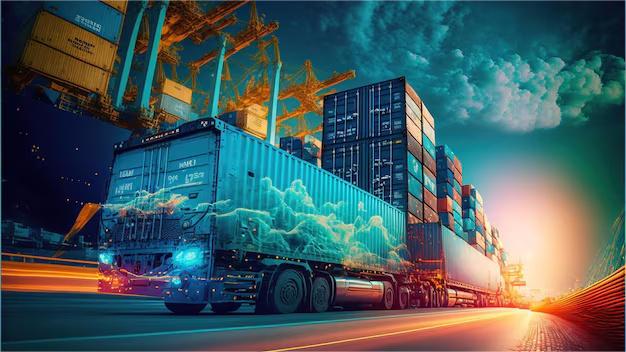
40HQ FCL insurance for machinery from China to Norway: A Complete Guide
Shipping heavy equipment across continents requires meticulous planning and robust financial protection. Many businesses rely on TJ China Freight to manage these complex logistics operations from start to finish. Securing 40HQ FCL insurance for machinery from China to Norway is the most effective way to safeguard your investment against unforeseen transit risks. This guide explores everything you need to know about protecting your machinery during its long journey to Northern Europe.

What is 40HQ FCL insurance for machinery from China to Norway?
Machinery represents a significant capital investment that demands specialized handling and comprehensive coverage during transit. Consequently, 40HQ FCL insurance for machinery from China to Norway provides a financial safety net against damage, theft, or loss. This type of insurance specifically caters to Full Container Load shipments using 40-foot High Cube containers, which offer extra vertical space for tall equipment.
Furthermore, the insurance policy typically covers the cargo from the moment it leaves the factory in China until it reaches the final destination in Norway. Because industrial equipment is often susceptible to moisture or mechanical stress, choosing the right coverage level is critical. Indeed, a well-structured policy ensures that your supply chain remains resilient even if an accident occurs at sea.
Additionally, the high value of machinery makes standard carrier liability insufficient for most importers. Therefore, most professionals recommend All-Risk insurance to cover the full replacement value of the goods. Meanwhile, understanding the specific clauses related to machinery handling can prevent claim denials in the future.
How Does 40HQ FCL Compare to Other Shipping Options?
Choosing the right transport method involves balancing speed, cost, and safety requirements for your specific cargo. While sea freight is the most common choice for heavy machinery, other alternatives exist for different business needs. For example, smaller components might fit into LCL shipments, but full containers offer better security for sensitive equipment.
Moreover, the 40HQ container is particularly popular because it provides the necessary height for modern industrial machines. In contrast, standard 40GP containers may be too short for certain equipment types, leading to higher costs for open-top alternatives. Consequently, the 40HQ FCL route remains the most cost-effective solution for large-scale imports to Norway.
Nevertheless, some urgent shipments may require faster transit times despite the significantly higher costs involved. To summarize the options, consider the following comparison table based on current market trends for the China-Norway route.
| Shipping Method | Cost Range (USD) | Transit Time | Best For |
|---|---|---|---|
| 40HQ Sea FCL | 3,200 – 4,500 | 35 – 45 Days | Large Machinery |
| Air Freight | 15,000 – 25,000 | 5 – 8 Days | Urgent Spare Parts |
| Rail Freight | 5,500 – 7,500 | 22 – 28 Days | Mid-sized Equipment |
| LCL Sea | 80 – 150 per CBM | 40 – 50 Days | Small Components |

Why You Need 40HQ FCL insurance for machinery from China to Norway
Marine environments pose unique challenges to industrial equipment, ranging from saltwater corrosion to heavy vibrations. Therefore, having 40HQ FCL insurance for machinery from China to Norway is not just a luxury but a fundamental business requirement. Without a doubt, the cost of a premium is negligible compared to the total loss of a high-value CNC machine or production line.
Additionally, the principle of General Average in maritime law can hold cargo owners liable for costs even if their own goods are not damaged. Specifically, if the vessel encounters an emergency and cargo must be jettisoned, all shippers share the financial burden. Consequently, insurance protects you from these unexpected legal and financial liabilities during the voyage to Europe.
Furthermore, Norwegian customs authorities often require proof of insurance or valuation for high-value machinery imports. Indeed, having clear documentation simplifies the clearance process and ensures that your delivery schedule remains on track. Meanwhile, most insurance providers offer specialized clauses for ‘concealed damage’ which is vital for machinery that cannot be tested immediately upon arrival.
Key Factors Affecting Shipping Costs and Insurance Premiums
Several variables influence the final price you pay for both freight and insurance coverage. For instance, the total declared value of the machinery is the primary driver for insurance premiums. Moreover, the nature of the equipment, such as whether it is new or used, significantly impacts the risk assessment by underwriters.
Freight rates also fluctuate based on seasonal demand and fuel surcharges. Typically, rates increase by 15 to 25 percent during the peak season from August to October. Consequently, booking your 40HQ container well in advance can lead to substantial savings on your overall logistics budget.
Additionally, the port of origin in China plays a role in the transit time and cost. Shipping from major hubs like Shanghai or Shenzhen usually offers more frequent departures and competitive rates. Therefore, choosing a strategic loading port is essential for maintaining an efficient supply chain.
| Port of Loading | Port of Discharge | Typical Transit | Service Type |
|---|---|---|---|
| Shanghai | Oslo | 38 Days | Direct/Transship |
| Ningbo | Bergen | 42 Days | Transshipment |
| Shenzhen | Stavanger | 40 Days | Direct/Transship |
| Qingdao | Oslo | 45 Days | Transshipment |
Case Study 1: CNC Machinery from Shanghai to Oslo
A Norwegian manufacturing firm recently imported a large CNC milling center using a 40HQ container. The cargo was valued at 250,000 USD and required precise climate control and shock protection. By utilizing customs brokerage services, the client ensured all paperwork was compliant before the ship docked.
Origin: Shanghai, China. Destination: Oslo, Norway. Cargo: CNC Milling Center, 22 Tons. Container: 40HQ FCL. Ocean Freight: 3,850 USD. Insurance Premium: 750 USD. Total Transit: 40 Days. Key Insight: Professional crating and All-Risk insurance prevented losses when the vessel encountered heavy storms in the North Sea. This shipment was successful due to early booking and comprehensive coverage.
Case Study 2: Construction Equipment from Shenzhen to Bergen
In early 2025, a construction company moved heavy excavating components to support a new infrastructure project in Bergen. Because the cargo was oversized for standard containers, the 40HQ provided the necessary clearance. The client opted for a door to door solution to minimize handling risks at the port.
Origin: Shenzhen, China. Destination: Bergen, Norway. Cargo: Hydraulic Excavator Parts, 18 Tons. Container: 40HQ FCL. Ocean Freight: 4,100 USD. Insurance Premium: 620 USD. Total Transit: 44 Days. Key Insight: Using a direct route saved five days of transit time compared to transshipment via Hamburg. The insurance policy included a specialized clause for mechanical breakdown during loading, which provided peace of mind for the expensive hydraulic components.

Which Option Should You Choose?
Determining the best shipping strategy depends on your specific priorities regarding budget, speed, and cargo sensitivity. If your primary goal is cost reduction, sea freight in a 40HQ container is almost always the superior choice for machinery. However, if you are facing a production shutdown, air freight might be necessary for critical components.
For shipments with a total volume between 15 and 25 CBM, you might consider switching from LCL to a 20GP container. Nevertheless, machinery often requires the extra height of a 40HQ to avoid disassembly. Consequently, the volume threshold for choosing a 40HQ is usually based on the dimensions of the largest single piece of equipment.
In addition, hybrid solutions like sea-air via Dubai can offer a middle ground for transit times. Meanwhile, rail freight through the New Silk Road provides a faster alternative to sea for inland Chinese origins. Therefore, evaluating all logistics trends and current freight rates is vital before making a final decision.
Understanding the Import Process for Machinery in Norway
Norway is not a member of the EU but is part of the EEA, which means specific customs regulations apply to imports. Indeed, ensuring that your machinery meets Norwegian safety standards and CE marking requirements is essential before shipping. Furthermore, the VAT (MVA) on imported goods is currently 25 percent, which must be accounted for in your landed cost calculations.
Documentation is the backbone of a successful import operation. For instance, you will need a commercial invoice, packing list, bill of lading, and the insurance certificate. Without a doubt, missing or incorrect paperwork can lead to expensive storage fees at the port of Oslo or Bergen. Consequently, working with an experienced freight forwarder is the best way to navigate these complexities.
Moreover, the Norwegian Customs Authority (Tolletaten) uses an electronic system for declarations. Therefore, having your EORI number and all digital files ready will expedite the clearance process. Meanwhile, remember that certain types of industrial machinery may require additional permits or environmental certifications before they can be legally operated in Norway.
Final Thoughts on Machinery Shipping Security
Successfully importing heavy equipment requires a balance of logistical expertise and comprehensive risk management. By securing 40HQ FCL insurance for machinery from China to Norway, you protect your business from the unpredictable nature of international trade. Whether you are shipping CNC machines or construction equipment, the right insurance policy ensures that your investment is safe from port to port.
To summarize, always prioritize high-quality packing, choose the most efficient shipping route, and never skip on All-Risk insurance. Note: Freight rates are subject to change based on fuel costs, carrier capacity, and seasonal demand. Contact us for a current quote tailored to your specific shipment.

Ready to streamline your logistics?
Protect your high-value equipment today with comprehensive 40HQ FCL insurance for machinery from China to Norway. Contact our expert team at TJ China Freight for a customized quote and secure your supply chain. Send Inquiry link: Visit https://bestchinafreight.com/
Request Quote