

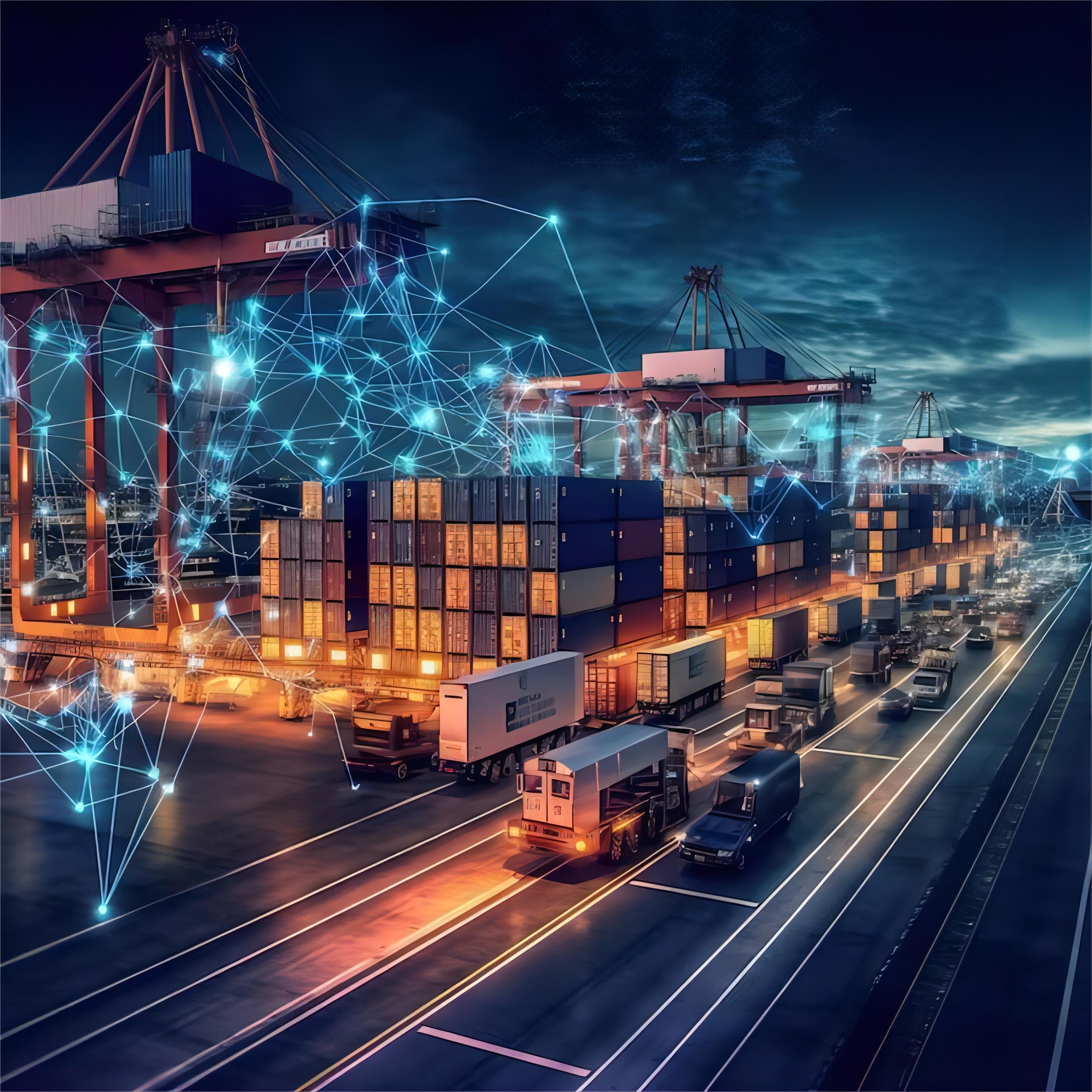
Reefer FCL Booking Process for Textiles from China to New York
Shipping luxury fabrics and high-end garments across the ocean requires more than just a standard container. The Reefer FCL booking process for textiles from China to New York addresses the critical need for climate control and humidity management during long transit periods. TJ China Freight specializes in managing these complex logistics requirements to ensure your inventory remains in showroom condition. Consequently, importers can avoid the devastating effects of mildew, mold, and odor that often plague traditional dry van shipments on this long-haul route.

What is the Reefer FCL Booking Process for Textiles from China to New York?
The Reefer FCL booking process for textiles from China to New York involves securing a full container load (FCL) that features integrated refrigeration and ventilation systems. While reefers are traditionally associated with food, they are increasingly used for premium textiles that are sensitive to the high humidity of the Pacific and Atlantic crossings. Furthermore, this specialized service provides a controlled environment that maintains a consistent temperature throughout the entire journey.
Booking a reefer for textiles starts with identifying the specific atmospheric requirements of your fabric types. For instance, silk and high-end wool require strict humidity levels to prevent fiber degradation. Therefore, you must communicate these parameters clearly to your freight forwarder during the initial inquiry phase. Choosing sea freight with climate control is a strategic investment in product quality.
Carriers prioritize these containers due to their technical requirements and higher freight rates. Consequently, the booking window is often tighter than for standard dry containers. You should initiate the process at least three to four weeks before your desired cargo ready date. This lead time allows for equipment positioning and ensures the carrier can provide a unit that meets textile-grade cleanliness standards.
Why Use Reefer Containers for Textile Shipments?
Standard containers can reach internal temperatures exceeding 50 degrees Celsius when sitting on a dock or crossing the equator. Such extreme heat often causes synthetic fibers to lose their shape or natural fibers to become brittle. Additionally, the condensation known as container rain can saturate fabric bolts, leading to irreversible water damage and mold growth.
Reefer containers mitigate these risks by providing constant airflow and dehumidification. Specifically, they allow for precise setting of the ‘dehumidification’ function, which is vital for moisture-sensitive fabric transport. By maintaining a steady 15 to 20 degrees Celsius, the container prevents the dew point from being reached inside the box. As a result, your textiles arrive dry, fresh, and ready for immediate retail distribution.
Managing humidity in textile shipping containers is the primary reason New York fashion houses prefer this method. Moreover, the sealed environment of a reefer offers superior protection against external pollutants and pests. Indeed, the higher cost of the reefer is often offset by the elimination of insurance claims and product loss. This proactive approach to supply chain management distinguishes premium brands from their competitors.
How Does Reefer FCL Compare to Other Shipping Options?
Evaluating the Reefer FCL booking process for textiles from China to New York requires a comparison with traditional methods. While dry containers are cheaper, they offer zero protection against the humidity of the Suez Canal or Panama Canal routes. On the other hand, air freight is exceptionally fast but carries a price tag that is often ten times higher than sea transport. Therefore, reefers serve as the perfect middle ground for high-value cargo that is not time-critical.
Shipping from China to North America involves diverse climatic zones. A vessel departing from a humid Shenzhen summer and arriving in a freezing New York winter creates massive internal temperature swings. Standard containers cannot handle these fluctuations without risking cargo integrity. Consequently, the reefer remains the only viable sea-based solution for sensitive luxury goods.
Consider the volume of your shipment when choosing between FCL and other methods. If you have enough fabric to fill at least 70 percent of a 40-foot container, FCL is almost always more economical. However, for smaller batches, you might consider temperature-controlled LCL, though this service is much harder to find. Most textile importers stick to FCL to maintain total control over the container environment.
| Shipping Method | Cost Range (USD) | Transit Time | Best For | Limitations |
|---|---|---|---|---|
| Reefer FCL (40HQ) | $5,500 – $8,500 | 30-38 Days | Premium Textiles | Higher Cost |
| Dry FCL (40HQ) | $3,800 – $5,500 | 30-38 Days | Bulk Cotton/Polyester | Moisture Risk |
| Air Freight | $15,000 – $25,000 | 5-8 Days | Urgent Samples | Weight Limits |
| LCL Shipping | $150 – $300 per CBM | 35-45 Days | Small Inventories | Multiple Handling |

Step-by-Step Guide to the Booking Process
Initiating the booking requires a detailed proforma invoice and a packing list from your Chinese manufacturer. You must specify the ‘set point’ temperature and the humidity percentage required for your specific textiles. Additionally, confirm that the carrier provides a ‘food-grade’ or ‘textile-grade’ clean container to avoid any residual odors from previous shipments. Once the booking is confirmed, the carrier releases a container for pick-up at the depot.
Trucking the reefer to the factory involves using a generator set, or ‘gen-set,’ to keep the unit powered during land transit. This step is crucial because even a few hours of power loss in a humid coastal city can start the condensation process. Afterward, the loaded container returns to the port for immediate connection to the terminal’s power grid. Meanwhile, your freight forwarder handles the export customs clearance in China.
Monitoring the shipment during the ocean voyage is now easier with modern IoT-enabled reefers. Many carriers offer real-time tracking of temperature and humidity levels via their online portals. Consequently, you can receive alerts if the parameters deviate from your settings. Upon arrival at the Port of New York and New Jersey, the container is moved to a powered slot to await customs release and final delivery.
Key Documentation for Importing Textiles to New York
Navigating the legal requirements is a vital part of the Reefer FCL booking process for textiles from China to New York. You must provide a detailed Commercial Invoice that includes the fiber content and country of origin for every item. Furthermore, a Bill of Lading (BOL) acts as your title to the goods and must clearly state that the cargo is in a refrigerated unit. Using a professional customs brokerage service is highly recommended for textile imports.
Customs and Border Protection (CBP) in New York pays close attention to textile classifications under the HTSUS codes. Incorrect classification can lead to significant delays and heavy fines. Additionally, you may need to provide a Textile Production Verification if the shipment is part of a trade compliance program. Therefore, ensure all documents are digitized and shared with your broker well before the vessel arrives in New York harbor.
Documentation for reefer units also includes the ‘Partlow chart’ or a digital temperature log. This record proves that the cold chain remained intact from the factory in China to the warehouse in New York. If you ever need to file an insurance claim for damage, this log will be your primary piece of evidence. Without a doubt, meticulous record-keeping is the backbone of a successful textile import operation.
Understanding Costs and Pricing Factors
Reefer freight rates are generally 20 to 50 percent higher than standard container rates due to the electricity consumption and maintenance of the cooling units. Additionally, you must account for the gen-set rental fees for the inland portions of the journey. Fuel surcharges, also known as BAF, are often higher for reefers because the vessel must generate extra power to run the containers. Consequently, your total landed cost will reflect these specialized technical requirements.
Seasonal fluctuations play a significant role in China to New York ocean freight rates. During the peak season from August to October, reefer equipment often becomes scarce as it is diverted to the fruit and seafood trades. Therefore, booking early during these months is essential to avoid premium ‘peak season surcharges.’ Market data suggests that rates for the East Coast route are typically more stable but higher than West Coast alternatives.
Note: Freight rates are subject to change based on fuel costs, carrier capacity, and seasonal demand. Contact us for a current quote tailored to your specific shipment. We recommend budgeting for potential storage fees at the New York port, as reefer storage is significantly more expensive than dry storage due to the power connection fees.
Decision Framework: Which Option Should You Choose?
Choosing the right method depends on your budget, the value of your textiles, and your tolerance for risk. If you are shipping raw polyester or heavy denim, a standard dry container with moisture-absorbing desiccants might suffice. However, for silk, lace, high-end suits, or delicate upholstery, the Reefer FCL booking process for textiles from China to New York is the only way to guarantee quality. Speed is another factor; if you need goods in under 10 days, air freight is your only choice.
Budget priority: Recommend Dry FCL with high-quality desiccant bags for non-sensitive fabrics. This saves approximately $2,000 per container while providing basic protection. Speed priority: Recommend air freight for small volumes or urgent fashion launches. Quality priority: Recommend Reefer FCL at 18 degrees Celsius with 50 percent humidity settings for all luxury garments and natural fibers.
Cargo volume also dictates the strategy. For shipments over 20 CBM, FCL is the most logical choice. If you have a smaller but very high-value shipment, consider a hybrid sea-air solution via a hub like Dubai or Los Angeles to balance cost and speed. Ultimately, your choice should align with your brand’s promise of quality to the end consumer in the New York market.

Case Studies: Successful Textile Shipments
Case Study 1: Premium Silk Garment Export. Route: Hangzhou, China to New York, USA. Cargo: 100 percent silk dresses, 25 CBM, 4,500 kg. Container: 40HQ Reefer. Shipping Details: Direct service via Maersk from Ningbo to New York. Cost Breakdown: Ocean Freight $6,800; Origin Charges $450; Destination Charges $800; Customs $1,200. Timeline: 34 days total. Key Insight: The use of a reefer prevented silk yellowing and moisture spots during a particularly humid July transit.
Case Study 2: High-End Upholstery Fabric. Route: Shaoxing, China to New York, USA. Cargo: Velvet and Chenille fabric bolts, 55 CBM, 12,000 kg. Container: 40HQ Reefer. Shipping Details: Transshipment via Singapore using COSCO. Cost Breakdown: Ocean Freight $7,200; Gen-set fees $300; Port Charges $950; Customs $1,800. Timeline: 40 days total. Key Insight: Despite a 5-day delay in Singapore, the temperature-controlled environment kept the heavy velvet from developing a musty odor.
Case Study 3: Seasonal Fashion Collection. Route: Shenzhen, China to New York, USA. Cargo: Mixed cotton and wool apparel, 15 CBM. Method: door to door service using a shared reefer. Cost Breakdown: Total Landed Cost $4,200. Timeline: 38 days. Key Insight: Utilizing a specialized consolidator for refrigerated goods allowed the boutique to access reefer benefits without paying for a full 40-foot container.
Final Thoughts on Reefer Textile Logistics
Successfully navigating the Reefer FCL booking process for textiles from China to New York is a hallmark of a sophisticated import business. By prioritizing climate control, you protect your investment from the unpredictable elements of ocean transit. Moreover, the consistency provided by refrigerated containers allows for better inventory planning and fewer surprises upon arrival at your New York warehouse.
Furthermore, as global supply chains face increasing climate-related challenges, the demand for controlled-environment shipping will only grow. Transitioning to reefers for your premium lines is a proactive way to build a more resilient and quality-focused logistics strategy. Therefore, partner with a freight forwarder who understands the nuances of textile preservation and the specific requirements of the China-US trade lane.
In summary, while the initial cost of a reefer container may be higher, the long-term benefits of reduced damage and maintained product integrity are undeniable. Whether you are shipping silk from Hangzhou or wool from northern China, the Reefer FCL booking process for textiles from China to New York remains the gold standard for professional textile importers.

Ready to streamline your logistics?
Are you ready to protect your high-value textile inventory during its journey across the ocean? The Reefer FCL booking process for textiles from China to New York is complex, but our team of logistics experts is here to simplify every step for you. Contact TJ China Freight today for a customized quote and ensure your fabrics arrive in perfect condition. Send Inquiry
Request Quote