

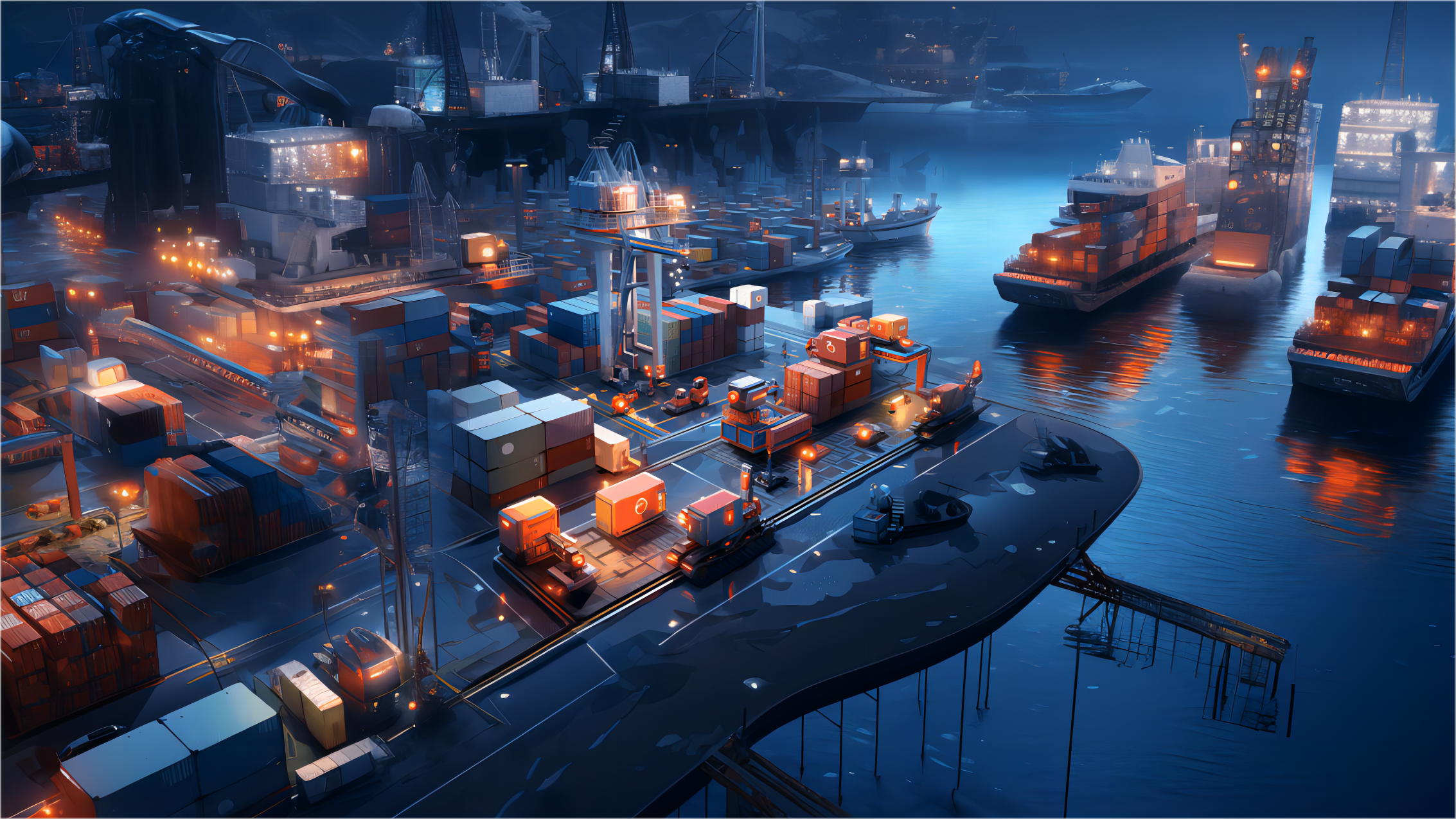
Mastering Reefer FCL Tracking for Machinery from China to Long Beach
Navigating the complexities of international logistics requires precision, especially when handling high-value industrial equipment. TJ China Freight provides expert solutions for managing these complex shipments efficiently. Utilizing Reefer FCL tracking for machinery from China to Long Beach ensures your assets remain within strict temperature parameters throughout the transpacific journey. This guide explores how advanced monitoring protects your investment and streamlines your supply chain operations.

Why Reefer FCL Tracking for Machinery from China to Long Beach is Essential
Shipping sensitive machinery involves more than just moving a box from one port to another. Specifically, precision instruments often require temperature-controlled environments to prevent condensation and thermal expansion. Reefer FCL tracking for machinery from China to Long Beach allows importers to monitor these conditions in real-time.
Moreover, the high value of industrial equipment makes it a target for theft or mismanagement during transit. Consequently, having a robust tracking system provides an extra layer of security and accountability for every stakeholder involved. You can verify that the carrier maintains the set point throughout the entire voyage.
Furthermore, real-time data helps logistics managers anticipate potential delays at the Port of Long Beach. Since this port is a major gateway for North American trade, congestion can frequently occur without warning. Tracking data enables proactive scheduling for drayage and final delivery.
How Does Reefer FCL Compare to Other Shipping Options?
Choosing the right shipping method depends on your budget, timeline, and the specific requirements of your cargo. While sea freight remains the most popular choice for heavy machinery, several alternatives exist. Each option offers unique trade-offs between cost and speed.
Dry FCL containers are cheaper but lack the climate control necessary for sensitive electronics or calibrated tools. On the other hand, air freight offers unmatched speed but comes at a significantly higher price point. Understanding these differences is crucial for optimizing your shipping strategy.
Hybrid solutions like sea-air combinations can sometimes bridge the gap for urgent shipments. However, for most machinery, the stability of a refrigerated container is the safest bet. Below is a detailed comparison of the primary methods used for this route.
| Shipping Method | Cost Range | Transit Time | Best For |
|---|---|---|---|
| Reefer FCL | $3,000 – $4,500 | 14-18 Days | Sensitive Machinery |
| Dry FCL | $1,800 – $2,800 | 14-18 Days | Durable Equipment |
| Air Freight | $12,000 – $20,000 | 3-7 Days | Urgent Spare Parts |
| LCL Shipping | $100 – $300/CBM | 20-25 Days | Small Components |

Key Factors Influencing Shipping Costs and Transit Times
Ocean freight rates fluctuate based on seasonal demand and fuel surcharges throughout the year. For instance, shipping during the peak season from August to October often results in higher costs. Planning your shipments during slack periods can save your business thousands of dollars in logistics expenses.
Additionally, the specific port of loading in China impacts the total transit time significantly. Shipments from Shanghai or Ningbo generally reach Long Beach faster than those originating from inland or southern ports. Choosing a direct route instead of a transshipment service can save approximately 5 to 7 days.
Customs clearance procedures also play a vital role in the overall delivery schedule. Utilizing professional customs brokerage services ensures that all documentation is accurate and compliant. This reduces the risk of expensive port storage fees caused by administrative delays.
Common Factors Affecting Reefer Rates
Fuel costs remain one of the most unpredictable variables in the shipping industry. Therefore, carriers frequently adjust their bunker adjustment factors (BAF) to reflect global oil prices. Shippers should always request a comprehensive quote that includes all potential surcharges.
Equipment availability is another critical factor for refrigerated containers. Because reefer units require specialized maintenance, they are sometimes in short supply at certain Chinese ports. Booking your container at least 3-4 weeks in advance is highly recommended to secure capacity.
Technology Behind Reefer FCL Tracking for Machinery
Modern refrigerated containers utilize sophisticated IoT sensors to provide constant updates on cargo status. These devices monitor temperature, humidity, and even shock levels during the ocean crossing. This level of detail is essential for maintaining the integrity of precision-engineered machinery.
Satellite-linked GPS systems ensure that the container’s location is visible even in the middle of the Pacific Ocean. As a result, shippers can receive automated alerts if the container deviates from its planned route. This transparency builds trust between the freight forwarder and the end customer.
Digital platforms now allow users to access this information through a single dashboard. Instead of calling multiple agents, you can simply log in to see the exact status of your shipment. This efficiency is a hallmark of modern North America trade lanes.
Case Studies: Successful Machinery Shipments to Long Beach
Real-world examples demonstrate the effectiveness of professional logistics management. Below are two recent cases involving the transport of sensitive equipment from China to the United States. These scenarios highlight typical costs and timelines for the current market.
Note: Freight rates are subject to change based on fuel costs, carrier capacity, and seasonal demand. Contact us for a current quote tailored to your specific shipment.
Case Study 1: Precision CNC Lathes from Shanghai
Route: Shanghai, China to Long Beach, USA. Cargo: 3 CNC Lathes, 28 CBM. Container: 40HQ Reefer. Shipping Details: Direct service via major carrier. Port of Loading: Shanghai. Port of Discharge: Long Beach.
Cost Breakdown: Ocean Freight: $3,950. Origin Charges: $450. Destination Charges: $600. Customs and Duties: $1,200. Total Landed Cost: $6,200. Timeline: Booking to Loading: 5 days. Sea Transit: 15 days. Customs Clearance: 2 days. Total Door-to-Door: 22 days.
Key Insight: Using a 40HQ Reefer prevented moisture damage to the electronic components. The client used real-time tracking to coordinate the arrival of heavy-lift cranes at their warehouse.
Case Study 2: Medical Imaging Equipment from Shenzhen
Route: Shenzhen, China to Long Beach, USA. Cargo: MRI Components, 12 CBM. Container: 20GP Reefer. Shipping Details: Transshipment via Busan. Port of Loading: Yantian. Port of Discharge: Long Beach.
Cost Breakdown: Ocean Freight: $2,800. Origin Charges: $400. Destination Charges: $550. Customs and Duties: $2,100. Total Landed Cost: $5,850. Timeline: Booking to Loading: 7 days. Sea Transit: 19 days. Customs Clearance: 3 days. Total Door-to-Door: 29 days.
Key Insight: Despite a brief delay during transshipment, the constant temperature monitoring ensured the sensitive magnets remained stable. The tracking system alerted the team to the delay, allowing for schedule adjustments.

Which Shipping Option Should You Choose?
Determining the best logistics strategy requires a balance between speed and expenditure. If your budget is the primary priority, standard sea freight in a dry container might suffice for non-sensitive parts. However, for machinery that cannot withstand humidity, the reefer option is mandatory.
Speed is often the deciding factor for urgent projects or production line replacements. In these cases, air freight is the only viable solution despite the significant cost increase. Most businesses find that Reefer FCL provides the best middle ground for safety and value.
Volume thresholds also play a role in your decision-making process. For shipments exceeding 15 CBM, a full container load is almost always more economical than LCL. Always consider the total landed cost rather than just the ocean freight rate.
| Priority | Recommended Method | Key Benefit | Trade-off |
|---|---|---|---|
| Strict Budget | Dry FCL | Lowest Cost | No Climate Control |
| Cargo Safety | Reefer FCL | Stable Environment | Higher Freight Rate |
| Maximum Speed | Air Freight | Fastest Delivery | Very High Cost |
| Small Volume | LCL Shipping | Pay for Space Used | Longer Transit |
Optimizing Your Door to Door Logistics Strategy
Managing the final mile of delivery is just as important as the ocean crossing. A comprehensive door to door service simplifies the process by handling every step of the journey. This includes inland trucking in China, ocean transport, and final delivery in the USA.
Indeed, working with a single provider reduces the risk of communication gaps between different agents. This streamlined approach often leads to faster transit times and lower overall costs. It also ensures that the Reefer FCL tracking for machinery from China to Long Beach remains consistent throughout the entire move.
Reliability is the foundation of any successful international trade partnership. By choosing an experienced freight forwarder, you gain access to their network of trusted carriers and local agents. This expertise is invaluable when navigating the regulatory landscape of both China and the United States.
Final Thoughts on Machinery Shipping to Long Beach
Successfully managing Reefer FCL tracking for machinery from China to Long Beach requires a combination of advanced technology and industry expertise. By understanding the factors that influence costs and transit times, you can make informed decisions that protect your bottom line. Temperature-controlled containers offer the necessary protection for sensitive industrial assets during their long journey across the Pacific.
Partnering with a reliable logistics provider ensures that your documentation is handled correctly and your cargo is monitored every step of the way. Whether you are shipping precision lathes or medical equipment, the right strategy makes all the difference. Start planning your next shipment with confidence by prioritizing visibility and climate control.

Ready to streamline your logistics?
Streamline your equipment logistics today with our expert Reefer FCL tracking for machinery from China to Long Beach. Our team ensures your high-value cargo arrives safely and on schedule. Contact TJ China Freight now to request a personalized quote and optimize your transpacific supply chain.
Request Quote