

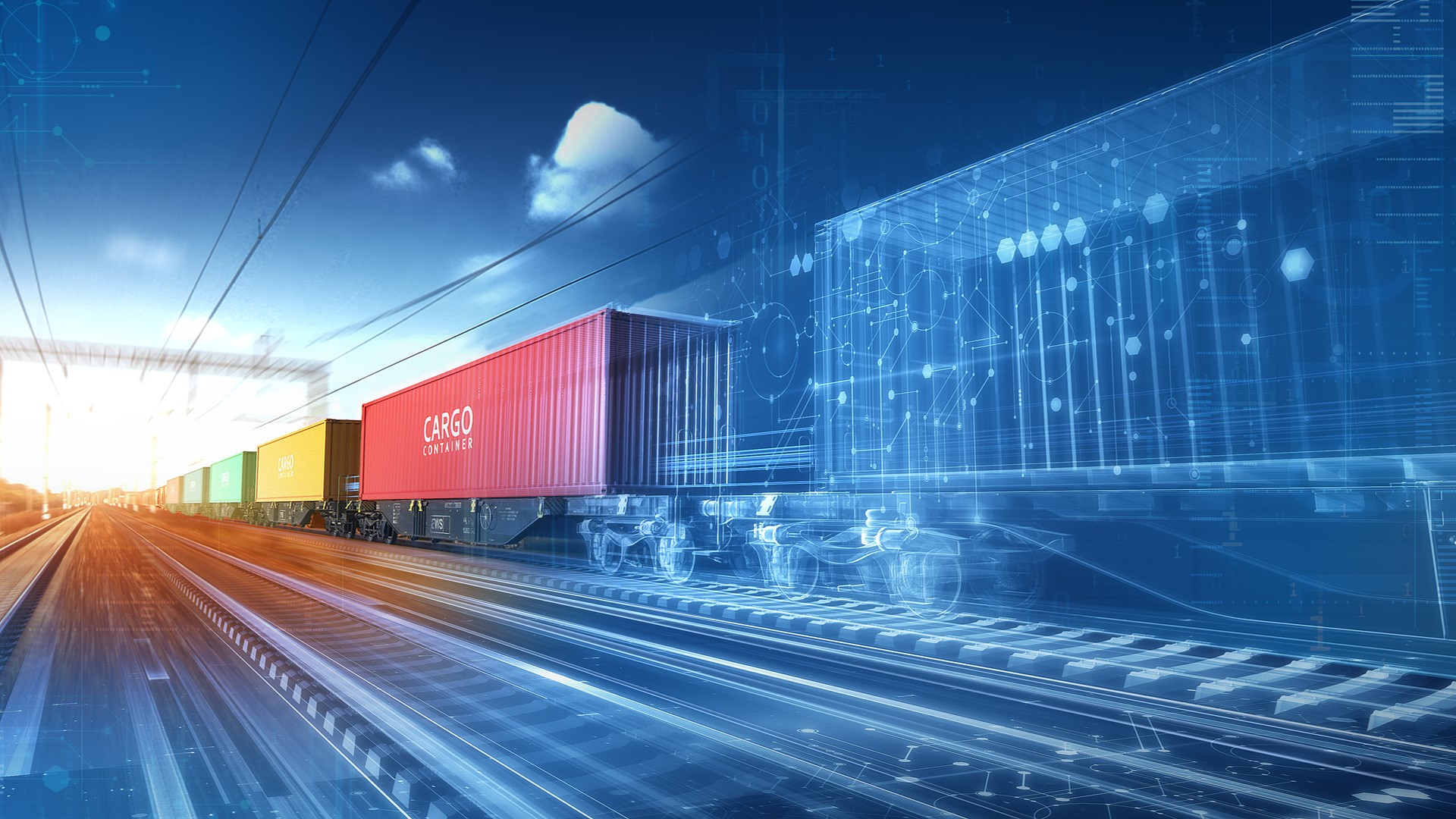
Open Top FCL Container Shortage Solutions for Electronics China to USA
The demand for electronics often creates unique shipping challenges, especially when oversized equipment requires Open Top FCL container solutions. Many businesses importing from China to the USA frequently encounter shortages. This article explores practical strategies and alternatives to overcome the Open Top FCL container shortage, ensuring your valuable electronics arrive safely.
✦
Understanding the Open Top FCL Challenge for Electronics Shipping
Shipping large or irregularly shaped electronics presents significant logistical hurdles. Standard containers often cannot accommodate tall items like server racks or industrial displays. Therefore, shippers rely on Open Top FCL containers, featuring a removable roof for easier crane loading of oversized cargo.
However, these specialized containers are prone to shortages, particularly on high-demand routes like China to USA. This scarcity impacts supply chain efficiency, causing delays and increased shipping costs. Understanding these challenges is crucial for developing robust shipping solutions for electronics.
Why Open Top Containers Are Essential for Certain Electronics
Open Top containers are ideal for cargo that cannot be loaded through standard doors. Their removable roof allows for crane loading of tall or heavy electronics. This method ensures secure placement, minimizing damage risk for sensitive electronic equipment.
Indeed, these containers are indispensable for electronics requiring vertical loading due to height or fragility. Many specialized electronic components, from industrial sensors to medical devices, benefit from the controlled loading an Open Top container provides. Identifying true necessity is key to logistics planning.
Innovative Solutions for Open Top FCL Shortages
Navigating an Open Top FCL container shortage demands proactive planning and flexible strategies. Firstly, early booking is paramount, especially during peak seasons. Moreover, engaging with reliable freight forwarders provides access to a broader network of carriers and container availability.

Additionally, exploring alternative container options or shipping methods can significantly alleviate shortages. Sea freight remains a cost-effective solution for bulk electronics, even with container challenges. Diversifying your approach ensures supply chain resilience for electronics imports from China to the USA.
Alternative Container Types and Strategies
A Flat Rack container can serve as an alternative for extremely oversized or heavy electronics. These offer robust bases for securing cargo, providing flexibility when Open Top FCLs are unavailable. However, careful planning for weather protection and specialized lashing is essential.
Another strategy involves disassembling larger electronic items into smaller, standard container-friendly components, if feasible. This reduces the need for specialized containers, lowering costs and increasing availability. Reassembly at the destination must be factored into the total project.
Furthermore, consider consolidating smaller electronics shipments. Combining multiple smaller components or LCL shipments optimizes space and potentially uses standard containers more efficiently. This approach requires meticulous cargo handling and coordination.
Hybrid Shipping Solutions for Expedited Delivery
For urgent electronics shipments facing Open Top FCL shortages, hybrid solutions balance speed and cost. For example, sea-air combinations ship cargo by sea to a hub, then by air to the USA. This significantly reduces transit time compared to pure sea freight.
Moreover, if electronics are small and time-sensitive, air freight might be the most suitable option, despite higher costs. Balancing urgency with budget constraints is crucial for critical shipments. Indeed, understanding all shipping methods is key.
Ultimately, selecting the right hybrid solution depends on the specific electronics, urgency, and budget. Partnering with experienced freight forwarders allows for tailored strategies, addressing unique requirements during container shortages effectively.
Optimizing Your Supply Chain for Electronics Imports
Optimizing your electronics supply chain from China to the USA involves end-to-end efficiency. Firstly, establish strong relationships with multiple carriers and freight forwarders for diverse options and competitive freight rates. This proactive approach mitigates risks from container shortages and market fluctuations.
Secondly, leverage technology for better visibility and predictive analytics. Modern logistics platforms offer real-time tracking and delay forecasts, optimizing delivery schedules. Such tools are invaluable for managing complex electronics imports and reacting swiftly to challenges, enhancing supply chain resilience.
Finally, meticulous documentation and compliance are non-negotiable for electronics imports. Errors cause significant delays and penalties at customs. Therefore, partnering with experts in customs brokerage is essential for smooth and compliant international trade.
Cost-Saving Strategies Amidst Shortages
Despite container shortages, several strategies manage shipping costs for electronics. Negotiating long-term contracts with carriers can lock in favorable rates. Additionally, optimizing cargo packing to maximize container space or minimize the need for specialized containers directly impacts efficiency and cost.
Furthermore, consider flexible port choices. Shipping to a less congested USA west coast port, then using domestic transport, can be more cost-effective than a direct, expensive east coast route. Evaluating total landed cost, including inland logistics, is crucial for true savings.
Finally, timing shipments outside peak seasons yields substantial savings. Freight rates for electronics typically spike during holidays or Q4. Planning ahead avoids costly periods and ensures better container availability for electronics from China to USA.
Navigating Customs and Regulations for Electronics
Importing electronics into the USA involves navigating complex customs regulations. Accurate Harmonized System (HS) codes are vital for proper classification and duty assessment. Misclassification can lead to delays, fines, and even seizure of goods.
Moreover, certain electronics may require specific import licenses or certifications (e.g., FCC, UL). Staying updated on trade policies and tariffs, especially impacting goods from China, is critical. A knowledgeable door-to-door delivery provider streamlines this intricate process.
Therefore, meticulous preparation of all required documentation, including commercial invoices and packing lists, is essential. Proactive engagement with a customs broker ensures all legal obligations are met, facilitating a smooth clearance for your valuable electronics.
How Does Open Top FCL Compare to Other Shipping Options?
When an Open Top FCL container shortage arises, businesses must evaluate alternative shipping methods for their electronics. Each option presents a unique balance of cost, speed, and capacity. Understanding these trade-offs is crucial for informed logistics decisions for electronics from China to the USA.
For instance, standard FCL is cost-effective for large volumes but cannot accommodate oversized items. LCL offers flexibility for smaller shipments but involves longer transit and more handling. Conversely, air freight provides unparalleled speed at a significantly higher premium. Below is a comparison of viable options.
| Shipping Method | Cost Range (per 40′ container equivalent) | Transit Time (China-USA) | Best For | Limitations |
|---|---|---|---|---|
| Open Top FCL | $4,500 – $7,000 | 25 – 40 days | Oversized, vertical-load electronics | Limited availability, higher cost than standard FCL |
| Standard FCL (40’HQ) | $3,000 – $6,000 | 20 – 35 days | High-volume, standard-sized electronics | Cannot handle oversized/tall cargo |
| LCL (Less than Container Load) | $100 – $250 per CBM | 30 – 45 days | Smaller volumes of standard-sized electronics | Longer transit, more handling, higher per-unit cost than FCL |
| Air Freight | $6 – $12 per kg | 3 – 7 days | Urgent, high-value, small/medium electronics | Highest cost, volume/weight restrictions |
| Flat Rack Container | $5,000 – $8,000 | 25 – 40 days | Extremely oversized/heavy electronics | Requires specialized lashing, weather protection, limited availability |
Which Option Should You Choose?
The optimal shipping solution depends on your priorities and cargo specifics. If budget is primary and transit time flexible, standard FCL or LCL are preferred. For oversized items, Open Top FCL or Flat Rack are necessary, despite potential shortages.
Conversely, if speed is paramount for urgent product launches, Amazon FBA solutions or expedited air freight are best, despite higher costs. Cargo type also matters; delicate electronics might benefit from specialized handling and faster transit. Consider your volume thresholds carefully.
Ultimately, a strategic combination of methods, possibly including hybrid sea-air, can provide the best balance. Consulting with experienced logistics providers helps tailor a strategy aligned with your specific business needs, ensuring efficient delivery of electronics from China to the USA.

Real-World Solutions: Case Studies in Electronics Shipping
Examining real-world scenarios highlights how businesses overcome Open Top FCL container shortages and other shipping challenges for electronics. These case studies demonstrate practical applications of alternative strategies, ensuring successful deliveries despite market volatility. They offer valuable insights into optimizing logistics for complex imports.
Indeed, understanding these examples helps anticipate potential issues and implement proactive measures for your electronics shipments. Based on current market rates as of early 2025, these reflect typical challenges and solutions in the China-USA trade lane.
Case Study 1: Large Industrial Server Racks
| Detail | Description |
|---|---|
| Route | Shanghai, China -> Los Angeles, USA |
| Cargo | Industrial Server Racks, 35 CBM, 8,000 kg (too tall for standard HQ) |
| Container | Initially sought 40′ Open Top FCL, switched to 2x 20′ Flat Rack |
| Shipping Details | Carrier: COSCO, Port of Loading: Shanghai, Port of Discharge: Long Beach, Route Type: Direct |
| Cost Breakdown | Ocean Freight: $7,200 (for 2 Flat Racks), Origin Charges: $950, Destination Charges: $800, Customs & Duties (estimated): $1,500, Total Landed Cost: $10,450 |
| Timeline | Booking to Loading: 10 days, Sea Transit: 16 days, Customs Clearance: 3 days, Total Door-to-Door: 25 days |
| Key Insight | Open Top shortage mitigated by using Flat Racks with robust lashing. This ensured timely delivery of crucial electronics, despite initial container unavailability. |

Case Study 2: Fragile Medical Diagnostic Equipment
| Detail | Description |
|---|---|
| Route | Shenzhen, China -> New York, USA |
| Cargo | Medical Diagnostic Equipment, 12 CBM, 1,500 kg (fragile, required careful handling) |
| Container | Initially sought 20′ Open Top FCL, opted for LCL in a specialized crate |
| Shipping Details | Carrier: MSC (LCL service), Port of Loading: Shenzhen, Port of Discharge: New York, Route Type: Transshipment via Busan |
| Cost Breakdown | Ocean Freight: $2,800 (for 12 CBM), Origin Charges: $450, Destination Charges: $600, Customs & Duties (estimated): $800, Total Landed Cost: $4,650 |
| Timeline | Booking to Loading: 7 days, Sea Transit: 32 days, Customs Clearance: 4 days, Total Door-to-Door: 45 days |
| Key Insight | Open Top FCL shortage led to LCL with custom crating, balancing cost and fragility. Longer transit was acceptable for the cost savings. |
Case Study 3: High-Value Consumer Electronics Components
| Detail | Description |
|---|---|
| Route | Ningbo, China -> Chicago, USA |
| Cargo | High-Value Consumer Electronics Components, 5 CBM, 600 kg (time-sensitive for product launch) |
| Container | Air Freight (direct service) |
| Shipping Details | Carrier: Cathay Pacific Cargo, Port of Loading: PVG (Shanghai), Port of Discharge: ORD (Chicago), Route Type: Direct Air Cargo |
| Cost Breakdown | Air Freight: $5,400 (at $9/kg), Origin Charges: $300, Destination Charges: $400, Customs & Duties (estimated): $700, Total Landed Cost: $6,800 |
| Timeline | Booking to Loading: 2 days, Air Transit: 2 days, Customs Clearance: 1 day, Total Door-to-Door: 5 days |
| Key Insight | Open Top FCL was unsuitable due to urgency. Air freight provided rapid delivery, critical for meeting product launch deadlines, despite higher cost. Note: Freight rates are subject to change based on fuel costs, carrier capacity, and seasonal demand. Contact us for a current quote tailored to your specific shipment. |
Partnering for Success: Expert Logistics Support for Electronics
Navigating international shipping, especially with an Open Top FCL container shortage, requires a reliable logistics partner. A professional freight forwarder offers expertise in route optimization, carrier negotiation, and customs compliance. Moreover, they provide real-time updates and proactive problem-solving for smooth electronics delivery.
Indeed, choosing the right partner is crucial for businesses importing electronics from China to the USA. They help identify cost-effective and efficient shipping methods, be it specialized containers or express service. This partnership ensures your supply chain remains robust against disruptions.
Ultimately, a strong logistics partnership reduces transit times, lowers shipping costs, and minimizes risks for valuable electronics cargo. Furthermore, they offer strategic advice on market conditions and logistics trends, helping you stay competitive in the global market.
Conclusion: Navigating Open Top FCL Challenges with Strategic Solutions
Effectively addressing the ‘Open Top FCL container shortage solution for electronics from China to USA’ demands a multi-faceted approach. Understanding cargo requirements, exploring Flat Racks, and considering hybrid methods mitigate risks and maintain supply chain continuity. Proactive planning and strong partnerships with experienced freight forwarders are indispensable.
Indeed, global logistics’ dynamic nature necessitates adaptability and informed decision-making. Implementing these strategies ensures valuable electronics reach the US market efficiently, even facing specialized container shortages. Ultimately, a resilient logistics strategy is key to sustained success in the competitive electronics industry.